
- Quick Answer
- What Counts as a Recurrent UTI? (Question #27)
- What Causes Recurrent UTIs? (Question #26)
- The Plan, in Evidence Order
- 1. Water — if your intake is low (Question #31)
- 2. Vaginal oestrogen — if you are peri- or postmenopausal
- 3. Methenamine hippurate — the antibiotic-free tablet
- 4. Cranberry — at a real dose
- 5. Behaviour adjustments with honest weights
- The Plan at a Glance
- UTIs After Sex, Specifically (Question #28)
- When a UTI Won't Go Away (Questions #34, #35)
- Can a UTI Go Away on Its Own? (Question #36)
- Where Uticarin Fits This Plan
- Frequently Asked Questions
- Can you really prevent UTIs without antibiotics?
- What is the first thing to try?
- How long before prevention shows results?
- Read This Next
Disclosure: This article contains affiliate links. If you buy through them, we may earn a commission at no extra cost to you. It never changes our scores or conclusions.
Quick Answer
Yes, recurrent UTIs can often be prevented — or made much rarer — without daily antibiotics, but the effective tools are mostly unglamorous and specific:drink substantially more water if your intake is low (trial-proven, ~48% fewer infections), vaginal oestrogen if you are postmenopausal (roughly halves recurrence), methenamine hippurate — a non-antibiotic antiseptic tablet that matched daily antibiotics in a major trial — and cranberry products standardised to at least 36 mg of proanthocyanidins a day (about 26% fewer infections in Cochrane's review). D-mannose, despite its popularity, failed its largest trial. Below: what "recurrent" means, why it happens, and the plan in evidence order.
What Counts as a Recurrent UTI? (Question #27)
The clinical definition istwo or more UTIs in six months, or three or more in twelve months. Below that threshold you have occasional infections; at it, you have a pattern worth structured prevention and, importantly, urine cultures — because managing a pattern blind, with repeated empirical antibiotics, is how resistance and missed causes happen. If your infections are frequent, severe, in pregnancy, in a man, or keep returning within days of treatment, the pattern itself is the symptom and deserves a clinician's workup rather than a supplement plan.
What Causes Recurrent UTIs? (Question #26)
- Anatomy:the short female urethra sits close to the bowel, and E. coli causes 80–90% of uncomplicated UTIs — recurrence is usually logistics, not hygiene failure.
- Sexual activity and spermicides:intercourse moves bacteria toward the urethra; spermicides and diaphragm use disrupt protective vaginal lactobacilli — one of the strongest modifiable factors.
- Menopause:oestrogen loss thins vaginal tissue and raises pH, letting bowel bacteria colonise where lactobacilli used to dominate.
- Bladder emptying:incomplete emptying (prolapse, prostate, habit, some medications) leaves a residual pool for bacteria; constipation adds pelvic pressure to the same problem.
- Low fluid intake:concentrated urine and infrequent voiding give bacteria time and stillness.
- Diabetes and immune factors, and occasionally stones or structural issues — the reasons a stubborn pattern gets investigated.
The Plan, in Evidence Order
1. Water — if your intake is low (Question #31)
The best free intervention in the field. In Hooton's 2018 randomised trial, premenopausal women with recurrent UTIs who habitually drank little added 1.5 litres of water a day — and had roughly48% fewer cystitis episodesthan controls. More urine means more flushing and less bacterial dwell time. If you already drink generously, the lever is spent; if your bottle is decorative, this is step one.
2. Vaginal oestrogen — if you are peri- or postmenopausal
Local oestrogen (cream, pessary or ring, prescribed) restores lactobacilli and vaginal acidity, and Cochrane evidence shows recurrence roughlyhalving. It acts locally with minimal systemic absorption and is, for this group, the single highest-yield non-antibiotic step — a prescription conversation worth having before any supplement.
3. Methenamine hippurate — the antibiotic-free tablet
An old urinary antiseptic revived by modern evidence: in urine it converts to formaldehyde, killing bacteria on contact without selecting for antibiotic resistance. The ALTAR trial (BMJ, 2022; 240 women, 12 months) found methenamine 1 g twice dailynon-inferior to daily low-dose antibiotic prophylaxis(1.38 vs 0.89 treated UTIs per person-year, within the pre-set margin), and NICE widened its recommended use in 2024. It is a medicine, not a supplement — clinician-prescribed — and it is the strongest answer to "how do I prevent these without antibiotics?" for many women.
4. Cranberry — at a real dose
Cochrane 2023 (50 trials): cranberry products cut symptomatic, culture-confirmed recurrences by about26% in women with recurrent UTIs. The catch is dose: benefit appears at ≥36 mg/day of proanthocyanidins from standardised products, not from juice cocktails. Full detail in ourcranberry guide.
5. Behaviour adjustments with honest weights
Urinate after sex(Question #28): widely advised, harmless, weakly evidenced — do it, but do not expect it to carry the plan.Change spermicide-based contraceptionif your UTIs track with it: that one has real mechanistic and observational weight.Do not delay voidingfor hours;treat constipation; the famous hygiene rituals (wiping direction, underwear fabrics) are sensible but evidence-light. And note D-mannose's demotion: after its negative 2024 trial it belongs in the "personal experiment" tier, not the plan's foundation — ourevidence reviewexplains why.
The Plan at a Glance
| Option | Evidence | Best for |
|---|---|---|
| More water (+1.5 litres/day) | Randomised trial: ~48% fewer episodes | Anyone whose fluid intake is low |
| Vaginal oestrogen | Cochrane: recurrence roughly halves | Peri- and postmenopausal women (prescribed) |
| Methenamine hippurate | ALTAR trial: non-inferior to daily antibiotics | Frequent recurrence (prescription, non-antibiotic) |
| Cranberry, ≥36 mg PACs/day | Cochrane 2023: ~26% fewer recurrences | General prevention — standardised products, not juice |
| D-mannose, 2 g/day | Largest trial (2024): no benefit over placebo | Personal experiment only — not a foundation |
UTIs After Sex, Specifically (Question #28)
A clear post-sex pattern (symptoms reliably 24–48 hours after intercourse) is one of the most recognisable recurrence signatures, driven by mechanical transfer of bowel bacteria plus, often, spermicide exposure. The ladder: postcoital voiding and hydration (harmless, modest), contraception change if spermicides are involved (high value when they are), cranberry or other prevention as background — and, if the pattern persists, a clinician can offer asingle postcoital antibiotic dose, which in studies prevents the large majority of sex-linked episodes with far less antibiotic exposure than daily prophylaxis. It is still an antibiotic — but targeted use is a different risk profile from daily use, and it belongs in an honest "without daily antibiotics" conversation.
When a UTI Won't Go Away (Questions #34, #35)
An infection that persists through treatment, or returns within days, is a diagnostic problem, not a dosing problem. The standard workup: urine culture with sensitivities (the bug may be resistant to what you were given, or not E. coli at all), review of emptying and anatomy, ultrasound for stones or obstruction, diabetes check
Months of symptoms despite medications also raise look-alike conditions — interstitial cystitis/bladder pain syndrome, overactive bladder, vaginal causes — that antibiotics cannot fix. Escalating supplements over a two-month unresolved infection delays the only steps that help: culture and examination.
Can a UTI Go Away on Its Own? (Question #36)
Sometimes — and this is known from the placebo arms of treatment trials, where a substantial minority of women with uncomplicated cystitis (roughly a quarter to a half, varying by study) became symptom-free within about a week without antibiotics. Resolution is slower than with antibiotics, symptoms last longer, and a small risk of progression to kidney infection is the price of waiting. Guidelines still recommend treatment, and for anyone pregnant, diabetic, male, feverish or in significant pain, "wait and see" is not an option at all. For a low-risk woman with mild first symptoms, a short, rule-bound watch (hydration, analgesia, hard 48-hour limit) is a recognised approach — with the rules set in advance, as oursafety guidesets them out.
Where Uticarin Fits This Plan
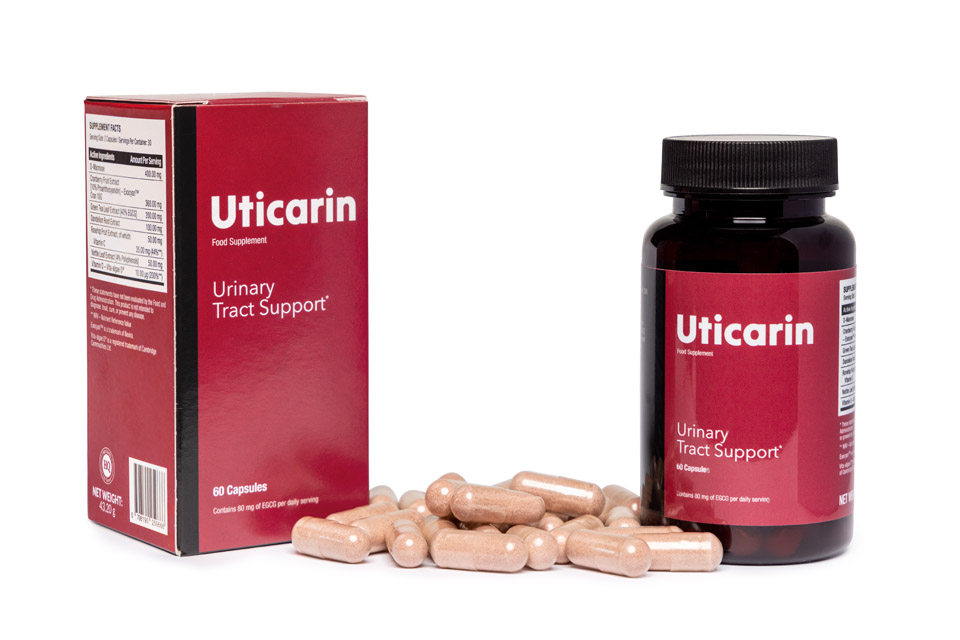
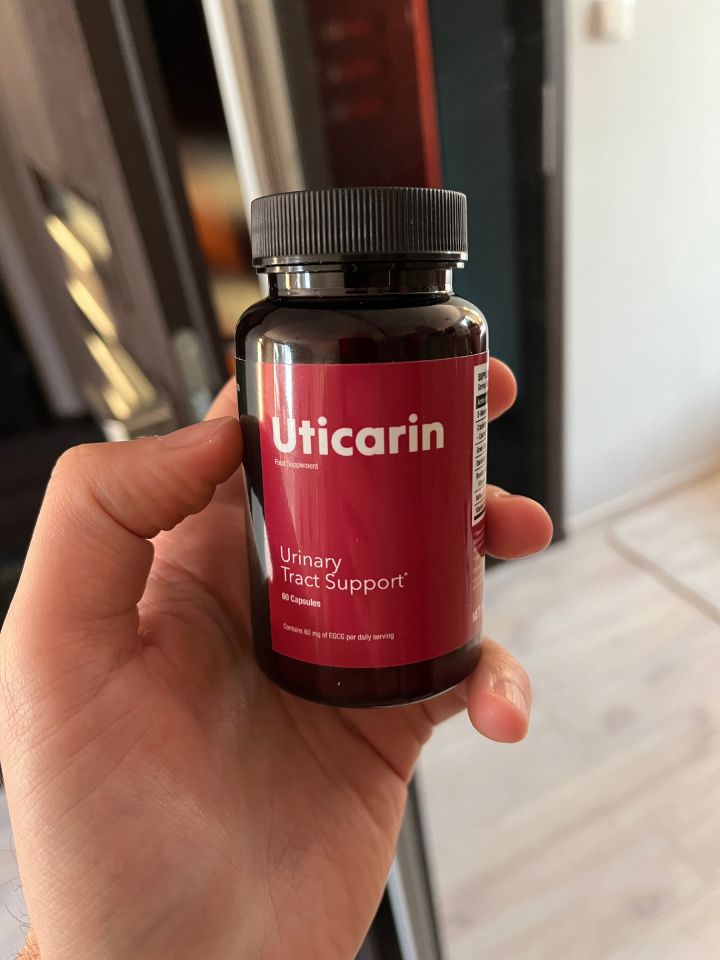
As the cranberry layer:Uticarindelivers ~36 mg of proanthocyanidins a day — the threshold the cranberry evidence turns on — with a supporting (sub-trial-dose) 400 mg of D-mannose and an unusually honest label; our score is 6.8/10. It does not replace steps 1–3 when those apply to you, and no supplement outranks a culture when infections keep coming. Used as step 4 inside the full plan, it is a rational purchase — which is the most we say about any product in this category.
For the full audit — every amount on the panel checked against the trial record — see our Uticarin review.
Frequently Asked Questions
Can you really prevent UTIs without antibiotics?
For many women, yes — water, oestrogen (when relevant), methenamine and adequate-dose cranberry each carry trial or review-level support. "Without antibiotics" works best as a clinician-guided plan, not a solo experiment.
What is the first thing to try?
Audit your water intake honestly. It is the only intervention that is free, immediate and backed by a 48% reduction in a randomised trial — for the low-intake group it was tested in.
How long before prevention shows results?
Judge over three to six months against your own infection count. Cranberry trials ran 12–24 weeks; recurrence naturally fluctuates, so shorter verdicts mislead.
Last reviewed: October 2026. This article is educational and is not medical advice. Recurrent UTIs merit at least one clinician review with cultures, whatever prevention you choose.
