
- Quick Answer
- Side Effects and Interactions (Question #18)
- Safety at a Glance
- Daily and Long-Term Use (Questions #19, #16)
- Pregnancy: the Two-Part Answer (Question #37)
- Will It Mask a Serious Infection? (Question #20)
- Frequently Asked Questions
- Is D-mannose safe for children?
- Does D-mannose affect birth control or hormones?
- Can I take D-mannose with cranberry or probiotics?
- What is the EGCG warning on some urinary products about?
- Read This Next
Disclosure: This article contains affiliate links. If you buy through them, we may earn a commission at no extra cost to you. It never changes our scores or conclusions.
Quick Answer
For healthy adults, D-mannose has a reassuring safety profile: it is a naturally occurring sugar, largely excreted unchanged in urine, with no antibiotic-style effects on gut flora or resistance, and in trials up to six months at 2 g/day the reported effects were mostly mild digestive ones — bloating, loose stools, diarrhoea at higher doses. The real cautions are specific:pregnancy and breastfeeding (safety not established — and UTIs in pregnancy always need medical care),diabetes (it is still a sugar; monitor), and the behavioural risk that outweighs all the pharmacology —using a gentle supplement to wait out an infection that is quietly getting worse.
Side Effects and Interactions (Question #18)
- Digestive effects are the list.Unabsorbed sugar draws water into the bowel: bloating, gas, soft stools or diarrhoea, rising with dose — the ~3 g/day symptom patterns upset more stomachs than the 2 g prevention dose. Effects settle when the dose drops or stops.
- No meaningful drug-interaction file.D-mannose is not known to interact with common medicines the way, say, St John's wort does — but "not known" reflects limited formal study, not proof of absence. The practical rule stands: if you take daily prescription medication, show the label to a pharmacist once.
- Diabetes:D-mannose is poorly metabolised, so its blood-sugar impact is expected to be small — but it is a sugar, individual responses vary, and standard advice is to monitor glucose when starting and to have mentioned it to your diabetes clinician. Cranberryjuiceis the bigger hidden sugar problem in this category, not the powder.
- Kidneys:because D-mannose is cleared through the urine, people with significant kidney disease should clear any urinary-tract supplement with their clinician first.
Safety at a Glance
| Situation | Position |
|---|---|
| Healthy adults, 2 g/day | Well tolerated in trials up to six months; mild digestive effects (bloating, loose stool) are the main issue |
| Higher doses (~3 g/day) | More stomach upset; no extra proven benefit |
| Diabetes | It is still a sugar — monitor glucose when starting and tell your diabetes clinician |
| Pregnancy and breastfeeding | Safety not established — and any UTI in pregnancy needs medical care, not home treatment |
| Kidney disease | Cleared through the urine — clear any urinary supplement with your clinician first |
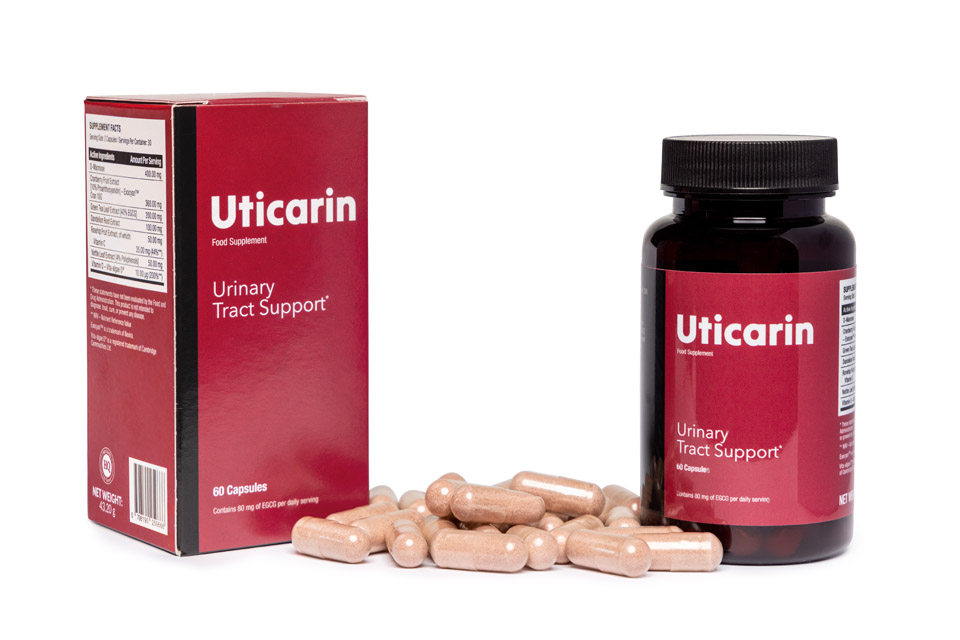
| Children | Not well studied; products like Uticarin exclude children — childhood UTIs always need assessment |
Daily and Long-Term Use (Questions #19, #16)
Can you take it every day? The trials did — 2 g daily for six months, with good tolerability. Is it proven safe for years? That data does not exist; the longest controlled exposure is months, not years, and no long-term harm signal has emerged from widespread use either. The honest framing for indefinite daily use: no evidence of harm, no long-term safety trials, and — after the 2024 efficacy result — a fair question about what the daily habit is for. A reasonable rhythm for anyone who continues: use it in defined periods, review at each recurrence whether it belongs in the plan, and let a clinician's prevention review (see ourprevention guide) outrank habit.
Pregnancy: the Two-Part Answer (Question #37)
On D-mannose itself:safety in pregnancy and breastfeeding hasnot been established— no adequate trials exist, which is why responsible monographs advise consulting a clinician first. It is a food-like sugar and no specific harm is known, but "not established" is the accurate label and the one we print.
On UTIs in pregnancy:there is no "treat it naturally at home" pathway, for D-mannose or anything else. Pregnancy changes the stakes completely: even symptom-free bacteria in the urine (asymptomatic bacteriuria) are screened for and treated, because untreated infection in pregnancy carries real risks of kidney infection and pregnancy complications. If you are pregnant and suspect a UTI, the correct action is a urine test and your clinician — the same day you notice symptoms. Note too that some products formalise this:Uticarin'smaker states plainly that the product is not suitable for pregnant or breastfeeding women or for children.
Will It Mask a Serious Infection? (Question #20)
D-mannose does not suppress fever, hide bacteria from a urine culture, or mask an infection on a test. The masking risk is human, not chemical: symptoms can fluctuate naturally in the first day or two of a UTI, and a person taking a supplement may credit the supplement and wait — while a minority of infections ascend to the kidneys. Kidney infection (pyelonephritis) announces itself with fever, flank/back pain, shivering and vomiting, and it is an urgent, sometimes hospital-level illness. The safeguard is a hard personal rule, set before symptoms start:any urinary symptoms with fever, flank pain, vomiting, visible blood, pregnancy, or duration beyond ~48 hours mean medical care that day— no supplement vote, no extra day to see. Within that rule, a low-risk adult trying D-mannose for a first mild twinge is a defensible choice; outside it, delay is the only dangerous ingredient in this article.
Frequently Asked Questions
Is D-mannose safe for children?
It is not well studied in children, and combination products like Uticarin explicitly exclude them. Childhood UTIs always warrant medical assessment anyway — the safety question and the care question resolve the same way.
Does D-mannose affect birth control or hormones?
No interaction is known or mechanistically expected; it is a sugar passing through to the urine, not a hormone-active compound.
Can I take D-mannose with cranberry or probiotics?
Common combinations, no known conflicts. Uticarin itself pairs D-mannose with cranberry; the dose caveats for each ingredient still apply (see ourdosage guideandcranberry guide).
What is the EGCG warning on some urinary products about?
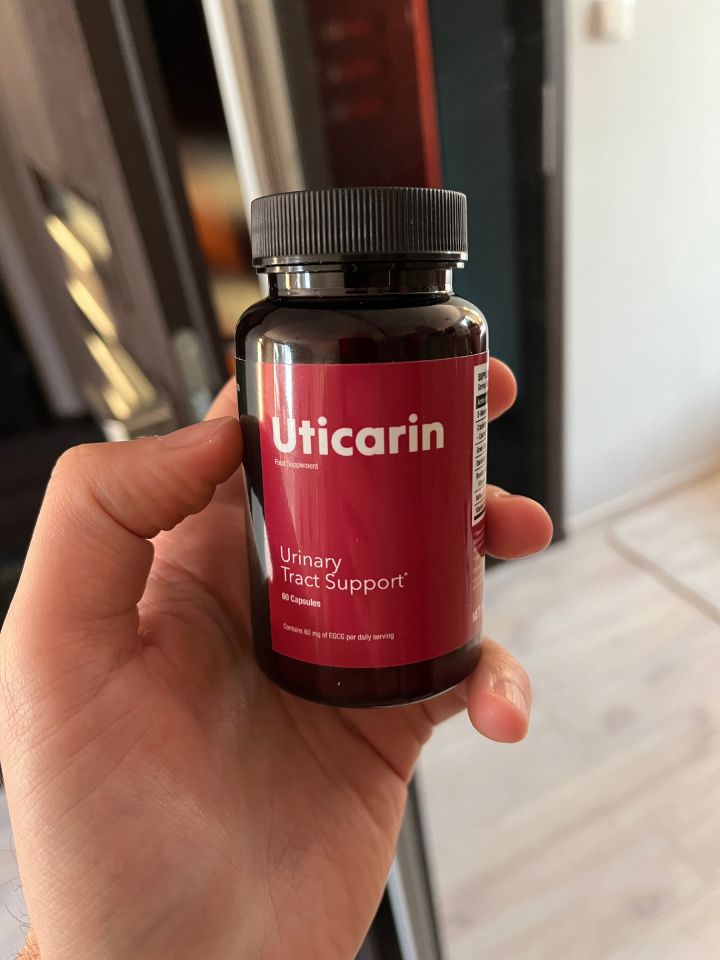
Formulas like Uticarin include green tea extract. EU-level guidance caps EGCG intake at 800 mg/day; Uticarin provides 80 mg per serving and prints the warning itself — a good sign about the maker, and a reason to count other green-tea supplements you take.
Last reviewed: October 2026. This article is educational and is not medical advice. If in doubt — pregnant, diabetic, immunocompromised, or symptoms escalating — a clinician outranks any article, including this one.
