
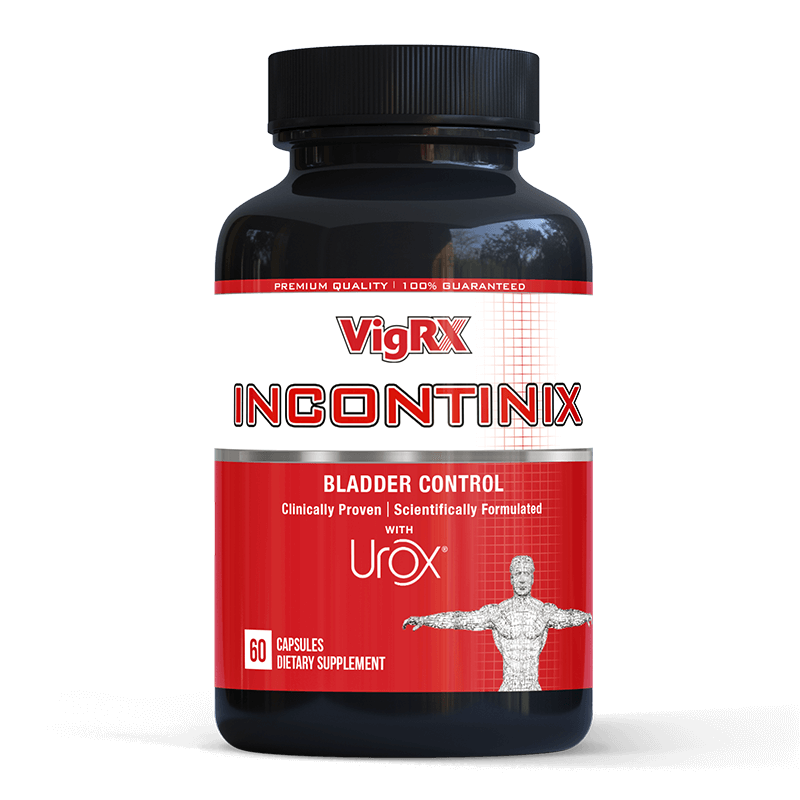
Affiliate disclosure: This article contains affiliate links. If you buy through a link on this page, we may earn a commission paid by the manufacturer, at no extra cost to you. That never changes what we publish — and on this topic it means the one bladder supplement we sell for men, Incontinix, appears only after the questions themselves have been answered in full. Men ask about bladder supplements in a recognisable set of questions — the same ones that surface in forums, in "People Also Ask" boxes and in our own inbox. This page takes them in the order men ask them.
Quick Answer: Do Bladder Supplements Work for Men?
Sometimes, somewhat — and the honest answer depends on which bladder problem you actually have. "Overactive bladder" in men is a storage problem: the bladder signals "full" too early, contracts when it should be waiting, and produces urgency, frequent trips, night-time waking and sometimes leaks. A supplement can only speak to that pattern if its ingredients are aimed at bladder function rather than at the prostate — a distinction most marketing blurs and most buyers miss. The evidence across the category is thin: ingredient folklore at the bottom, a handful of blend-level trials at the top. The best-documented men's option we sell reports a proper trial of its full blend (details below); even there, read the results as the maker's report, not settled science. And one boundary before anything else: supplements sit below medical assessment, not instead of it — new, worsening, painful or bloody urinary symptoms are a doctor's territory, full stop.
"Is It My Bladder — or My Prostate?"
This is the first question because it decides everything downstream. In men, the same headline symptom — "I go too often" — is produced by two different machines. An enlarged prostate narrows the outlet, the bladder empties incompletely, and what is left behind makes it refill to "full" sooner: that is an emptying problem wearing a frequency costume. Its signature is a weak or hesitant stream, straining, and the never-quite-empty feeling. An overactive bladder is different: the stream is usually fine, but the urge arrives suddenly and hard, at volumes the bladder should handle quietly, day and night. The two can coexist — an overworked bladder behind a tight outlet can become irritable in its own right — which is exactly why guessing is a poor plan. Our explainer Frequent Urination in Men: Prostate, Bladder, or Urine Production? separates the patterns in detail. The purchasing consequence is simple: a prostate supplement (saw palmetto and friends) is aimed at the outlet; a bladder blend is aimed at storage and signalling. Buying the wrong target is the commonest reason men conclude "supplements don't work."
"What Is Actually in These Things?"
Men's bladder supplements draw on a short shelf of botanicals. Pumpkin seed extract is the category's staple, traditionally used for bladder comfort. Saw palmetto appears constantly — but note that it is a prostate ingredient that wandered into bladder marketing; its presence tells you which organ the formulator was really thinking about. The blend in our men's product is a third pattern: a single patented proprietary blend, Urox®, made of three actives — Crateva nurvala (as Cratevox™), Lindera aggregata and horsetail — positioned by its maker at bladder tone, capacity and age-related bladder function. Two audit points apply to every product in this aisle, ours included. First, proprietary blends publish a total weight, not per-ingredient amounts: Urox® states 840 mg per daily serving, and no figure for any component exists on the maker's pages or label, so no individual dose can be checked. Second, any site that quotes you exact milligram figures for a proprietary blend's components is inventing them — that applies to spam "reviews" of this product, which also circulate a clinical trial that does not exist on any maker page. Ignore invented numbers wherever you meet them.
"Is There Any Real Evidence — or Just Marketing?"
Grade this category in tiers, because the tiers are far apart. Tier one: tradition and ingredient citations — "used for centuries," a study of one herb at a dose the product may not contain. Most bladder supplements live here. Tier two: a trial of the actual blend at the actual dose. That is rare, and it is what the maker of Urox® reports: an eight-week, double-blind, placebo-controlled study of the exact blend, 150 volunteers suffering from bladder issues, published — per the maker — in BMC Complementary Medicine and Therapies. The outcomes the maker reports are the ones sufferers care about: overall urgency reduced by 62%, leaks cut in half, 60% of participants back to normal daytime frequency, about 25% no longer racing to the bathroom at night, and 23% totally symptom-free at eight weeks. Now the limits, which travel with those numbers wherever we print them: the trial is the maker's report of it. The sponsor is not published, the full citation (authors, year) does not appear on the maker's product pages, no breakdown of the 150 volunteers is given, and the maker's separate claim of "14 clinical trials" is supported by exactly one described trial. Strong structure, incomplete paperwork — score it as both.
These statements have not been evaluated by the Food and Drug Administration. This product is not intended to diagnose, treat, cure, or prevent any disease. This article is educational and is not medical advice.
"How Long Before I'd Know?"
Frame it on the evidence, not the headline. The maker of Incontinix says results can start "in as little as 14 days" — and its own reported trial ran eight weeks and measured outcomes across that full period. The working rule for any bladder supplement: judge at the trial's timeframe, not the marketing's. Keep a simple count for a week before you start (daytime trips, night trips, leaks) and the same count at week eight; memory flatters every product. Also check that the guarantee covers the course: here the arithmetic genuinely works — the eight-week trial course is two bottles, and the 67-day money-back guarantee window covers it if you order and start promptly. A product whose trial runs twelve weeks behind a 30-day guarantee is asking you to fund its evidence yourself.
"Is It Safe With My Medication?"
The question men over 50 ask most, and the one this category answers worst. The maker of Incontinix publishes no warnings, no side-effect list and no medication cautions anywhere in its marketing — for a bladder product aimed squarely at older men, many of whom take prescription medication. Its safety language is entirely positive: the formula was tested "without ANY reported negative side-effects." Treat that as an absence of information, not an all-clear. The only cautionary text in the maker's own materials is generic label boilerplate: consult your healthcare practitioner before using this or any such product. Our position is the label's, strengthened: if you take prescription medication — bladder, prostate, blood pressure or anything else — this conversation belongs with your doctor or pharmacist before the first capsule, precisely because the maker declines to have it.
"What Do I Do Before Spending Anything?"
Four things, all free. One: a three-day bladder diary — times, rough volumes, leaks, night trips. It separates the patterns above better than any product page can, and it is the first thing a clinician will ask for. Two: the timing audit — caffeine and alcohol push urine production up and sleep quality down, and fluid taken in the last two hours before bed is tonight's production; moving intake earlier helps the production-driven pattern without a single purchase. Three: the red-flag check — blood in the urine, pain, fever, inability to urinate, or a pattern that is new and worsening all mean a doctor first, supplements later or never. Four: if you do buy, buy against criteria, not hope — our Bladder Supplement Buying Guide sets out the six checks we apply to every product in this aisle, including the ones ours fails.
Where Incontinix Fits
For the bladder-pattern man — urgency, frequency, night trips, a normal stream — Incontinix (Our Score 7.5/10) is the men's product built on the Urox® blend: 2 vegetarian capsules each morning, 840 mg of blend, $59.99 a bottle, 67-day guarantee, evidence and limits exactly as graded above. If your pattern is the prostate pattern instead, the counterpart read is our prostate coverage — start with PrimeGENIX Prostate Support and its Answered post. Women reading over a shoulder: the same blend is sold to women as Confitrol24, and we compare the two head-to-head in Incontinix vs Confitrol24. Whichever direction your pattern points, the order stays the same: diary, red flags, then — if it still makes sense — a supplement judged on its trial's clock.
Last reviewed: October 2026