
- Quick Answer
- The Common, Mild Effects
- The One Interaction That Matters: Warfarin
- Shellfish Allergy: Nuanced, but Respect the Label
- Diabetes and Blood Sugar
- Other Cautions Worth Knowing
- Applied to a Real Product
- Frequently Asked Questions
- Is glucosamine bad for your liver or kidneys?
- Can glucosamine raise blood pressure?
- What happens if I take too much?
- Should I stop glucosamine before surgery?
- Read This Next
Disclosure: This article contains affiliate links. If you buy through them, we may earn a commission at no extra cost to you. It never changes our scores or conclusions.
Quick Answer
Glucosamine is one of the best-tolerated supplements in the trial literature — a Cochrane review of 20 trials found adverse events essentially equal to placebo, and three-year trials show no safety divergence. The everyday effects are mild stomach complaints and headache.
But three groups should not self-start it: people on warfarin (documented INR increases), people with shellfish allergy when the product is shellfish-derived, and pregnant or breastfeeding women and children, for whom there is simply no safety data.
The Common, Mild Effects
- Nausea, heartburn, indigestion
- Diarrhoea or constipation, excess gas
- Headache, tiredness
- Occasionally: flushing or a mild skin rash
Taking glucosamine with food settles most stomach effects. In the GAIT trial — the largest ever run — adverse events were mild, infrequent and evenly spread across all groups including placebo, which tells you how much of the "side effect" burden is background noise.
The One Interaction That Matters: Warfarin
European regulators reviewed more than 40 case reports of the INR (the measure of warfarin's effect) rising after people on warfarin-type anticoagulants started glucosamine. Most rises caused no symptoms. Some were associated with bleeding. In most cases the INR fell back when glucosamine was stopped — the pattern that makes the link convincing. The mechanism is unknown.
Practical rule: if you take warfarin, acenocoumarol or a similar drug, do not start glucosamine without telling your GP or anticoagulant clinic, and expect extra INR checks if you do. Newer anticoagulants (DOACs) are not the subject of these reports, but the same disclosure applies.
Shellfish Allergy: Nuanced, but Respect the Label
Glucosamine is extracted from shellfish shells. The proteins that trigger shellfish allergy live in the flesh. In a blinded challenge, 15 shrimp-allergic adults tolerated a full 1,500 mg dose without reaction.
Despite that, regulators and product licences still list shellfish allergy as a reason not to take shellfish-derived glucosamine — purification is not guaranteed across brands, and the downside of being wrong is severe. If you have a shellfish allergy, choose a certified vegan glucosamine (fermented from corn) rather than gambling.
Diabetes and Blood Sugar
Early theoretical concern — glucosamine is an amino sugar — has not held up in human trials: randomised studies show no significant change in fasting glucose or HbA1c, including trials lasting up to three years. Licensed products still advise people with diabetes to monitor their readings a little more closely when starting, which is cheap insurance rather than evidence of harm.
Other Cautions Worth Knowing
- Pregnancy, breastfeeding, under-18s: no trials, no data — avoid.
- Asthma: product labels carry a caution about possible worsening of asthma symptoms after starting. Report any change.
- Eye pressure: a small 2013 case series linked glucosamine to raised intraocular pressure that reversed on stopping. It is a weak signal, but people treated for glaucoma should mention glucosamine to their eye clinic.
- Long-term use: continuous use has been studied for up to three years without a safety signal. Beyond that, the data simply runs out — one more reason to keep only products that demonstrably help you.
Applied to a Real Product
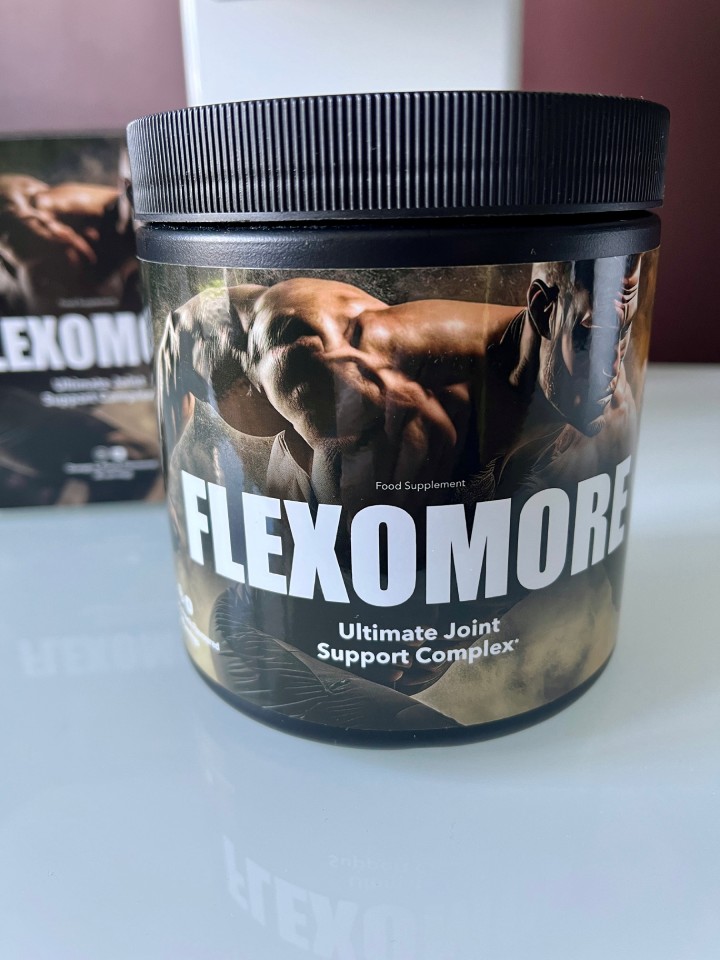
Flexomore contains glucosamine sulfate derived from crustaceans — stated on its label — at a full 1.5 g of D-glucosamine per scoop. Everything above applies directly: fine for most adults, a clear avoid with a shellfish allergy, and a clinician conversation first if you take warfarin. Its other ingredients add their own small cautions (turmeric and boswellia also lean against clotting.
Sucralose sweetens the drink), which is why the medication check matters for formulas, not just single ingredients.
For the full audit — every amount on the panel checked against the trial record — see our Flexomore review.
Frequently Asked Questions
Is glucosamine bad for your liver or kidneys?
No signal of liver or kidney harm appears in the trial literature at standard doses, including multi-year studies. That distinguishes glucosamine from high-dose enhanced curcumin extracts, which do carry rare liver case reports.
Can glucosamine raise blood pressure?
Not in any consistent trial finding. Isolated product reviews mention cardiovascular cautions for people with heart-disease risk factors, but controlled data does not show a blood-pressure effect.
What happens if I take too much?
Glucosamine has low acute toxicity. Overdose reports describe transient nausea, vomiting, diarrhoea, headache and dizziness rather than dangerous poisoning. There is still no benefit to exceeding the label dose.
Should I stop glucosamine before surgery?
Tell your surgical team you take it. Because of the anticoagulant-interaction reports, many clinicians prefer supplements with any clotting relevance paused ahead of surgery — follow your team's instruction, not a generic rule.
Last reviewed: October 2026. This article is educational and is not medical advice. If you take prescription medication, check any new supplement with your pharmacist or clinician first.
