
- Quick Answer
- The Risks, Split by Method
- What Are the Side Effects of "Detoxing"?
- The Electrolyte Problem, Explained Plainly
- Repeat Cleansing and the Dependency Question
- Warning Signs: When a Cleanse Becomes an Emergency
- The Medication Question — the One Nobody Answers Properly
- Who Should Avoid a Colon Cleanse?
- Are Digestive Enzymes Safe?
- Botanical Ingredients: the Capsule-Specific Cautions
- How to Reduce Risk If You Cleanse Anyway
- Frequently Asked Questions
- Are colon cleanses safe?
- What are the risks of a colon cleanse?
- Who should avoid a colon cleanse?
- How long does the "detox flu" last?
- Does a colon cleanse hurt?
- Can I take a cleanse product with my medication?
- Read This Next
Disclosure: This article contains affiliate links. If you buy through them, we may earn a commission at no extra cost to you. It never changes our conclusions.
Quick Answer
It depends entirely on the method — and the honest range runs from "genuinely risky" to "low risk for most healthy adults". Colonic irrigation carries the serious documented harms: dehydration, dangerous electrolyte shifts, infection, bowel perforation, and deaths linked to coffee enemas. Stimulant-laxative cleanse kits sit in the middle: cramping, diarrhoea, dehydration and electrolyte problems, worse with repeated use.
Gentle fibre, water and enzyme-based approaches are the low-risk end for healthy adults. With ingredient-specific exceptions that matter, especially for anyone on medication. This guide splits the risk by method, because the single-word question "are cleanses safe?" has no single-word answer.
The Risks, Split by Method
| Method | Documented risks | Risk level for healthy adults |
|---|---|---|
| Colonic irrigation / hydrotherapy | Dehydration; electrolyte imbalance (including low sodium and potassium); infection from equipment; bowel perforation; coffee enemas have been linked to deaths | Highest — medical authorities advise against |
| Coffee enemas | All of the above, plus rectal burns and severe electrolyte disturbance; specifically named in fatal case reports | Highest — avoid |
| Stimulant-laxative kits (senna-based, multi-day) | Cramping, diarrhoea, dehydration, potassium loss; dependence-forming pattern with chronic use; can reduce absorption of medications taken during the cleanse | Moderate — short-term use only, if at all |
| Osmotic salts (magnesium-based "oxygen" cleansers) | Loose stools by design; dehydration if fluids are not replaced; phosphate-containing variants have been linked to kidney injury (phosphate nephropathy) in susceptible people | Moderate-low — caution with kidney issues |
| Fibre-and-water routines | Bloating and gas; obstruction risk if fibre is taken dry or with too little water, especially with swallowing difficulties | Low — with adequate water |
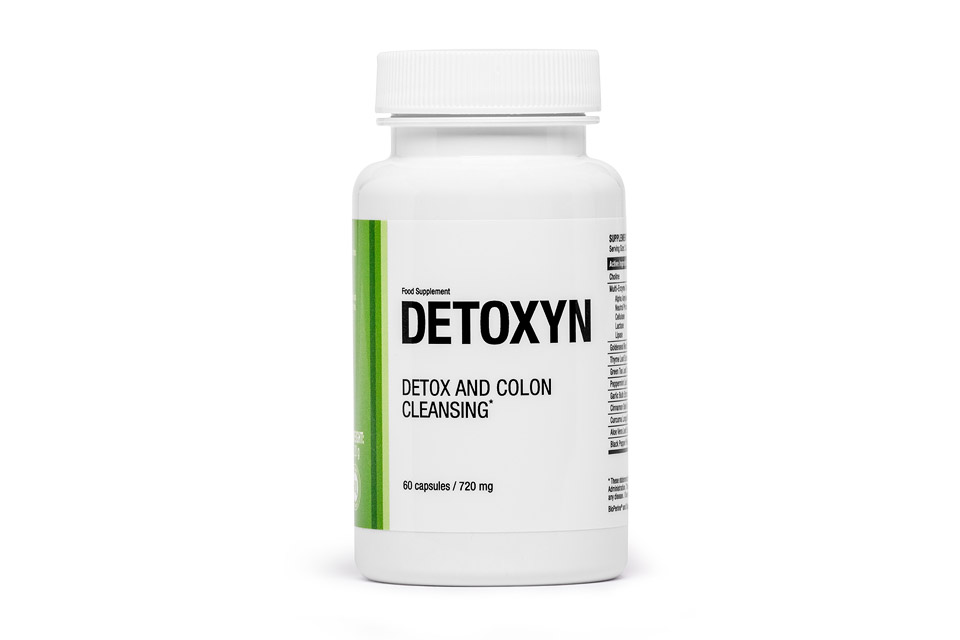
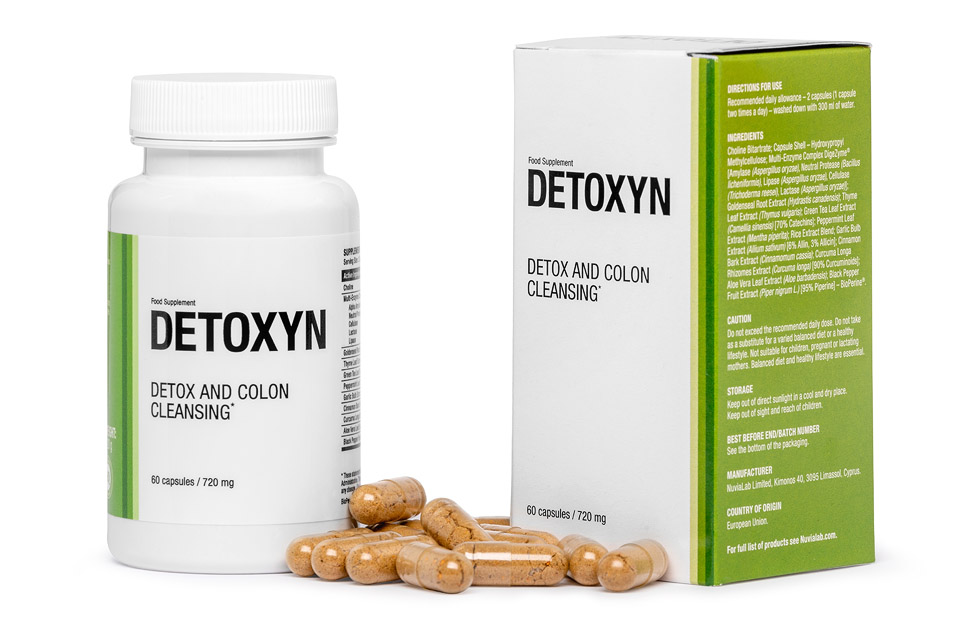
| Enzyme/botanical digestive capsules (e.g. Detoxyn) | Usually mild digestive effects; ingredient-specific interactions (goldenseal affects drug metabolism — see below); aloe can loosen stools | Low for healthy adults; medication check first |
What Are the Side Effects of "Detoxing"?
The side-effect list most cleanse users actually meet is mundane: cramping, urgency, loose stools, nausea, headache and fatigue. A popular piece of category folklore rebrands these as the "detox flu" or a "healing crisis" — proof, supposedly, that toxins are leaving.
There is no evidence for that interpretation, and a much simpler one fits: dehydration, electrolyte loss, caffeine withdrawal (many cleanses ban coffee), low food intake, and the direct irritant effect of laxatives produce exactly that symptom set. How long does the so-called detox flu last? As long as the causes do.
Typically the days of the cleanse itself, resolving when eating, drinking and caffeine normalise. Symptoms that are severe, bloody, or persist after the cleanse ends are not a healing crisis. They are a reason to see a doctor.
Framing side effects as success is the single most dangerous rhetorical trick in this category, because it trains people to push through warning signs.
The Electrolyte Problem, Explained Plainly
The risk that appears in nearly every medical source — named in the clinical literature as hyponatraemia, hypokalaemia and, with phosphate-based preparations, phosphate nephropathy — deserves a plain-language explanation, because it is the mechanism behind most serious cleanse injuries. Your blood keeps sodium and potassium within narrow ranges, and your kidneys defend those ranges using water.
Aggressive bowel emptying attacks the system from both sides: you lose potassium and fluid in stool, and if you replace the fluid with large volumes of plain water (or retain water from an irrigation procedure), sodium becomes diluted. Low potassium disturbs heart rhythm — which is why people on heart medication sit at the top of every avoid-list.
Low sodium, in its severe form, affects the brain and can be fatal. The deaths historically linked to coffee enemas ran through exactly this electrolyte route, compounded by infection.
Phosphate-based preparations add a kidney-specific injury: absorbed phosphate can deposit in the kidneys of susceptible people, which is why regulators long ago restricted oral sodium phosphate products for bowel cleansing.
None of this requires a dramatic procedure to matter in milder form: a multi-day stimulant protocol plus poor fluid replacement is enough to make a healthy person feel genuinely unwell, and enough to matter medically in someone older, smaller, or on diuretics. The practical translation is simple.
The more a cleanse moves fluid, the more seriously its electrolyte cost must be taken, and "drink lots of water" is incomplete advice without electrolytes and food.
Repeat Cleansing and the Dependency Question
A single short cleanse and a cleansing habit are different risk categories. Stimulant laxatives — senna is the workhorse of cleanse kits — train a pattern: used repeatedly, they can leave the bowel sluggish without them, which users then interpret as proof they "needed" the cleanse, and the cycle sells itself.
Gastroenterology's position on chronic stimulant use has softened over the years for medically supervised constipation treatment, but that is a different context from repeated unsupervised wellness protocols with escalating doses.
Frequency guidance from the more responsible end of the product market (and from clinicians commenting on it) converges on the same shape: if you cleanse at all, rarely — separated by months, not weeks. And any feeling that you cannot have a normal bowel movement without a product is a stop signal, not a subscription opportunity.
We cover frequencies method-by-method in the timeline guide. Enzyme-and-food-based digestive support sits outside this problem entirely: enzymes do not stimulate the bowel, which is one reason the category's gentlest products are also its most defensible.
Warning Signs: When a Cleanse Becomes an Emergency
Stop the cleanse and seek medical care the same day for: severe or worsening abdominal pain (as opposed to mild cramping). Vomiting that prevents keeping fluids down; dizziness, fainting, confusion or an irregular heartbeat (the electrolyte red flags). Blood in the stool beyond a trace from straining; fever.
Or diarrhoea that has not settled within 24–48 hours of stopping the product. One further rule deserves emphasis because cleanse culture actively teaches the opposite: pain and heavy symptoms are never evidence that a product is "working". They are the body's cost report.
Any brand whose materials describe these experiences as toxins leaving or a healing crisis is asking you to ignore the exact signals this list exists for — treat that as disqualifying, permanently, for that brand.
The Medication Question — the One Nobody Answers Properly
"Can I take a cleanse product with my medication?" is among the most-asked questions in this category and the worst-answered, because the answer has three separate mechanisms.
First, absorption: anything that speeds gut transit or causes diarrhoea can reduce how much of an oral medication is absorbed — a documented concern for contraceptive pills, thyroid medication and anything with a narrow dosing window. Second, electrolytes: potassium loss from laxatives interacts with heart medications (digoxin is the classic example) and diuretics.
Third, ingredients: specific botanicals alter drug metabolism — goldenseal (an ingredient in Detoxyn) is known to affect liver enzymes that process a range of common medicines, and black-pepper extract (BioPerine) is deliberately included in formulas to increase absorption of compounds, which includes drug compounds.
The practical rule: if you take any regular prescription medication, a cleanse product is a pharmacist conversation first. Not because catastrophe is likely, but because "probably fine" is not a standard anyone should accept for medication interactions. UT Physicians' gastroenterology guidance specifically flags people on blood thinners and diuretics as groups who should avoid cleanses.
Who Should Avoid a Colon Cleanse?
Medical sources converge on a consistent avoid-list. Do not cleanse — any method — if you are pregnant or breastfeeding. Have inflammatory bowel disease (Crohn's, ulcerative colitis), diverticulitis, or recent bowel surgery. Have kidney disease or heart failure (fluid and electrolyte shifts are dangerous in both).
Have a weakened immune system (infection risk from procedures); have haemorrhoids or rectal problems that a procedure could aggravate. Or take blood thinners, diuretics or heart medication without medical clearance. Children should not be given cleanse products.
And one group deserves a direct sentence: anyone whose "need to cleanse" is driven by persistent bloating, pain, bleeding or changed bowel habits should skip the cleanse and get the symptom investigated. Those are presentations that deserve a diagnosis, not a detox.
Our evidence overview explains what cleanses can and cannot do, and the natural-methods guide covers the low-risk end of the spectrum.
Are Digestive Enzymes Safe?
Enzyme supplements are the mildest corner of this category. Prescription pancreatic enzymes have a long clinical record in pancreatic insufficiency. Over-the-counter blends like the DigeZyme® complex in Detoxyn were used in small trials without product-related adverse events. General cautions still apply: enzymes can cause nausea or loose stools in some users.
Bromelain (a common blend component, not in Detoxyn) has a real interaction list including blood thinners. And enzyme products are not a treatment for undiagnosed digestive disease. The full enzyme assessment is in digestive enzymes: do you need them?
Botanical Ingredients: the Capsule-Specific Cautions
Because capsule formulas are not laxative protocols, their safety questions are ingredient questions. Using the label of the product this site reviews — Detoxyn — as the worked example shows how to read any formula in this category.
Goldenseal (100 mg/day in Detoxyn) is the ingredient requiring the most respect: it inhibits liver enzymes involved in metabolising many common drugs, which is a genuine interaction mechanism, not a theoretical one — hence the medication rule above. Aloe vera leaf extract (20 mg) can loosen stools.
The doses associated with aloe's historical laxative use are far higher, but sensitive users notice even small amounts, and aloe supplements are not for pregnancy.
Green tea extract (80 mg, 70% catechins) is present at a fraction of the doses in the liver-injury case literature, which involve concentrated extracts taken in gram quantities, often fasted — dose context is the whole story with this ingredient.
Turmeric/curcumin (50 mg of a 90% extract) is among the most-studied botanicals in the world and generally well tolerated, with rare liver case reports at high supplemental doses — worth knowing, not worth panic at this dose.
Cinnamon, garlic, thyme and peppermint are culinary-level botanicals at these amounts, with peppermint's familiar caveat (it can worsen reflux in some people). And BioPerine (5 mg) returns to the medication theme: it exists to increase absorption. The general method matters more than any single line here.
A formula whose every amount is printed, as Detoxyn's is, lets you run exactly this check. A proprietary blend makes it impossible, which is why we score unprinted labels down on principle.
How to Reduce Risk If You Cleanse Anyway
Adults who choose a gentle cleanse despite the thin benefit case can cut most of the avoidable risk with five rules. Stay at the gentle end of the method table — fibre, water, food-based routines, enzyme support — and skip irrigation and stimulant protocols entirely. Hydrate deliberately, including electrolytes, on any day your bowel movements multiply.
Never extend a cleanse past its stated days, and never stack two cleanse products. Stop — actually stop — for severe cramping, dizziness, vomiting, blood, or diarrhoea that does not settle within a day of ending.
And treat any product whose marketing celebrates side effects as "toxins leaving" as disqualified: a seller who reframes harm as success will not be honest about anything else either — which is one of the checks we run in our Detoxyn review.
Frequently Asked Questions
Are colon cleanses safe?
Method-dependent. Irrigation and coffee enemas carry documented serious risks. Stimulant kits are moderate-risk; fibre, water and enzyme approaches are low-risk for healthy adults who are not on interacting medication.
What are the risks of a colon cleanse?
Dehydration, electrolyte imbalance (low sodium and potassium are the medically named ones), infection and perforation for procedures. Cramping, diarrhoea and reduced medication absorption for laxative products; ingredient interactions for botanical formulas.
Who should avoid a colon cleanse?
Pregnant or breastfeeding women; people with IBD, diverticulitis, kidney or heart conditions, weakened immunity, or recent bowel surgery. Children; and anyone on blood thinners, diuretics or regular prescription medication without medical clearance.
How long does the "detox flu" last?
Typically only as long as its causes — the cleanse days themselves. Headache, fatigue and nausea during cleanses track with dehydration, electrolyte loss, low food intake and caffeine withdrawal, and they resolve as normal eating and drinking resume. Symptoms persisting days after a cleanse ends should not be attributed to "detox" — get them checked.
Does a colon cleanse hurt?
Gentle fibre or enzyme routines should not hurt at all. Laxative protocols commonly cause cramping. Irrigation can cause significant discomfort and carries the procedure risks in the table above. Pain beyond mild cramping is a stop signal, not a sign of progress.
Can I take a cleanse product with my medication?
Ask a pharmacist first. Diarrhoea and fast transit can reduce absorption of oral medication, potassium loss interacts with heart drugs and diuretics, and specific ingredients (goldenseal, BioPerine) alter drug metabolism or absorption by design.
Last reviewed: October 2026. This article is educational and is not medical advice.
