
- Quick Answer
- What "Natural Cleansing" Honestly Means
- The Methods, Ranked Safest-First
- Signs Your Digestion Needs Attention (Not a "Dirty Colon")
- Fibre in Detail: the Soluble/Insoluble Split and the Ramp
- The Microbiome Angle: Feeding the Tenants
- What About Probiotics?
- A Gentle 7-Day Reset (the Honest Kind)
- How Do Doctors Clean Your Colon?
- Drinks: What Helps, What Is Theatre
- Natural Methods to Skip
- Frequently Asked Questions
- What is the healthiest way to cleanse your colon?
- How do you deep clean your colon at home?
- How long does a natural approach take to help?
- Are there supplements that aid this process?
- Read This Next
Disclosure: This article contains affiliate links. If you buy through them, we may earn a commission at no extra cost to you. It never changes our conclusions.
Quick Answer
The healthiest way to "cleanse" your colon is to stop thinking of it as cleansing. A healthy colon empties itself. What it responds to is fibre, water, movement and a fed microbiome — the inputs that keep transit regular and the gut lining healthy.
The natural methods below are ranked safest-first and evidence-first: they will not produce dramatic before-and-after photos, because their effect is the absence of problems — regular bowel movements, less bloating, steadier digestion. The aggressive home methods (saltwater flushes, home enemas, laxative teas) are listed too, in the section marked "skip", because natural is not a synonym for safe.
What "Natural Cleansing" Honestly Means
Every guide in this space picks a side. The sceptical authorities refuse the premise entirely — correctly noting the colon needs no cleansing (our evidence overview covers their case). The commercial listicles accept the premise entirely and sell it back to you.
The honest middle is this: you cannot flush a healthy colon clean, because it is never dirty in the marketed sense — but you absolutely can be constipated, sluggish, bloated and irregular, and those real experiences respond to real inputs. Everything below targets those: the mechanics of transit and the ecology of the gut.
If a method's promise is framed as removing toxins or years of waste, it has failed the honesty test before it starts, whatever its ingredients.
The Methods, Ranked Safest-First
| Method | What it actually does | Evidence |
|---|---|---|
| Increase fibre gradually (food first) | Adds bulk and water-holding capacity to stool; feeds gut bacteria that produce short-chain fatty acids nourishing the colon lining | Strong — the foundation of every gastroenterology guideline for regularity |
| Hydration matched to fibre | Fibre without water can worsen constipation; together they soften and move stool | Strong — basic physiology, consistently advised |
| Daily movement / walking after meals | Physical activity stimulates gut motility; post-meal walks are a traditional and sensible aid | Moderate — consistent observational and mechanistic support |
| Fermented foods (yogurt, kefir, kimchi, sauerkraut) | Introduce live microbes and support microbial diversity | Moderate — a Stanford trial found fermented foods increased diversity and lowered inflammation markers |
| Regular meal timing + adequate sleep | The gut runs on circadian rhythms; erratic timing worsens irregularity | Moderate |
| Coffee (if you already drink it) | Stimulates colonic motility in many people within minutes | Moderate for motility; not a health prescription |
| Digestive-enzyme support with meals | Assists breakdown of the meal in front of you; small trial support for dyspepsia-type discomfort (see the enzyme guide) | Modest — narrow claim, small trials |
Signs Your Digestion Needs Attention (Not a "Dirty Colon")
One of the most-searched questions in this topic is "how do you know if your colon is dirty?" — and it deserves a respectful, straight answer. There is no dirty-colon state to detect. There are real signals that digestion needs attention, and they are worth listing precisely because cleanse marketing blurs them into sales copy.
Occasional irregularity, bloating after large or fatty meals, and transit that varies with travel, stress and diet are normal physiology — the fibre/water/movement inputs above are the proportionate response.
A different list — blood in the stool, unintentional weight loss, persistent change in bowel habit lasting weeks, nocturnal symptoms, iron-deficiency anaemia, or a family history of bowel cancer with new symptoms — is not a cleanse indication at all. It is a doctor indication, promptly.
The single most harmful thing the detox category does is intercept people with the second list and sell them the first list's remedy. If you recognise yourself in the second list, close this article and book the appointment.
Fibre in Detail: the Soluble/Insoluble Split and the Ramp
Fibre does the heavy lifting in every honest version of this routine, so it earns a closer look. Insoluble fibre (vegetable skins, wheat bran, seeds) adds physical bulk and speeds transit — the broom of the analogy marketers love, except it works on today's contents, not on mythical old layers.
Soluble fibre (oats, beans, lentils, apples, psyllium) dissolves into a gel that softens stool and — more importantly — is the fraction your gut bacteria ferment. Most whole foods carry both. Two practical rules govern success. First, the ramp: a sudden jump from a low-fibre diet to full guideline amounts produces gas and bloating that convince people fibre "doesn't agree with them"
Raising intake over one to two weeks lets the microbial community adjust its fermentation capacity. Second, the pairing: fibre's water-holding is the mechanism, so fluid intake must rise with it — dry fibre in a dehydrated gut can make constipation worse, and fibre supplements taken without enough water carry a genuine (if uncommon) obstruction risk for people with swallowing difficulties.
Food-first is the default. A psyllium supplement is the reasonable second step for people whose diets will not get there, used at label doses with a full glass of water.
The Microbiome Angle: Feeding the Tenants
The modern, evidence-based version of "gut cleansing" is really about ecology. The colon houses a microbial community that ferments fibre into short-chain fatty acids — butyrate chief among them — which are the preferred fuel of the colon lining cells and a measurable part of how the gut barrier maintains itself. A low-fibre diet starves that system.
The microbes then turn to the gut's own mucus layer for substrate, which is the closest thing in real physiology to the "damaged colon" of marketing — except the remedy is the opposite of a flush. You do not clean an ecosystem. You feed it.
Diversity of plant foods is the metric researchers keep landing on: cohorts eating thirty or more different plant foods a week show markedly more diverse microbiomes than those eating under ten.
That single habit — plant variety, counted loosely, without any cleanse product — is probably the highest-value "colon health" intervention a healthy person can adopt, and it is the context in which fermented foods help: they add live microbes to a system already being fed. Cleansing, in the laxative sense, runs against this entire picture, temporarily stripping contents and microbes alike.
The system recovers, but nothing about the stripping was the benefit.
What About Probiotics?
Probiotic supplements are the natural question at this point, and they deserve the same grading discipline. For a healthy person eating adequate fibre and fermented foods, probiotics add little that trials can detect.
For specific situations the evidence is better — certain strains reduce antibiotic-associated diarrhoea risk, and some help IBS-type symptoms — but those are strain-specific, condition-specific uses, not a general "cleanse" or maintenance tool. If you trial one, choose a named strain with human data for your specific symptom, give it four weeks, and judge it on that symptom alone.
Vague multi-strain blends marketed for "detox" fail the same honesty test as the cleanses in our evidence overview.
A Gentle 7-Day Reset (the Honest Kind)
For the normal-irregularity group, a week of the ranked inputs looks like this: fibre raised gradually toward guideline levels (add one fibre-rich food per day rather than jumping, to let gas settle), a glass of water on waking and with each meal, a 10–15 minute walk after the largest meal, one fermented food daily, alcohol paused, and a consistent sleep window.
Most people who do this report exactly what cleanse buyers are chasing — regularity, a calmer stomach, a lighter feeling — without a single laxative.
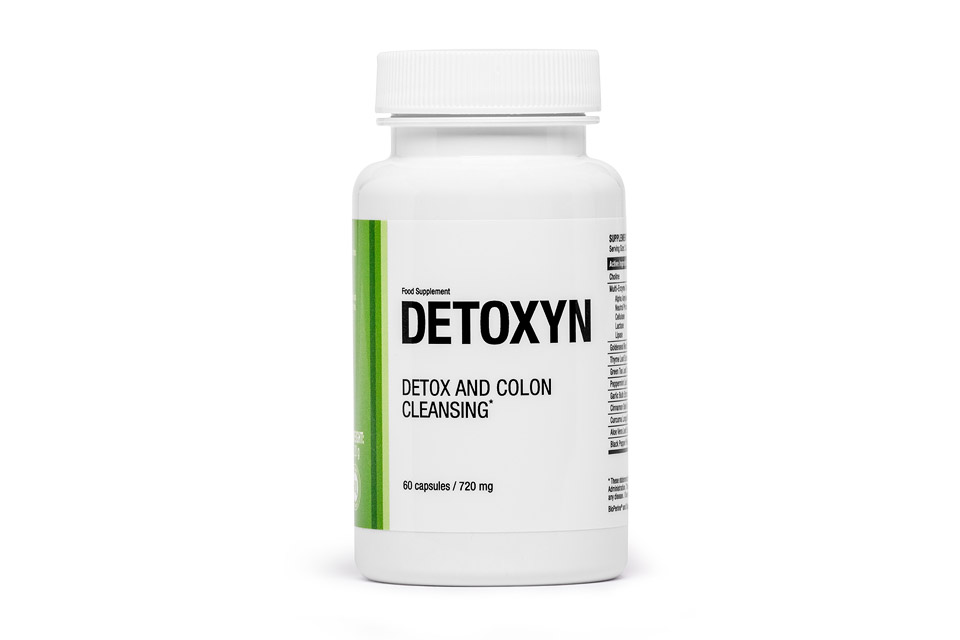
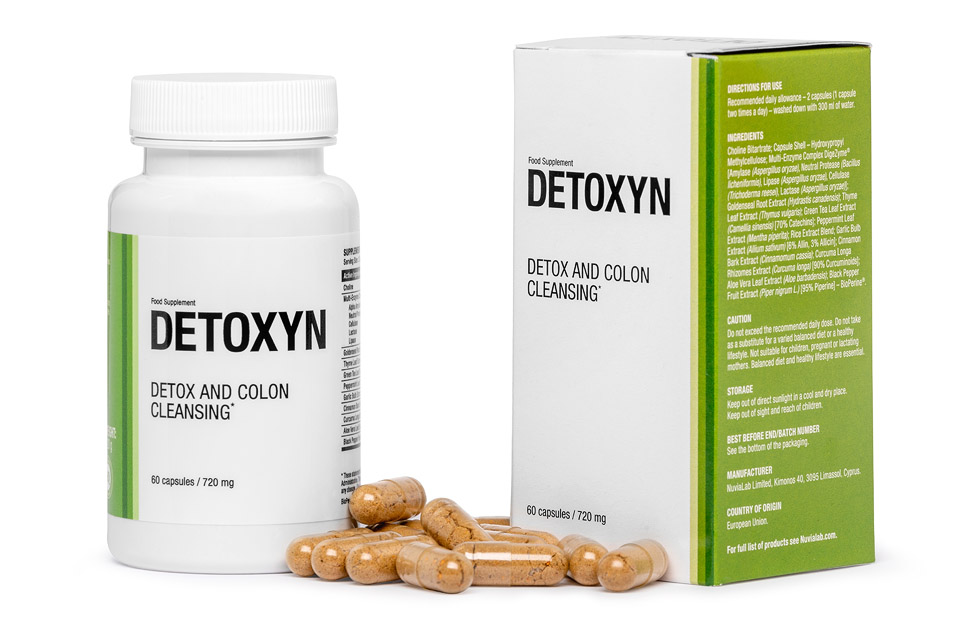
If, on top of that base, you want product support for meal-related discomfort, an enzyme formula is the proportionate category: the one we review, Detoxyn, pairs its DigeZyme® complex with botanicals at printed doses — buy it, if at all, as digestive support, not as a cleanse.
How Do Doctors Clean Your Colon?
Only for procedures, and the method is instructive: before a colonoscopy, patients follow a clear-liquid diet and take a prescribed osmotic preparation that empties the bowel completely over several hours. That is the entire legitimate use of "cleaning out the colon" in medicine — a temporary, supervised emptying so a camera can see the wall.
Note what the prep does not do: it is not prescribed for health, energy or toxins, nobody suggests repeating it for wellness, and its after-effect is simply an empty bowel that refills within a day or two of eating.
Anyone extrapolating from "doctors clean colons" to "cleansing must be healthy" has the logic backwards: doctors empty the colon the way you empty a room before painting it — as preparation, not renovation.
Drinks: What Helps, What Is Theatre
Because "detox drinks" dominate this topic's search results, they deserve a direct grading. Water is the only drink with a real mechanical role — stool softness is water content, and mild dehydration is a genuine, common cause of constipation. Lemon water is water with flavour and a little vitamin C.
Pleasant, hydrating, and possessed of no cleansing property beyond the water itself. Ginger and peppermint teas have honest digestive-comfort traditions and some supportive evidence for nausea and spasm respectively — comfort, not cleansing. Apple cider vinegar drinks have no colon evidence at all and a real cost (tooth enamel, oesophageal irritation) when taken strong and daily.
Commercial "detox teas" are the category to avoid outright: as the safety guide details, the active ingredient is usually senna — a stimulant laxative wearing a wellness costume. The pattern to notice is that the drinks with real roles are boring and already in your kitchen, while the drinks with dramatic promises are the ones with something to sell.
If a morning drink ritual helps you start the day hydrated and regular, keep it — just credit the water, not the theatre.
Natural Methods to Skip
Saltwater flushes — drinking a litre of salted water to force a purge: a large, uncontrolled sodium load plus violent diarrhoea. Genuinely risky for blood pressure and kidneys. Home enemas — the procedure risks of our safety guide without the clinic: burns from coffee preparations, perforation, infection.
"Detox teas" built on senna — stimulant laxatives in a prettier box, with the dependency pattern described in the safety guide. Extreme juice fasts — protein-free days that mostly cost muscle glycogen and mood. Each of these is "natural". So is the fibre-and-water routine above, which is what natural should mean in practice: aligned with physiology rather than against it.
Frequently Asked Questions
What is the healthiest way to cleanse your colon?
Support its normal function: gradual fibre increase, matched hydration, daily movement, fermented foods, regular meals and sleep. There is no flush — natural or otherwise — with evidence behind it.
How do you deep clean your colon at home?
You cannot, and the premise is mistaken: the colon does not accumulate material that needs deep cleaning. A complete emptying is what colonoscopy preparation does, for a camera — not a wellness practice.
How long does a natural approach take to help?
Transit and comfort usually respond within days of the fibre/water/movement changes. Microbial shifts from fermented foods build over weeks. Timelines for product-based cleanses are covered in the timeline guide.
Are there supplements that aid this process?
Enzyme supplements may aid digestion of meals (modest evidence) Fibre supplements can help regularity if food changes are not enough. Neither "detoxes" — and any supplement claiming to should be read with that correction in mind.
Last reviewed: October 2026. This article is educational and is not medical advice.
