
- Quick Answer
- Timelines by Method
- What Should I Expect, Day by Day?
- How Often Should You Cleanse Your Colon?
- The One Timeline Medicine Actually Specifies
- How Long Do the Effects Last Afterwards?
- Matching Duration to Goal: a Sanity Table
- Why Brand Timelines Contradict Each Other
- Practical Protocol Questions
- Frequently Asked Questions
- How long does a colon cleanse last?
- How often should you do a colon cleanse?
- Does a colon cleanse hurt?
- How long does Detoxyn take to show effects?
- Read This Next
Disclosure: This article contains affiliate links. If you buy through them, we may earn a commission at no extra cost to you. It never changes our conclusions.
Quick Answer
"How long does a colon cleanse take?" has a different answer for every method, because the methods are different events. Colonic irrigation: one session of about 45–60 minutes, effects immediate. Multi-day laxative kits: protocols run 6–15 days, with bowel effects starting within 6–24 hours. Osmotic (magnesium) cleansers: typically 1–7 days of escalating doses.
Enzyme/digestive capsules: not an event at all — daily support judged over 2–8 weeks, like the dyspepsia trial behind the DigeZyme® complex, which ran 60 days. How often? For anything that empties the bowel by force: rarely, and never back-to-back.
The responsible end of the market itself says no more often than every 4–6 weeks at the absolute most, and clinicians would say far less. The full breakdown is below.
Timelines by Method
| Method | Time to first effect | Protocol length | Effects end | Sensible frequency ceiling |
|---|---|---|---|---|
| Colonic irrigation | During the session | Single ~1-hour session (series of 3–6 often sold) | Same day | Not recommended at all by medical authorities |
| Stimulant-laxative kits (senna-based) | 6–12 hours (senna's known onset) | 6–15 days per brand protocol | 1–2 days after the last dose | Rarely; months apart, never continuous |
| Osmotic magnesium cleansers | Within a day at full dose | Commonly ~6 days (the best-known protocol) up to 2 weeks | Within days of stopping | Occasional only; respect kidney cautions |
| Fibre-based routines | 2–4 days for transit changes | Ongoing habit, not a protocol | — | Daily, indefinitely — this is just diet |
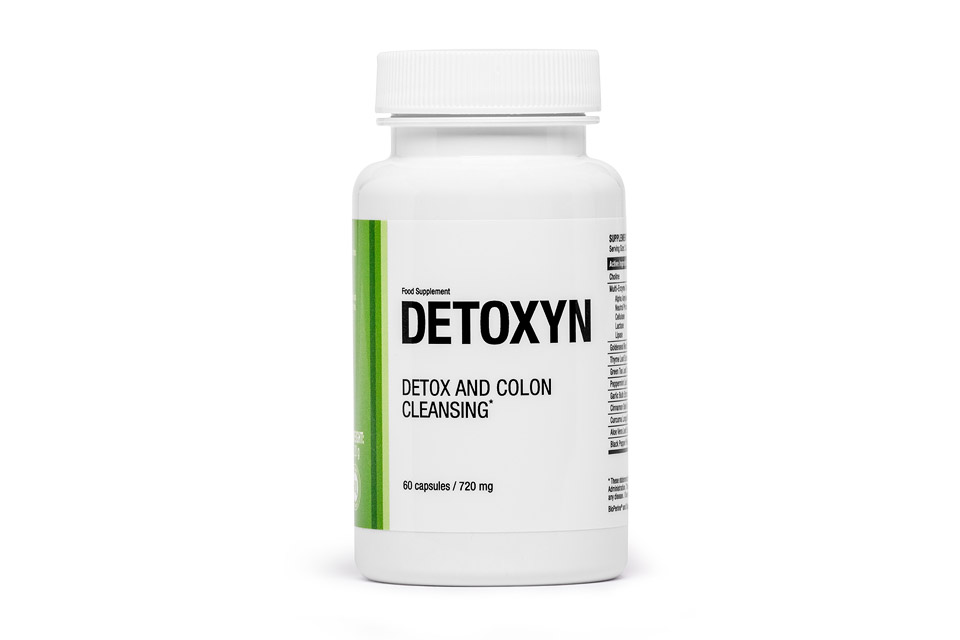
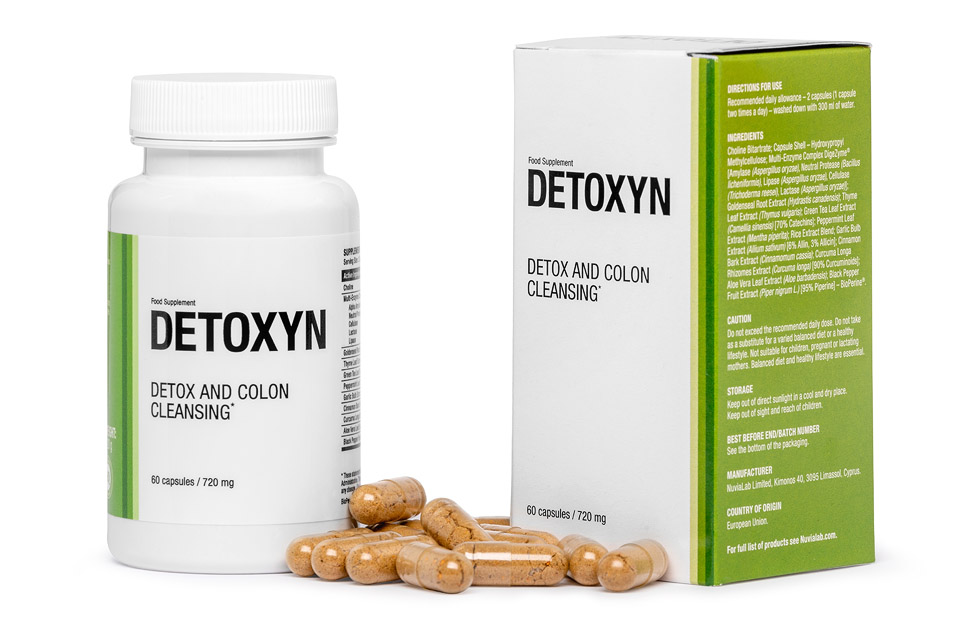
| Enzyme/digestive capsules (e.g. Detoxyn) | Meal-level effects from day one; judged over weeks | Daily use; one bottle = 1 month | On stopping | Daily use as directed; reassess monthly |
| Colonoscopy prep (medical) | 1–3 hours after the prep dose | 1–2 days including the clear-liquid diet | Same day as the procedure | Only when medically scheduled |
What Should I Expect, Day by Day?
For the most common format — a multi-day laxative or osmotic kit — the arc is predictable enough to describe honestly. Day 1: little until the first dose takes hold (6–24 hours depending on agent), then looser, more urgent movements than usual.
Days 2–4 (the peak): multiple bowel movements daily, cramping that tracks with doses, and the phase where most side effects live — headache, fatigue, light-headedness if fluids lag. This is also when the scale drops fastest, for the reasons itemised in our weight-loss accounting. Final days: brands typically taper doses.
Movements stay loose but urgency fades. 2–3 days after: normal eating refills the bowel. Weight and waist return toward baseline; any residual "lightness" is the honest remainder. Two folklore items deserve direct correction.
What "comes out" during a cleanse is the normal content of the bowel plus, in fibre-kit cases, the kit's own gelled fibre — the famous "ropes" are manufactured by the product, not excavated by it (Harvard's review makes exactly this point). And how long after a colonic you "poop" normally again is typically a day or two.
The colon refills on its own schedule, and a brief pause is physiology, not blockage.
How Often Should You Cleanse Your Colon?
The brands disagree with each other because none of them has evidence — frequency advice in this category is marketing set to different risk appetites. The best-known capsule brand advises repeating no more often than every 4–6 weeks.
Multi-day kit brands quietly assume seasonal use; clinic chains selling irrigation series advise monthly sessions, which is the position furthest from medical opinion. Clinicians' framing is different in kind: there is no schedule on which a healthy colon requires emptying, so the question is not "how often should I" but "what would each repetition cost".
Each forceful cleanse costs fluid and electrolyte stability, a day or more of disruption, and — for stimulant agents — a small push toward the dependency pattern described in the safety guide.
Priced that way, the defensible frequency for healthy people is: rarely, for a specific reason (a ritual reset you knowingly choose), separated by months — and never as a standing monthly routine. The exceptions that look like cleanses but are not on this schedule: fibre and fermented foods (food, daily), and enzyme support at meals (a supplement routine, judged monthly.
The maker's own FAQ for Detoxyn frames first effects over a few weeks, matching its enzyme trial's 60-day window rather than a weekend).
The One Timeline Medicine Actually Specifies
It is worth seeing what a cleanse timeline looks like when it is written by people who have to answer for it. Colonoscopy preparation — the single legitimate colon-emptying protocol — runs on a published clock: a clear-liquid diet the day before. The osmotic preparation taken in split doses the evening before and the morning of the procedure.
First bowel movements within 1–3 hours of the first dose. Clear or pale-yellow effluent as the endpoint that tells the team the bowel is ready. The procedure itself the same day; normal eating resumed immediately after. Every element has a reason, a verification (the effluent check), and an end.
Compare that shape with wellness protocols: no verification step (nothing could verify "toxins out"), no endpoint other than the calendar, and sales pressure to repeat.
The prep also teaches the honest numbers people ask about elsewhere: a fully emptied colon is a same-day state, the bowel refills within 24–48 hours of eating, and the 2–6 lb scale swing people report is the measured weight of contents plus fluid.
The same figure wellness brands borrow and re-caption as detoxified waste, a borrowing we itemise in the weight-loss article. If a cleanse timeline cannot tell you what is being timed, it is not a timeline. It is a mood.
How Long Do the Effects Last Afterwards?
Depends which effect. The emptied feeling and flatter stomach: 1–3 days, ending as normal meals refill the bowel — this is the entire physical legacy of any emptying method. The scale drop: the same 1–3 days for the contents component.
Any genuine fat change over a cleanse week comes only from eating less during it, and is usually fractions of a pound. The microbiome: studies of bowel preparation show the gut community is measurably disturbed and largely recovers over roughly two to four weeks — one more reason "monthly cleanses" are not the neutral habit they are sold as.
Digestive comfort from enzyme support: lasts as long as the routine does. It is meal-by-meal assistance, assessed at the 4–8 week mark in the trials that exist, and it stops when you stop. The motivational "reset": real, and potentially the most valuable effect on this list.
A week of ritual can restart better habits, which is an argument for making the ritual out of the fibre, water and movement inputs that actually compound, rather than a purge whose effects evaporate by Thursday.
Matching Duration to Goal: a Sanity Table
If your goal is relief of simple constipation, the timeline question dissolves: a few days of fibre, water and movement, or a single gentle osmotic dose, is the standard self-care arc — and constipation that persists, recurs weekly, or needs repeated products is a medical review, not a longer cleanse.
If your goal is a flatter stomach for an event, know that you are renting 48 hours of emptiness at the price of a purge day. A low-residue, low-gas day of eating achieves much of it more kindly.
If your goal is ongoing digestive comfort, the honest formats are the daily ones — diet inputs, or enzyme support judged over a month. And anything promising it in a weekend is mislabelled.
And if your goal is detoxification, no duration exists, at any length, from any method: the timeline for an undefined event is the category's tell, covered from the top in the evidence overview.
Why Brand Timelines Contradict Each Other
Line up the category's own FAQs and the incoherence is total: one promises effects in 24–48 hours, another needs 6 consecutive days, a third needs 60 days, and a tea needs a fortnight. They are not all lying about the same event — they are timing different events (first loose stool.
End of protocol; a supplement trial's endpoint) while using the same word, "results". The reading skill this teaches generalises across the whole detox shelf: whenever a timeline is quoted, ask "time to what?" Time to first bowel movement is pharmacology. Time to a flatter stomach is emptying.
Time to improved digestive comfort on enzymes is a trial endpoint measured in weeks. And time to "detoxification" is undefined, because the event itself is undefined — which is the short version of our evidence overview.
Practical Protocol Questions
What happens if I skip a day? For multi-day kits, brands typically advise simply resuming — the "6 consecutive days" framing is protocol theatre. Nothing biological resets. Missing a day of an enzyme routine matters even less.
Can I stack a cleanse with other products? Stacking two bowel-active products multiplies the side-effect side of the ledger without adding a benefit — do not. Can I take it with medication? The interaction mechanisms (absorption timing, electrolytes, specific botanicals) are covered in the safety guide — pharmacist first if you take anything regularly.
When in the day? Stimulant agents are usually dosed at night for a morning effect (that is senna's 6–12 hour onset doing the scheduling). Enzymes are taken with meals, as directed — Detoxyn, for example, is 1 capsule twice a day with water.
Frequently Asked Questions
How long does a colon cleanse last?
From one hour (a single irrigation session) to about two weeks (the longest kit protocols). Capsule digestive support is not a "cleanse event" at all — it is a daily routine judged over 2–8 weeks.
How often should you do a colon cleanse?
There is no medically recommended frequency, because there is no medical need. If you choose one anyway: gentle methods only, months apart, never back-to-back, and never as a monthly standing routine.
Does a colon cleanse hurt?
Cramping is common with laxative methods; the pain and emergency red flags are listed in the safety guide. Enzyme and fibre routines should not hurt.
How long does Detoxyn take to show effects?
The maker suggests judging over a few weeks; the trial behind its enzyme complex ran 60 days. One bottle is one month — the natural first judgement point, with the caveat that no money-back guarantee stands behind it.
Last reviewed: October 2026. This article is educational and is not medical advice.
