
- Quick Answer
- Stress vs Anxiety: a Distinction the Category Blurs
- How the Stress System Works (and Where a Supplement Could Even Act)
- The Ingredients, Ranked by Evidence Tier
- Tier 1 — Ashwagandha: the deepest file, with a split personality
- Tier 1 — Magnesium: the deficiency-loop ingredient
- Tier 2 — Rhodiola: real trials, real bias, one negative
- Tier 2 — Saffron: small trials, consistent direction, grown-up cautions
- Tier 2 — L-Theanine: fast, mild, honestly modest
- Tier 3 — Serenzo: one pilot, no placebo, all marketing
- The Second Shelf: GABA, Lemon Balm, B Vitamins and Friends
- How to Run a Fair Four-Week Trial of One Ingredient
- The Formula Dose Audit: Trial Dose vs Shelf Dose
- Which Stress Pattern Are You? Matching, Honestly
- The Non-Supplement Baseline (Where the Big Effects Live)
- Price Reality: What a Studied Month Costs
- Frequently Asked Questions
- What is the best supplement for stress?
- Do stress supplements actually work?
- How long do they take to work?
- Can I combine stress supplements?
- Are they safe with antidepressants?
- Read This Next
Disclosure: This article contains affiliate links. If you buy through them, we may earn a commission at no extra cost to you. It never changes our conclusions.
Quick Answer
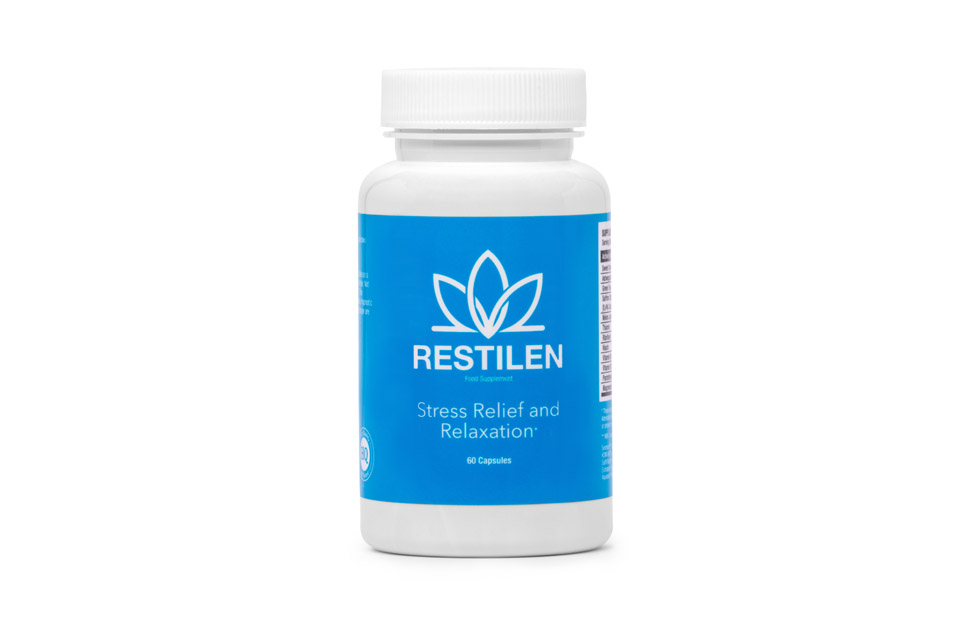
Ranked by the strength of their human evidence for stress:ashwagandhahas the deepest trial base (pooled analyses show reduced stress/anxiety scores, with low certainty and high variability);magnesiumhelps measurably when stress and low magnesium status coincide (the depletion loop is real);rhodiolahas a handful of positive fatigue-under-stress trials, all at meaningful risk of bias, plus one negative trial;saffronhas a small but consistent mood literature at 30 mg/day;L-theanineoffers fast, mild, acute calm with one embarrassing placebo-match in its file; andSerenzo(orange-peel extract) rests on a single unpublished open-label manufacturer pilot. No supplement on this list treats an anxiety or depressive disorder. — if that is the territory, the evidence-based doors are elsewhere, andour safety guideends with the red flags that should route you there. What follows grades each ingredient, prints the studied doses, and then audits what real formulas — including the one this site reviews,Restilen(6.6/10) — actually deliver against them.
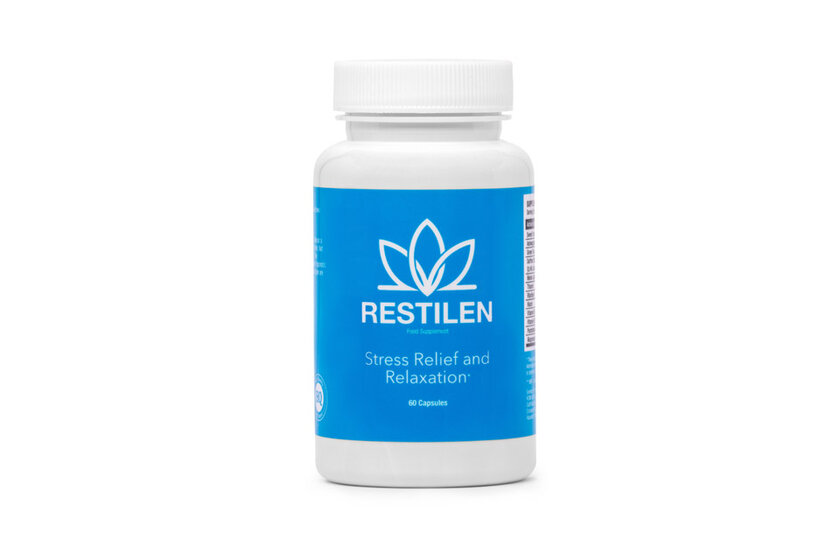
Our Recommendation — Restilen
Score: 6.6/10 · Best for: everyday stress in a healthy adult who wants one fully disclosed formula whose two headline doses — Serenzo™ 500 mg and saffron 30 mg — match their studies exactly. Main caution: its rhodiola (100 mg), magnesium (75 mg) and theanine (about 49 mg) all sit below their studied ranges, and no money-back guarantee is published. Fair trial: judge at four weeks on written stress and sleep scores; at $59.99 a month with no guarantee published, the cost of a flat trial is yours.
Stress vs Anxiety: a Distinction the Category Blurs
Everyday stress is a response — workload, deadlines, poor sleep — in a system working as designed. Anxiety disorders are conditions, diagnosed clinically, with treatments (therapy, medication) whose evidence dwarfs anything in this article. Supplement trials recruit the first group (stressed adults, students, the mildly fatigued) and marketing quotes them at the second. Keep the border in view and the whole category becomes legible: these ingredients are, at best,modulators of the normal stress response— tested on perceived-stress scales and cortisol curves in people without diagnoses. The moment a page implies disorder-level effects, it has left its evidence. Our gradings below are calibrated to the honest claim: "may take the edge off everyday stress, modestly, in some people."
How the Stress System Works (and Where a Supplement Could Even Act)
A two-paragraph physiology lesson disciplines everything after it. The stress response runs on the HPA axis: the hypothalamus signals the pituitary, the pituitary signals the adrenals, and the adrenals release cortisol — a hormone that is neither good nor bad buttimed: it should spike on waking, taper through the day, mobilise energy under genuine demand, and stand down afterwards. Chronic stress degrades the timing — flattened curves, poor stand-down, sleep fragmentation — and the subjective experience follows the curve more than the peak. This is why "lowers cortisol" is an incomplete marketing claim: a morning spike is healthy; an evening stand-down is the prize; and an ingredient that blunted cortisol indiscriminately would be a problem, not a product. Adaptogens (the class covering ashwagandha and rhodiola, treated fully inour adaptogens guide) are hypothesised tonormalisethe curve — raising resilience rather than sedation — which is a more plausible and more modest claim than the shelf usually prints. Magnesium acts downstream (neuromuscular excitability, the depletion loop); theanine acts on the subjective layer within the hour; saffron's proposed route is serotonergic. Different layers, different timescales, different honest expectations — the tiers below are graded inside that map.
The Ingredients, Ranked by Evidence Tier
Tier 1 — Ashwagandha: the deepest file, with a split personality
Pooled across a dozen RCTs (~1,000 participants), ashwagandha reduces anxiety and stress scores versus placebo — and the same literature carries heterogeneity above 90% and low certainty ratings, which is meta-analysis language for "the average hides a mess". The most instructive finding is a pooled split: at doses ≥250 mg/day, cortisol fell measurably (~1.16 µg/dL) whileperceived stress scores did not significantly changein one analysis — the hormone moved, the feeling didn't, reliably. Studied doses: 300–600 mg/day of standardised root extract, typically over 8 weeks. Verdict: the strongest candidate in the category, still modest, and the clearest example that "clinically studied" and "you will feel it" are different sentences. Cautions (pregnancy, thyroid, rare liver reports) are inthe safety guide.
Tier 1 — Magnesium: the deficiency-loop ingredient
Magnesium's stress case is mechanistically tidy: chronic stress and cortisol increase magnesium excretion; low magnesium amplifies stress reactivity; the loop feeds itself. The best trial (Pouteau 2018) randomised 264 stressed adultswith low magnesium statusto 300 mg/day elemental magnesium (with B6 in one arm) and found stress scores improved, more so with B6. A systematic review of 18 studies finds subjective anxiety/stress benefits concentrated where status is low. Translation: magnesium is acorrection, not a boost — powerful if you are in the loop, unremarkable if you are replete. Form matters more than brand: glycinate and citrate absorb well; oxide is poorly absorbed (see the forms table inour comparison article). Studied dose: ~300 mg/day elemental — remember that number when the label audit arrives.
Tier 2 — Rhodiola: real trials, real bias, one negative
Rhodiola's file is the most interesting in the category: positive trials in exactly the right populations (night-duty physicians, students in exam periods, adults with stress-related fatigue at 576 mg/day) — and a systematic-review verdict that only 3 of 5 mental-fatigue trials were positive,allwith high or unclear risk of bias, plus a 2014 trial in nursing students where fatigue worsened versus placebo. NCCIH's position — not enough evidence to conclude it works for anything — is the sober summary. Studied doses 200–600 mg/day, morning. Our dedicated deep-dive:rhodiola for stress.
Tier 2 — Saffron: small trials, consistent direction, grown-up cautions
Saffron's mood literature (meta-analysed by Lopresti & Drummond 2014) shows depressive-symptom scores improving versus placebo across small RCTs at 28–30 mg/day, with small head-to-head trials reporting comparability to low-dose fluoxetine in mild-to-moderate depression — a finding we print with its full context: small, short, single-region trials; an interesting signal, not a treatment alternative. For stress and everyday mood, the dose discipline is exemplary (30 mg is 30 mg in nearly every study) — and Restilen, unusually, matches it exactly. Deep-dive:saffron for mood and stress.
Tier 2 — L-Theanine: fast, mild, honestly modest
The tea amino acid is the category's sprinter: alpha-wave and subjective-calm effects within 30–60 minutes at 100–200 mg, a small trial base for stress symptoms (Hidese 2019: 200 mg/day × 4 weeks improved stress scores and sleep quality in stressed adults), and a safety profile clean enough to be boring. Its file also contains the 2024 AlphaWave RCT, where perceived stress fell ~18% on theanine and ~17.9% on placebo — a result that belongs in every honest theanine article, includingours. Expect a gentle acute effect, not a transformation.
Tier 3 — Serenzo: one pilot, no placebo, all marketing
Serenzo is a sweet-orange peel extract (20% D-limonene) whose entire human evidence is an unpublished, open-label, manufacturer-sponsored pilot study — no placebo group — reporting large improvements (SCL-90-R −53%, HAM-A −50% over 12 weeks in 40 adults,as reported by the manufacturer). An independent database rates its evidence "Preliminary, 1/5" with zero published trials. Those numbers may reflect a real effect inflated by design, or mostly design; the literature cannot tell. We gave it its own audit article —Serenzo, examined— because a category leader-by-marketing deserves a full page of daylight.
The Second Shelf: GABA, Lemon Balm, B Vitamins and Friends
Below the graded six sits the category's supporting cast, and honesty requires pricing them too.GABA supplements:popular, calming in user reports, and pharmacologically awkward — oral GABA's access to the brain is contested, and its trial base for stress is thin and largely industry-run; any effect may be peripheral or expectancy.Lemon balm:a traditional calmative with a handful of small trials for anxiety-adjacent outcomes; plausible, preliminary, rarely the strongest line on a label.B-complex vitamins:corrective where deficient (the depletion theme again) — Restilen includes B6, B12, niacin, thiamine, riboflavin and pantothenic acid at sensible nutritional doses; in a replete adult they are insurance, not intervention, with B6's upper limit (12 mg/day EFSA) the one number to watch across a whole supplement stack.Extramel®(melon superoxide-dismutase concentrate, in Restilen at 10 mg): an antioxidant ingredient with a small, manufacturer-linked stress/fatigue literature — Tier 3 company. None of these is a reason to buy or reject a formula; all of them are reasons the front-of-label names (the graded six) must carry the evidence, because the supporting cast cannot.
How to Run a Fair Four-Week Trial of One Ingredient
If you experiment, steal the trialists' discipline. Pickoneingredient at itsstudied dose(the audit table's left column) — not a blend, whose mathematics you cannot attribute. Write down a 1–10 score for your two main stress symptoms, plus sleep quality,beforestarting; expectancy inflates memory, and paper does not flatter. Hold caffeine, alcohol and sleep schedule as steady as the month allows. Score weekly, same day, same time. At week 4 (week 8 for ashwagandha and saffron), compare against baseline with a sceptic's discount: a one-point drift is noise and placebo's home territory; a sustained two-point improvement across the last two weeks is a result worth renewing. This protocol is why we are relaxed about recommending experimentation to healthy adults — it converts a subscription into a measurement, and it is the same standard we applied when scoringRestilen: a half-dose formula can still win a fair trial for a given person, but it should have to.
The Formula Dose Audit: Trial Dose vs Shelf Dose
| Ingredient | Studied dose | Restilen (per daily serving) | Match? |
|---|---|---|---|
| Serenzo™ | ~500 mg/day (manufacturer pilot) | 500 mg | Exact match — to a weak study |
| Saffron (Saffr'Activ®) | 28–30 mg/day | 30 mg | Exact match |
| Rhodiola (Rhodiolife®) | 200–600 mg/day | 100 mg | Below range |
| Magnesium (Aquamin™) | ~300 mg/day elemental (in low-status adults) | 75 mg | Quarter dose |
| L-Theanine (via green-tea extract) | 100–200 mg per dose | 50 mg extract (~49 mg theanine) | Half or less of the studied range |
| Ashwagandha | 300–600 mg/day | Not included | — |
This table is the article's centre of gravity, because it demonstrates the skill the whole category hopes you never learn: a formula can list the rightnameswhile dosing a different intervention. Restilen — which we score 6.6/10, the highest of this wave's products — is genuinely better than most: two exact dose matches, a branded-ingredient label with every amount printed, and no proprietary blend. It is also, on its own label, a half-strength rhodiola product and a quarter-strength magnesium product wearing a full-strength ingredient list. At $59.99 a month with no money-back guarantee, that arithmeticisthe review; the rest is commentary. (The full audit is inour Restilen review.)
Which Stress Pattern Are You? Matching, Honestly
Wired and exhausted (fatigue-dominant stress):rhodiola's trial populations look like you — morning dosing, 200+ mg of a standardised extract, judged at 2–4 weeks.Stressed and sleeping badly:theanine in the evening and magnesium (glycinate, at real doses) have the most relevant, if modest, data; ashwagandha's evening profile also fits.Low mood shading your stress:saffron at 30 mg is the only ingredient here with a mood-specific trial literature — and the only one where we add, in the same breath, that persistent low mood deserves a clinician, per the safety guide's closing section.Acute, situational stress (presentations, exams):theanine's 30–60 minute onset is the category's only honest acute tool.Stressed with a poor diet and worse sleep:you are magnesium's depletion loop and the lifestyle section below; no capsule outranks the inputs.
The Non-Supplement Baseline (Where the Big Effects Live)
Every honest version of this article must print the comparison the category avoids: exercise, sleep regularity, daylight, workload design and caffeine timing each carry stress-effect sizes that the supplement literature cannot match, and the trials of several ingredients above quietly depend on them (stressed students sleep badly; night-duty physicians are a sleep intervention waiting to happen). The supplement question is legitimateafterthe baseline — as the marginal 10%, not the foundation. If your stress is structural (the job, the debt, the caregiving load), the most respectful sentence in this article is that a capsule audit is not the intervention you need, and the red-flag list inthe safety guideis written for exactly the reader who recognises themselves there.
Price Reality: What a Studied Month Costs
Value in this category is dose-adjusted or it is fiction
A single-ingredient ashwagandha at 600 mg/day of a studied extract typically costs less per month than premium blends delivering a quarter of several studied doses; magnesium glycinate at a full 300 mg elemental is one of the cheapest interventions in this entire article; saffron at an honest 30 mg is genuinely costly as a raw material (it is the world's most expensive spice for a reason), which makes too-cheap "saffron" products a quality question rather than a bargain
Restilen at $59.99 sits at the premium end: you are paying for branded ingredients, full label disclosure and two exact dose matches — and also for sub-trial doses of rhodiola, magnesium and theanine, with no money-back guarantee if your fair trial comes back flat. Whether that trade is worth it is precisely the judgement our 6.6/10 encodes
Across the category, the rule holds: divide the price by the fraction of a studied dose delivered, and the "expensive" and "cheap" products frequently swap places.
Our Recommendation — Restilen
Score: 6.6/10 · Best for: everyday stress in a healthy adult who wants one fully disclosed formula whose two headline doses — Serenzo™ 500 mg and saffron 30 mg — match their studies exactly. Main caution: its rhodiola (100 mg), magnesium (75 mg) and theanine (about 49 mg) all sit below their studied ranges, and no money-back guarantee is published. Fair trial: judge at four weeks on written stress and sleep scores; at $59.99 a month with no guarantee published, the cost of a flat trial is yours.
Frequently Asked Questions
What is the best supplement for stress?
By evidence depth: ashwagandha (300–600 mg standardised extract) and magnesium (if your status is low) lead; rhodiola and saffron follow with smaller, bias-flagged literatures; theanine for acute calm; Serenzo is marketing-led. "Best" also depends on your pattern — see the matching section.
Do stress supplements actually work?
Modestly, on average, in stressed-but-healthy adults — with wide variability and several honesty caveats (bias, heterogeneity, placebo-matching) that this article prints rather than hides. They do not treat anxiety or depressive disorders.
How long do they take to work?
Theanine: under an hour, mildly. Rhodiola: 1–4 weeks in its trials. Ashwagandha and saffron: 4–8 weeks. Full timelines are inour adaptogens guide.
Can I combine stress supplements?
Combinations are untested as combinations. Formulas like Restilen combine sub-trial doses of several ingredients (see the audit table) — a different bet than one ingredient at its studied dose. Interaction basics are inthe safety guide.
Are they safe with antidepressants?
Not automatically: a systematic review found adaptogens involved in ~9% of adverse-event reports alongside antidepressants, and saffron carries a theoretical serotonergic caution. Prescribed medication changes the conversation to one with your prescriber — full table in the safety guide.
Last reviewed: October 2026. This article is educational and is not medical advice.
