
- Quick Answer
- How to Read the Grades
- Ashwagandha — Grade: Low–Moderate (the category's best)
- Fenugreek — Grade: Low (small effect in middle-aged men)
- D-Aspartic Acid — Grade: Evidence Against (in the men who buy it)
- Tribulus Terrestris — Grade: Evidence Against (for testosterone)
- Maca — Grade: Evidence Against (for testosterone); Positive for Desire
- Korean Ginseng — Grade: Very Low (for testosterone)
- The Deficiency Trio — Zinc, Magnesium, Vitamin D: Grade "Restores, Doesn't Boost"
- The Rest of a Typical Label, Rapid-Fire
- Tongkat Ali (Longjack) — Grade: Low, and Handle With Care
- The Funding Map: Who Paid for This Literature?
- How These Trials Get Misread: Four Recurring Moves
- The Master Table
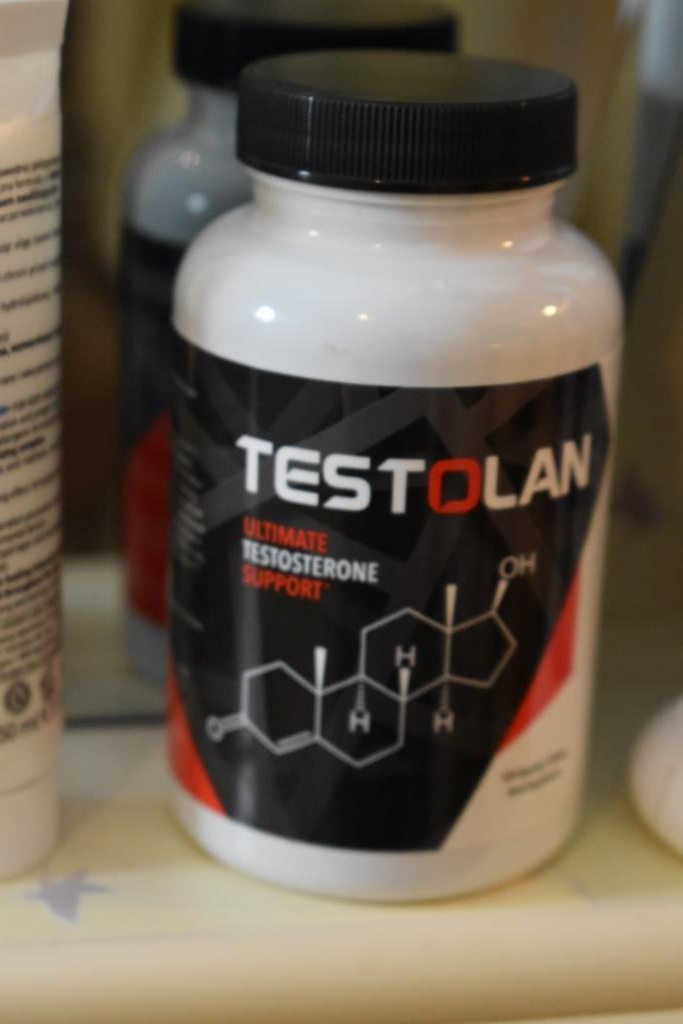
- Worked Example: Reading Testolan's Panel With This Article Open
- A Stronger Alternative in This Category
- Frequently Asked Questions
- Which testosterone booster ingredient has the best evidence?
- Does fenugreek really raise testosterone?
- Why is D-aspartic acid still in products if the trials are null?
- Is tribulus a natural steroid?
- Should I take the ingredients separately instead of a blend?
- Read This Next
Disclosure: This article contains affiliate links. If you buy through them, we may earn a commission at no extra cost to you. It never changes our conclusions.
Quick Answer
Of the ingredients that fill testosterone boosters, exactly two have human trials showing a testosterone rise — ashwagandha and fenugreek — and both effects are small, confined to specific populations (older, overweight or stressed men), and produced by specific commercial extracts at specific doses in largely industry-linked trials.
D-Aspartic acid has one famous positive outlier and a stack of nulls, including a trial where it lowered testosterone. Tribulus and maca have good human evidence of no testosterone effect. Zinc, magnesium and vitamin D restore testosterone only when you are deficient in them.
Everything else on a typical label — including several ingredients in the product this site reviews, Testolan — is untested, animal-only, or present at a fraction of any studied dose. This article grades each ingredient on the same standard: named human trials, doses, populations, absolute results.
Our Recommendation — Testolan
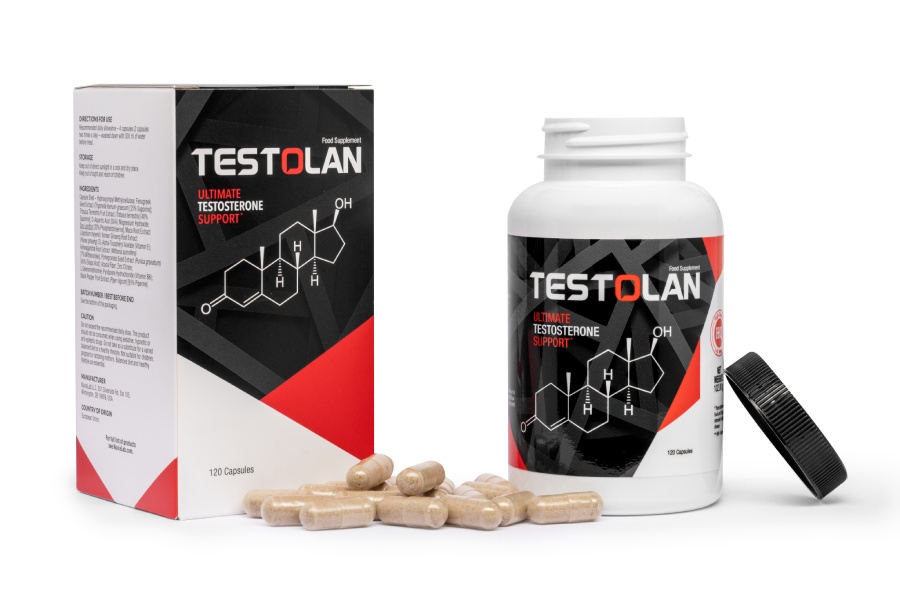
Score: 6.0/10 · Best for: men who want a testosterone-support formula whose maker publishes every amount — all 14 ingredients, from fenugreek 400 mg to zinc 15 mg — so the label can be audited line by line. Main caution: the two ingredients with real human data are under-dosed against their trials (generic fenugreek 400 mg, not Testofen at 600 mg; ashwagandha 133 mg against 240–600 mg studied), D-aspartic acid, tribulus and maca have null testosterone evidence at any dose, and no money-back guarantee is published. Fair trial: 8–12 weeks at the label dose of 4 capsules a day — one bottle is $54.99 plus $12 shipping (three bottles $109.98) — judged by a repeat morning blood test, with none of the spend refundable.
How to Read the Grades
Each ingredient gets a grade for one narrow question — does it raise testosterone in humans? — because that is the claim on the bottle. An ingredient can be worthless for testosterone and fine for something else (maca and libido. Ashwagandha and stress), and we say so where the evidence does. Grades: Moderate = multiple human trials, consistent direction, meaningful size.
Low = human trials exist, effects small or inconsistent or industry-bound. Very low / none = animal data, single outliers, or untested. Evidence against = human trials that looked properly and found nothing (or the opposite). The category verdict article — do testosterone boosters actually work? — applies these grades to whole products, including the label-dose audit of Testolan.
Ashwagandha — Grade: Low–Moderate (the category's best)
The trials. Lopresti, Smith & Drummond (2019) ran the design this category rarely manages — randomised, double-blind, crossover — in 57 overweight men aged 40–70 with mild fatigue: a Shoden extract standardised to 21 mg withanolide glycosides daily for 8 weeks raised salivary testosterone 14.7% more than placebo (p=.010) and DHEA-S 18% (p=.005).
Wankhede (2015) gave KSM-66, 600 mg/day, to 57 untrained men aged 18–50 beginning resistance training: testosterone rose about 96 ng/dL versus 18 on placebo, alongside strength and muscle gains from the training itself. The limits. The best trial's symptom scores — fatigue, vigour, well-being — did not separate from placebo: the hormone moved more than the man felt.
A stressed-adult trial (Lopresti 2019, Medicine) improved cortisol and anxiety with no significant testosterone difference, and a Sensoril trial in active men found no testosterone change at all. The positive trials are extract-specific (Shoden, KSM-66) and supplier-linked.
The likely mechanism is indirect: cortisol reduction in stressed men removes a brake on the axis — which predicts, correctly, that unstressed young men see least. Dose that was studied: KSM-66 600 mg/day. Shoden 240 mg/day (21 mg glycosides). Typical booster labels, Testolan's 133 mg included, sit well below both.
Fenugreek — Grade: Low (small effect in middle-aged men)
The trials. The evidence is essentially one extract's programme: Testofen, a standardised fenugreek seed extract from Gencor. Rao (2016): 120 men aged 43–70, 600 mg/day, 12 weeks — total testosterone +12.4% (about +44 ng/dL, the programme's largest rise) and calculated free testosterone +9.5% versus placebo, with sexual-function scores also improving.
Rao (2020): 138 men aged 25–47 during calisthenics training — the 600 mg arm rose +7.6% in total testosterone. 300 mg did nothing. Free testosterone unchanged in all arms. Steels (2011) found libido improvements more consistent than hormone changes. Across ~9 trials and ~700 men, roughly half show a total-T rise.
The mechanism claim is enzyme modulation — slowing conversion of testosterone to DHT or oestrogen — which would raise measured testosterone without raising production. Plausible, not proven. The limits: one commercial extract, one research group recurring, effects inside the normal range, younger men responding least. Studied dose: 600 mg/day of Testofen specifically.
A generic "fenugreek 400 mg" (Testolan's line) is a different, unstudied preparation at two-thirds of the dose.
D-Aspartic Acid — Grade: Evidence Against (in the men who buy it)
The famous trial. Topo (2009): 23 healthy sedentary men aged 27–37, 3.12 g/day of sodium D-aspartate, twelve days — testosterone +42%, LH +33%. It remains the most-quoted number in the category. The sequels nobody quotes. Willoughby & Leutholtz (2013): 20 resistance-trained men, 3 g/day, 28 days — no change in testosterone, LH, strength or composition.
Melville (2015): 24 trained men, 14 days — 3 g/day no effect. 6 g/day decreased total testosterone 12.5% and free testosterone 15.4%. Melville (2017): 6 g/day for 12 weeks of training — nothing. A study in male climbers: nothing.
The interpretation that fits all five: in untrained men with lower activity, a short pulse may transiently raise levels (or the 2009 result is a small-sample fluctuation) In trained men the axis defends its set point, and high doses may actively down-regulate it, as Melville's group hypothesised.
Studied doses: 3–6 g/day — against which the 400 mg in a typical capsule formula (Testolan's panel) is not a dose but a garnish: an eighth of the amount that failed. DAA is the clearest case in this article of an ingredient whose label presence is pure archaeology — included because a 2009 abstract once made it famous.
Tribulus Terrestris — Grade: Evidence Against (for testosterone)
The animal fame. Tribulus raises testosterone and sexual behaviour in rats, rabbits and primates — repeatedly, genuinely. If humans were large rodents, this section would read differently. The human record. Neychev & Mitev (2005): young men aged 20–36 at 10 or 20 mg/kg/day for four weeks — no change in testosterone, androstenedione or LH at any measurement point.
Rogerson (2007): 22 elite rugby league players, 450 mg/day across a five-week preseason — no difference from placebo in strength, fat-free mass or testosterone, and urinary testosterone ratios stayed within anti-doping limits (a quietly important negative: a real androgen would have moved them).
Kamenov (2017): 180 men, 1,500 mg/day of Tribestan (a standardised Bulgarian extract) for 12 weeks — erectile-function scores improved significantly with no testosterone change, a result that may indicate a nitric-oxide or other non-hormonal route (and was manufacturer-supported). Reviews (Qureshi 2014 and successors) conclude there is no reliable evidence tribulus raises testosterone in humans. Safety note: generally tolerated.
Gastrointestinal upset is the common complaint. Isolated kidney and liver case reports exist at high doses (tracked by LiverTox). Studied doses: 450–1,500 mg/day — Testolan's 400 mg sits just below even the lowest of them, for an ingredient that does not do what the label implies at any of them.
Maca — Grade: Evidence Against (for testosterone); Positive for Desire
The trials. Gonzales (2002): 12 weeks, men 21–56, gelatinised maca 1,500 or 3,000 mg/day — sexual desire improved from week 8, while serum testosterone and estradiol were indistinguishable from placebo, and the statistics showed the desire effect was independent of hormones and of mood scores.
Gonzales (2003) repeated the hormone panel — LH, FSH, prolactin, testosterone, estradiol — and found no effect on any of them.
Interpretation: maca is the control case that proves this article's method: an ingredient can genuinely do something buyers want (desire) through a route that has nothing to do with testosterone, and two decades of booster marketing have nonetheless filed it under "T support".
Studied doses: 1,500–3,000 mg/day — ten to fifteen times the 200 mg in Testolan's panel, a gap that makes even the honest libido claim inapplicable to that product. If maca interests you, it belongs in a libido conversation at gram doses, not in a testosterone formula at sprinkle doses.
Korean Ginseng — Grade: Very Low (for testosterone)
Panax ginseng carries a long traditional reputation and a modest modern literature concentrated on erectile function and fatigue, where some trials and meta-analyses find small benefits.
For testosterone specifically, the human evidence is thin and inconsistent — small studies, mixed results, no replication of a meaningful rise — while the animal literature (where effects are easier to find) does the marketing's heavy lifting. Testolan includes 200 mg. No trial establishes a testosterone effect at that dose or any other.
Grade it as a traditional ingredient with an erectile-function research thread, present in boosters by association rather than by data.
The Deficiency Trio — Zinc, Magnesium, Vitamin D: Grade "Restores, Doesn't Boost"
These three obey a different law, and grading them on the booster scale requires the distinction this whole article exists to teach. Zinc: deficiency suppresses testosterone production — in classic experiments, induced zinc deficiency in young men dropped testosterone dramatically, and repletion restored it. In already-replete men, extra zinc adds nothing and excess intake depletes copper.
Fifteen milligrams (Testolan's dose) is a full daily value — sensible insurance for men with poor diets, not a boost. Magnesium: observational work links magnesium status with testosterone, particularly in exercising men, and one trial in taekwondo athletes is often cited for a small rise. The evidence is thinner than the association suggests.
Vitamin D: the one solid trial (3,332 IU/day for twelve months) raised testosterone about 25% — in men selected for vitamin D deficiency. Trials in replete men do not reproduce it. B6 and selenium (both on Testolan's panel) follow the same pattern at lower stakes: necessary for normal endocrine function, corrective only when missing.
The trio's honest label claim would be "prevents a deficiency from lowering your testosterone" — true, useful, and unmarketable, which is why you will never see it printed.
The Rest of a Typical Label, Rapid-Fire
Pomegranate extract (Testolan, 133 mg): antioxidant-rich, with cardiovascular research threads. Testosterone evidence is a small exercise-context literature that does not establish a hormonal effect at this dose. Grade: insufficient. Phosphatidylserine (60 mg): studied for exercise-induced cortisol blunting at several times this dose. A blunted cortisol spike is not a testosterone rise, and no trial shows one. Grade: insufficient, mechanism-adjacent.
Black pepper extract / BioPerine (2 mg): an absorption enhancer — it raises blood levels of other compounds, which is a formulation tool, not an active. Note it also raises absorption of medications, a safety-guide topic. Vitamin E (48 mg): antioxidant. No testosterone evidence at supplemental doses.
The pattern across this rapid-fire list is the category's signature: a typical formula contains two ingredients with real (small) hormone data, three with null data, and a tail of passengers whose function is to lengthen the label. When Clemesha's audit found most booster ingredients had never been studied for testosterone at all, this tail is what it was counting.
Tongkat Ali (Longjack) — Grade: Low, and Handle With Care
Eurycoma longifolia appears in so many booster discussions that omitting it would leave a hole competitors fill with a single famous percentage ("+37% free testosterone in 4 weeks" circulates widely, detached from its small, specific source population of stressed, late-middle-aged men with low levels).
The careful summary: several small trials of standardised root extracts (typically 200–400 mg/day) in men with low or low-normal testosterone, or under stress, report modest rises and improved stress-hormone profiles. The trials are small, short, frequently industry-linked, and concentrated in the population this article keeps identifying as the only responsive one.
Independent replication at scale does not exist, product quality varies notoriously (the ingredient has an adulteration history), and it is not an ingredient in the product this site reviews — so we grade it low, note it as the category's second-most-interesting research thread after ashwagandha, and decline to repeat percentages we cannot tie to a checkable primary source.
If a page quotes you the 37% without the population, it has told you which genre it belongs to.
The Funding Map: Who Paid for This Literature?
Read the five main ingredients' trials as a funding map and a pattern emerges that no ingredient section can show alone. Testofen's programme is the manufacturer's (Gencor). Shoden's key trial is the extract supplier's (Arjuna). KSM-66's programme is its maker's (Ixoreal). The IGOB131 story in our African mango review is the patent holder's.
Industry funding does not fabricate data — these are mostly real, published, peer-reviewed trials — but it reliably shapes the literature's edges: which questions get asked (hormone levels, not hard outcomes), which populations get chosen (the most responsive), which results get published (the positive ones), and which follow-ups never happen (independent replications, long-term safety).
The two most independent assessments in this whole field — Clemesha's audit and Balasubramanian's — are also the two most deflating, and that is not a coincidence. It is what "independent" means. A reader's rule follows: discount any ingredient whose entire evidence base shares one funder, and upgrade any result an unfriendly laboratory reproduced.
By that rule, this category's grades above are, if anything, generous.
How These Trials Get Misread: Four Recurring Moves
Move 1 — percentage without base. Covered in the category article: +42% of a low number, for 12 days, is a different fact than +42% sounds. Move 2 — animal substitution. Tribulus's rat data and countless cell studies are quoted in a human voice. Balasubramanian counted 81% of the category's citation base as non-human. Move 3 — symptom substitution.
A libido improvement (maca, tribulus, fenugreek all have some) is narrated as a testosterone improvement, although the trials that measured both found them independent. Move 4 — TRT borrowing. Effects of prescription testosterone in deficient men — muscle, bone, mood — are described in booster articles with a concessive clause doing all the honest work ("although boosters may not produce these effects").
Each move is visible once named. Together they manufacture the impression of a robust literature from a few dozen small trials, most of which, read plainly, say less than their citations claim. The antidote is the discipline of this page: every claim with its trial, dose, population and funder attached — or labelled as missing them.
The Master Table
| Ingredient | Grade for raising T | Studied dose | Testolan's dose | One-line verdict |
|---|---|---|---|---|
| Ashwagandha (KSM-66 / Shoden) | Low–moderate | 240–600 mg/day | 133 mg | Best of the category; small, stressed/older populations; under-dosed here |
| Fenugreek (Testofen) | Low | 600 mg/day | 400 mg (generic) | Small rise in middle-aged men; wrong extract, lower dose here |
| D-Aspartic acid | Evidence against | 3–6 g/day (null/harm) | 400 mg | Famous outlier; trained-men trials null; high dose lowered T |
| Tribulus | Evidence against | 450–1,500 mg/day (null) | 400 mg | Animal fame, human nulls; possible non-hormonal libido effect |
| Maca | Evidence against (T); positive (desire) | 1,500–3,000 mg/day | 200 mg | Libido without hormones; label dose a tenth of studied |
| Korean ginseng | Very low | — | 200 mg | Erectile-function research thread; no T evidence |
| Zinc / Mg / Vit D | Restores if deficient | Deficiency-guided | Zn 15 mg; Mg 112.5 mg | Insurance, not elevation; test before supplementing |
Worked Example: Reading Testolan's Panel With This Article Open
Apply the grades to the actual label of the product this site reviews (amounts as published in the maker's store. The maker's sales page lists a slightly different ingredient set — including ginger in place of some entries — which is itself a finding we record in our review).
Fenugreek 400 mg: real ingredient, wrong preparation (not stated to be Testofen), two-thirds of the studied dose → expect, at most, a fraction of a small effect. Tribulus 400 mg: near the studied range of an ingredient with human nulls → expect nothing hormonal. D-aspartic acid 400 mg: one-eighth of the dose that failed in trained men → decorative.
Maca 200 mg: one-tenth of the dose that improved desire without hormones → decorative even for its honest use. Ashwagandha 133 mg: the label's most credible active, at roughly a quarter to a fifth of studied extract doses → the direction is right, the magnitude is not. Korean ginseng 200 mg, pomegranate 133 mg, phosphatidylserine 60 mg: insufficient-evidence passengers.
Zinc 15 mg, magnesium 112.5 mg, B6 11.2 mg, selenium 100 µg, vitamin E 48 mg: legitimate nutritional insurance (with B6 near the EFSA upper limit of 12 mg/day — worth knowing if you take other B6 sources), corrective only in deficiency.
Tally it and the formula's shape explains its score (6.0/10): a recognisable greatest-hits list in which the two ingredients with real data are under-dosed, the nulls are faithfully included, and the nutrients quietly do whatever real work gets done. That is not a scandal.
It is the category median, printed in full — which is more transparency than most competitors offer, and exactly why the label-dose audit belongs beside every ingredient claim you ever read.
For the full audit — every published amount checked against its trial dose — see our Testolan review.
A Stronger Alternative in This Category
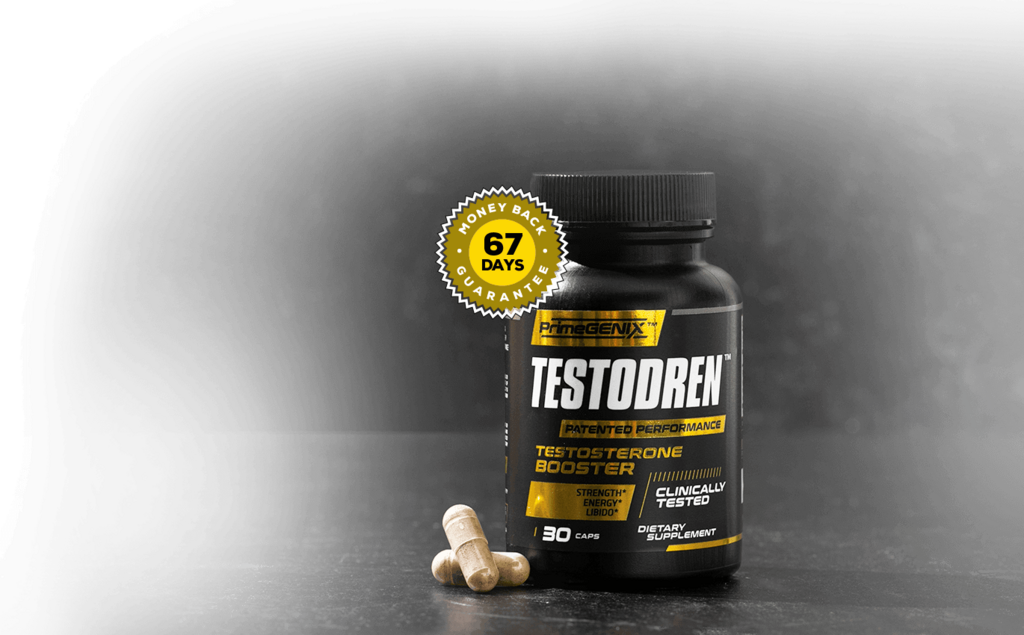
The stronger alternative: Testodren · 8.5/10One ingredient at a published 500 mg dose, with human studies behind the ingredient itself: Testodren is the testosterone formula we score highest in this catalogue.
Our Recommendation — Testolan
Score: 6.0/10 · Best for: men who want a testosterone-support formula whose maker publishes every amount — all 14 ingredients, from fenugreek 400 mg to zinc 15 mg — so the label can be audited line by line. Main caution: the two ingredients with real human data are under-dosed against their trials (generic fenugreek 400 mg, not Testofen at 600 mg; ashwagandha 133 mg against 240–600 mg studied), D-aspartic acid, tribulus and maca have null testosterone evidence at any dose, and no money-back guarantee is published. Fair trial: 8–12 weeks at the label dose of 4 capsules a day — one bottle is $54.99 plus $12 shipping (three bottles $109.98) — judged by a repeat morning blood test, with none of the spend refundable.
Frequently Asked Questions
Which testosterone booster ingredient has the best evidence?
Ashwagandha — specifically the studied extracts (KSM-66 600 mg/day, Shoden at 21 mg withanolide glycosides) in stressed, overweight or older men. Even there, effects are small and symptom translation is inconsistent.
Does fenugreek really raise testosterone?
One extract (Testofen, 600 mg/day) shows small rises (up to ~+44 ng/dL) in middle-aged men across several industry-linked trials. Generic fenugreek at lower doses is unstudied.
Why is D-aspartic acid still in products if the trials are null?
Because its 2009 outlier (+42%, 12 days, sedentary men) is the most marketable number in the category, and labels are under no obligation to cite the four null follow-ups.
Is tribulus a natural steroid?
No. It does not raise testosterone in humans, does not move anti-doping ratios, and its steroidal-saponin chemistry is a plant defence system, not an anabolic agent.
Should I take the ingredients separately instead of a blend?
If you experiment at all, yes: single defined extracts at trial doses are the only way to replicate a study or learn anything from the attempt. The worked product example — and why blends fail this test — is in the category verdict.
Last reviewed: November 2026. This article is educational and is not medical advice.
