
- Quick Answer
- Risks by Ingredient
- What the Trials' Own Side-Effect Reports Look Like
- The Prostate Question, Handled Carefully
- Why "FDA" on a Label Doesn't Mean What You Think
- The Adulteration Problem: the Risk That Isn't on the Label
- Will a Booster Suppress My Own Testosterone?
- Interactions: Medications and Conditions
- Who Should Avoid This Category
- Reading a Product Like a Safety Officer
- Myth vs Fact, Rapid Fire
- If Something Goes Wrong: Red Flags and First Moves
- Frequently Asked Questions
- Are testosterone boosters safe?
- Can boosters damage the liver?
- Do boosters shrink testicles or cause infertility?
- Can I take a booster with my medication?
- Are boosters safe for young men?
- Read This Next
Disclosure: This article contains affiliate links. If you buy through them, we may earn a commission at no extra cost to you. It never changes our conclusions.
Quick Answer
The named botanical ingredients in testosterone boosters, at studied doses, have a fairly mild short-term record — the trials report few serious problems. But the category as sold carries three risks the trials cannot reassure you about.
First, adulteration: regulators repeatedly find "male enhancement" and muscle products spiked with undeclared anabolic steroids, SARMs and drug ingredients — the single largest safety fact in this category. Second, specific ingredients have specific files: ashwagandha has liver-injury case reports and thyroid cautions. High-dose DAA lowered testosterone in a trial. Tribulus has isolated kidney/liver case reports.
And multi-ingredient formulas import interaction surfaces (including absorption enhancers like BioPerine) that nobody has tested as combinations. Third, the diagnostic risk: self-treating "low T" symptoms with boosters delays the blood test that sorts real hypogonadism, sleep apnoea and other causes. Safety here is a property of the specific product and buyer, not of the word "natural".
Risks by Ingredient
| Ingredient | Documented concerns | Level |
|---|---|---|
| Ashwagandha | Rare liver-injury case reports (cholestatic pattern, tracked by LiverTox); may increase thyroid hormone levels — caution in thyroid disease/medication; sedative potential; traditionally avoided in pregnancy | Low, with named exceptions |
| Fenugreek | GI upset; legume-family allergy (peanut/chickpea cross-reactivity possible); may potentiate diabetes medication (glucose effects) and affects some drug absorption; maple-syrup body odour is a harmless tell | Low |
| D-Aspartic acid | At 6 g/day in a trial: testosterone DECREASED 12.5% — a paradoxical harm to the product's own purpose; long-term high-dose safety unstudied | Low for harm; notable for futility |
| Tribulus | GI upset most common; isolated kidney and liver case reports at high doses (LiverTox); animal toxicity at very high doses | Low |
| Maca | Generally well tolerated at studied 1.5–3 g doses; mild GI effects; thyroid caution is theoretical (goitrogens, raw preparations) | Low |
| Zinc (excess) | Chronic high intake depletes copper, impairs immunity; nausea at single high doses | Dose-dependent |
| Vitamin B6 (chronic high dose) | Peripheral neuropathy at sustained high intakes — the EFSA upper limit is 12 mg/day; Testolan alone provides 11.2 mg, before diet and any other supplements | Watch total intake |
| BioPerine (black pepper extract) | Increases absorption of co-ingested compounds — by design; that includes medications | Interaction caution |
What the Trials' Own Side-Effect Reports Look Like
Before the structural risks, the ordinary ones deserve their paragraph, because they are what most users will actually meet. Across the graded ingredients' trials, reported adverse effects are sparse and mostly mild: gastrointestinal upset leads (fenugreek and tribulus both), followed by headache in occasional participants and — for ashwagandha — occasional drowsiness consistent with its calming profile.
Fenugreek adds two harmless-but-distinctive effects worth knowing so they do not alarm: a maple-syrup smell to sweat and urine, and, for the legume-allergic, genuine allergy risk. Maca's trials report good tolerability almost to the point of boredom. Two cautions about reading this reassurance correctly.
First, trial populations are screened — men with liver, kidney, thyroid and psychiatric complexity are excluded — so "well tolerated" applies to healthy men, and this article's who-should-avoid section exists for everyone else. Second, trial durations are 4–12 weeks.
A side effect with a six-month fuse is invisible to this entire literature, which is why the case reports (ashwagandha's liver file accumulated exactly that way, one patient at a time) carry weight out of proportion to their number.
The Prostate Question, Handled Carefully
Because testosterone and prostate growth are linked in the public mind, the question deserves precision rather than either panic or dismissal. The modern clinical picture: prostate tissue is sensitive to androgens, and men with prostate cancer on androgen-deprivation therapy are a world apart from supplement users.
For prescription TRT itself, current evidence and guidelines do not show it causing prostate cancer, with monitoring (PSA) as the standard companion. For boosters, the chain of concern would require the product to raise androgens meaningfully — which the efficacy literature says they mostly do not (see the category verdict).
The prudent position follows from the uncertainty rather than from evidence of harm: men with diagnosed prostate disease, a strong family history, or a rising PSA should treat anything marketed as hormone-active as a clinician conversation, and every man over 40 experimenting in this category should have a PSA on record.
Not because boosters are proven dangerous to the prostate, but because "hormone product, unmonitored, in the prostate decades" is a combination nobody should assemble by accident.
Why "FDA" on a Label Doesn't Mean What You Think
The regulatory architecture explains most of this article, so it earns a section. Under the US dietary-supplement framework (DSHEA), supplements are not approved for efficacy or safety before sale. The manufacturer is responsible for safety, and the FDA acts after the fact against products shown to be adulterated or dangerous.
Facilities register and follow manufacturing rules (cGMP) — which govern hygiene and consistency, not whether the ingredient works or whether the dose is sane. So "made in an FDA-registered facility" (a phrase engineered to be misread as approval) certifies the building, not the claim. The tainted-products database is the same agency playing catch-up in public.
And the practical burden of evaluation lands, by design, on the buyer — which is to say, on checklists like the one in this article and independent grading like our product reviews. European rules differ in detail (food-supplement notification, stricter claim authorisation) but share the essential feature: nobody pre-approves the promise on the bottle.
Knowing this converts "are boosters safe?" from a question about a category into what it always was — a question about a specific product, from a specific seller, taken by a specific person.
The Adulteration Problem: the Risk That Isn't on the Label
The FDA maintains a public database of tainted products marketed as dietary supplements, and the "male enhancement" and bodybuilding shelves are its most reliable contributors: products found to contain undeclared sildenafil analogues, anabolic steroids, SARMs and stimulants — real drugs, at uncontrolled doses, in bottles labelled as herbs.
This matters for testosterone boosters specifically because the category sits adjacent to that shelf, shares its supply chains and its customer promise, and — unlike prescription drugs — reaches market with no pre-market approval of contents or efficacy.
A spiked product can also "work", which is the darkest part of the dynamic: the one booster a user swears by may be the one with a drug in it, and its risks (axis suppression, cardiovascular strain, a failed doping test for competitive athletes) arrive unlabelled.
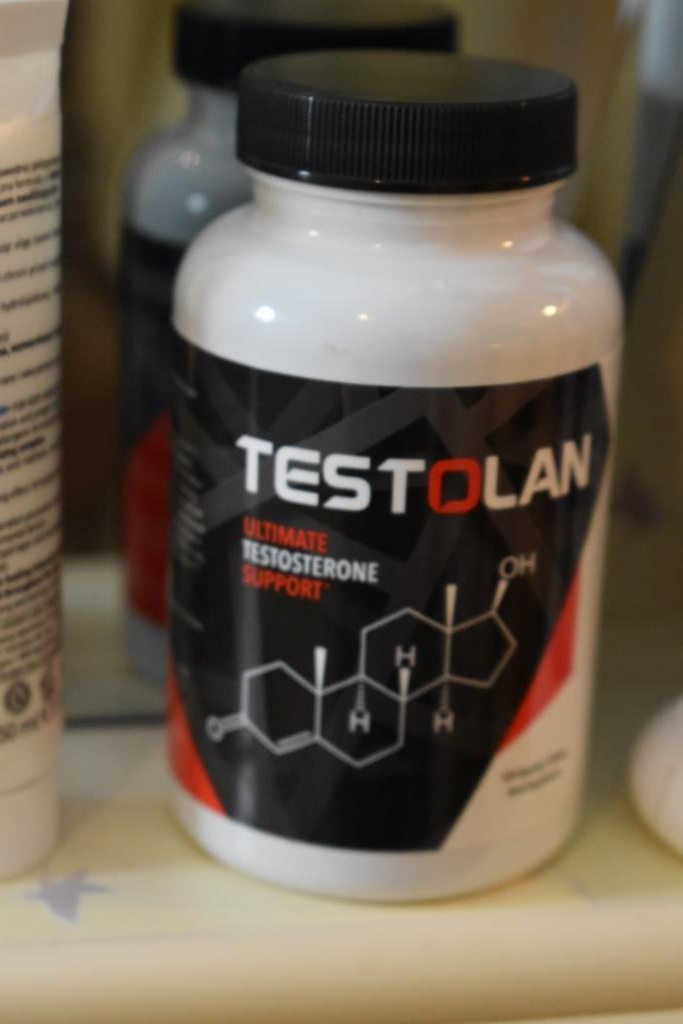
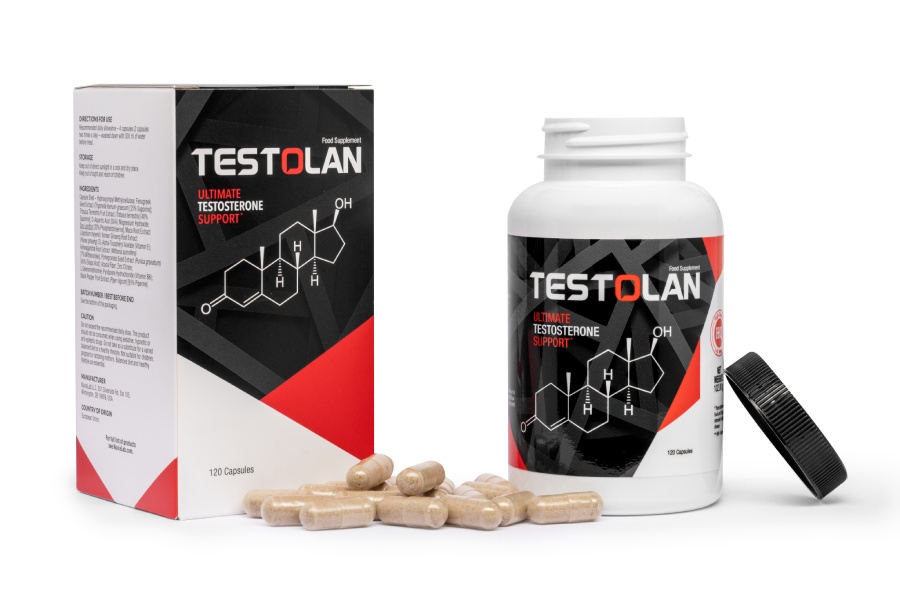
The mitigations are unglamorous: buy named brands with printed amounts (the product we review, Testolan, at least publishes a panel), prefer single-ingredient or short-formula products, treat marketplace no-name brands as guilty until proven innocent, and regard any booster producing dramatic, fast, drug-like effects as a suspect, not a success. Our category verdict covers the efficacy side of the same discipline.
Will a Booster Suppress My Own Testosterone?
The fear is borrowed from anabolic steroids, and the mechanism matters. Exogenous testosterone and anabolic agents suppress the axis (LH falls, the testes idle, fertility drops) because the feedback loop reads the drug as its own output.
Botanical boosters do not supply testosterone or a mimic at anything like those levels, and no trial of the graded ingredients shows LH suppression at label doses — with one instructive exception: high-dose DAA lowered testosterone in trained men, and its authors hypothesised axis down-regulation as the route.
So the accurate statement is: suppression is not a documented risk of ordinary boosters at label doses. It is a documented risk of the adulterated products in the section above (an undeclared steroid suppresses exactly like a declared one), and a theoretical one at megadoses of axis-active ingredients.
Anyone whose booster "worked like the real thing" should consider that it may have been the real thing — and that the recovery conversation then belongs to a clinician, not a supplement forum.
Interactions: Medications and Conditions
Diabetes medication: fenugreek's glucose effects and the category's general metabolic claims make hypoglycaemia the interaction to respect. Monitor and involve your clinician. Thyroid: ashwagandha has raised thyroid hormone levels in case literature — anyone on levothyroxine or with thyroid disease should not add it casually. Sedatives and alcohol: ashwagandha's calming profile can add to sedative load.
Blood thinners: several botanicals in the wider category have antiplatelet associations. A formula-level check with a pharmacist beats a generic warning. Absorption: BioPerine exists to raise absorption of compounds — drugs included. And fibre-rich doses can slow drug uptake.
Take boosters at a different time from critical medication and clear the specific product with a pharmacist if your medication list is non-trivial. Surgery: the standard advice for herbal products applies — disclose everything you take. Anaesthetists ask for a reason.
Who Should Avoid This Category
Men with prostate conditions or elevated PSA should not experiment with anything marketed as androgen-active without their urologist — the theoretical concern is old, unresolved, and not worth freelancing. Anyone with liver or kidney disease inherits the case-report files above. Adolescents have a developing axis and no business in this category at all.
Men trying to conceive should know the paradox: interventions that raise testosterone from outside (TRT, adulterants) suppress sperm production. Even for boosters, fertility is a reason to involve a clinician early rather than self-experiment. Competitive athletes carry the contamination risk into doping control, where "it was in my supplement" is a mitigation plea, not a defence.
And the largest group: men with persistent symptoms and no blood test — for them the risk is not the capsule but the delay. Sleep apnoea, depression, thyroid disease and true hypogonadism all present as "low T" and none of them is treated by fenugreek. The diagnostic standard is two morning tests — set out in our age guide.
Reading a Product Like a Safety Officer
Five checks, applied to any booster including ours. Full amounts printed? (A proprietary blend hides every dose — including the risky ones.) Any ingredient above its studied range? More is a liability here, not a feature. B6 and zinc totals across your whole stack? Upper limits are about totals, and boosters assume you take nothing else. Absorption enhancers present?
If yes, the medication conversation is mandatory. Does the seller publish a guarantee and a real company identity? Testolan's maker publishes no money-back guarantee — a fact we count in its 6.0/10 score — and accountability signals correlate with manufacturing care across this industry. A product passing all five is not proven safe.
It has merely earned the right to be judged on its ingredients, which is the most this category offers.
Myth vs Fact, Rapid Fire
| Claim | Fact |
|---|---|
| "Natural means safe" | The liver case files include botanicals; dose and identity decide safety, not origin |
| "It's FDA approved" | Supplements are not FDA-approved; facilities register, products are not pre-cleared |
| "If it were dangerous, it would be banned" | The regulator acts after harm is demonstrated, product by product; the tainted list is the receipt |
| "More ingredients = more coverage = safer bet" | Combinations multiply interaction surfaces and are untested as combinations |
| "My friend had no side effects" | Trials need hundreds of users to see common harms and thousands for rare ones; one friend is an anecdote, and the adulteration lottery is per-bottle |
If Something Goes Wrong: Red Flags and First Moves
Stop the product and seek care promptly for: jaundice, dark urine or pale stools (the liver pattern) Severe fatigue with nausea and abdominal pain. Palpitations, chest symptoms or sudden severe headache — especially on a "booster" that felt strong and fast, which raises the adulterant possibility. Allergic swelling or breathing difficulty (emergency)
Or, over a longer arc, testicular shrinkage, breast tenderness or fertility difficulty after a product that seemed unusually effective — the suppression signature of an undeclared androgen.
Keep the bottle and the order record: identifying the product is the first clinical step, reporting it (to the FDA's safety portal in the US) is how the tainted list grows, and telling your clinician the brand name — however embarrassing the purchase feels — is what turns a scare into a diagnosis. Silence protects only the seller.
Frequently Asked Questions
Are testosterone boosters safe?
The named ingredients at studied doses: mostly, short-term, for healthy men. The category as sold: adulteration risk, combination risk and diagnostic-delay risk mean the answer depends on the specific product and buyer — see the tables above.
Can boosters damage the liver?
Ashwagandha has rare liver-injury case reports. Tribulus has isolated ones. The bigger liver risk in this aisle is undeclared drug ingredients in adulterated products. Pre-existing liver disease = clinician first.
Do boosters shrink testicles or cause infertility?
Those are effects of exogenous testosterone/anabolics. Label-dose botanicals have no such documented effect — but an adulterated product containing an actual steroid would, which is one more reason source discipline matters.
Can I take a booster with my medication?
Pharmacist-check the specific product. The live wires are diabetes drugs (fenugreek), thyroid medication (ashwagandha), sedatives, blood thinners, and anything whose absorption matters (BioPerine in the formula).
Are boosters safe for young men?
The ingredients are low-risk in trials, but young men are the population with null efficacy and a developing-axis argument for leaving the system alone. Safe-ish and pointless is still pointless.
Last reviewed: October 2026. This article is educational and is not medical advice.
