
- Quick Answer
- The Real Difference: Form and Dose
- What the Joint Trials Actually Show
- Which Should You Choose?
- Where This Leaves Combination Joint Formulas
- Frequently Asked Questions
- Is krill oil really better absorbed?
- How much omega-3 do joints need?
- How long before omega-3s affect joints?
- Can I get enough from food?
- Read This Next
Disclosure: This article contains affiliate links. If you buy through them, we may earn a commission at no extra cost to you. It never changes our scores or conclusions.
Quick Answer
Krill oil absorbs somewhat better per milligram and adds astaxanthin and choline. Fish oil delivers far more EPA and DHA per capsule and per pound spent, with a much deeper research base. For osteoarthritis pain specifically, both have surprisingly weak trial records — omega-3s perform better for inflammatory (rheumatoid-type) joint problems.
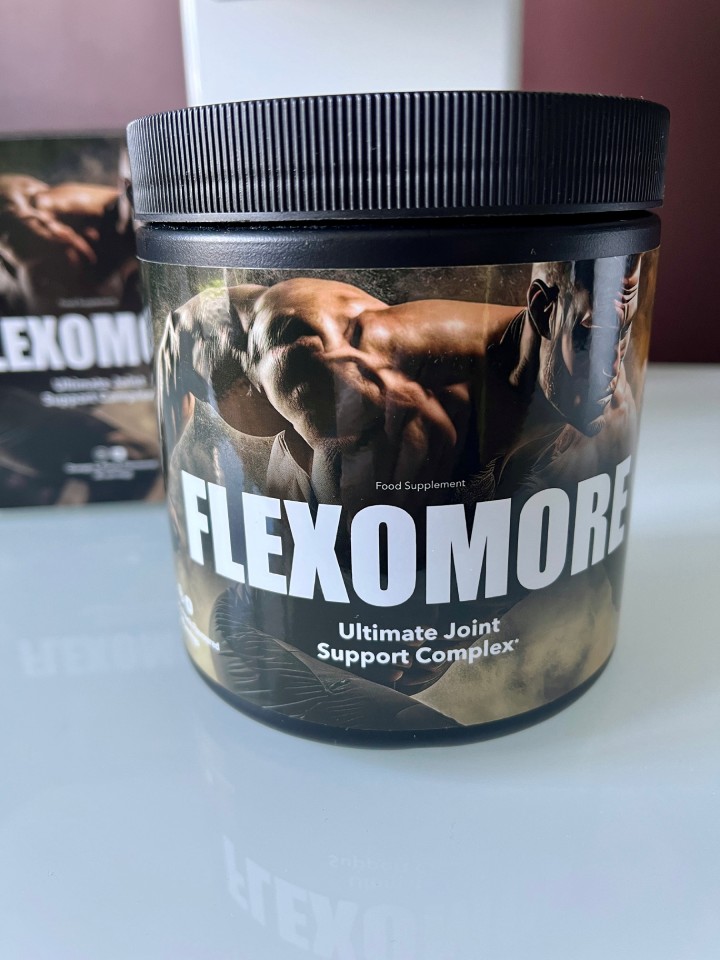
If you buy for joints: fish oil wins on dose-per-cost for most people. Krill is the gentler, pricier, low-dose alternative. Note that many joint formulas — including Flexomore in our catalogue — contain no omega-3 at all. It is a separate purchase.
The Real Difference: Form and Dose
| Fish oil | Krill oil | |
|---|---|---|
| Omega-3 form | Triglyceride or ethyl-ester | Phospholipid (mainly phosphatidylcholine) |
| Absorption | Good with a fatty meal; re-esterified forms close the gap | Higher per mg in comparison studies (phospholipids integrate into membranes readily) |
| Typical EPA+DHA per capsule | ~300 mg per 1,000 mg standard capsule; 600–900 mg in concentrates | ~120–250 mg per 500–1,000 mg capsule |
| Extras | None standard | Astaxanthin (antioxidant), choline |
| Digestive experience | Fishy burps possible | Usually gentler, smaller capsules |
| Allergy | Fish allergy caution | Shellfish (crustacean) allergy caution |
| Cost per gram of EPA+DHA | Low | Several times higher |
The absorption talking point is real but easy to oversell: krill's phospholipid advantage per milligram runs into fish oil's dose advantage per capsule. Reaching the 2–3 g of EPA+DHA used in many inflammation studies takes 3–4 fish-oil capsules — or a small handful of expensive krill capsules.
What the Joint Trials Actually Show
Set expectations carefully. In the largest knee-osteoarthritis fish-oil trial, the low-dose group did better than the high-dose group — the opposite of a dose-response success story — and a long trial of fish oil with vitamin D in adults with chronic knee pain found no less pain, stiffness or loss of function than placebo over years of follow-up.
The omega-3 evidence is stronger where inflammation drives the disease, as in rheumatoid arthritis, where EPA/DHA can modestly reduce symptoms and NSAID use.
Krill's joint evidence is small but positive: in a 30-day trial, 300 mg/day of krill oil reduced C-reactive protein by roughly 30% and improved pain, stiffness and function scores versus placebo — promising, short and small, and not yet replicated at scale.
Which Should You Choose?
- General joint/inflammation support on a budget: fish oil, concentrated, taken with food — the dose-per-cost arithmetic is not close.
- Fish-oil burps ended your last attempt, or you want a small daily capsule: krill oil, accepting lower EPA+DHA and higher cost.
- Diagnosed osteoarthritis is your main problem: manage expectations — omega-3s are among the weaker-evidenced options for OA pain. The stronger basics are strengthening exercise, weight management and topical treatments, with glucosamine/curcumin the more-studied supplement experiments.
- Inflammatory arthritis: discuss omega-3s with your rheumatology team as an add-on, never a replacement for disease-modifying treatment.
- Shellfish allergy: avoid krill. Fish allergy: avoid fish oil. Both can add to bleeding tendency at high doses — declare them before surgery and alongside anticoagulants.
Where This Leaves Combination Joint Formulas
Most joint powders and capsules skip omega-3s entirely because oils do not blend into drinks or dry formulas. Flexomore is one of them: its formula is glucosamine, collagen peptides, MSM and botanicals in a powder — no fish oil, no krill oil. That is normal, not a defect, but it means an omega-3 decision is a separate one.
If you run both, stagger the starts by a few weeks so each gets a fair reading.
Frequently Asked Questions
Is krill oil really better absorbed?
Per milligram, yes — head-to-head studies show higher blood EPA/DHA from equal krill doses. Per capsule and per pound spent, fish oil usually delivers more total omega-3, which is what outcomes track.
How much omega-3 do joints need?
Inflammation studies typically use 2–3 g/day of combined EPA+DHA. Joint-pain-specific dosing is not established — one reason OA results disappoint.
How long before omega-3s affect joints?
Six to twelve weeks of daily use. Membrane incorporation is gradual. Krill's small positive trial ran 30 days, which is unusually fast and part of why it needs replication.
Can I get enough from food?
Two portions of oily fish a week roughly covers general-health targets and is the cheapest route of all. Supplements are for people who will not eat the fish.
Last reviewed: October 2026. This article is educational and is not medical advice.
