
- Quick Answer
- Our Findings
- Why You Should Trust This Review
- Our Verdict
- How We Scored It
- What Is Varicorin?
- The Ingredients
- Horse Chestnut Seed Extract — Venocin® (300 mg)
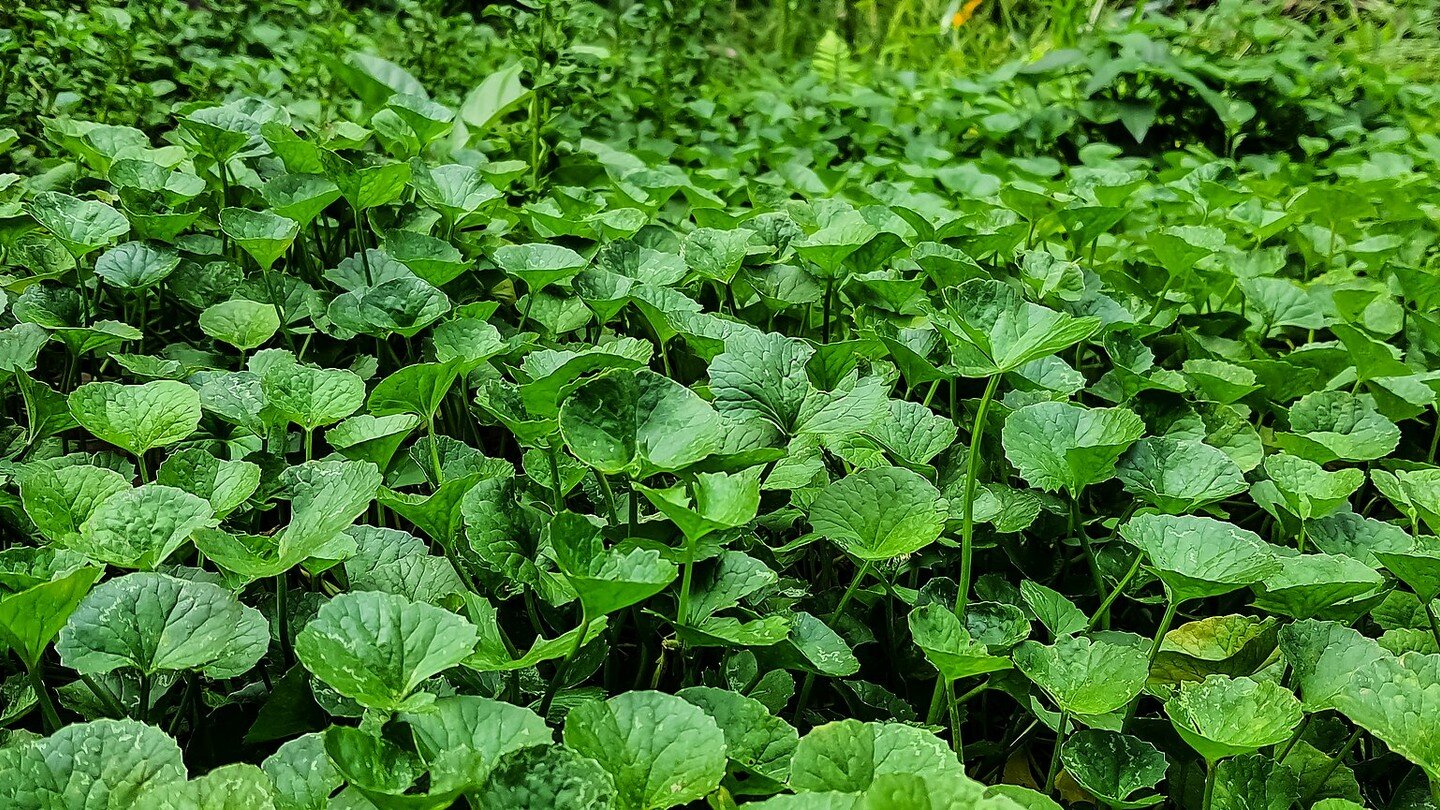
- Gotu Kola Leaf Extract — Centellin® (170 mg)
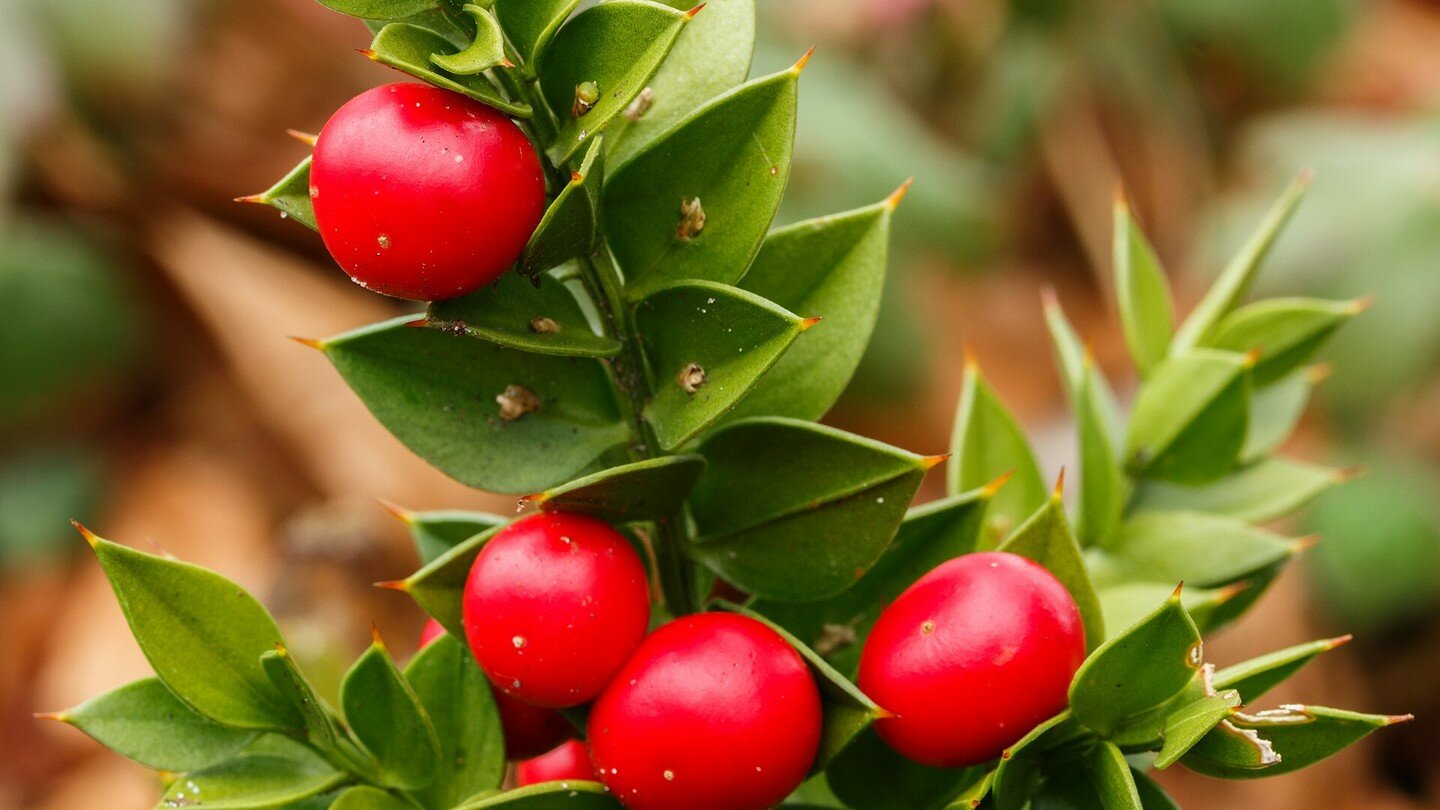
- Butcher's Broom Root Extract (160 mg)
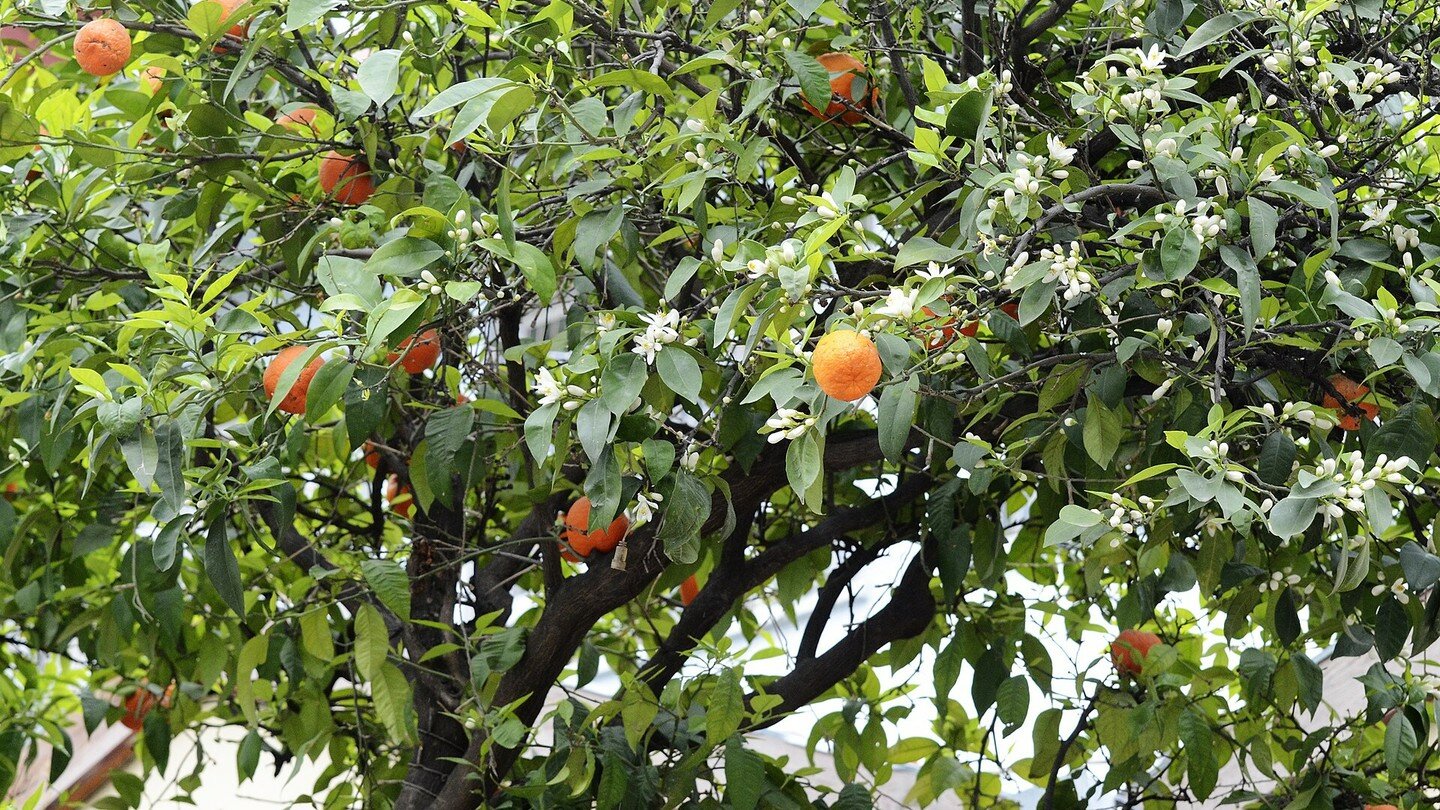
- Bitter Orange Peel Extract — the Hesperidin Line (150 mg)
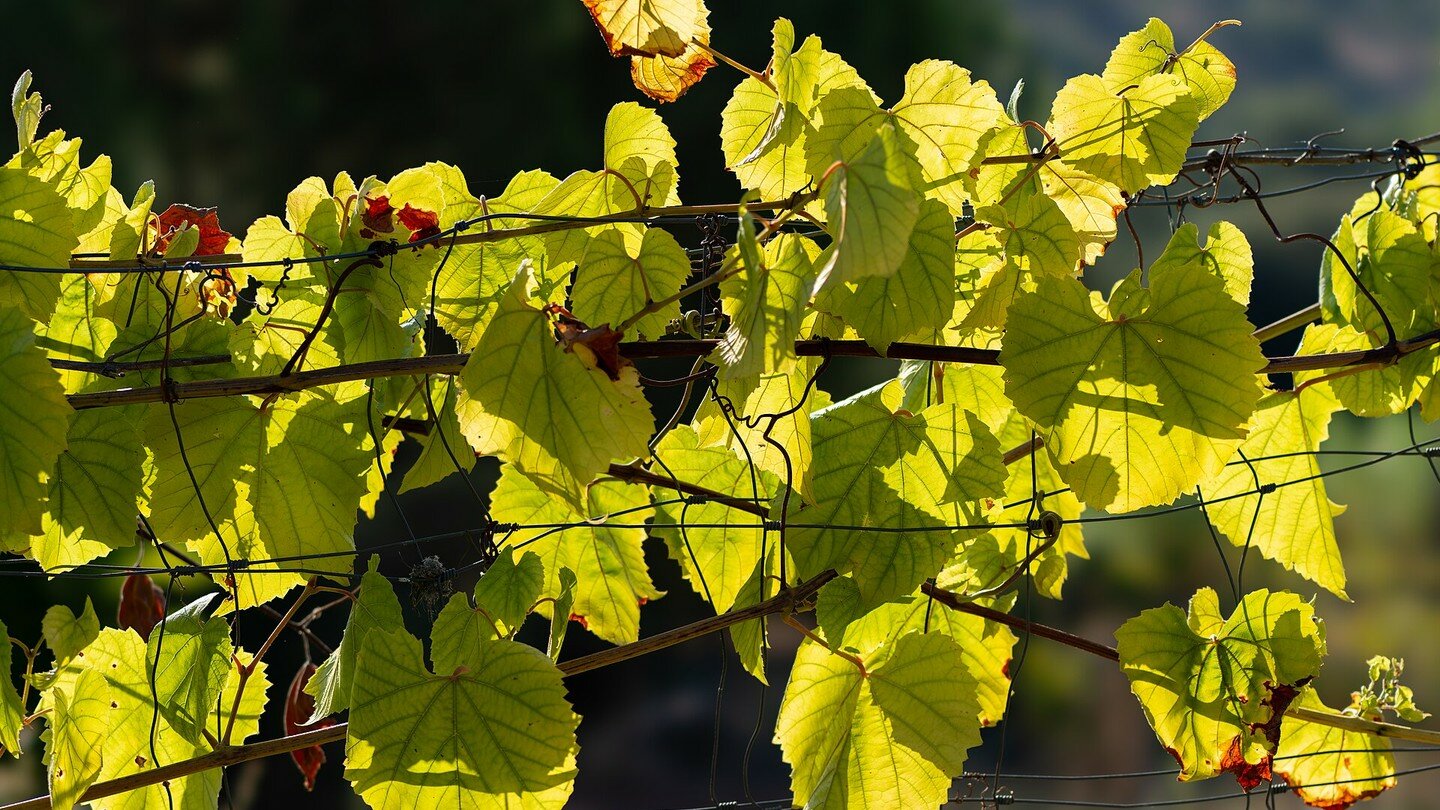
- Buckwheat and Grape Vine — the Supporting Flavonoid Lines
- American Witch Hazel and Nettle
- BioPerine® and Vitamin C — the Small-Print Lines
- The Disclosure Audit: The Doses Were on the Leaflet All Along
- 1. Two disclosure standards, one maker
- 2. Why physical packaging beats the sales page
- 3. What the leaflet makes possible
- 4. What is still missing
- The Evidence, Read Properly
- Horse chestnut seed extract — strong ingredient record, half the studied dose
- Phlebotonics as a class — the honest ceiling for oral vein support
- Gotu kola triterpenes — small, old trials at roughly 13× this dose
- The MPFF distinction — why hesperidin alone does not inherit the flavonoid record
- What the evidence cannot support
- How Long Does It Take to Work?
- Is It Safe?
- Side Effects: What Is Actually Known
- When Leg Symptoms Need a Doctor, Not a Supplement
- Is It a Scam?
- Price and Packs
- Purchase Options
- How It Compares
- Who Should Buy It — and Who Should Skip It
- Who should buy it
- Who should skip it
- Frequently Asked Questions
- Does Varicorin actually work for varicose veins?
- Will Varicorin remove varicose veins or spider veins?
- How much escin does Varicorin actually contain?
- How long does Varicorin take to help heavy legs?
- Is Varicorin safe with blood thinners or other medication?
- Can I take Varicorin with compression stockings?
- Does Varicorin have a money-back guarantee?
- Where can I buy Varicorin — and what does a month actually cost?
- Sources & Method
- Read This Next
SuppChecked is an independent supplement review site. When you buy a product through links on our pages, we may earn a commission at no extra cost to you. Every score, price, and product claim on this page is checked against the maker's official records and the published scientific literature, and brands never pay to change our scores.
Buyers who look up Varicorin usually fall into two camps. In the first camp are adults whose legs ache, swell, and feel heavy by evening. They live with a real, underserved problem and want everyday relief without jumping straight to medical procedures.
In the second camp are sceptics who have shopped vein supplements before. They expect hidden doses, vague herbal blends, and big claims with little backing. This review reads the physical box and its printed leaflet directly against the maker's website. It finds that the lead doses were printed all along — just not online — converts the headline extract into the escin dose clinical trials used, and scores what is left.
Quick Answer
Varicorin scores 5.6/10. Its formula rests on a real traditional core, led by horse chestnut — one of the best-studied vein botanicals, with a Cochrane review behind the ingredient. The catch is how the maker discloses and doses it.
The lead amounts exist, but only on the printed box leaflet: Venocin® 300 mg, Centellin® 170 mg, and Butcher's Broom 160 mg a day. Online, the website publishes only hesperidin at 150 mg. Audited properly, 300 mg of Venocin® delivers 60 mg of escin a day — about half the 100–150 mg trial range. Centella triterpenes sit under a tenth of theirs.
No trial tests the finished product, the website names no seller, and no money-back guarantee is published. Bottles start at $49.99 plus $12 shipping. Best for: adults with heavy, aching legs who want a traditional botanical alongside compression and walking.
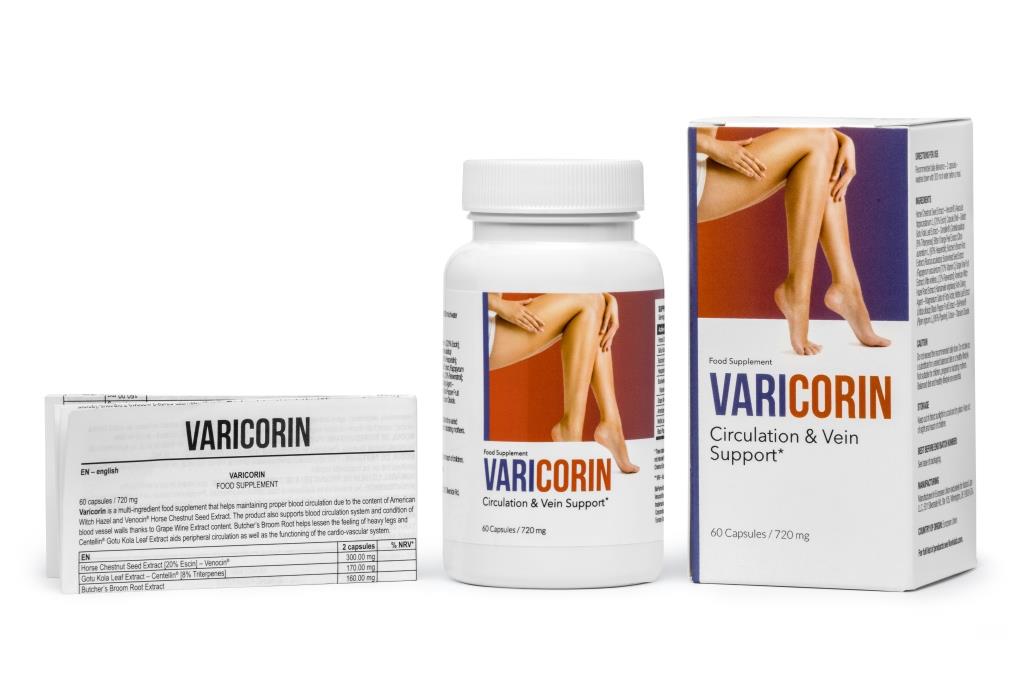
Varicorin — Our Score: 5.6/10
Score: 5.6/10 · Sub-scores: Ingredients 6.0 · Evidence 5.5 · Safety 6.0 · Value 6.0 · Best for: Adults with heavy, aching legs who want a traditional vein botanical with a real evidence core, as an addition to compression and walking — not instead of them · Main caution: The website hides the doses the box leaflet prints, the escin dose is about half the trialled range, and no money-back guarantee is published · Fair trial: Three months — three bottles at $111.98 delivered
Our Findings
What we like
- A credible traditional core: The formula leads with horse chestnut, the best-studied botanical in vein support, and uses two trademarked, standardised extracts (Venocin® and Centellin®).
- Real lead doses in print: The printed leaflet inside the physical box carries a proper amounts table for the three lead extracts per daily serving.
- Measured circulation claims: The product's circulation wording stays close to authorised-style support language rather than making wild promises to cure disease.
- Category-fair pricing: Single bottles start at $49.99, and multi-bottle bundles bring the price down to $25.00 a bottle ($0.90 a day delivered).
What gives us pause
- Hidden online doses: The maker's website withholds the lead amounts that the box leaflet prints, so buyers cannot audit the formula before paying.
- Under-dosed against the trials: The daily escin yield (60 mg) sits at roughly half the 100–150 mg trial range, and the centella triterpenes sit under a tenth of theirs.
- Anonymous seller and no refund policy: The sales website names no company behind the product and publishes no money-back guarantee.
- No finished-product study: No clinical trial has tested the complete Varicorin capsule formula in humans.
Why You Should Trust This Review
For this review, we read the maker's sales and order pages in full. We also read the physical box's ingredients panel and its printed leaflet line by line from the product's own packaging photos, including the details that complicate the sales pitch. We then checked the primary scientific literature behind the lead botanicals (Pittler & Ernst 2012, PMID 23152216; Martinez-Zapata et al. 2016, PMID 27048768). Every product on SuppChecked is scored on one fixed system against primary records, never sales promises, and brands never pay to influence our scores.
Our Verdict
Varicorin earns 5.6/10. That mid-table score captures a genuine split. Unlike vein formulas built on obscure blends, Varicorin anchors itself in horse chestnut, gotu kola, and butcher's broom. Two lead extracts are trademarked and standardised, and the printed leaflet inside the box provides real daily figures.
The drag comes from two clear flaws. First, the delivered doses fall well short of the clinical literature. You get 60 mg of escin a day against the 100–150 mg range used in horse chestnut trials, and 13.6 mg of centella triterpenes against about 180 mg. Second, the maker's website refuses to show those numbers before you pay, listing only hesperidin at 150 mg.
Maker Credibility scores 4.5/10 in our scoring. On one side sit a support email and a properly printed box and leaflet. On the other sit an unnamed seller online and no published refund policy.
Vein symptoms take eight to twelve weeks to judge fairly. A three-month trial means buying the three-bottle bundle at $111.98 delivered, with no guarantee behind your spend. Varicorin works best as a modest traditional add-on for heavy, aching legs alongside compression and walking — not as a vein fix or a risk-free buy.
How We Scored It
Every score on SuppChecked comes from the same five-part scoring method: ingredients, evidence, safety, value, and maker credibility. We covered Maker Credibility (4.5/10) in our verdict above. The table below shows Varicorin's four formula and buyer sub-scores, followed by the exact record behind each number.
| Criterion | Score |
|---|---|
| Ingredients | 6.0 |
| Evidence | 5.5 |
| Safety | 6.0 |
| Value | 6.0 |
Ingredients — 6.0/10. Varicorin starts with a sensible traditional vein stack. Horse chestnut (Venocin®, 20% escin), gotu kola (Centellin®, 8% triterpenes), butcher's broom, and bitter orange hesperidin all belong in a circulation formula. The score stops at 6.0 because 300 mg of Venocin® yields just 60 mg of escin, Centellin® yields 13.6 mg of triterpenes, hesperidin appears without diosmin, and six supporting lines carry no published amounts.
Evidence — 5.5/10. Horse chestnut seed extract holds one of the strongest ingredient records in vein support, backed by a Cochrane review (Pittler & Ernst 2012, PMID 23152216). Phlebotonics as a broader class also show modest oedema relief on low-quality evidence (Martinez-Zapata et al. 2016, PMID 27048768). However, no trial has tested Varicorin itself, the escin dose sits at about half to three-fifths of the studied range, and diosmin-plus-hesperidin results do not transfer to hesperidin alone.
Safety — 6.0/10. Using a standardised horse chestnut extract avoids the toxicity of raw seed, and the box prints clear cautions for pregnancy, breastfeeding, children, and dose limits. The score stays moderate because no product-specific safety study exists, six supporting lines have undisclosed amounts, and people taking blood-thinning medicines need medical clearance first.
Value — 6.0/10. Pricing sits in a fair range for the category. A single bottle costs $49.99 plus $12 shipping ($61.99 delivered, or $2.07 a day), while the six-bottle option lowers the rate to $25.00 a bottle ($0.90 a day delivered). The flat $12 shipping charge, the half-dose escin audit, and the lack of a published money-back guarantee keep value from scoring higher.
What Is Varicorin?
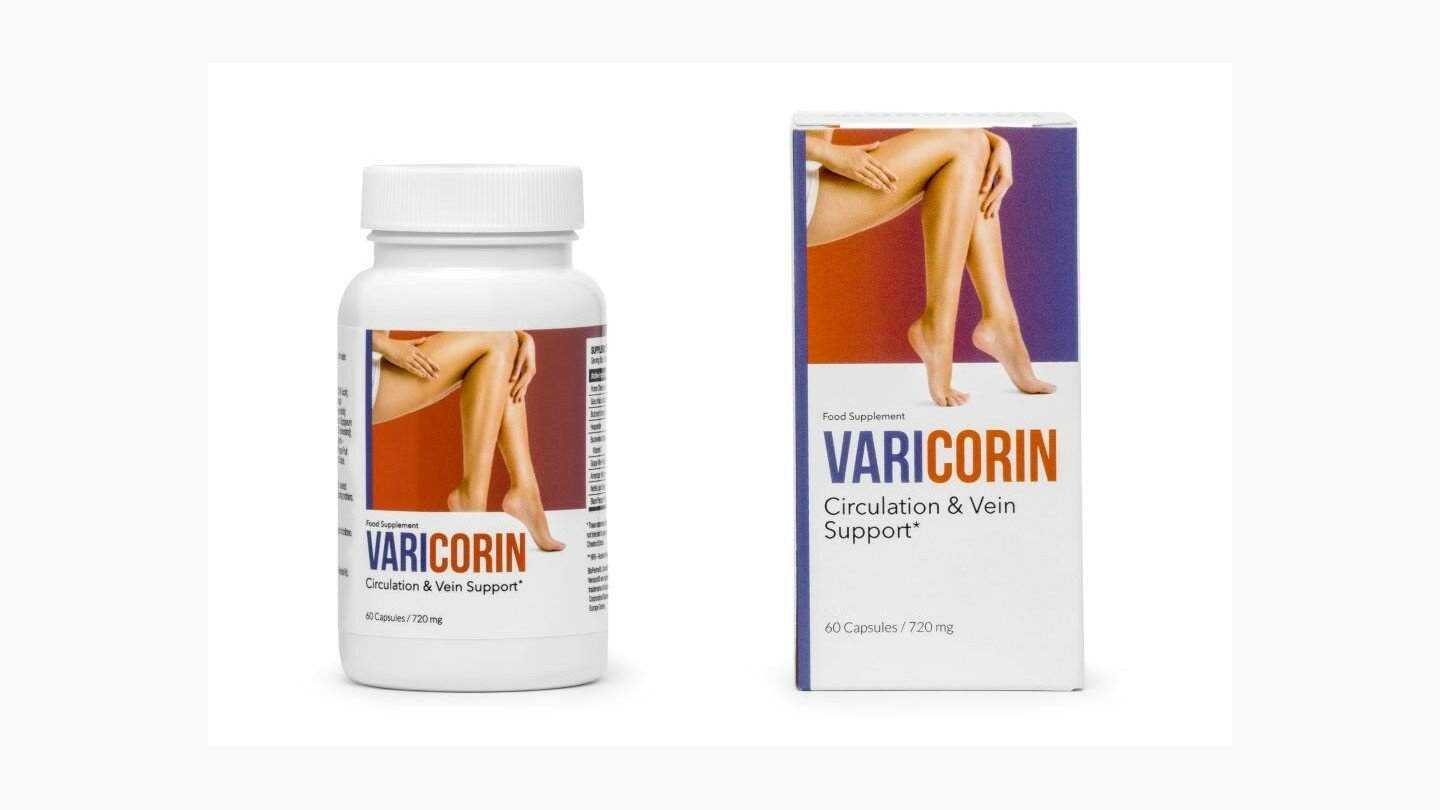
Varicorin at a Glance
- Our score: 5.6/10
- Brand: Varicorin
- Company: Not named on the maker's website (the box names a US LLC)
- Product type: Vein-support capsules — 60 per bottle
- Primary purpose: Marketed for varicose veins, spider veins and heavy, swollen legs
- Formula: 10 named lines; lead amounts on the box leaflet (Venocin 300 mg, Centellin 170 mg, Butcher's Broom 160 mg per day)
- Clinical research: No trial of the finished formula
- Research limitation: The escin dose (60 mg a day) is about half the range used in the horse chestnut trials, and the centella triterpenes are under a tenth of theirs
- Recommended use: 2 capsules a day, washed down with 300 ml of water
- Money-back guarantee: None published
Varicorin is a 60-capsule oral supplement designed for leg circulation and vein comfort. Horse chestnut, gotu kola, and butcher's broom lead a formula of ten named ingredient lines, alongside a capsule shell and a magnesium-salts anti-caking agent listed on the box. The printed directions call for 2 capsules a day washed down with 300 ml of water.
The physical box states that Varicorin is manufactured in the European Union for a US LLC based in Wilmington, Delaware. Online, the product is sold through NutriProfits via the official website. Curiously, that sales website names no company or seller at all, leaving buyers to discover the manufacturer details only after the box arrives.
The maker aims Varicorin at varicose veins, spider veins, and the everyday symptoms of chronic venous insufficiency — legs that feel heavy, tired, aching, and swollen by evening. Put plainly, that is symptom-support territory, not vein repair. No oral capsule shrinks stretched veins or fixes damaged vein valves.
Taken as a whole, Varicorin is a credible traditional core with an upside-down disclosure habit. Its maker prints proper lead doses on paper inside the box, yet barely discloses them on the web page where shoppers decide whether to buy.
The Ingredients
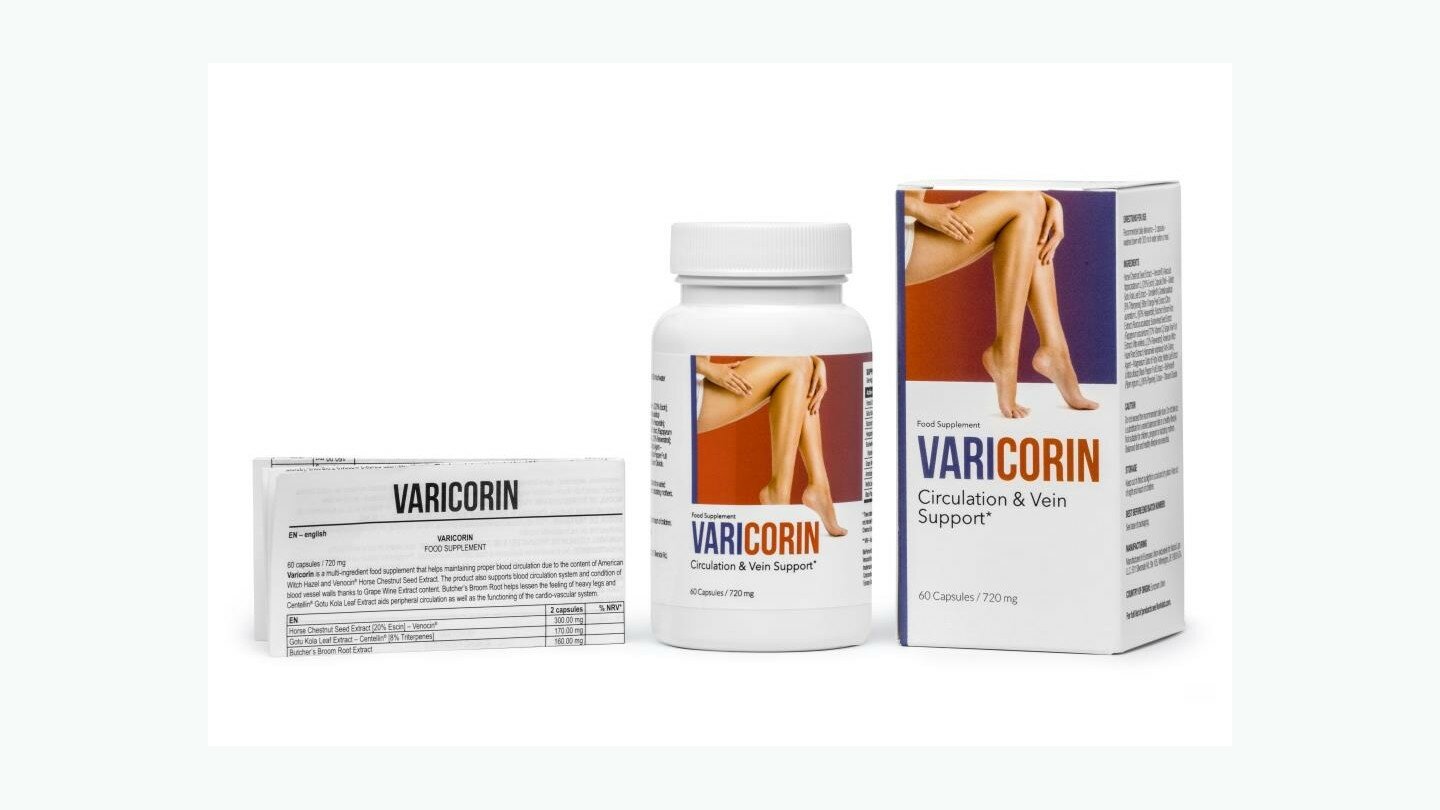
The amounts in the table below come from the printed leaflet inside the physical Varicorin box, read per daily serving of 2 capsules. The maker's website publishes only one figure — hesperidin at 150 mg — and leaves every other dose off the sales page. That split between print and web is the heart of our disclosure audit in the next section.
On the physical box, the ingredients paragraph lists nine botanical extracts in order, followed by the capsule shell and magnesium salts as an anti-caking agent. The maker's store listing also names vitamin C, though its amount appears in none of the records available to us.
| Ingredient | Amount per daily serving |
|---|---|
| Venocin® horse chestnut seed extract [20% escin] | 300 mg (60 mg escin) |
| Centellin® gotu kola leaf extract [8% triterpenes] | 170 mg (13.6 mg triterpenes) |
| Butcher's Broom root extract | 160 mg |
| Hesperidin (from bitter orange peel extract, 90% hesperidin) | 150 mg (per the maker's store listing) |
| Buckwheat, Grape Vine, American Witch Hazel, Nettle, BioPerine®, Vitamin C | Not published |
Horse Chestnut Seed Extract — Venocin® (300 mg)
Horse chestnut seed extract (Aesculus hippocastanum) is the anchor of Varicorin. The box uses a branded extract called Venocin®, standardised to 20% escin. The maker positions it as the main circulation botanical for heavy, aching, swollen legs.
This ingredient carries the strongest clinical record in the bottle. In the Cochrane systematic review of horse chestnut for chronic venous insufficiency, placebo-controlled trials showed significant short-term drops in leg pain, leg volume, and related symptoms (Pittler & Ernst 2012, PMID 23152216).
The dose maths changes the picture. Those trials used extracts standardised to 100–150 mg of escin a day. At 300 mg of 20% escin, Varicorin delivers 60 mg of escin daily — roughly half to three-fifths of the trialled range. You cannot treat the trial results as this product's results.
Raw horse chestnut seed is toxic and never safe as a home remedy. Supplements must use a properly processed, standardised extract, which the branded Venocin® form supports. Trial side effects were mostly mild stomach upset, itching, or headache, though anyone on blood thinners or preparing for surgery should check with a doctor first.
Gotu Kola Leaf Extract — Centellin® (170 mg)
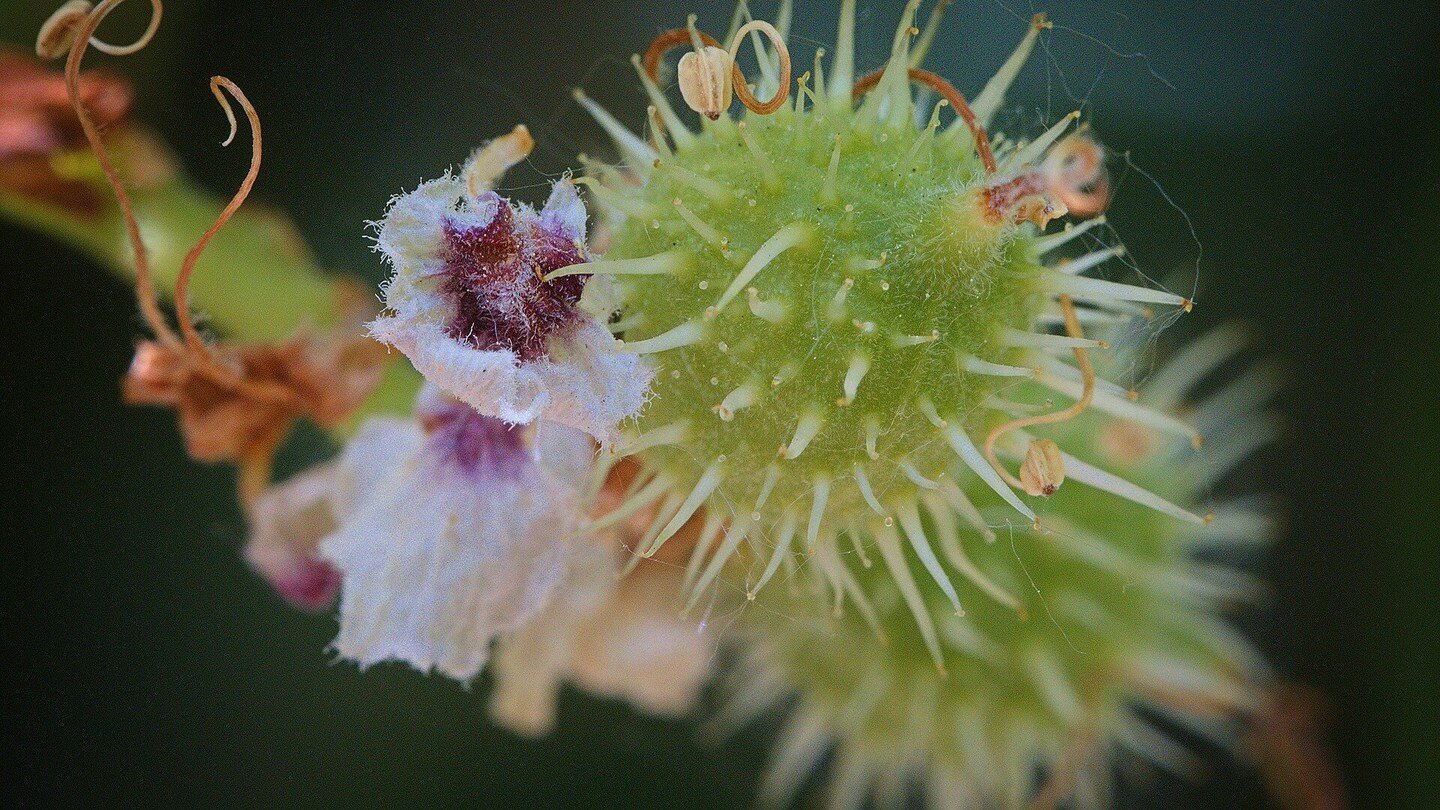
Gotu kola leaf extract (Centella asiatica) is Varicorin's second lead ingredient. The formula uses Centellin®, a trademarked extract standardised to 8% triterpenes, at 170 mg per daily serving of 2 capsules. The maker includes it as a traditional circulation herb to support venous comfort alongside horse chestnut.
The dose audit here is steep. At 8% standardisation, 170 mg of Centellin® yields 13.6 mg of triterpenes a day. The human trials that tested centella triterpene fractions in venous hypertension used around 180 mg of triterpenes a day — more than thirteen times the amount in Varicorin.
Even at those higher doses, the centella record rests on small, older, industry-linked studies rather than large independent trials. At under a tenth of the studied triterpene level, Centellin® adds traditional name value more than clinical weight.
As a low-dose botanical, it raises few stand-alone concerns for healthy adults. Still, the box warns against use by children or pregnant and breastfeeding women, and anyone treating a vascular condition with medication should check with a clinician before adding it.
Butcher's Broom Root Extract (160 mg)
Butcher's broom root extract (Ruscus aculeatus) sits third in the printed leaflet's amounts table at 160 mg per daily serving. In European vein care, ruscus is a classic botanical partner in phlebotonic formulas built to ease ankle swelling and leg heaviness.
The maker uses it to back up horse chestnut on leg-circulation comfort. In the Cochrane review of the phlebotonics class, which includes ruscus combinations alongside flavonoids, the class showed a modest reduction in leg oedema compared with placebo (Martinez-Zapata et al. 2016, PMID 27048768).
Two limits apply. First, Cochrane rated the overall class evidence as low quality and noted more side effects than placebo. Second, the clinical record for ruscus mostly comes from European drug-style combinations with other active agents. Here, butcher's broom stands without those studied partners, and the photographed leaflet row states no extract standardisation.
Mild digestive upset, headache, or itching are the main class-level effects reported in trials. Anyone with sudden one-sided swelling or taking anticoagulant drugs should consult a doctor first.
Bitter Orange Peel Extract — the Hesperidin Line (150 mg)
Bitter orange peel extract (Citrus aurantium), standardised to 90% hesperidin, supplies the one number the maker's website actually prints. The store listing states 150 mg of hesperidin per daily serving, positioned to support healthy blood vessel comfort.
This ingredient is easy to misread because flavonoids have a strong reputation in vein care. That famous clinical record belongs to micronised purified flavonoid fraction (MPFF), a drug combination in many countries that pairs diosmin with hesperidin. Varicorin contains hesperidin without any diosmin.
Results from a two-compound drug combination do not transfer to one isolated half of it. On its own, hesperidin carries a thin human evidence record for chronic venous insufficiency symptoms. It is a familiar citrus flavonoid, not a substitute for the studied diosmin-plus-hesperidin combination.
Because the box specifies a 90% hesperidin extract, it sits here as a flavonoid line rather than a stimulant. Even so, anyone managing cardiovascular issues or taking blood-thinning drugs should review the full bottle with a clinician before starting.
Buckwheat and Grape Vine — the Supporting Flavonoid Lines
Buckwheat extract (Fagopyrum esculentum) and grape vine fruit extract (Vitis vinifera) follow next on the physical box's ingredient list. Buckwheat is a traditional botanical source of rutin, a plant flavonoid often paired with circulation herbs. Grape vine is another staple of traditional European vascular blends.
The maker's leaflet leans on authorised-style circulation wording for the grape line, stating that it supports blood vessel walls. Buckwheat rides alongside it as part of the broader flavonoid backdrop rather than as a headline active.
Neither ingredient has a published daily amount in any record we could inspect. Both sit below the photographed fold of the leaflet table and are left unquantified on the sales website. Without milligram figures or standardisations, you cannot compare either line against human research.
Treat buckwheat and grape vine as supporting cast, honestly labelled. They fit the traditional vein-formula theme, yet add no measurable weight to the evidence score. Standard box cautions for pregnancy, breastfeeding, and children apply across the whole capsule.
American Witch Hazel and Nettle
American witch hazel root extract (Hamamelis virginiana) and nettle leaf extract (Urtica dioica) appear further down the box's ingredient list. On the printed leaflet, witch hazel is a named circulation herb, and the maker attaches a circulation-support claim to it. Nettle leaf appears in the box ingredients paragraph without a clear assigned role in the sales copy.
The human evidence behind both for oral vein support is thin. Witch hazel's long reputation rests largely on topical astringent tradition rather than oral clinical trials for chronic venous insufficiency. Nettle leaf likewise lacks solid human trial proof for easing varicose-vein symptoms in capsule form.
As with buckwheat and grape vine, no daily amounts or standardisations are published in any record available to us. That leaves buyers guessing how much of either herb fits inside a 2-capsule serving.
Both are familiar traditional herbs, but undisclosed doses make it harder to judge sensitivity or interactions. Anyone taking prescription medicines or falling under the box's pregnancy, lactation, or age cautions should skip the formula or check with a doctor first.
BioPerine® and Vitamin C — the Small-Print Lines
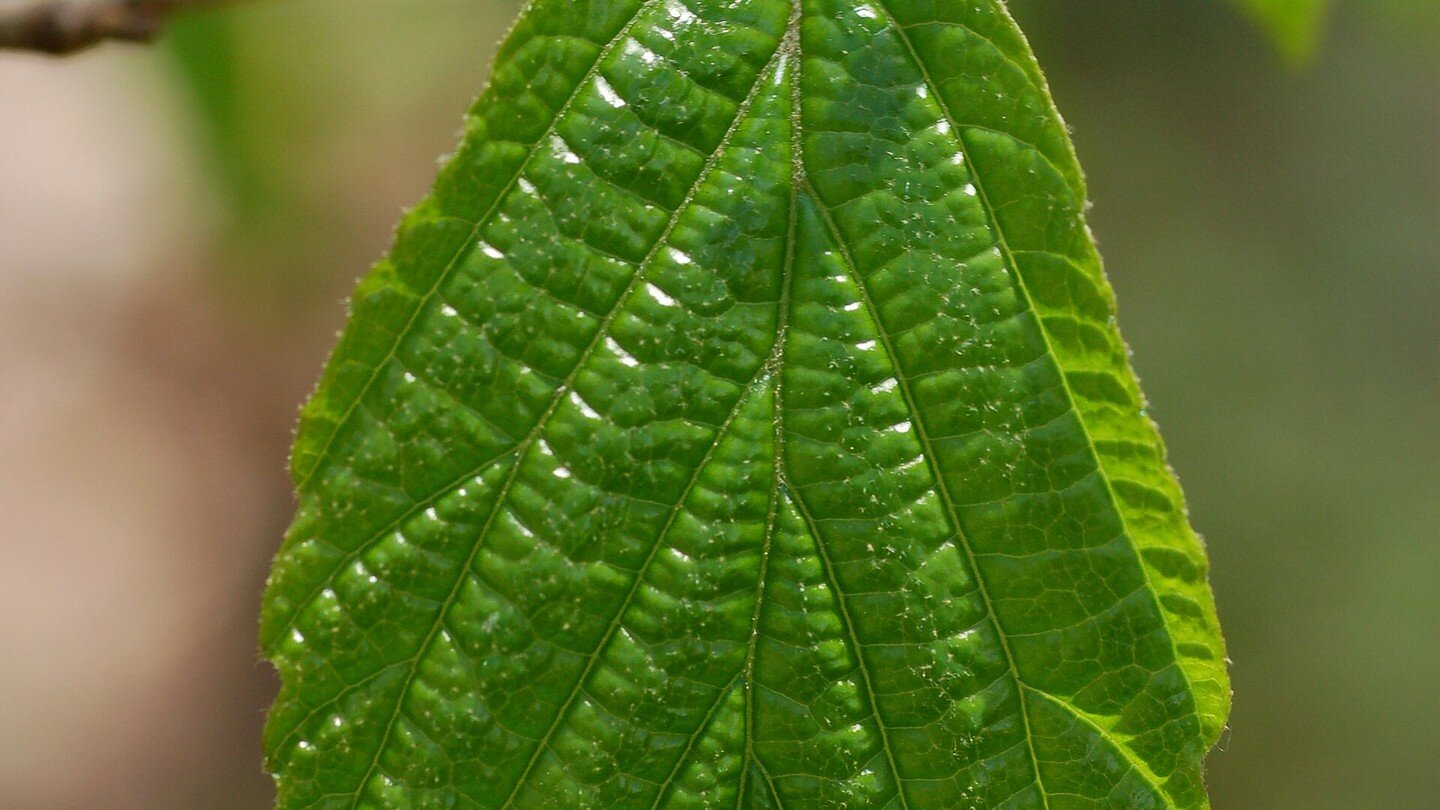
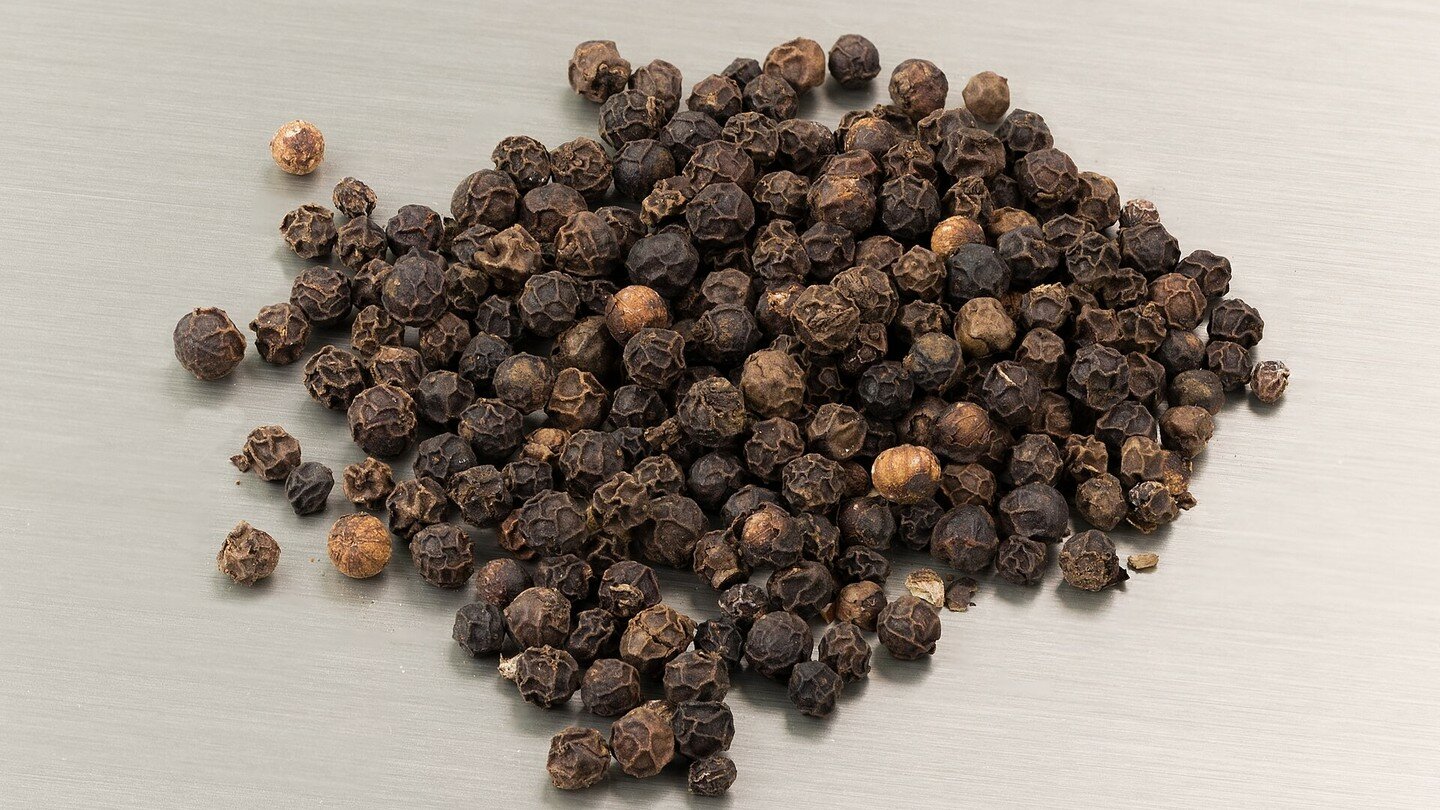
Black pepper fruit extract standardised to 95% piperine — branded as BioPerine® — closes the botanical list on the physical box. The maker's online store listing also names vitamin C. Together, they form the formula's small-print finish alongside the capsule shell and magnesium-salts anti-caking agent.
BioPerine® is a common black-pepper absorption aid used across multi-ingredient supplements. Vitamin C's honest role, in authorised-claim language, is supporting normal collagen formation for blood vessel walls. Both make logical sense on paper in a circulation capsule.
The problem is simple: neither amount is published in any record we can inspect. The website lists no milligram figure for BioPerine® or vitamin C, and neither appears in the visible lead rows of the box leaflet. Without numbers, neither ingredient can be checked against typical supplemental levels.
Because black-pepper extract is included as an absorption aid alongside several botanicals, buyers taking daily prescription drugs — especially anticoagulants or antiplatelets — have one more reason to clear the bottle with a clinician before ordering.
The Disclosure Audit: The Doses Were on the Leaflet All Along
Most supplement audits follow a familiar script: the website looks vague because the label itself hides behind a proprietary blend. Varicorin runs backwards. Its disclosure story splits right down the middle between what the maker shows online and what it prints on paper.
1. Two disclosure standards, one maker
Visit the official sales pages before you buy, and you will find exactly one published ingredient amount: hesperidin at 150 mg. Every other botanical — including the headline horse chestnut extract — appears without a milligram figure. Shoppers reading the website are left to guess whether the bottle holds meaningful doses or token dustings.
Open the physical box, however, and the printed leaflet inside tells a much fuller story. It carries a proper amounts table per daily serving of 2 capsules: Venocin® horse chestnut at 300 mg (20% escin), Centellin® gotu kola at 170 mg (8% triterpenes), and Butcher's Broom at 160 mg. Nothing about the capsule formula changed between the web page and the box. Only the buyer's ability to check the doses before paying changed.
2. Why physical packaging beats the sales page
This split caught even our own earlier record. Our Varicorin product page repeated the website's version — noting that the dose of the headline horse chestnut extract was not disclosed — until we examined the physical box and leaflet directly from packaging photos for this review.
We flag that update openly because it is the whole point of the audit. In the vein-supplement category, the printed packaging is a primary source and the sales page is not. When a brand sells online without showing its own leaflet table, shoppers are forced to pay first and verify later. Putting the leaflet's figures on the sales page would cost the maker nothing and save buyers real guesswork.
3. What the leaflet makes possible
Once the box leaflet's numbers are in front of you, a real dose audit becomes possible. That audit is honest and mixed, as laid out in the ingredient breakdown above. Delivering 300 mg of 20% escin gives you 60 mg of escin a day — roughly half to three-fifths of the 100–150 mg range used in the Cochrane-reviewed horse chestnut trials.
Centellin® at 170 mg (8% triterpenes) yields 13.6 mg of triterpenes a day, under a tenth of the roughly 180 mg tested in older centella studies. Hesperidin arrives at 150 mg without its clinical partner diosmin. Even when the dose maths is unflattering, a formula you can audit earns more credit than a secret blend you cannot evaluate at all.
4. What is still missing
Reading the box does not close every gap. The leaflet table continues below the photographed fold, and no record available to us prints daily amounts for the six supporting lines: buckwheat, grape vine, American witch hazel, nettle, BioPerine®, and vitamin C. Those remain unverified in dose.
Two commercial gaps also remain wide open online. The sales website still names no seller — only the physical box identifies EU manufacturing for a Wilmington, Delaware LLC — and no money-back guarantee is published on the sales or order pages. Good print disclosure inside the box does not fix an opaque checkout page.
The Evidence, Read Properly
To judge Varicorin fairly, you have to separate what the human research actually tested from what sits inside the capsule. No clinical trial has ever tested the finished Varicorin formula. Everything we know comes from ingredient-level studies, and each ingredient tells a different story.
Horse chestnut seed extract — strong ingredient record, half the studied dose
The Cochrane systematic review of horse chestnut seed extract is the strongest piece of evidence behind Varicorin's lead botanical (Pittler & Ernst 2012, PMID 23152216). Across placebo-controlled trials in adults with chronic venous insufficiency, horse chestnut seed extract beat placebo on short-term leg pain, leg volume, and related symptoms.
Design and dose matter here. Those trials used extracts standardised to deliver 100–150 mg of escin a day. Varicorin's box leaflet lists 300 mg of Venocin® standardised to 20% escin, which delivers 60 mg of escin a day — roughly half to three-fifths of the trialled range. You cannot assume that a 60 mg daily escin dose reproduces results seen at 100–150 mg.
Phlebotonics as a class — the honest ceiling for oral vein support
A second Cochrane systematic review evaluated phlebotonics as a broader class for chronic venous insufficiency (Martinez-Zapata et al. 2016, PMID 27048768). That class covers ruscus combinations, flavonoids, and related oral agents used for leg circulation.
Across the trials, phlebotonics produced a modest reduction in leg oedema compared with placebo. However, Cochrane rated the overall evidence as low quality and found more side effects than with placebo. That review sets the realistic ceiling for the whole oral vein-supplement category: modest symptom relief at best, never structural vein repair.
Gotu kola triterpenes — small, old trials at roughly 13× this dose
Gotu kola's vascular record comes from small, older, industry-linked human trials testing concentrated centella triterpene fractions in people with venous hypertension. Those studies used about 180 mg of triterpenes a day.
Varicorin supplies 170 mg of Centellin® standardised to 8% triterpenes, according to the box leaflet. That works out to 13.6 mg of triterpenes a day — under a tenth of the dose used in those trials. Between the thin trial quality and the thirteen-fold dose gap, gotu kola carries very little clinical weight here.
The MPFF distinction — why hesperidin alone does not inherit the flavonoid record
Shoppers often hear that citrus flavonoids have strong trial backing for vein symptoms. That reputation belongs to micronised purified flavonoid fraction (MPFF), a drug combination in many countries that pairs diosmin with hesperidin.
Varicorin contains hesperidin from bitter orange peel extract (150 mg per the maker's store listing, 90% standardised) with no diosmin at all. Clinical results from a two-compound drug combination do not transfer to a single isolated flavonoid. Hesperidin on its own has a thin human record for venous symptoms.
What the evidence cannot support
Put all four pieces together, and the boundary is clear. No finished-product trial tests whether Varicorin's ten-line formula works as sold. Even for well-studied vein botanicals at full doses, the benefit is limited to easing symptoms like heaviness, ache, and mild swelling. Oral supplements do not shrink stretched veins, repair faulty vein valves, or remove varicose veins.
How Long Does It Take to Work?
Oral vein botanicals do not act overnight. In the clinical trials behind horse chestnut seed extract, researchers tracked outcomes over 2 to 12 weeks. Because chronic venous insufficiency symptoms fluctuate with heat, standing time, and daily activity, judging any circulation supplement takes weeks rather than days.
A fair trial of Varicorin is three months of consistent daily use — 2 capsules a day washed down with 300 ml of water. In practice, that means buying the three-bottle pack at $111.98 delivered, with no published money-back guarantee behind your order.
Track concrete everyday signs rather than looking for visible changes in your veins. Pay attention to evening leg heaviness, aching after long periods on your feet, and ankle swelling at the end of the day.
Do not test a capsule in isolation. Compression stockings, regular walking, leg elevation, and weight management are the established first-line habits that carry most of the symptom relief. If nothing noticeable has shifted after twelve weeks of daily use, the evidence gives you no reason to keep buying.
Is It Safe?
Start with the cautions printed on the physical Varicorin box itself. Do not exceed the recommended daily serving of 2 capsules. The box states plainly that Varicorin is not suitable for children, pregnant women, or lactating mothers.
At the ingredient level, standardised horse chestnut seed extract was generally well tolerated across the clinical trials. The main reported reactions were mild stomach upset, itching, and headache. Using a properly standardised extract is essential: raw horse chestnut seed is poisonous and should never be used as a home remedy. Varicorin's use of the branded, standardised Venocin® extract addresses that raw-seed hazard.
Medication checks still come first. Anyone taking anticoagulant or antiplatelet medication — blood thinners — must check with a doctor or pharmacist before taking a vein botanical formula. The same check applies before any scheduled surgery.
Keep two further limits in mind. First, six supporting ingredient lines (including BioPerine®, a black-pepper absorption aid) have no published amounts in the records we could inspect. Second, no product-specific safety study has ever been run on the finished Varicorin capsule.
Side Effects: What Is Actually Known
No adverse-event or post-market safety data is published for Varicorin as a finished product. Because the complete formula has never been studied in a clinical trial, we have to rely on what is documented for its ingredient class.
Across trials of horse chestnut and related phlebotonics, the most common side effects are mild digestive upset, headache, itching, and dizziness. In the Cochrane review of phlebotonics, people taking active treatments reported somewhat more side effects than people taking placebo (Martinez-Zapata et al. 2016, PMID 27048768).
If you develop stomach pain, a rash, persistent itching, or unusual bruising while taking any circulation supplement, stop using it and speak with a clinician. Because the formula combines ten named lines — six of them at unpublished amounts — pinpointing which ingredient triggered a reaction can be difficult.
When Leg Symptoms Need a Doctor, Not a Supplement
Varicorin is not a treatment for blood clots, venous ulcers, or advanced venous disease. Seek same-day medical care if you notice sudden swelling in one leg — a warning sign of deep vein thrombosis (DVT) — or a red, hot, painful vein. Skin near the ankle that breaks down or ulcerates, or a varicose vein that bleeds, also requires urgent medical attention rather than a supplement. Even routine chronic venous insufficiency deserves a proper medical check first: properly graded compression therapy, vein procedures, and (where prescribed or available) phlebotonic medicines such as the diosmin-plus-hesperidin combination belong in a clinician's hands, and a supplement trial must never delay them.
Is It a Scam?
No — Varicorin is not a scam. It is a real, traditionally grounded vein formula with a properly printed box and an leaflet inside the box that lists real daily figures for its lead extracts. The physical box names EU manufacturing for a US LLC in Wilmington, Delaware, and uses recognised trademarked extracts like Venocin® and Centellin®.
The criticisms against it are specific, not conspiratorial. First, the maker's website withholds the lead doses that its own printed box leaflet provides, keeping shoppers from checking the numbers before buying. Second, the escin dose inside the bottle (60 mg a day) sits at about half the range used in horse chestnut clinical trials, while the centella triterpenes sit under a tenth of theirs.
Third, the sales website stays anonymous and publishes no money-back guarantee to cover a three-month trial. Put simply, Varicorin is undersold in print and under-disclosed online — frustrating for careful buyers, but not fake.
Price and Packs
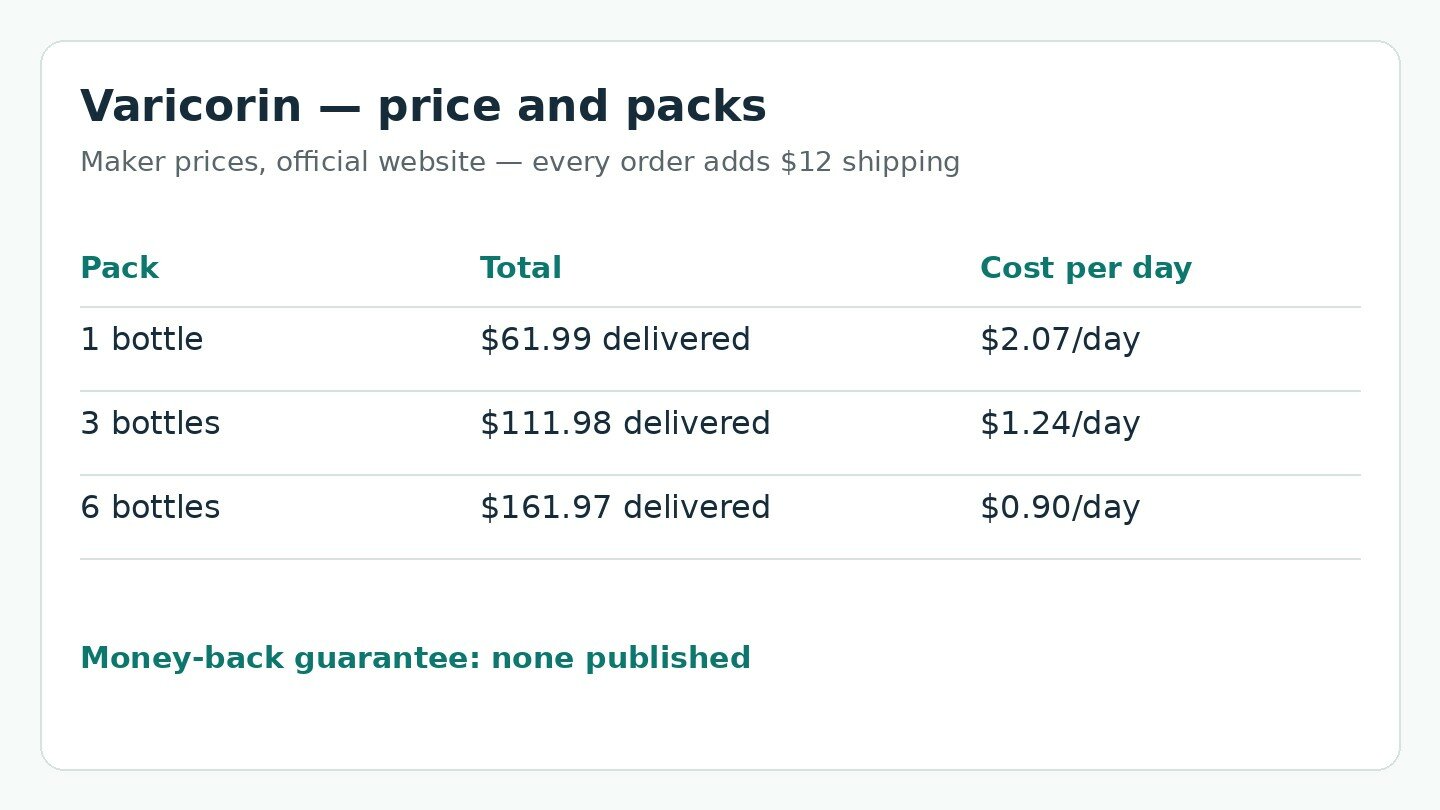
Each bottle of Varicorin holds 60 capsules, which lasts 30 days at the printed serving of 2 capsules a day. The maker sells three bundle tiers on its official website and adds a flat $12 shipping fee to every order.
| Option | Total | Per bottle | Cost per day |
|---|---|---|---|
| 1 bottle | $49.99 + $12 shipping ($61.99 delivered) | $49.99 | $2.07 |
| 3 bottles (Buy 2, get 1 free) | $99.98 + $12 shipping ($111.98 delivered) | $33.33 | $1.24 |
| 6 bottles | $149.97 + $12 shipping ($161.97 delivered) | $25.00 | $0.90 |
These are the maker's published prices, verified in October 2026 and re-checked in November 2026. Because shipping stays fixed at $12, single-bottle buyers absorb a steep effective daily cost ($2.07 a day delivered), while the six-bottle bundle cuts that rate to $0.90 a day delivered.
No money-back guarantee is published anywhere on the maker's sales or order pages. Factor that risk into whichever bundle size you choose.
Purchase Options
Varicorin is sold direct via the official website, which is where the verified bundle prices above apply. Before placing an order, run through three practical checks:
- Keep the box leaflet when it arrives: The printed leaflet inside the box is the only place the maker prints the daily lead amounts for Venocin®, Centellin®, and Butcher's Broom.
- Match the bundle to the fair trial, not the lowest unit price: Judging vein symptoms takes three months, which maps to the three-bottle pack at $111.98 delivered. Jumping straight to six bottles ($161.97 delivered) doubles an unguaranteed bet before you know if the capsules help you.
- Clear medications before clicking buy: If you take anticoagulants, antiplatelets, or other daily prescription drugs — or have surgery planned — complete the doctor check from our safety section before ordering.
How It Compares
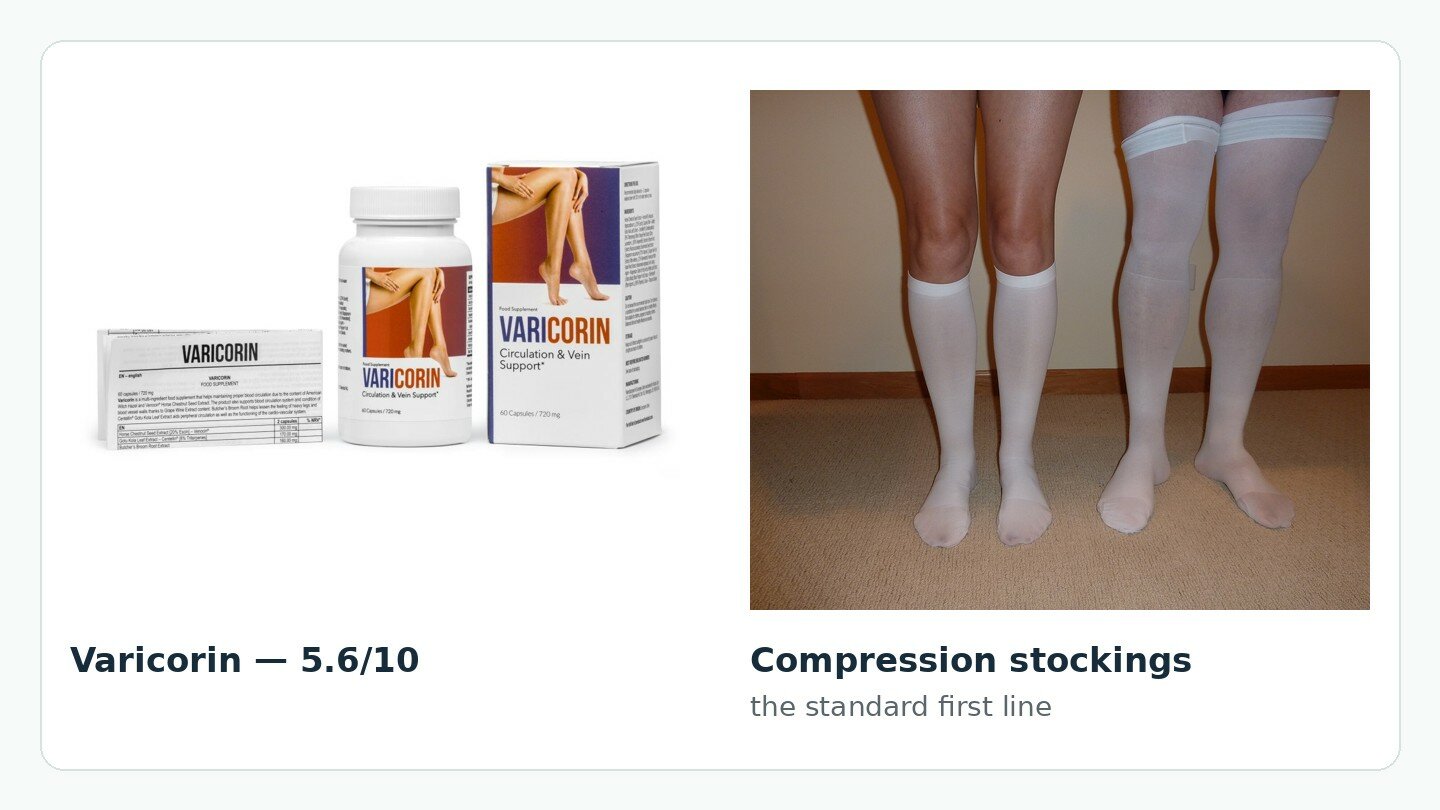
Varicorin is the first vein-support formula we have reviewed as a full pillar on SuppChecked, so there is no same-category scored rival to set beside it yet. The honest comparison is against the established routes adults actually use for heavy, swollen legs and varicose veins.
| Option | Our score | What it does |
|---|---|---|
| Varicorin | 5.6/10 | A traditional botanical stack with a real ingredient core at about half the trialled escin dose |
| Compression stockings | Not scored | The established first line: measured, mechanical symptom relief with the strongest everyday record in this category |
| Phlebotonic medicines (such as the diosmin+hesperidin combination, where available) | Not scored | The drug route: the deepest trial record in the class, still symptom relief rather than repair |
Nothing you swallow removes varicose veins — medical procedures do that. Every option in this table works on everyday symptoms like leg heaviness, aching, and ankle swelling rather than structural vein repair. Compression stockings — paired with walking, leg elevation, and weight management — remain the first-line benchmark that any capsule must justify itself beside.
Who Should Buy It — and Who Should Skip It
Who should buy it
- Adults looking for an add-on to compression and walking: If your legs ache, swell, and feel heavy by evening and you already use compression stockings and daily movement, Varicorin offers a traditional botanical addition.
- Buyers who prefer a real ingredient core over pure blend hype: Even at half the studied escin dose, Venocin® horse chestnut gives this bottle a more grounded starting point than mystery vein blends.
- Shoppers comfortable with an unguaranteed three-month test: You know upfront that a fair trial costs $111.98 delivered for three bottles with no published refund policy.
Who should skip it
- Anyone expecting varicose veins or spider veins to disappear: No oral capsule shrinks stretched veins, repairs valves, or erases spider veins.
- Anyone with red-flag leg symptoms: Sudden swelling of one leg, skin ulceration, a red hot painful vein, or a bleeding vein needs same-day medical care, not a supplement.
- Anyone taking blood thinners without medical clearance: Do not mix vein botanicals with anticoagulant or antiplatelet medication unless your clinician approves it.
- Children and anyone pregnant or breastfeeding: The physical box explicitly warns that the formula is not suitable for these groups.
- Buyers who require a named seller and a refund policy before paying: The sales website names no company behind the product and publishes no money-back guarantee.
Frequently Asked Questions
Does Varicorin actually work for varicose veins?
No clinical trial has tested Varicorin itself. Its lead ingredient, horse chestnut seed extract, has a Cochrane review showing short-term drops in leg pain, swelling, and venous symptoms (Pittler & Ernst 2012, PMID 23152216). However, those trials used 100–150 mg of escin a day, while Varicorin supplies 60 mg. Modest symptom comfort is plausible, especially alongside compression and walking, but full trial-level results cannot be assumed.
Will Varicorin remove varicose veins or spider veins?
No. Neither Varicorin nor any other oral supplement removes varicose veins, erases spider veins, or repairs damaged vein valves. Even the broader class of phlebotonic drugs and botanicals only targets symptoms such as leg heaviness, aching, and mild oedema (Martinez-Zapata et al. 2016, PMID 27048768). If your goal is visibly removing varicose or spider veins, that requires medical procedures discussed with a doctor rather than capsules.
How much escin does Varicorin actually contain?
Varicorin delivers 60 mg of escin per daily serving of 2 capsules. You will not find this number on the maker's website, which publishes only hesperidin at 150 mg. We confirmed it directly from the printed leaflet inside the physical box: 300 mg of Venocin® horse chestnut seed extract standardised to 20% escin. That 60 mg daily yield is roughly half to three-fifths of the 100–150 mg escin range used in horse chestnut clinical trials.
How long does Varicorin take to help heavy legs?
Horse chestnut trials ran between 2 and 12 weeks, so any change in evening heaviness, aching, or ankle swelling takes weeks of steady daily use rather than days. A fair evaluation is three months at 2 capsules a day with 300 ml of water — equal to the three-bottle bundle at $111.98 delivered. Judge it alongside compression and walking, and stop if nothing improves by twelve weeks.
Is Varicorin safe with blood thinners or other medication?
Do not combine Varicorin with anticoagulant or antiplatelet medication without clearing it with your doctor or pharmacist first. Vein botanicals and blood thinners require clinical oversight, and the same check applies before surgery. The formula also includes BioPerine® (a black-pepper absorption aid) and six supporting lines at unpublished amounts, with no finished-product safety trial. Per the box, children and pregnant or lactating women must avoid it.
Can I take Varicorin with compression stockings?
Yes, for most healthy adults without medical contraindications, combining a vein botanical with compression stockings is the standard way to use it. Compression therapy, walking, leg elevation, and weight management form the established first line for chronic venous insufficiency symptoms. A capsule like Varicorin works best as an optional addition to those mechanical habits — never as a replacement for properly fitted compression or a medical assessment.
Does Varicorin have a money-back guarantee?
No money-back guarantee is published anywhere on the maker's sales or order pages. We verified both pages directly and found no refund policy backing single bottles or multi-bottle packs. Because vein symptoms need eight to twelve weeks to judge fairly, buying the three-bottle pack ($111.98 delivered) or six-bottle pack ($161.97 delivered) means carrying the full cost yourself if the formula does not help.
Where can I buy Varicorin — and what does a month actually cost?
Varicorin is sold direct via the official website. Every order carries a flat $12 shipping charge. One bottle (a 30-day supply of 60 capsules) costs $49.99 plus $12 shipping — $61.99 delivered, or $2.07 a day. The three-bottle pack ("Buy 2, get 1 free") totals $111.98 delivered ($33.33 per bottle, $1.24 a day), and six bottles total $161.97 delivered ($25.00 per bottle, $0.90 a day).
Varicorin — Our Score: 5.6/10
Score: 5.6/10 · Sub-scores: Ingredients 6.0 · Evidence 5.5 · Safety 6.0 · Value 6.0 · Best for: Adults with heavy, aching legs who want a traditional vein botanical with a real evidence core, as an addition to compression and walking — not instead of them · Main caution: The website hides the doses the box leaflet prints, the escin dose is about half the trialled range, and no money-back guarantee is published · Fair trial: Three months — three bottles at $111.98 delivered
Sources & Method
This review is based on our direct audit of the maker's official sales and order pages alongside the physical box's printed ingredients panel and leaflet inside the box, read in November 2026. Prices and commercial terms were verified in October 2026 and re-checked in November 2026. Clinical claims were checked against the primary literature cited above — Pittler & Ernst 2012 (PMID 23152216) for horse chestnut seed extract in chronic venous insufficiency and Martinez-Zapata et al. 2016 (PMID 27048768) for the phlebotonics class. Every score follows the standard SuppChecked scoring method across ingredients, evidence, safety, value, and maker credibility.
Read This Next
Last reviewed: November 2026
