
- Quick Answer
- Why the Evening? The Pressure Curve of a Venous Day
- What Activities Help Reduce Evening Heaviness (Question #34)
- Where Supplements Fit This Specific Symptom
- When Evening Heaviness Is Not (Just) Veins
- Frequently Asked Questions
- Why do my legs feel fine in the morning?
- Is evening leg heaviness dangerous?
- Do restless legs at night relate to this?
- Will losing weight fix evening heaviness?
- Read This Next
Disclosure: This article contains affiliate links. If you buy through them, we may earn a commission at no extra cost to you. It never changes our scores or conclusions.
Quick Answer
Evening heaviness is the signature rhythm of venous insufficiency. Through the day, gravity pulls blood down into leg veins whose valves are too weak to return it efficiently; pooled blood and fluid raise pressure hour by hour, so legs feel heaviest by evening — then a night lying flat drains them, and mornings feel light again. The most effective reliefs work with that physics:walking and calf exercise (the muscle pump), leg elevation, daytime compression, movement breaks, and keeping cool. If your legs are heavy in themorningtoo, or only one leg is affected and swollen, the cause may not be veins — that pattern deserves a check.
Why the Evening? The Pressure Curve of a Venous Day
Standing upright, the blood in your leg veins must climb a full metre back to the heart. Healthy one-way valves break that column into segments; the calf muscles pump it upward with every step. With varicose veins and venous insufficiency, the valves leak, so the column stays tall and pressure at the ankle stays high whenever you are upright
Capillaries respond to sustained pressure by leaking fluid into tissue — hence the daily arc: light legs at 8 a.m., aching and tight by 6 p.m., ankle socks leaving deep marks, shoes snugger than they were at breakfast. Heat accelerates it (warm vessels dilate, pooling increases), which is why venous legs suffer most in summer and after hot baths
Nothing about this pattern is mysterious once you see it as plumbing: the evening is simply when the reservoir is fullest.
What Activities Help Reduce Evening Heaviness (Question #34)
- Walk — and walk again.The calf pump only works when it is used. A 10-minute walk at lunch and after dinner does more than an hour of weekend exercise for this symptom. Ankle pumps and calf raises at a desk or in a queue are the micro-version.
- Elevate with intent.Legs above heart level for 15–30 minutes in the evening — on a sofa arm or pillows, not dangling over a footstool edge. This is the fastest drain there is, and the difference is often felt within minutes.
- Break up stillness hourly.Prolonged standing and prolonged sitting are equally pooling-friendly. Alternate: standers should walk and shift weight; sitters should stand, walk and stretch each hour.
- Wear compression during the day, not after the fact.Graduated stockings limit how much fluid accumulates in the first place; putting them on at 7 p.m. fights a full reservoir. Details and honest limits in ourcompression guide.
- Cool the legs.A cool shower over the calves, or ending a warm shower with cool water, constricts surface vessels and eases the tight feeling. Save long hot soaks for winter evenings when you can elevate afterwards.
- Mind the slow levers.Weight management lowers baseline venous pressure; reducing very salty eating binges limits fluid retention; loose waistbands and not crossing the legs for hours remove small but real obstructions.
Where Supplements Fit This Specific Symptom
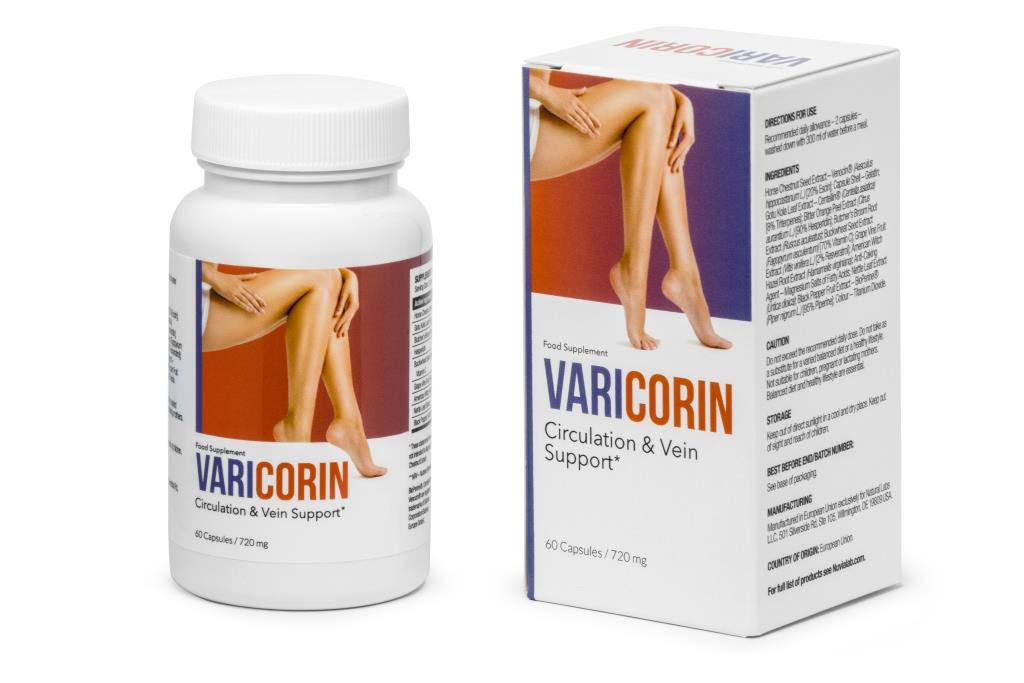
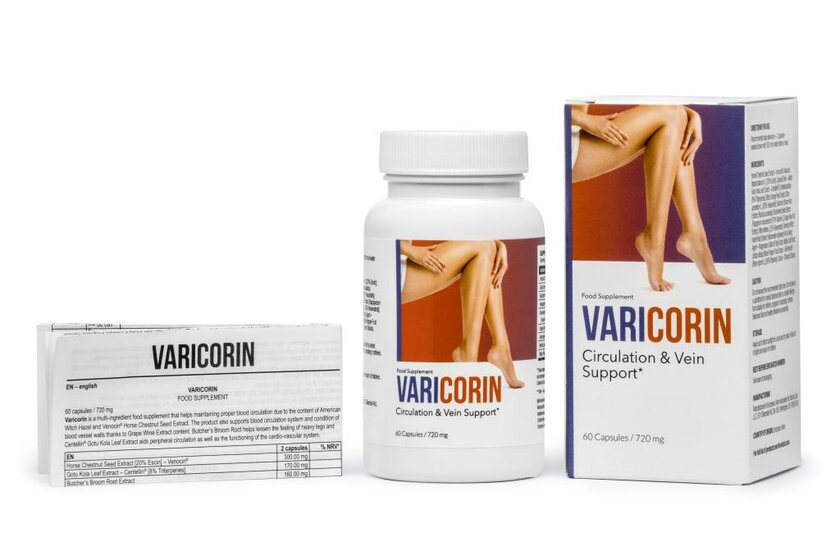
Heaviness is precisely the symptom the vein-botanical evidence addresses. Horse chestnut extract reduced leg heaviness-adjacent measures — pain, swelling, leg volume — versus placebo in the Cochrane-reviewed trials over 2–16 weeks.Varicorinbuilds on that ingredient family (horse chestnut standardised for escin, Centella, 150 mg hesperidin) at 5.6/10 in our scoring, with the standing caveat that its horse chestnut dose is unpublished, so trial-level escin intake cannot be confirmed. Position any supplement as the third layer — after movement/elevation habits and compression — and judge it on an evening-heaviness diary kept for 4–8 weeks. Evidence detail: ourhorse chestnut guide.
When Evening Heaviness Is Not (Just) Veins
- One leg only, markedly more swollen, especially if new— needs prompt assessment (possible clot or blockage).
- Heavy and swollen from the morning, pitting swelling that does not clear overnight— think lymphoedema, heart, kidney or thyroid causes, or medication effects (some blood-pressure medicines notoriously swell ankles).
- Heaviness with breathlessness, chest discomfort or rapidly increasing swelling— medical assessment, not vein care.
- Skin changes at the ankle— darkening, hardening, eczema, or a non-healing break: the venous disease has advanced a stage; see ourwarning-signs guide.
Frequently Asked Questions
Why do my legs feel fine in the morning?
Eight horizontal hours let gravity drain the pooled blood and fluid and let tissues recover. The morning lightness after evening heaviness is so characteristic of venous insufficiency that clinicians ask about it directly.
Is evening leg heaviness dangerous?
By itself, in both legs, following the classic daily pattern: it is a symptom to manage, not an emergency. It becomes medically important when the pattern breaks — one-sided, sudden, morning-persistent, or joined by skin changes or breathlessness.
Do restless legs at night relate to this?
They often coexist: venous symptoms peak in the evening, and the urge-to-move discomfort of restless legs also worsens at rest in the evening. The two are distinct conditions that can amplify each other's misery; persistent restless legs deserve their own assessment (iron status is one of the checks).
Will losing weight fix evening heaviness?
If excess weight is part of the picture, losing it lowers venous pressure and usually reduces the symptom meaningfully — it is a genuine lever, just a slow one compared with tonight's walk and elevation.
Last reviewed: October 2026. This article is educational and is not medical advice.
