
- Quick Answer
- Spider Veins vs Varicose Veins (Question #25)
- What Causes Spider Veins? (Question #24)
- Can Spider Veins Go Away on Their Own — or Naturally? (Questions #22, #23)
- How Sclerotherapy Actually Works (Question #26)
- Where Supplements Fit (Very Little, Here)
- Frequently Asked Questions
- What is the best way to get rid of spider veins on the legs?
- Are spider veins a health risk?
- Does sclerotherapy hurt?
- Can exercise prevent spider veins?
- Read This Next
Disclosure: This article contains affiliate links. If you buy through them, we may earn a commission at no extra cost to you. It never changes our scores or conclusions.
Quick Answer
Spider veins are tiny dilated vesselswithinthe skin — flat red, purple or blue webs, usually under 1 mm wide — while varicose veins are larger (3 mm+), raised and ropey, sitting deeper with failed valves behind them. Spider veins are overwhelmingly a cosmetic issue and do not turn into varicose veins. The best way to get rid of them issclerotherapy: injections that close the vessel so the body reabsorbs it over a few weeks. Creams, supplements and home remedies cannot remove them, and they do not fade on their own.
Spider Veins vs Varicose Veins (Question #25)
| Spider veins | Varicose veins | |
|---|---|---|
| Size & look | Under ~1 mm; flat; fine red/purple/blue webs or branches in the skin | 3 mm and up; raised, twisted, rope-like; blue-green |
| Location in tissue | Within the skin itself | Under the skin, fed by deeper veins with valve reflux |
| Symptoms | Usually none; occasionally mild burning or aching after long standing | Heaviness, aching, throbbing, swelling, itching, cramps |
| Medical weight | Cosmetic in the great majority | Can signal chronic venous insufficiency; skin changes and ulcers possible |
| Main treatment | Sclerotherapy; surface laser for the finest vessels | Reflux treatment first (ablation/glue/surgery), then sclerotherapy for branches |
One clinical nuance matters: dense spider-vein clusters can sit on top of underlying reflux. Competent clinics scan with ultrasound before treating the surface, because closing surface veins while a deeper feeder keeps pressurising them is the most common reason results do not last.
What Causes Spider Veins? (Question #24)
- Heredity— the dominant factor; vein-wall and valve tendencies run in families.
- Hormones and pregnancy— oestrogen relaxes vessel walls; pregnancy adds blood volume and pelvic pressure. Spider veins often appear or multiply in pregnancy.
- Prolonged standing or sitting— sustained venous pressure in the lower leg.
- Age and sun— skin thins and vessels lose tone; facial spider veins are strongly linked to sun damage (and rosacea).
- Local injury— a knock or bruise can leave a small permanent web.
Spider veins and varicose veins share this risk-factor list because both are expressions of venous pressure and vessel-wall weakness — cousins, not stages of one disease. A person can have extensive spider veins with perfectly competent deep valves, and significant varicose veins with clear skin between them.
Can Spider Veins Go Away on Their Own — or Naturally? (Questions #22, #23)
No. A dilated vessel that has lost its tone does not regain it; spider veins persist indefinitely without treatment, and typically accumulate slowly with age and hormonal change. Pregnancy-related ones may lighten somewhat afterwards but rarely vanish. It follows that no natural method removes them either: exercise, elevation and weight management reducepressure and symptomsin legs (and are worth doing), but they do not close an existing surface vessel. Every cream, oil or supplement marketed as spider-vein removal is claiming an effect none has demonstrated — at best, tinted creams conceal, and self-tan evens the contrast.
How Sclerotherapy Actually Works (Question #26)
Sclerotherapy is the reference treatment, and its mechanism is elegantly direct:
- A clinician injects a small amount of asclerosant— commonly sodium tetradecyl sulfate, polidocanol, or hypertonic saline — into the vein through a needle finer than a blood-draw needle. Sessions take about 15–30 minutes, in an office, without anaesthesia.
- The solution irritates the vein's inner lining; the walls inflame, stick together and seal shut, forming a tiny cord of scar tissue.
- Over the following weeks the body graduallyreabsorbsthe closed vessel while blood reroutes through healthy veins. The spider vein fades rather than vanishing overnight — typically noticeably lighter or gone within3–6 weeksfor spider veins (larger treated veins can take 3–4 months).
- Expect roughly50–80% of injected veins to clear per session; multiple sessions are normal for extensive webs. Compression stockings are worn for a few days afterwards, walking is encouraged immediately, and temporary bruising or brown pigmentation along the treated line can take weeks to months to fade.
Do treated veins come back?The closed vein itself is gone for good. What returns arenewspider veins — the treatment cannot change heredity, hormones or a standing occupation — and "recurrence" that is really an untreated feeder vein still pressurising the area. That is why realistic clinics talk about control and maintenance, not permanent eradication.
Surface laser treatment is the main alternative, best for the finest vessels and facial veins, and for people who cannot tolerate injections.
Where Supplements Fit (Very Little, Here)
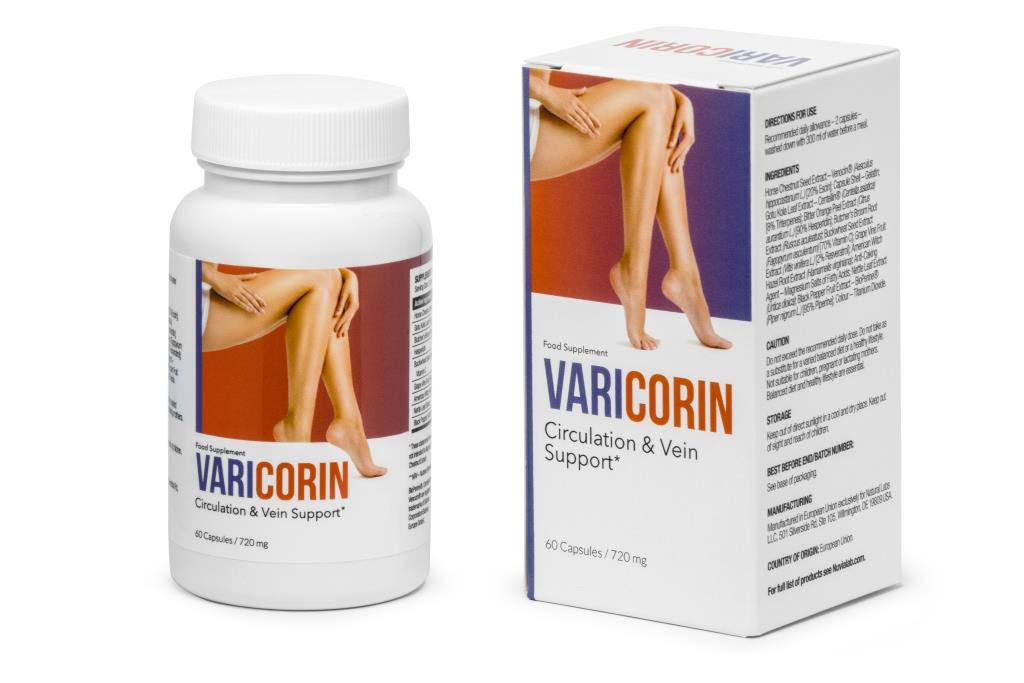
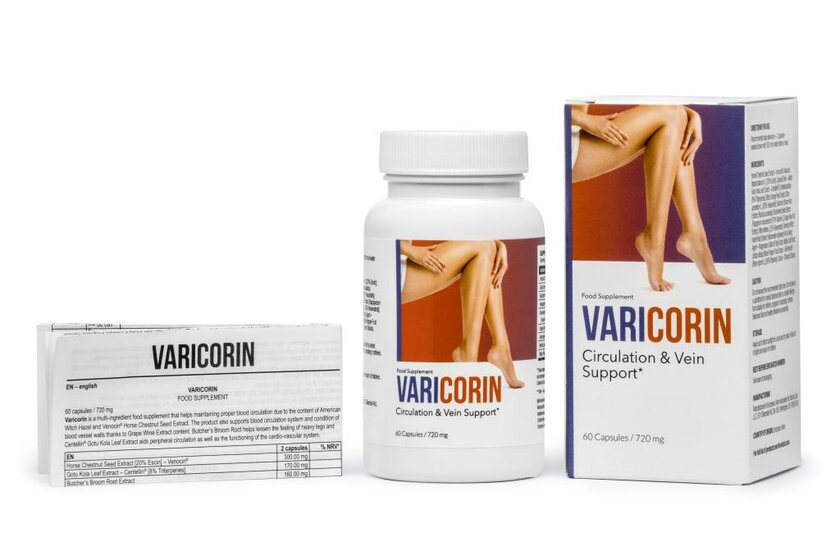
Vein supplements target the symptoms of venous insufficiency — heaviness, aching, swelling — which spider veins usually do not cause. A product likeVaricorin(horse chestnut, Centella, hesperidin; our score 5.6/10) is positioned by its maker for spider veins among other things, but no supplement has evidence of removing spider veins, and buying one for that purpose is buying the wrong tool. If spider veins are your only concern, the money belongs in a consultation and sclerotherapy; if heavy, aching legs are the concern, read oursupplement evidence review.
Frequently Asked Questions
What is the best way to get rid of spider veins on the legs?
Sclerotherapy, after an assessment (ideally with ultrasound if the pattern suggests underlying reflux). It is quick, office-based and clears the majority of treated vessels per session.
Are spider veins a health risk?
Rarely. They do not progress into dangerous conditions and do not become varicose veins. New, rapidly appearing clusters — especially with leg heaviness or swelling — are worth one professional look to exclude underlying reflux.
Does sclerotherapy hurt?
Most people describe brief stinging or mild cramping during injection, settling quickly. It is one of the least burdensome procedures in vein care.
Can exercise prevent spider veins?
It reduces venous pressure and is good for your legs generally, but it cannot override heredity or hormones. Prevention claims beyond "supports healthy circulation" overreach.
Last reviewed: October 2026. This article is educational and is not medical advice.
