
- Quick Answer
- The Ingredient League Table
- Can a Supplement Make Varicose Veins Disappear? (Question #9)
- Do Supplements Fix Venous Insufficiency? (Question #12)
- Reading a Real Product Against This Standard
- Frequently Asked Questions
- How long do vein supplements take to show anything?
- Are vein supplements safe?
- Can supplements replace compression stockings?
- What if my legs are getting worse on supplements?
- Read This Next
Disclosure: This article contains affiliate links. If you buy through them, we may earn a commission at no extra cost to you. It never changes our scores or conclusions.
Quick Answer
It depends which job you are hiring them for. Forsymptoms— leg pain, heaviness, swelling and itching from venous insufficiency — one supplement ingredient, horse chestnut seed extract, has genuine Cochrane-review support for short-term relief. Forstructure— shrinking veins, making them disappear, repairing valves or curing venous insufficiency —no supplement works, and any product claiming otherwise is misrepresenting itself. Buy for comfort if you buy at all, judge over 4–8 weeks, and keep the medical red flags in view.
Our Recommendation — Varicorin
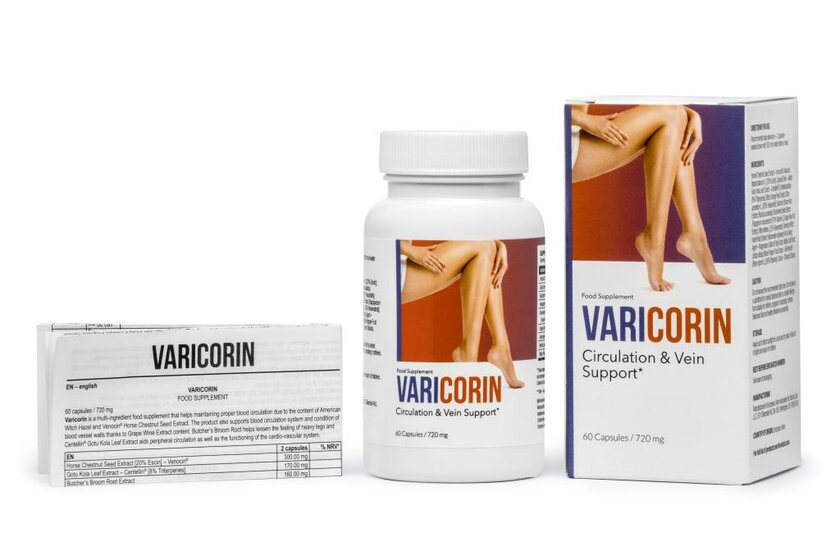
Score: 5.6/10 · Best for: adults with heavy, aching, swollen legs from early venous insufficiency who want the category’s best-evidenced botanical family — horse chestnut standardised for escin, plus Centella and hesperidin — as a symptom layer on top of walking, elevation and compression. Main caution: the horse chestnut amount is unpublished, so nobody can verify whether a daily serving reaches the roughly 100 mg of escin used in the trials; the seller is anonymous and no money-back guarantee is published. Fair trial: judge symptoms, not the mirror — an evening heaviness and swelling diary over 4–8 weeks, as the trials ran; at $49.99 a bottle with no guarantee published, start with one bottle.
The Ingredient League Table
| Ingredient | Evidence for vein symptoms | Notes |
|---|---|---|
| Horse chestnut seed extract (escin) | Strongest in category— Cochrane review of 17 RCTs: less pain, swelling, itching vs placebo; one trial comparable to compression stockings | Trials used standardised extract, ~100 mg escin/day, 2–16 weeks |
| Micronised flavonoids (diosmin/hesperidin type) | Moderate — long clinical use in Europe for venous symptoms; prescription-grade products in some countries | Evidence attaches to specific pharmaceutical preparations and doses |
| Centella asiatica | Limited — small trials in venous insufficiency patients, older literature | Plausible, not definitive |
| Grape seed / pine bark (pycnogenol) | Limited-to-moderate — some positive trials; pycnogenol beat horse chestnut on oedema in one comparison | Costly; small trial base |
| Butcher's broom, witch hazel, generic "circulation blends" | Weak — traditional use, few or no rigorous trials | Presence on a label is not evidence |
Two patterns decide whether a given product deserves your money: is the evidence-backed ingredient present at apublished, trial-level dose, and does the seller claim symptoms or miracles? Most of the category fails the first test quietly, by hiding amounts inside proprietary blends.
Can a Supplement Make Varicose Veins Disappear? (Question #9)
No. This deserves bluntness because it is the category's most common implied promise. A varicose vein is a structurally dilated vessel with failed valves. Nothing swallowed has ever been shown to restore a valve, re-narrow the vessel or make the vein vanish — in any trial, at any dose. What can change with symptom-focused care: legs that ache less, swell less by evening, and itch less
The vein in the mirror will look essentially the same, perhaps marginally less prominent on a good, unloaded morning. Removal belongs to procedures — sclerotherapy, ablation, glue, surgery — full stop. Any supplement page using "disappear", "dissolve" or "eliminate veins" language is telling you how it feels about accuracy generally.
Do Supplements Fix Venous Insufficiency? (Question #12)
Venous insufficiency is the underlying condition: valves failing, blood refluxing, pressure rising in the lower leg. It is a spectrum — from spider veins and evening heaviness through skin changes to ulceration. Supplements sit at the mildest end: symptom management for early, uncomplicated disease
They do not fix the reflux that duplex ultrasound would show, and they are not a treatment for the later stages — skin damage, eczema, lipodermatosclerosis, ulcers — where medical care changes outcomes. The honest model is a ladder: lifestyle and compression at the base, a trial-supported botanical as an optional comfort layer, vascular assessment the moment symptoms progress or skin changes appear.
Reading a Real Product Against This Standard
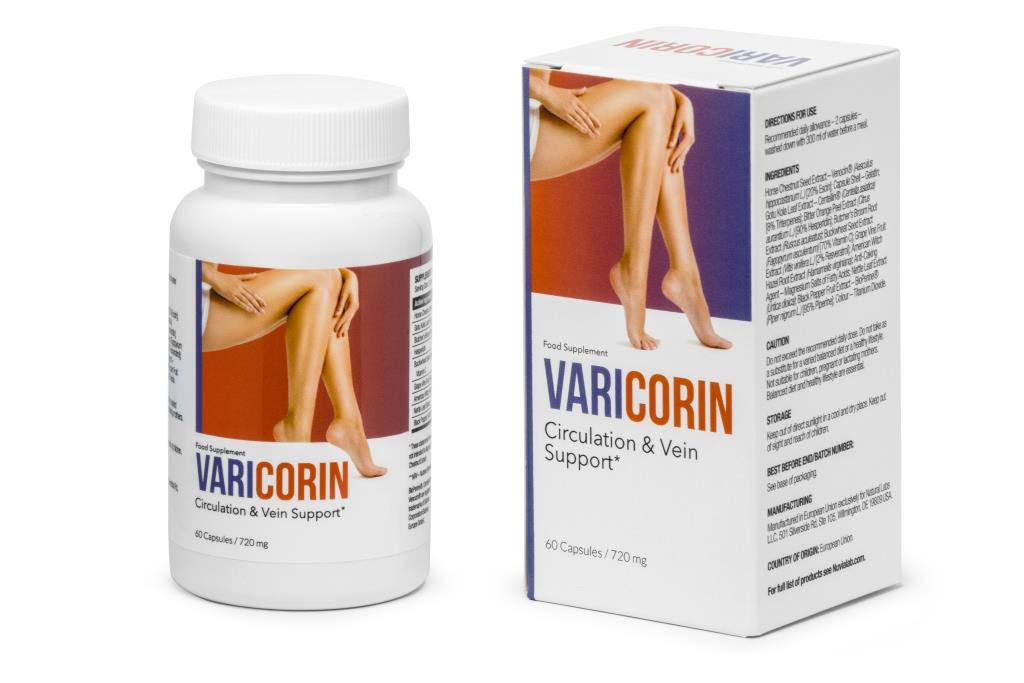
Varicorinshows both sides of the category. In its favour: its lead ingredients are the credible end of the table — horse chestnut extract standardised to at least 20% escin (Venocin®), Centella extract (Centellin®) and a disclosed 150 mg of hesperidin, the flavonoid family with real venous history. Against it: the horse chestnutamountis not published, so nobody can verify whether a daily serving delivers anything near the ~100 mg of escin used in the positive trials; the seller is anonymous; and no money-back guarantee is published, so a non-response costs you the bottle. That balance is exactly what our 5.6/10 score encodes. If you trial it, the fair test is symptoms — a heaviness/aching diary over 4–8 weeks — not the mirror.
Our Recommendation — Varicorin
Score: 5.6/10 · Best for: adults with heavy, aching, swollen legs from early venous insufficiency who want the category’s best-evidenced botanical family — horse chestnut standardised for escin, plus Centella and hesperidin — as a symptom layer on top of walking, elevation and compression. Main caution: the horse chestnut amount is unpublished, so nobody can verify whether a daily serving reaches the roughly 100 mg of escin used in the trials; the seller is anonymous and no money-back guarantee is published. Fair trial: judge symptoms, not the mirror — an evening heaviness and swelling diary over 4–8 weeks, as the trials ran; at $49.99 a bottle with no guarantee published, start with one bottle.
Frequently Asked Questions
How long do vein supplements take to show anything?
The horse chestnut trials ran 2–16 weeks, with symptom changes typically assessed from around 4 weeks. Judge at 4–8 weeks of daily use; stop if nothing has changed.
Are vein supplements safe?
Standardised horse chestnut extract was well tolerated in trials (mild stomach upset, dizziness, headache or itching in a minority). Cautions: raw horse chestnut is toxic — only processed extracts are used; vein botanicals can interact with blood-thinning and blood-sugar medication; and pregnancy is a check-with-your-doctor situation. See the precautions in ourhorse chestnut guide.
Can supplements replace compression stockings?
They address the same symptoms by different means, and one trial found horse chestnut comparable to compression — but compression also has roles supplements cannot fill (post-procedure care, ulcer management under supervision). Many people use both; see ourguide to combining them.
What if my legs are getting worse on supplements?
That is your answer about the supplement — and a prompt for medical assessment. Worsening swelling, skin changes or pain are not a dosage problem to solve with a second bottle.
Last reviewed: October 2026. This article is educational and is not medical advice. A suddenly swollen, painful leg, a bleeding vein or a non-healing ulcer needs prompt medical care.
