
- Quick Answer
- How Graduated Compression Works
- What the Evidence Supports — and What It Doesn't
- Getting the Benefit in Real Life
- Can You Combine a Venotonic with Compression? (Question #15)
- Where Varicorin Sits in This Combination
- Frequently Asked Questions
- Will compression stockings really treat my varicose veins?
- How many hours a day should I wear them?
- Do I need a prescription for 20–30 mmHg?
- Stockings or a supplement — if I can only pick one?
- Read This Next
Disclosure: This article contains affiliate links. If you buy through them, we may earn a commission at no extra cost to you. It never changes our scores or conclusions.
Quick Answer
Compression stockingswork for symptoms and do not treat the veins themselves. Graduated pressure (tightest at the ankle) measurably reduces aching, heaviness and swelling while you wear them — a placebo-controlled trial found 18–21 mmHg stockings beat look-alike 0 mmHg stockings on pain within a week. But the evidence doesnotshow that stockings cure varicose veins, repair valves, slow progression or prevent recurrence, and UK guidance (NICE) advises against offering them as the treatment for varicosities when a procedure is suitable. And yes — a venotonic supplement and compression can be combined; they work by different mechanisms, and the famous trial behind horse chestnut found the two roughly comparable, not conflicting.
How Graduated Compression Works
Pressure is measured in mmHg, like blood pressure. A graduated stocking is engineered to squeeze hardest at the ankle and ease off up the leg, which narrows surface veins, reduces the diameter blood can pool in, and helps the calf-muscle pump push blood upward. The practical sweet spot for symptom relief sits around15–20 mmHg: meta-analysis finds that range clearly better than under 10 mmHg, with no demonstrated extra benefit above ~20 mmHg for ordinary symptom management. Higher clinical grades (and thigh-length garments) exist for post-procedure care, ulcer treatment and clinician-directed use — stronger is not automatically better, and fit determines whether the pressure is therapeutic or merely tight. Stockings work best on moving legs; they assist the pump, they do not replace it.
What the Evidence Supports — and What It Doesn't
- Supported: symptom relief.Across trials of uncomplicated varicose veins, wearers consistently report less pain, heaviness and swelling; the placebo-controlled data (real vs 0 mmHg sham stockings) confirms the effect is more than expectation.
- Supported: specific medical roles.Ulcer healing support under clinical supervision, post-procedure recovery, pregnancy symptom relief, and long-haul travel for at-risk legs.
- Not supported: cure or structural change.Remove the stocking and the failed valve is exactly as failed. The vein does not shrink back over months of wear.
- Not supported: halting the disease.Reviews find no evidence stockings slow progression of varicosities or prevent recurrence after treatment — a disappointment, but a documented one.
- The guidance tension, explained:because procedures fix the reflux and stockings only manage its symptoms, NICE recommends referral and interventional treatment for suitable patients rather than stockings as a long-term substitute. Stockings remain the right answer when procedures are unsuitable, declined, awaited — or when symptoms are mild and the wearer simply prefers management.
Getting the Benefit in Real Life
- Put them on in the morning, before the day's fluid accumulates; taking them off in the evening is normal.
- Fit beats brand.Measure ankle and calf against the maker's chart; a rolled-down top or a bunching ankle creates a tourniquet effect that makes things worse.
- Below-knee is enough for most— trials have not established a length advantage, and compliance is better with the shorter garment.
- Replace roughly every 3–6 monthsof regular wear; elastic fatigue quietly lowers the delivered pressure.
- Comfort decides adherence.Donning aids, open toes and lighter grades worn consistently beat the "correct" grade abandoned in a drawer — the most common outcome with stockings, honestly reported in the literature itself.
- Caution:significant peripheral arterial disease changes the safety of compression. Cold, pale feet, leg pain at rest or foot wounds mean assessment before strong compression.
Can You Combine a Venotonic with Compression? (Question #15)
Yes — this is a common and rational pairing, not a conflict. The mechanisms are independent: the stocking supports the veins mechanically from outside; a venotonic such as horse chestnut extract aims at capillary leakiness and vein tone from inside
The landmark Diehm trial (1996) effectively ran the comparison for us, finding horse chestnut extract and class II compression produced near-identical leg-volume reductions over 12 weeks (−43.8 ml vs −46.7 ml) — evidence that each works on the same symptom cluster by a different route. Combining them is what many clinicians do for patients who want maximum symptom control without (or before) a procedure
There is no known interaction between wearing compression and taking standard vein botanicals; the medication cautions that apply to the supplement itself (blood thinners, blood-sugar drugs) still apply on their own merits.
Where Varicorin Sits in This Combination
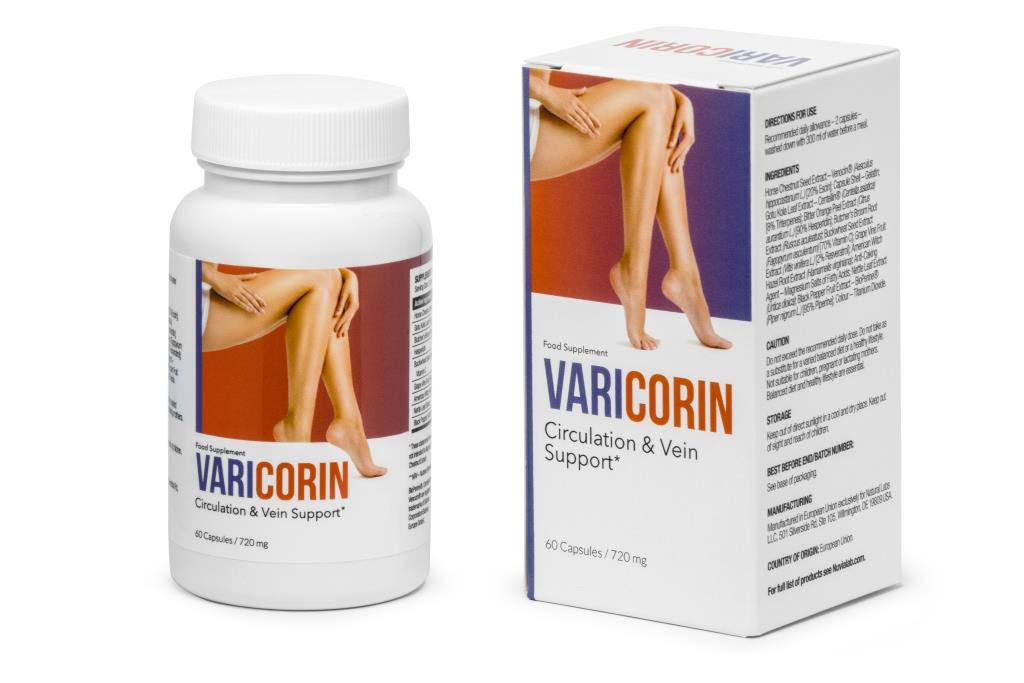
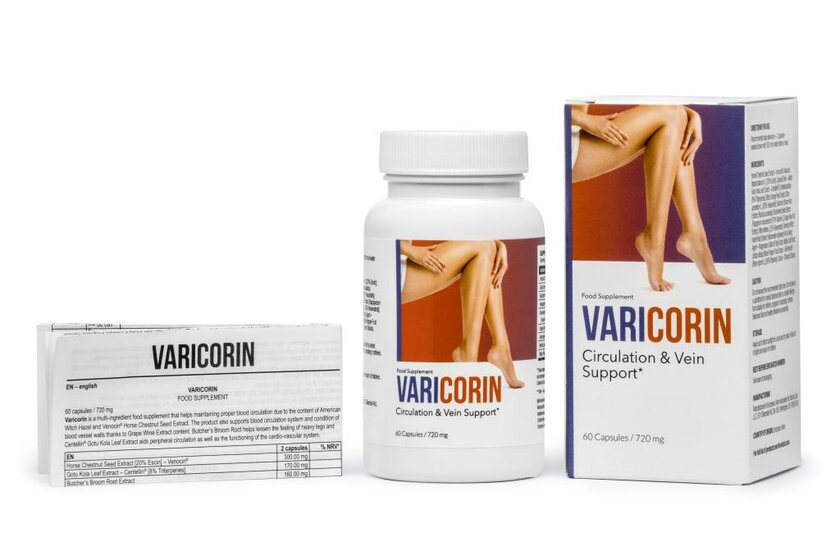
Varicorin— horse chestnut (Venocin®), Centella and 150 mg hesperidin, scored 5.6/10 in our review — is the kind of product designed for exactly this pairing: stockings on for the working day, capsules as the internal layer, walking and elevation as the foundation. The standing caveats travel with it: its horse chestnut dose is printed only on the box leaflet — 60 mg of escin a day, roughly half the trialled range, and no money-back guarantee is published. If you build the combination, change one element at a time and keep a two-week symptom diary, so you learn which layer earns its place — our reviews ofwhether vein supplements workand ofhorse chestnut specificallygive the full evidence picture.
Frequently Asked Questions
Will compression stockings really treat my varicose veins?
They will treat your symptoms, not your veins. Expect lighter, less achy legs on wearing days; expect the veins themselves to look the same when you take the stockings off.
How many hours a day should I wear them?
Typically the waking, upright hours — on in the morning, off in the evening. Trial participants averaged 8–10 hours a day. There is no benefit to sleeping in standard daytime stockings.
Do I need a prescription for 20–30 mmHg?
In most markets 20–30 mmHg is available over the counter, with stronger grades and ulcer care being clinician-directed. The more important gate is arterial health, not paperwork — if your foot circulation is questionable, get assessed first.
Stockings or a supplement — if I can only pick one?
For symptom relief with the fewest unknowns: stockings — the effect is mechanical, immediate and measurable on day one, with no dose secrecy. Add the supplement later if heaviness persists, and judge it separately.
Last reviewed: October 2026. This article is educational and is not medical advice. Compression for ulcers, post-surgical care or arterial disease should be clinician-directed.
