
- Quick Answer
- What Is Escin, and Where Does It Come From? (Question #18)
- What the Cochrane Review Actually Found
- Does Horse Chestnut Cure Varicose Veins? (Question #16)
- How to Use It, and the Precautions (Question #19)
- Applying the Standard to Varicorin
- Frequently Asked Questions
- Is horse chestnut as good as compression stockings?
- How long before horse chestnut helps?
- Is escin safe long-term?
- Can I use horse chestnut gel instead of capsules?
- Read This Next
Disclosure: This article contains affiliate links. If you buy through them, we may earn a commission at no extra cost to you. It never changes our scores or conclusions.
Quick Answer
Yes — with precise limits. Horse chestnut seed extract is the best-evidenced botanical for thesymptomsof chronic venous insufficiency: a Cochrane review of 17 randomised trials found it reduced leg pain, swelling and itching versus placebo over 2–16 weeks, and one well-known trial found it comparable to compression stockings. The trials used standardised extracts delivering roughly100 mg of escin (aescin) per day. It does not cure varicose veins or remove them, and the raw seed is poisonous — only processed, standardised extracts are safe to use.
Our Recommendation — Varicorin
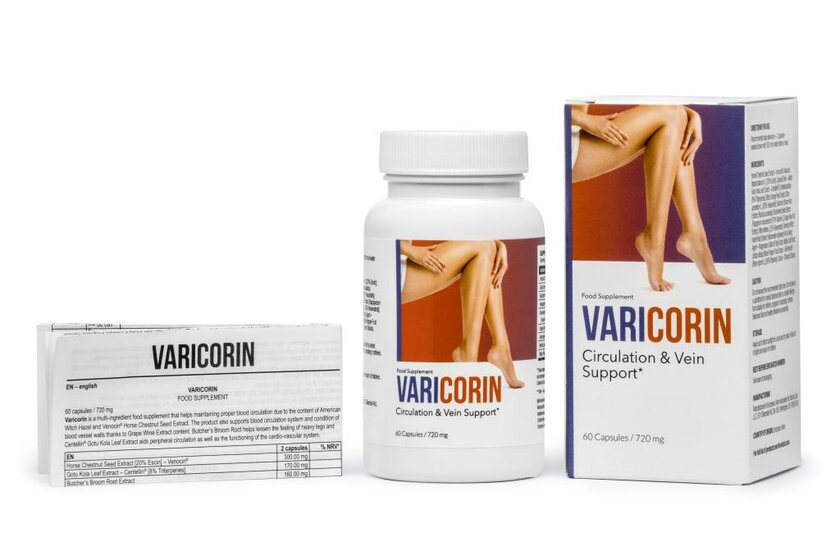
Score: 5.6/10 · Best for: adults with heavy, aching, swollen legs from early venous insufficiency who want the category’s best-evidenced botanical family — horse chestnut standardised for escin, plus Centella and hesperidin — as a symptom layer on top of walking, elevation and compression. Main caution: the horse chestnut amount is unpublished, so nobody can verify whether a daily serving reaches the roughly 100 mg of escin used in the trials; the seller is anonymous and no money-back guarantee is published. Fair trial: judge symptoms, not the mirror — an evening heaviness and swelling diary over 4–8 weeks, as the trials ran; at $49.99 a bottle with no guarantee published, start with one bottle.
What Is Escin, and Where Does It Come From? (Question #18)
Escin (also spelled aescin) is the main active mixture of saponins in the seed of the horse chestnut tree,Aesculus hippocastanum— the "conker" tree. It is thought to work by reducing capillary leakiness (less fluid escaping into tissue, hence less swelling), supporting vein-wall tone, and mild anti-inflammatory action. Two distinctions matter enormously:
- The extract is not the seed.Commercial extracts are processed to standardise the escin content and remove esculin, a toxic coumarin compound present in the raw seed, bark and leaves. Raw horse chestnuts are poisonous and must never be eaten or home-processed — the roasted-conker experiment is a genuinely bad idea.
- Standardisation is the product.Trials used extracts standardised to escin, typically given as about 50 mg of escin twice a day. A product that says "horse chestnut" without an escin percentage or an amount is asking you to take the active dose on faith.
What the Cochrane Review Actually Found
The Cochrane collaboration's review pooled 17 randomised controlled trials of oral horse chestnut seed extract in chronic venous insufficiency, all using escin-standardised preparations for 2–16 weeks:
- Leg pain:six placebo-controlled studies (543 participants) reported a clear reduction versus placebo.
- Swelling:across six trials (502 participants), leg volume fell by roughly 32 ml more than with placebo; circumference and itching improved too.
- Versus active treatments:the extract performed comparably to rutosides and pycnogenol on most symptoms, and in two trials comparably to compression stockings. The landmark comparison (Diehm, 1996,The Lancet, 240 patients, 12 weeks) measured lower-leg volume falling 43.8 ml on the extract and 46.7 ml on class II compression, while placebo rose 9.8 ml.
- Safety:adverse events across 14 trials were mild and infrequent — mainly gastrointestinal complaints, dizziness, nausea, headache and itching.
European regulators accept horse chestnut extract as a well-established medicine for venous insufficiency symptoms — heaviness, pain, swelling, itching, tension and calf cramps. The reviewers' caveat stands: the trials are older and modest in size, so "efficacious short-term treatment, larger definitive trials still needed" is the accurate summary.
Does Horse Chestnut Cure Varicose Veins? (Question #16)
No. Every positive result above is asymptomresult: less pain, less swelling, less itching. No trial shows veins shrinking back to normal, valves recovering, or the visible varicosities disappearing. "Cure" language attached to horse chestnut is marketing borrowing the credibility of symptom trials. The realistic expectation: legs that feel meaningfully better by evening while the underlying vein looks much the same — valuable, and not a cure.
How to Use It, and the Precautions (Question #19)
- Form:oral standardised extract (capsules/tablets); topical escin gels exist for localised heaviness and bruising under traditional-use rules.
- Dose reference:the trial pattern is ~100 mg escin/day (commonly 50 mg twice daily), taken for at least 2–4 weeks before judging, with trials running to 16 weeks.
- Nevereat raw seeds or use homemade preparations — esculin toxicity is the reason processing exists.
- Ask a clinician first if you:take anticoagulants or antiplatelet drugs (escin can add to bleeding tendency), take blood-sugar medication, have kidney or liver disease, or are pregnant or breastfeeding (insufficient safety data).
- Stop and seek carefor unusual bruising, or for any leg red flag — a suddenly swollen painful leg is a possible clot, not a supplement problem.
Applying the Standard to Varicorin
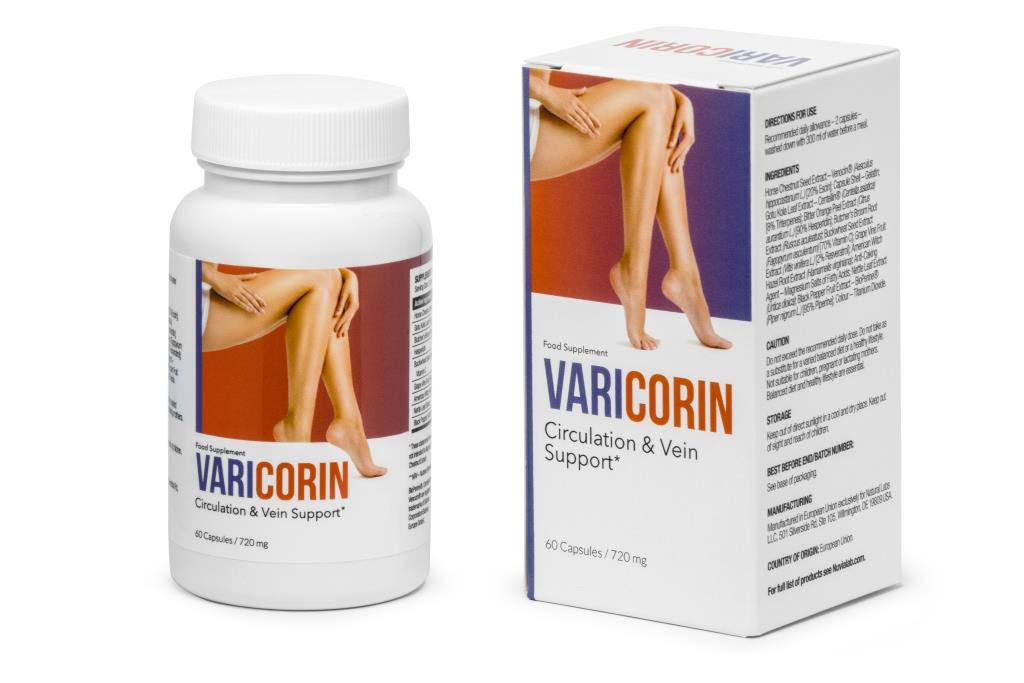
Varicorin'slead ingredient is Venocin®, a horse chestnut seed extract standardised to a minimum of 20% escin — the right ingredient in the right standardised family. The problem is arithmetic the maker will not let you do: the extract amount per serving is unpublished, so the daily escin total is unknown. At 20% standardisation, reaching the ~100 mg escin/day of the trials would require about 500 mg of extract daily; whether Varicorin delivers that, half of it, or a tenth of it cannot be determined from its label. That single missing number is the main reason we score the product 5.6/10 despite its credible ingredient choice — the evidence belongs to a dose, and the dose is a secret. If you use it, judge symptoms over 4–8 weeks as the trials did, alongside the measures in ournatural remedies guide.
Our Recommendation — Varicorin
Score: 5.6/10 · Best for: adults with heavy, aching, swollen legs from early venous insufficiency who want the category’s best-evidenced botanical family — horse chestnut standardised for escin, plus Centella and hesperidin — as a symptom layer on top of walking, elevation and compression. Main caution: the horse chestnut amount is unpublished, so nobody can verify whether a daily serving reaches the roughly 100 mg of escin used in the trials; the seller is anonymous and no money-back guarantee is published. Fair trial: judge symptoms, not the mirror — an evening heaviness and swelling diary over 4–8 weeks, as the trials ran; at $49.99 a bottle with no guarantee published, start with one bottle.
Frequently Asked Questions
Is horse chestnut as good as compression stockings?
In the one famous head-to-head trial, yes for leg-volume reduction over 12 weeks. Compression still has roles escin cannot fill — ulcer care, post-procedure support — and the two combine without conflict; see ourcompression guide.
How long before horse chestnut helps?
Trials measured outcomes from 2 weeks; a fair personal judgement point is 4–8 weeks of daily use at a known escin dose.
Is escin safe long-term?
Trials ran up to 16 weeks, so the evidence is a short-term evidence base. Longer use is common in European practice, but the honest statement is that multi-year controlled safety data does not exist — one more reason to use it for defined symptom goals and review periodically.
Can I use horse chestnut gel instead of capsules?
Gels are positioned for local heaviness and bruising (traditional use). The venous-insufficiency symptom evidence — pain, swelling, leg volume — belongs to the oral standardised extract.
Last reviewed: October 2026. This article is educational and is not medical advice.
