
- Quick Answer
- The Emergency and Same-Day Signs
- The See-a-Doctor-Soon Signs (Skin Is the Telltale)
- What Happens If You Never Treat Them? (Question #29)
- Can Varicose Veins Cause Leg Pain and Swelling? (Questions #30, #31)
- Two Questions Everyone Asks
- Frequently Asked Questions
- Should I see a doctor about painless varicose veins?
- Is superficial thrombophlebitis dangerous?
- Can varicose veins cause blood clots in the lungs?
- Do supplements change any of these risks?
- Read This Next
Disclosure: This article contains affiliate links. If you buy through them, we may earn a commission at no extra cost to you. It never changes our scores or conclusions.
Quick Answer
For most people, no: varicose veins are common, progress slowly, and many never cause more than aching and appearance concerns — NHS guidance is clear that most people come to no serious harm without treatment. But "usually harmless" has specific exceptions that every person with varicose veins should know by heart:a bleeding vein, a hard red painful vein, one leg suddenly swollen, ankle skin that darkens or hardens, and any non-healing sore. Those convert a cosmetic issue into a medical one, on timescales from "today" to "this month". This article is the checklist.
The Emergency and Same-Day Signs
- Bleeding from a varicose vein.The skin over a vein near the ankle can be paper-thin, and bleeding after a minor knock can be surprisingly heavy because venous pressure is high. First aid: lie down, raise the leg well above heart level, press firmly on the point, and seek urgent care if it does not stop promptly.
- One leg suddenly swollen, painful, warm or tight (especially the calf).That pattern suggests a possible deep vein thrombosis (DVT) — a clot in a deep vein. It needs same-day assessment, not elevation and optimism.
- Chest pain or breathlessness alongside leg symptoms.A clot that travels to the lungs (pulmonary embolism) is a medical emergency. Call emergency services.
- A vein that turns hard, red, warm and tender like a cord.This is usually superficial thrombophlebitis — inflammation with clotting inside a surface vein. It commonly settles over 1–3 weeks and isnotthe same as DVT, but it warrants medical review, particularly if it is extensive, recurrent, or near the groin, where the surface and deep systems meet.
The See-a-Doctor-Soon Signs (Skin Is the Telltale)
The slow danger of varicose veins is not the vein — it is the skin downstream of years of high venous pressure. These changes mean the condition has stopped being cosmetic:
- Brown or reddish staining around the ankle(haemosiderin — iron pigment from blood leaking into tissue).
- Hardened, tight, "woody" skinon the inner lower leg (lipodermatosclerosis), sometimes with pale scarred patches.
- Itchy, flaky eczema over the veins(varicose eczema).
- Any break in the skin that heals slowly, or an open sore (venous ulcer).
These are the pre-ulcer stages, and they are exactly the features health systems use to prioritise treatment — because treating the veins at this stage prevents ulcers rather than managing them. If this paragraph describes your ankle, book the appointment rather than another remedy.
What Happens If You Never Treat Them? (Question #29)
For the majority: very little, very slowly. Varicose veins tend to enlarge gradually over years; many remain a nuisance of aching, heaviness, itching and appearance. A minority progress to the skin changes above, and a smaller minority to ulcers, bleeding episodes or recurrent phlebitis. There is no ticking clock that makes untreated veins an emergency — but there is also no self-limiting improvement to wait for. A sensible middle path: manage symptoms conservatively (walking, elevation, compression — see ourremedies guide), watch the ankle skin, and escalate when symptoms, skin or bleeding change the picture. Can varicose veins go away untreated (Question #11)? No — apart from pregnancy-related veins sometimes improving after delivery, failed valves do not repair themselves.
Can Varicose Veins Cause Leg Pain and Swelling? (Questions #30, #31)
Yes — aching, heaviness, throbbing and ankle swelling that build through the day and ease overnight or with elevation are the textbook symptom pattern of varicose veins and venous insufficiency. Two cautions keep that honest: leg pain has many causes (joints, muscles, arteries, nerves, back), and because varicose veins are so common and visible, they get blamed for pain they did not cause
Pain that is one-sided and sudden, pain in a pale or cold leg, pain at rest that forces you to hang the leg out of bed, or pain with a swollen single leg belongs to other diagnoses until a clinician says otherwise.
Two Questions Everyone Asks
Are varicose veins hereditary? (Question #32)Strongly. Family history is one of the most consistent risk factors — if a parent had them, your odds rise substantially. Heredity is joined by age, female sex and pregnancy, prolonged standing or sitting, excess weight, previous leg injury and a previous DVT. You can manage the pressure; you cannot edit the inheritance.
Why are my leg veins suddenly noticeable? (Question #37)"Suddenly" usually has a trigger: weight gain, pregnancy or hormonal change, a new job with long standing or sitting hours, hot weather (heat dilates veins), ageing skin becoming thinner, or increased training that raises blood flow. Veins that appear rapidly ononeleg together with swelling are the exception — that pattern deserves prompt assessment for a deeper blockage.
Frequently Asked Questions
Should I see a doctor about painless varicose veins?
Not urgently. If they cause no symptoms and the ankle skin is healthy, conservative management and self-monitoring are reasonable. A routine appointment is still worthwhile if you want an assessment of options — a duplex ultrasound maps the reflux and turns guesswork into a plan.
Is superficial thrombophlebitis dangerous?
Usually not in itself, and it typically resolves in 1–3 weeks. It deserves review because extensive clots near the deep system junction can occasionally extend, and recurrent episodes are a recognised reason for vein treatment.
Can varicose veins cause blood clots in the lungs?
Varicose veins modestly raise the risk of deep vein thrombosis, and a DVT is what can travel to the lungs. That chain is why the one-swollen-leg and chest-symptom rules above are absolute, even though most varicose veins never clot.
Do supplements change any of these risks?
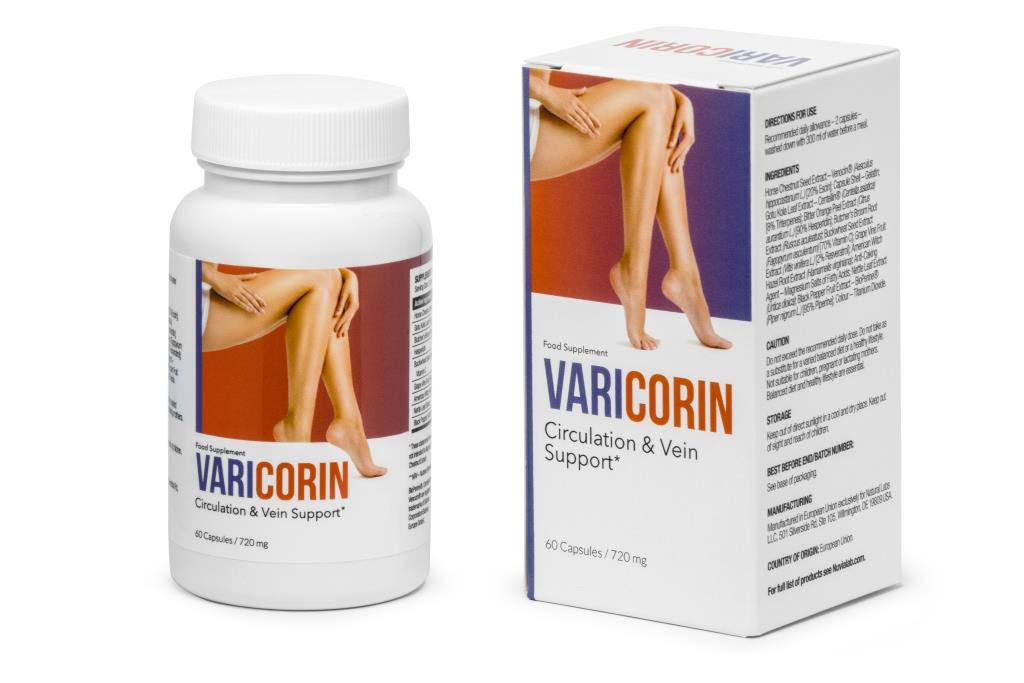
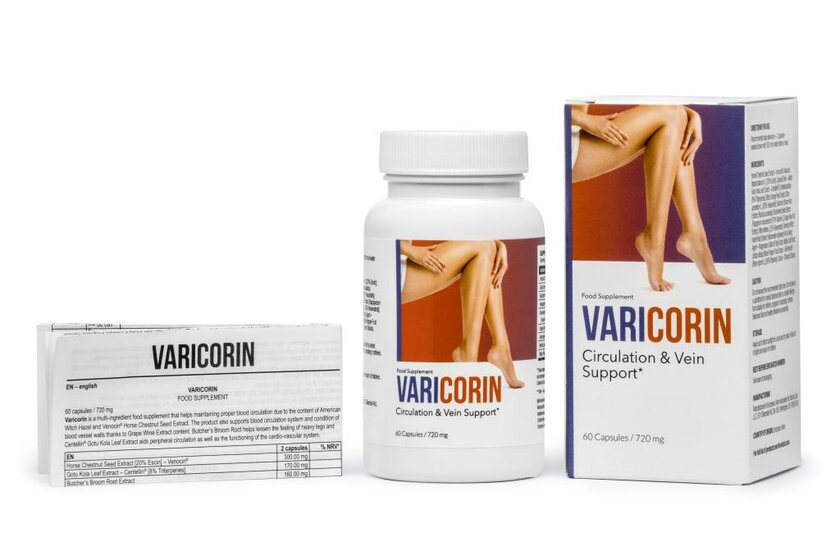
No supplement prevents bleeding, skin breakdown or clots, and none should delay assessment of a warning sign. Symptom-focused products such asVaricorinbelong in the calm, cosmetic-to-mild stage of this picture — see oursupplement evidence reviewfor what they can and cannot do.
Last reviewed: October 2026. This article is educational and is not medical advice. If any emergency sign above applies to you now, seek care first and read later.
