
- Quick Answer
- Nettle root vs nettle leaf — what's the difference for the prostate?
- Does nettle on its own improve BPH symptoms?
- Safarinejad 2005: the solo root trial
- The PRO 160/120 combination trials — fenced as combination evidence
- What the Regulators Say
- The Label Audit: NuProstate's Nettle
- A Shopper's Checklist for Any "Nettle" Prostate Product
- Safety
- Frequently Asked Questions
- Does nettle alone improve BPH symptoms?
- Is nettle leaf useless, then?
- Why do so many labels just say "nettle" without the plant part?
- How long did the nettle root trials run?
- Can I take nettle products with blood-pressure medication?
- What about nettle root for testosterone?
- Who Should Buy NuProstate — and Who Should Skip It
- Read This Next
Disclosure: This article contains affiliate links. If you buy through them, we may earn a commission at no extra cost to you. It never changes our conclusions.
Quick Answer
Same plant, different evidence. Every prostate trial of nettle — and the European regulator's BPH monograph — is about nettle root. The leaf has its own monograph, and it covers minor joint pain and flushing the urinary tract, not the prostate.
So a prostate formula built on nettle leaf, standardised to leaf polyphenols, is not a weaker dose of the studied material. It is a different material — the unstudied part of the plant, carrying the studied part's reputation.
The product in this cluster, NuProstate, uses the leaf. Its label says so plainly, which is how this audit is possible at all; the product scores 5.6/10. Best for: any man who has ever read the word "nettle" on a prostate label and assumed the trials stand behind the bottle in his hand.
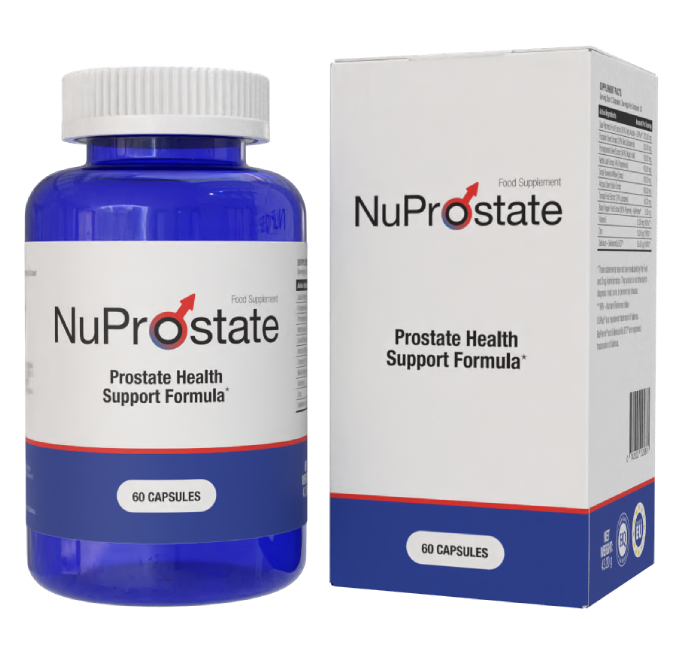
Our Recommendation — NuProstate
Score: 5.6/10 · Best for: men with mild urinary symptoms who want a fully disclosed formula — and who have had a proper prostate check first. Main caution: the milligrams match the trials but the extract strength does not: 45% fatty acids here against 85–95% in the big trials — and no money-back guarantee is published. Fair trial: the three-bottle pack at $35.99 a bottle — the shortest fair trial.
Nettle root vs nettle leaf — what's the difference for the prostate?
Stinging nettle (Urtica dioica) is one plant with (at least) two distinct herbal drugs, and herbal medicine has always treated them as different products.
The root is rich in lignans, lectins (notably UDA, Urtica dioica agglutinin), polysaccharides and sterols. This is the part with the prostate literature: the proposed actions — interactions with hormone-binding proteins and prostate cell growth factors — are root chemistry.
The leaf is a polyphenol-and-flavonoid material, traditionally used as a mild diuretic and for minor joint pain. When a label says "standardised to 4% polyphenols", it is describing leaf chemistry and a leaf quality marker. Polyphenol percentage says nothing about the root compounds the prostate trials actually delivered — because they are not in the leaf extract in the first place.
This is the whole article in miniature. "Nettle" on a prostate label can mean either material, and the evidence belongs entirely to one of them.
The root's proposed actions deserve one paragraph of their own, labelled as rationale rather than results. Its lignans are studied for how they interact with sex hormone-binding globulin (SHBG) — the protein that carries testosterone and related hormones — potentially altering how much hormone reaches prostate tissue. Its lectins and polysaccharides are studied for effects on prostate cell growth and inflammation.
That research programme is real, and our testosterone cluster examines the SHBG angle in its own right. But notice what it is research on: root extracts, root lignans, root lectins. The leaf's polyphenols do not appear in it. A leaf product cannot borrow even the mechanism story, let alone the trials.
Does nettle on its own improve BPH symptoms?
Safarinejad 2005: the solo root trial
The most substantial solo test is Safarinejad (2005, Journal of Herbal Pharmacotherapy): a randomised, double-blind, placebo-controlled trial of nettle root extract in 620 men with BPH, run over six months with a partial crossover, with 558 men completing the blinded phase.
The reported results were large. Symptom scores (IPSS) fell from 19.8 to 11.8 in the nettle root group, versus 19.2 to 17.7 in the placebo group (P = 0.002). Peak flow rose by 8.2 mL/s on the root extract versus 3.4 mL/s on placebo; post-void residual volume fell from 73 mL to 36 mL; and 81% of men on nettle root reported improved symptoms, versus 16% of men on placebo.
Now the reviewer caveats, which we apply to our own side's favourite numbers too. These effect sizes are strikingly larger than what comparable botanical trials usually produce, the work comes from a single research group, and it has not been independently replicated at this scale.
It is a genuinely positive trial — for the root — and it should be read as promising rather than settled. That combination — the best solo result in this article and a standing invitation to distrust it slightly — is what honest evidence in this category usually looks like.
The PRO 160/120 combination trials — fenced as combination evidence
The other major body of nettle evidence is a fixed combination: 160 mg of saw palmetto fruit extract plus 120 mg of nettle root extract, sold as PRO 160/120.
It has been compared against finasteride in a 543-man, 48-week study (Sökeland): flow and symptom gains broadly tracked the drug's, with peak flow rising 1.9 mL/s on the combination versus 2.4 mL/s on finasteride — no significant difference between them on that measure — and symptom scores falling from 11.3 to 6.5 on the combination versus 11.8 to 6.2 on finasteride.
It has also been compared against tamsulosin (Engelmann et al. 2006: 140 men, 60 weeks — symptom scores fell by a median of 9 points in both groups, with 32.4% of combination men versus 27.9% of tamsulosin men classed as responders, meeting the study's non-inferiority test), and against placebo (Lopatkin et al. 2005).
Fence this evidence properly. A two-extract combination cannot be credited to nettle alone, to saw palmetto alone, or to any product with a different ratio, different extracts — or, as in the label audited below, the wrong plant part entirely. What the combination trials establish is that this specific preparation performed respectably. Nothing in them transfers to a leaf.
The combination itself is a recognisably European pattern. German-language phytotherapy built several of its prostate preparations as fixed pairs — the idea being that two traditional extracts at studied doses, in a studied ratio, behave as a single defined medicine. Whatever one thinks of that tradition, it has a discipline the modern multi-ingredient label often lacks: the pair was tested as the pair.
Contrast the typical formula audited in this cluster: eleven ingredients, most at doses below their own ingredient trials, several in forms those trials never used. The European combination model and the everything-blend model make opposite bets — depth on two ingredients versus breadth across eleven — and only one of those bets has head-to-head drug comparisons behind it.
So, does nettle alone improve BPH symptoms? The honest answer: one large positive root trial with replication caveats, plus combination data that cannot be separated. That is a thin-but-real file — for the root. For the leaf, the prostate file is empty.
What the Regulators Say
The cleanest single exhibit in this whole cluster comes from the European Medicines Agency, which publishes separate herbal monographs for the two parts of this plant.
The EMA monograph on nettle root (Urticae radix) covers its traditional use for the relief of lower urinary tract symptoms related to benign prostatic hyperplasia. Root. Prostate. That is the monograph the category's marketing is, consciously or not, trading on.
The EMA monograph on nettle herb/leaf (Urticae herba) covers different territory: minor articular pain, and increasing urine flow to flush the urinary tract in minor complaints. Leaf. Joints and flushing. The prostate does not appear.
Two monographs, one plant, zero overlap in indication. A regulator that assessed both parts separately assigned the prostate use to the root and other uses to the leaf. Any label that prints "nettle" beside prostate claims while filling the capsule with leaf is standing on the wrong monograph.
One precision, because this site applies it everywhere: EMA traditional-use monographs are not proof of efficacy — they record long-standing use and plausibility, a point our willow herb article develops. The monographs matter here as a map of which part is used for what, and on that question they are unambiguous.
The radix monograph carries the framework's standard condition, and it is worth quoting in spirit: traditional use for BPH symptoms is framed for situations where serious conditions have been excluded by a medical doctor. Even the tradition-friendly regulator builds the clinic visit into the herb's legitimate use. It is the same sequence this whole cluster insists on — assessment first, botanical second — arriving from the regulator's direction rather than ours.
The Label Audit: NuProstate's Nettle
NuProstate's panel lists nettle leaf extract, 100 mg per daily serving, standardised to 4% polyphenols. Credit first: the label names the part. Many labels in this category print only "nettle extract" and let the buyer assume the trialled material; this one discloses enough to be audited, and this audit is only possible because of that disclosure.
The audit itself is short. The prostate trials used root extract. The combination trials used root extract. The regulator's prostate monograph covers root. NuProstate uses leaf — a different material, at 100 mg, standardised to a leaf marker. It is neither the trialled part nor a trialled preparation.
The honest close, because accuracy cuts both ways: nettle leaf is not inert. It has its own traditional uses, its own monograph, and a real polyphenol content. What it does not have is a prostate evidence base. In a prostate formula, the leaf line is best understood as label decoration with a plausible-sounding name — included, one suspects, because "nettle" tests well, while the nettle that was tested is the root.
And this is not an isolated habit. Elsewhere in our own catalogue, a leading testosterone formula uses nettle leaf in a context where the research conversation — root lignans and hormone-binding proteins — is also about the root; our testosterone cluster's nettle article makes the same correction there. Two categories, two different products, one repeated substitution.
That repetition is the real finding of this audit. A single leaf-for-root swap could be an accident of sourcing. The same swap appearing wherever "nettle" lends credibility suggests something structural: leaf extract is the cheaper, easier material, and the word on the front of the bottle does not distinguish them. Only the panel does — which is why this site reads panels.
A Shopper's Checklist for Any "Nettle" Prostate Product
Is the plant part named? If the label says only "nettle", the audit stops there — a maker who will not name the part has told you what the disclosure is worth. Root (radix) is the part with the prostate file.
Is it solo or a combination? Much of the root's best data comes from the PRO 160/120 combination. A solo root product and the combination are different interventions; ask which one a claim is standing on.
What is it standardised to? A polyphenol percentage signals leaf. Root preparations are described by their extraction and dose, not by leaf markers. The standardisation line quietly reveals which material is in the capsule.
Can you decode the extract ratio? Serious root products often print a drug-extract ratio (such as 5:1) and the solvent used — the fingerprints of a defined preparation comparable to a trialled one.
A label with neither a part, nor a ratio, nor a standardisation you can interpret is asking for trust it has not earned. NuProstate, to repeat the credit, passes the first test (the part is named) and fails the evidence test anyway — which is the more useful lesson: disclosure is necessary, but it is not the same as proof.
Safety
Nettle preparations are generally well tolerated; the root literature reports mainly mild gastrointestinal effects, and the PRO 160/120 trials recorded good tolerability over 48–60 weeks. Leaf preparations share the family's mild profile, with the standing cautions that apply to any diuretic-leaning herb alongside prescribed diuretics or blood-pressure medication — a pharmacist question, not a blog answer.
The safety point that matters most in this category is unchanged: symptoms assessed first, supplements second. A leaf-versus-root mix-up costs money and months; an unassessed prostate can cost more.
A last practical note on the plant itself: the sting belongs to the fresh plant's hairs and does not survive drying and extraction — commercial nettle preparations do not sting. Men who garden can handle the raw plant with respect and the extracts without concern on that front. The cautions that matter for extracts are the medication ones above, not the hedgerow ones.
Our Recommendation — NuProstate
Score: 5.6/10 · Best for: men with mild urinary symptoms who want a fully disclosed formula — and who have had a proper prostate check first. Main caution: the milligrams match the trials but the extract strength does not: 45% fatty acids here against 85–95% in the big trials — and no money-back guarantee is published. Fair trial: the three-bottle pack at $35.99 a bottle — the shortest fair trial.
Frequently Asked Questions
Does nettle alone improve BPH symptoms?
The root has one large positive placebo-controlled trial (Safarinejad 2005) plus combination data that cannot be credited to nettle alone; the leaf has no prostate trials at all. "Nettle" without a plant part named is a claim without a subject.
Is nettle leaf useless, then?
No — it is differently used. The EMA's leaf monograph covers minor joint pain and urinary flushing, and the leaf is a legitimate traditional herb in that territory. What it is not is the material tested for prostate symptoms. Wrong part, not worthless plant.
Why do so many labels just say "nettle" without the plant part?
Because the unqualified word inherits the root's reputation while letting the maker fill the capsule with whichever material is cheaper or easier to source — frequently the leaf. Naming the part is a one-word disclosure that costs an honest maker nothing. Its absence on a prostate label should be read as an answer, not an oversight.
How long did the nettle root trials run?
Six months for the solo trial (Safarinejad 2005), and 48–60 weeks for the PRO 160/120 comparisons against finasteride and tamsulosin. Those are respectable durations for this category — long enough that "give it more time" is not an obvious gap in the root's record, whatever its other caveats.
Can I take nettle products with blood-pressure medication?
Nettle leaf has a mild diuretic tradition, and any herb with diuretic or blood-pressure effects deserves a pharmacist's check against prescribed antihypertensives or diuretics before you combine them. The trial record for the root is reassuring on tolerability, but trials are not your medication list. Ask, with the actual products in hand.
What about nettle root for testosterone?
That is a separate question with its own literature (root lignans and sex hormone-binding globulin), and our testosterone cluster covers it in its own article — including the same root-versus-leaf discipline, since a leading testosterone formula also uses the leaf. The two questions share a plant part, not an answer.
Who Should Buy NuProstate — and Who Should Skip It
Buy it if: you are choosing it for its fully disclosed label and its correctly dosed flagship, with the nettle line understood for what it is — a traditional-herb inclusion, not a trialled prostate ingredient. Nothing in this article changes the product's overall standing; it corrects one line of it.
Skip it if: nettle's trial record is part of why you are buying. That record belongs to the root — solo in one large trial, or in the PRO 160/120 combination — and neither is what this bottle contains. And skip it, as always here, if you want a money-back guarantee: none is published.
Last reviewed: October 2026. This article is educational and is not medical advice.
