
- Quick Answer
- Why Matcha on an Empty Stomach Causes Nausea
- Does Matcha Block Iron Absorption?
- Can Matcha Harm Your Liver?
- Caffeine Effects, Sleep and Nerves
- Can You Drink Matcha During Pregnancy?
- Quality and Contamination Notes
- Who Should Skip Matcha or Clear It First
- Frequently Asked Questions
- Is matcha safe to drink every day?
- Is matcha safer than green tea extract?
- Can children drink matcha?
- Does matcha cause headaches?
- Read This Next
Disclosure: This article contains affiliate links. If you buy through them, we may earn a commission at no extra cost to you. It never changes our scores or conclusions.
Quick Answer
Matcha is a food, and its side-effect profile is a food's: nausea on an empty stomach, reduced iron absorption from meals, and caffeine effects on sleep and nerves. All three are dose-dependent, and all three are manageable with timing for most healthy adults.
The serious warning attached to "green tea" in headlines belongs somewhere else. It attaches to concentrated catechin extracts — capsules standardised for EGCG — not to whole-leaf tea whisked in water. Confusing the two scares tea drinkers and reassures extract users, both wrongly.
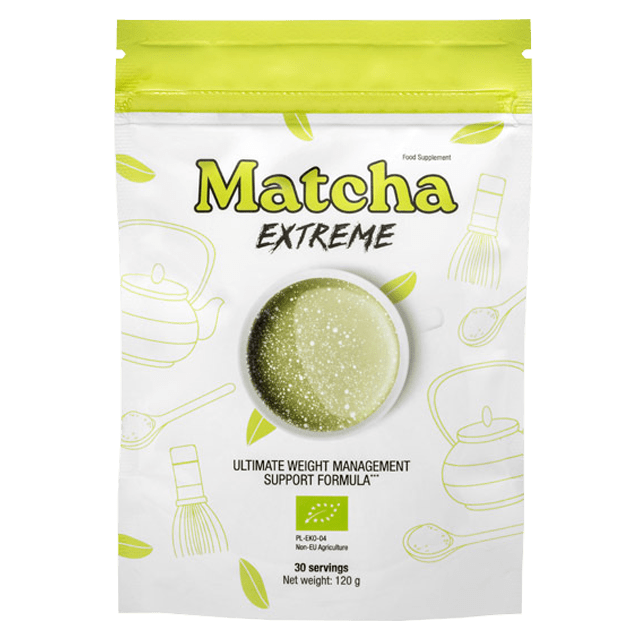
Best for: daily matcha drinkers who want the food-level risks separated from the extract-level warnings — and anyone whose blended matcha product, such as Matcha Extreme, raises questions its own panel answers differently from generic tea advice.
Why Matcha on an Empty Stomach Causes Nausea
Ask regular matcha drinkers about side effects and one answer dominates every guide and forum: nausea when it is drunk on an empty stomach. It is the commonest real-world complaint about matcha, ahead of anything involving the liver or the heart.
The mechanism is ordinary food chemistry. Matcha delivers tannins and catechins in the whole leaf, not in a diluted infusion. On an unlined stomach, those astringent compounds meet acid and an empty gut, and the result for many people is queasiness, cramping, or a sour stomach.
Concentration makes it worse. A thick, koicha-style preparation or a double-strength serving puts more leaf compounds into the same empty stomach at once. So does very hot water gulped quickly. The complaint scales with dose and speed, not with some hidden toxin.
The NCCIH's green tea page lists nausea and abdominal discomfort among the reported effects of green tea products, with the stronger reports again attached to extract supplements. For whole-leaf tea, the empty-stomach pattern is the everyday version of that same stomach sensitivity.
Now the honest tension. Popular advice tells fasted exercisers to drink matcha before a morning workout, because the fat-oxidation trials dosed it ahead of activity. Those trials were not designed around sensitive stomachs, and their conditions do not oblige anyone to feel ill.
Our resolution is practical, and we state it as the rule: with food or after food is the workable pattern for anyone who gets nauseous. A small meal blunts the tannin hit. Adherence to a comfortable routine beats protocol purity over any timescale that matters.
If nausea arrives even with food, reduce the serving before abandoning the drink entirely. Half a serving halves the leaf compounds as well as the caffeine. A disclosed panel — grams of leaf per serving — is what makes that adjustment calculable rather than guesswork.
Persistent nausea, vomiting, or stomach pain that continues after you stop is a different category. That is not a matcha quirk to manage; it is a symptom to discuss with a clinician, particularly if it arrives alongside any of the liver warning signs covered below.
Does Matcha Block Iron Absorption?
It reduces it, under specific conditions — and the conditions are the point. Tea's polyphenols bind non-heme iron, the form of iron in plant foods, legumes, grains, and most supplements. Heme iron from meat is far less affected by the same chemistry.
The primary record is Hurrell et al. 1999, in the British Journal of Nutrition. In adult volunteers, polyphenol-containing beverages reduced iron absorption from a bread meal by 50–70% compared with a water control, at servings containing 20–50 mg of total polyphenols.
At higher polyphenol servings in the same adult volunteer experiments, the reduction compared with the water control reached 60–90%. Black tea was among the most inhibitory drinks tested. Matcha, as a concentrated whole-leaf green tea, belongs on the same side of that ledger.
The practical rule follows directly: keep matcha one to two hours away from iron-rich meals and from iron supplements. That spacing lets the meal's iron clear the stomach before the tannins arrive, and it costs the drinker nothing but a small scheduling habit.
Who should take this seriously? Vegetarians and vegans, whose iron is almost entirely non-heme. Anyone with diagnosed low iron or iron-deficiency anaemia. And women of reproductive age, whose iron requirements are higher and whose margins are thinner than the general population's.
For a well-nourished omnivore drinking one serving a day away from meals, the effect is a footnote. Iron status is built across the whole diet and the whole month. A single timed cup is not the variable that decides it, and we will not inflate it into one.
There is one genuine nuance in matcha's favour, and it belongs to blended products. Vitamin C aids non-heme iron absorption — it is the best-documented counterweight to tannin inhibition. A blend that adds acerola, as Matcha Extreme does at 350 mg per scoop, partially offsets its own tannin effect.
Stated at exactly that strength: partially, and in principle. The acerola in that panel delivers 60 mg of vitamin C per scoop, a meaningful amount. No trial has measured the net iron effect of this specific blend, so the offset is a reasoned expectation, not a tested result.
Can Matcha Harm Your Liver?
This is the section where the extract distinction stops being a slogan and becomes the whole answer. The liver signal in the green-tea literature attaches to concentrated extracts taken as supplements — standardised, high-dose EGCG in capsules — and especially to taking them fasted.
The regulator's line is precise. In the EFSA green-tea catechin safety assessment, catechins from ordinary green-tea infusions were considered generally safe, while supplement doses at or above 800 mg of EGCG a day were associated with initial signs of liver damage in trial volunteers.
EFSA also could not identify a safe supplement dose below that line from the available data. Read that correctly: 800 mg a day is where harm was demonstrated in supplement trials, not a certified safe threshold with a comfortable margin underneath it.
Whole-leaf matcha sits an order of magnitude below that exposure. A serving delivers the leaf's natural catechin content — tens of milligrams of EGCG in typical analyses, not hundreds. Nobody reaches extract-level EGCG doses by whisking tea, short of drinking implausible quantities daily.
The case literature agrees with the distinction. The NCCIH green tea safety summary notes that liver injury, while uncommon, has been reported primarily in people using green tea extracts in tablet or capsule form — not in adults drinking green tea as a beverage.
Matcha Extreme illustrates why panels matter here. Its scoop contains 2,250 mg of whole matcha leaf — a food ingredient at a food dose — not a standardised EGCG extract. Whatever questions that product raises, and it raises real ones about caffeine disclosure, the EFSA extract warning is not one of them.
Symptoms still deserve a hard line in any green-tea product context. Stop and seek care for yellowing of the skin or eyes, dark urine, unusual fatigue, nausea that does not settle, or pain in the upper right of the abdomen. Those are liver warning signs, whatever the source.
Anyone with an existing liver condition should clear concentrated green-tea products with their clinician first. That advice is aimed at extract users above all — but a blended powder taken daily, at double servings, is also a reasonable thing to mention at that conversation.
Caffeine Effects, Sleep and Nerves
Matcha's commonest systemic effects are caffeine's. Jitters, a racing or fluttering heart, anxiety, headache, and broken sleep all scale with dose and with personal sensitivity. None of them is exotic, and none requires a matcha-specific explanation — the molecule is the same one in coffee.
The dose is where matcha misleads people. Leaf caffeine content varies widely — roughly 19–44 mg per gram of leaf in published analyses. A 1-gram serving might carry about 19–44 mg; a strong 4-gram blend scoop, an estimated 43–99 mg, depending on the leaf it was made from.
That range is why "matcha is low-caffeine" is only sometimes true. A light serving sits below a cup of coffee. A double serving of strong leaf approaches one. Readers counting caffeine for sleep, anxiety, or medication reasons cannot work from the word "matcha" alone — they need grams.
Sleep is where the dose lands last. Caffeine's half-life runs about five to six hours in most adults, so an afternoon serving still has roughly half its caffeine aboard six hours later. Our timing article works that arithmetic in full; the safety point is that late matcha is late caffeine.
The FDA's consumer guidance on caffeine cites about 400 mg a day as the amount not generally associated with negative effects for most healthy adults. It also lists exactly the symptoms above — jitters, anxiety, fast heartbeat, upset stomach, headache, sleep trouble — as signs of too much.
Some groups sit under stricter limits, and caffeine binds them harder. Pregnant readers work to a lower daily cap, covered in the next section. Adolescents are advised to limit caffeine sharply. People with anxiety disorders often find their personal ceiling far below any regulator's number.
Medication timing is the quieter interaction. Caffeine can add to the effect of stimulant medicines and can mask or mimic symptoms clinicians are monitoring, including heart rate and blood pressure changes. A daily caffeinated powder belongs on the list you show your pharmacist — blended products included.
Matcha Extreme again shows the disclosure gap in concrete form. Its panel declares every ingredient amount except caffeine, the one its users most need for these calculations. Any per-scoop figure — including our estimated 43–99 mg — is an estimate from leaf weight, never a label fact.
Can You Drink Matcha During Pregnancy?
Two answers exist, and this article keeps both visible, because collapsing them into one is how readers get misled. The generic answer concerns caffeine. The product-specific answer concerns what a particular maker prints on its own panel. They are not the same answer.
Generic guidance first. Obstetric and regulator guidance commonly caps caffeine at about 200 mg a day during pregnancy. Under that ceiling, a single modest serving of matcha — carrying perhaps 19–70 mg of caffeine depending on its size and leaf — can fit inside a counted daily total.
That generic framing comes with homework attached. The 200 mg budget covers every source: coffee, tea, cola, chocolate, energy drinks, and any blended powder. A matcha habit fits only if the rest of the day is counted honestly alongside it.
Now the product-specific answer, and it is stricter. Matcha Extreme's own panel states that the product is not suitable for children, pregnant or lactating mothers. That line is printed by the maker, for this formula, with its undisclosed caffeine total fully in the maker's view.
For this product, the panel governs. A generic caffeine budget cannot overrule a maker's own caution about its own blend — a blend that also contains spirulina, a prickly-pear ingredient, and acerola, none of which carries a pregnancy evidence file the maker has published.
The teaching point generalises beyond one brand. When generic guidance and a product's own panel disagree, the stricter instruction is the one written for the thing actually in your cupboard. Generic rules describe a category; panels describe a product, and products are what people consume.
Breastfeeding readers sit in the same panel line — "lactating mothers" are named alongside pregnant readers. Caffeine passes into breast milk in small amounts under generic guidance, but again, for this specific product, the maker's printed caution is the instruction to follow.
Our practical summary: plain matcha, counted against a 200 mg daily caffeine budget, is a conversation to have with your midwife or doctor. Matcha Extreme during pregnancy or breastfeeding is simpler — its own panel says no, and we report that line exactly as printed.
Quality and Contamination Notes
Tea carries a standing quality question that has nothing to do with catechins: plants absorb what their soil and water contain. Lead and other heavy metals are the contaminants most often raised for teas generally, because the leaf concentrates minerals from its growing environment.
Matcha deserves one extra sentence of care here, not alarm. With steeped tea, most of the leaf stays in the pot. With matcha, the drinker consumes the whole ground leaf — so anything in the leaf, good or bad, is consumed with it, in full.
That is a reason to care about sourcing, not a finding about any specific product. We have no product-specific contamination finding to report for Matcha Extreme or any other brand in this article, and we will not manufacture one from the general concern.
The buyer's tools are limited but real: origin disclosure, organic certification from a named certifier, and batch testing published by the maker. A brand that prints its full ingredient panel, as this one does, has at least shown it can disclose; asking it for testing is a fair next step.
Taste and colour are weak evidence, whatever social media says. Bright green colour reflects shading and freshness of leaf, not laboratory purity. A dull powder is not thereby contaminated, and a vivid one is not thereby clean. Only testing answers testing questions.
Storage completes the quality picture at home. Matcha oxidises with air, light, and heat, losing flavour and catechin content over months. Sealed, cool, and dark storage protects quality. Degraded matcha is a disappointment issue, not a safety one — the distinction matters, and we keep it.
Who Should Skip Matcha or Clear It First
Anyone with low iron or iron-deficiency anaemia should not skip matcha automatically — but should time it. Keep servings one to two hours from iron-rich meals and iron supplements, and raise a daily habit with the clinician managing your iron.
Pregnant or breastfeeding readers should follow the strictest applicable line. For plain matcha, that is a counted caffeine budget agreed with their clinician. For Matcha Extreme specifically, its panel excludes them outright, and that instruction stands.
Children and adolescents are named in the same panel caution, and the reason is caffeine. Growing bodies, school-night sleep, and uncounted caffeine from a sweetened blended powder are a poor combination. This product is not for them, by its maker's own instruction.
The caffeine-sensitive — anyone who gets palpitations, panic symptoms, or wrecked sleep from coffee — should start with a small serving, early in the day, or skip matcha entirely. Sensitivity is individual and stable; it is information, not weakness.
Anyone with a reflux or empty-stomach nausea pattern should take matcha with food or not at all. The tannin effect described above will find them first. A drink that reliably makes you feel ill has failed its only job, whatever its antioxidant profile.
People on regular medication should run a daily matcha habit past a pharmacist, particularly with heart-rate, blood-pressure, or stimulant medicines in the picture. Green tea products also have documented interactions at extract doses; a daily powder habit deserves the same one-minute check.
Anyone with a liver condition should direct their caution at the right target: concentrated green-tea extracts, not ordinary tea. Even so, a daily blended powder at double servings belongs in that clinician conversation, stated plainly, before the habit sets.
Frequently Asked Questions
Is matcha safe to drink every day?
At studied, tea-sized servings, for most healthy adults, yes — with two habits attached. Keep it one to two hours away from iron-rich meals and iron supplements, and keep the last serving at least six hours before bed. Daily use at double servings of strong leaf deserves a caffeine count.
Is matcha safer than green tea extract?
On the liver record, clearly yes, and the difference is the exposure. Extracts concentrate EGCG to supplement doses at or above 800 mg a day, where the EFSA assessment found signs of liver damage in trial volunteers compared with controls. Whole-leaf servings deliver a food-level fraction of that.
Can children drink matcha?
Caffeine is the reason for caution, and blended products settle the question themselves: Matcha Extreme's panel states it is not suitable for children. For plain matcha, small amounts in food are a parental judgement; a daily caffeinated drink habit for a child is not something we would recommend.
Does matcha cause headaches?
It can, through caffeine in both directions. A larger-than-usual dose can trigger headache and jitters in sensitive drinkers. So can the opposite: a daily drinker who skips a day may meet a withdrawal headache by afternoon. Both patterns are caffeine physiology, well documented, and dose-dependent.
Last reviewed: October 2026.
