
- Quick Answer
- What Is Garcinia Cambogia, and What Is HCA Supposed to Do?
- What Do the Trials Actually Show?
- The largest trial found nothing
- How the trials were run
- What does a kilogram actually buy?
- Why Do the Ads Sound So Different From the Data?
- Is Garcinia Cambogia Safe?
- Why normal blood tests in trials do not settle this
- The multi-ingredient problem
- What Did Regulators Do in 2025–26?
- Who Should Not Take Garcinia?
- What the new label warnings actually say
- How Garcinia Is Sold — and Why Blends Complicate Everything
- How Would You Know If It Was Hurting Your Liver?
- Garcinia alongside medicines
- What Would Change the Verdict?
- From Cooking Ingredient to Capsule: The Dose Journey
- The Bottom Line
- Garcinia in Crave Burner
- Frequently Asked Questions
- How much weight can you realistically lose with garcinia cambogia?
- Does garcinia cambogia block fat production?
- Why did France ban garcinia supplements?
- Can garcinia damage your liver?
- Is the serotonin appetite claim true?
- Read This Next
Quick Answer
Pooled across its trials, garcinia cambogia produces roughly one extra kilogram of weight loss over placebo — 1.34 kg in the most favourable modern analysis, 0.88 kg in the earlier one — in short trials lasting weeks, not months.
The largest single trial found no effect at all. And the pooled averages hide a sensitivity result marketers never quote: when only the most rigorous trials are counted, the effect stops being statistically significant.
The safety record is the other half of the story. Garcinia has a documented liver-injury record, and in 2025 regulators in several countries moved against it — including a suspension of sales in France.
So the honest summary is: a small, fragile average benefit on the scale, against a rare but serious harm that regulators now treat as real. The rest of this article separates those two records, claim by claim.
What Is Garcinia Cambogia, and What Is HCA Supposed to Do?
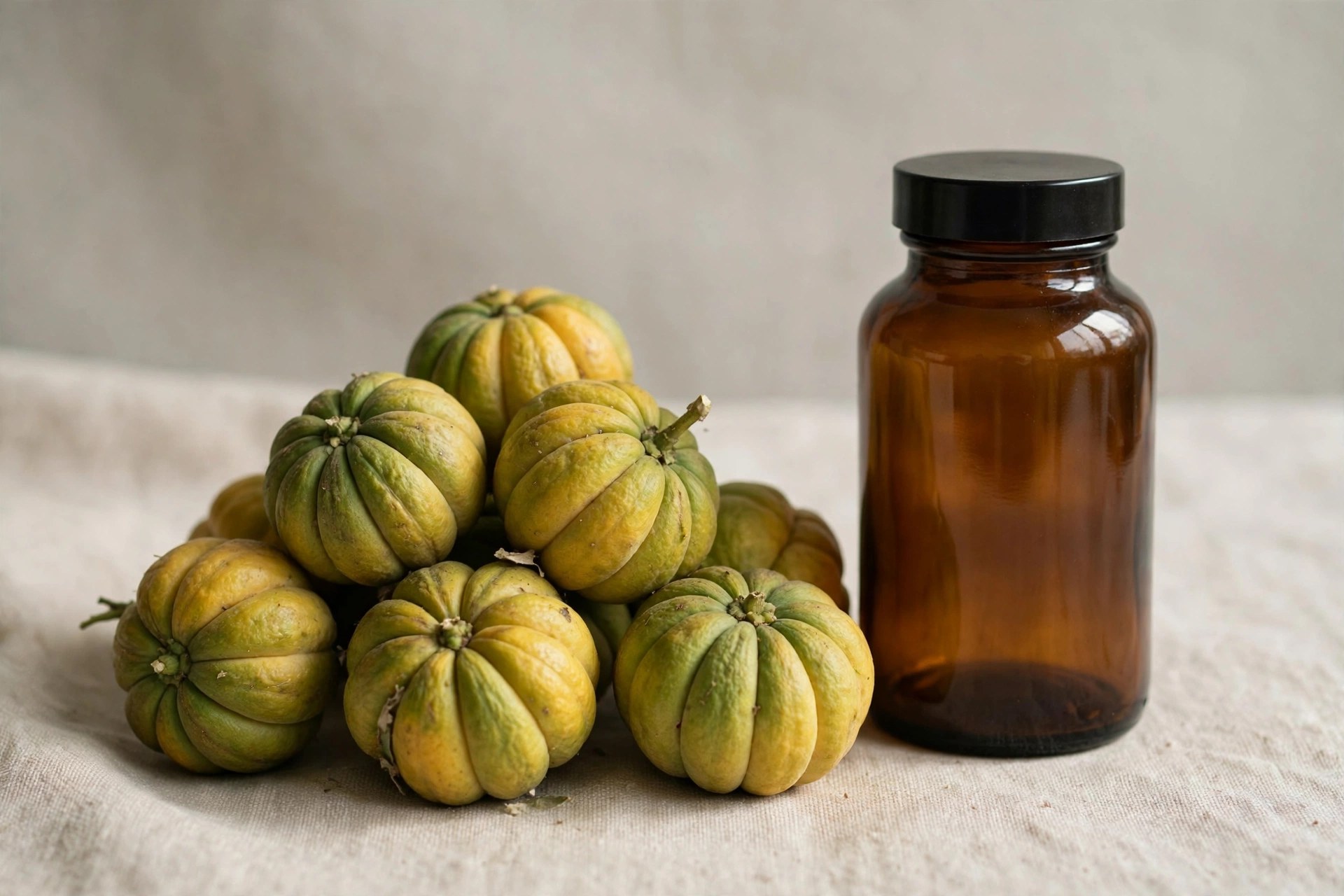
Garcinia cambogia is a small, pumpkin-shaped tropical fruit, also called Malabar tamarind. Its rind has a long history as a souring agent in South and Southeast Asian cooking.
The supplement industry is not interested in the fruit as food. It is interested in hydroxycitric acid — HCA — a compound concentrated in the rind and sold in extracts standardised to 50–60% HCA.
The marketing mechanism sounds precise. In laboratory and animal work, HCA inhibits an enzyme called ATP citrate lyase, which the body uses to convert excess carbohydrate into fat.
Block that enzyme, the pitch runs, and the body makes less new fat. A second claim follows: HCA is said to raise serotonin, which is said to suppress appetite and emotional eating.
Both claims start from real biochemistry. The question is whether they survive contact with human trials — because an enzyme effect in a dish is not a weight effect in a person.
What Do the Trials Actually Show?
Three analyses, read in the order a sceptic would choose, give the fairest picture of the efficacy record.
The most favourable is the 2020 dose–response meta-analysis by Golzarand and colleagues, published in Complementary Therapies in Medicine. Pooling eight randomised trials with 530 participants, it found garcinia reduced body weight by 1.34 kg more than placebo.
The earlier analysis is less generous. Onakpoya and colleagues (2011, Journal of Obesity) pooled nine trials and found a mean difference of −0.88 kg favouring HCA over placebo.
Then that review did the thing garcinia marketing never quotes. In a sensitivity analysis restricted to the most rigorous trials, the effect was no longer statistically significant.
The authors' own conclusion was that the magnitude of the effect is small and its clinical relevance uncertain. That sentence, from the researchers themselves, is worth more than any advertisement.
The largest trial found nothing
Heymsfield and colleagues (1998, JAMA) randomised 135 overweight adults to 1,500 mg of HCA a day or placebo for 12 weeks, both groups on a high-fibre, lower-calorie diet.
The garcinia group lost 3.2 kg. The placebo group lost slightly more. On both weight and fat mass, the trial's conclusion was plain: garcinia failed to produce loss beyond placebo.
This pattern — small pooled averages, a null result in the biggest and best-run trial — is the classic signature of an effect that is tiny, inconsistent, or partly an artefact of weak small trials.
How the trials were run
Context matters when reading the pooled numbers. The trials were short — typically 8 to 12 weeks. None shows what happens at a year, which is the timescale weight management actually runs on.
Doses were substantial: roughly 1,000 to 2,800 mg of HCA a day in the pooled trials. Many retail products deliver less than that, in blends where garcinia is one ingredient among many.
Participants were generally also dieting. So even the ~1 kg pooled figure is the effect of garcinia added to a diet — not garcinia instead of one.
What does a kilogram actually buy?
Suppose the most favourable pooled figure is taken at face value: 1.34 kg of extra loss over roughly three months, on top of dieting. How should that be valued?
In obesity medicine, sustained losses of around 5% of body weight are where measurable health improvements begin — for a 90 kg person, about 4.5 kg, kept off.
Garcinia's pooled best case supplies well under a third of that threshold, temporarily, with no maintenance data behind it. No trial followed participants long enough to show the loss persisting at a year.
Weight regain is the default outcome after short interventions of every kind, and garcinia trials simply end before the interesting question — what happens next — can be asked.
There is also an asymmetry of framing. The benefit is expressed as an average across hundreds of trial participants; the harm falls, unpredictably and severely, on individuals. "On average a kilogram" and "one person needed a transplant" are both true sentences about the same ingredient.
Regulators, reading both, have increasingly concluded that a benefit this small does not balance a risk this serious. France's suspension is that arithmetic made official.
Why Do the Ads Sound So Different From the Data?
Garcinia's fame is not a scientific event. It is a media event: a 2012 American television segment called it a "holy grail" of weight loss, and demand exploded almost overnight.
Marketing then did what marketing does. "Blocks fat production" upgrades an enzyme observation into an outcome. "Doubles weight loss" appears without a trial behind it. Before-and-after photographs replace control groups.
The serotonin appetite claim is a good example of the pattern. It rests on animal and mechanistic reasoning. No human trial has shown that garcinia meaningfully reduces food intake through serotonin.
There is also a regulatory asymmetry. In the United States, supplements do not need proof of efficacy before sale, so the claim on the label is not evidence that anyone checked the claim against trials.
The result is two parallel literatures: the advertising record, which is dramatic, and the trial record, which is about a kilogram, fragile, and short-term. This article follows the second one.
Is Garcinia Cambogia Safe?
Common side effects in trials were unglamorous: headache, nausea and digestive upset, at rates modestly above placebo. If that were the whole record, garcinia would be unremarkable.
It is not the whole record. Garcinia is one of the supplement ingredients with a documented pattern of liver injury, including cases that progressed to liver failure.
The strongest case series comes from the US Drug-Induced Liver Injury Network. DILIN adjudicated 22 cases of liver injury from garcinia, taken alone or with green tea, among its enrolled patients.
In that series, symptoms began 13 to 223 days after starting (median 51 days). Ninety-one percent of patients were hospitalised. One died, and one required a liver transplant.
A genetic marker, HLA-B*35:01, appeared far more often in the garcinia cases than in comparison groups — a fingerprint of an immune-mediated reaction that strikes a susceptible minority unpredictably.
Why normal blood tests in trials do not settle this
A 2025 systematic review of nine randomised trials (444 participants) found no significant effect of garcinia on the liver enzymes ALT or AST versus control.
That finding and the DILIN series do not contradict each other. Trials of a few hundred people cannot detect an injury that strikes perhaps one user in many thousands.
Rare, idiosyncratic liver injury is exactly the kind of harm that shows up in case series and registries — not in small, short efficacy trials. A 2025 review of the hepatotoxicity literature treats the garcinia signal as established.
The multi-ingredient problem
Many reported cases involved weight-loss blends, not garcinia alone, which once made attribution arguable. The DILIN series included cases from garcinia as the sole suspect ingredient, which narrowed that escape route.
Blends still make personal risk hard to judge: if a product contains garcinia plus several stimulants and extracts, no consumer can know which component a reaction came from.
What Did Regulators Do in 2025–26?
The regulator wave of 2025–26 is the part of the record almost no consumer page has caught up with.
France moved first and furthest. Its food-safety agency ANSES built a detailed scientific opinion on 38 adverse events reported between 2009 and early 2024 — liver, cardiac, digestive, psychiatric and muscle effects.
Those reports included a death from fulminant hepatitis that the agency judged very likely linked to the woman's garcinia supplement.
ANSES advised consumers not to consume garcinia supplements at all. In April 2025, France suspended the sale of garcinia-containing food supplements for a year, and the suspension was subsequently renewed.
Health Canada completed its own safety review in September 2025 and moved to strengthen label warnings on garcinia-containing products sold there.
Australia's TGA required liver-injury warnings on labels of Garcinia-containing listed medicines from March 2025. Malaysia's NPRA issued a hepatotoxicity alert describing the reaction as idiosyncratic — not dose-dependent.
"Not dose-dependent" is the phrase to sit with. It means the injury is not reliably avoided by taking less. Susceptibility, not dose, appears to decide who is harmed.
Who Should Not Take Garcinia?
Anyone with existing liver disease sits at the front of the queue — a liver already under strain has the least reserve if an idiosyncratic reaction occurs.
People taking medicines metabolised by the liver, or several supplements at once, add uncertainty: interactions and stacked exposures make both harm and attribution harder to predict.
Because the serotonin claim involves a real neurotransmitter pathway, combining garcinia with antidepressants such as SSRIs is a combination to raise with a doctor rather than improvise.
Pregnancy and breastfeeding are standard exclusions: there is no adequate safety data, and weight-loss supplements have no place being tested informally in that window.
And anyone who develops yellowing of the eyes, dark urine, severe fatigue or right-sided abdominal pain while taking a supplement should stop and seek medical care promptly — whatever the product is.
What the new label warnings actually say
The 2025 regulatory actions converge on a consistent message, worth summarising because labels are where most users will ever meet it.
Canada's review concluded that garcinia products should carry warnings about the risk of liver injury and advise users to stop and seek care if symptoms such as jaundice, dark urine or unusual fatigue appear.
Australia's requirement similarly put liver warnings on the labels of listed medicines containing Garcinia, and Malaysia's alert advised consumers and sellers alike of the hepatotoxicity risk.
France went beyond labels to market access itself. The gradient — warn, label, suspend — tracks how each authority weighed the same two numbers: about a kilogram of benefit, and a small number of destroyed livers.
How Garcinia Is Sold — and Why Blends Complicate Everything
The trial record above concerns garcinia extracts delivering roughly 1,000–2,800 mg of HCA a day, usually as the main or only active ingredient, in studies designed to measure it.
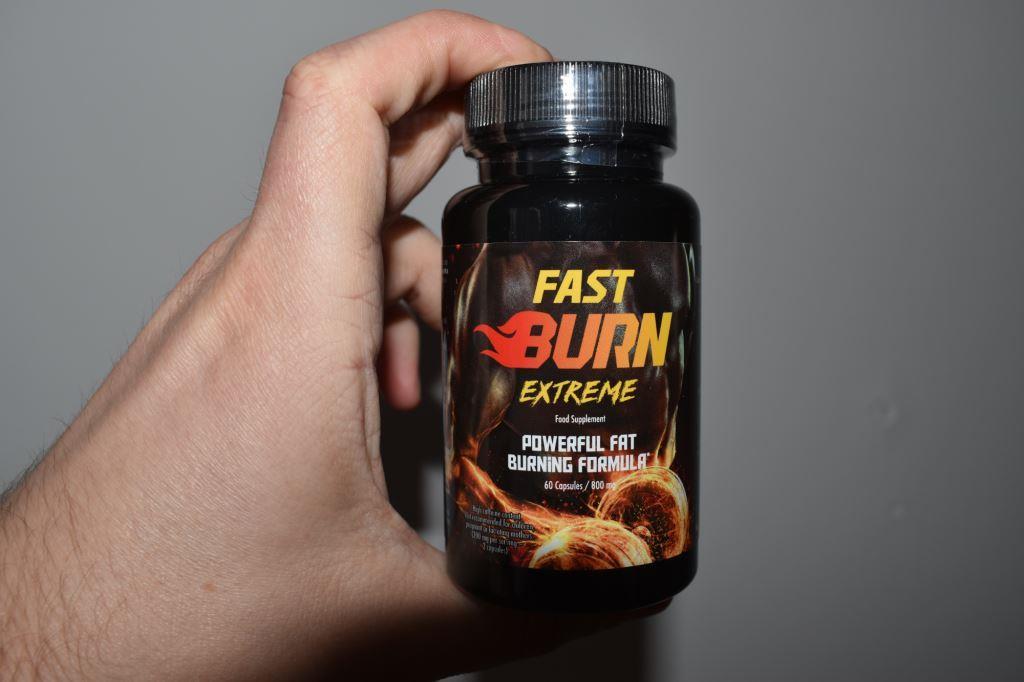
The retail record is messier. Garcinia typically appears inside multi-ingredient "fat burner" blends — alongside caffeine, green tea extract, raspberry ketones and other botanicals — in amounts the label may not even disclose.
Proprietary-blend labelling allows a manufacturer to list ingredients in descending order by weight while hiding each individual dose. A capsule can therefore advertise garcinia prominently and contain very little of it.
Standardisation claims add a second fog. "60% HCA" describes the extract's concentration, not the dose: 500 mg of a 60% extract provides 300 mg of HCA — a fraction of the trial range.
This matters for interpreting both benefit and harm. A buyer cannot reproduce the trial conditions from a blend label, and a regulator investigating a liver injury cannot easily assign it to one component.
It also means the honest question is never "does the product work?" — it is "does this ingredient, at this dose, in this form, have evidence?" For garcinia, the sections above are that evidence.
How Would You Know If It Was Hurting Your Liver?
Because the injury pattern is idiosyncratic and delayed, recognising it early is the main protection a user has. In the DILIN series, onset ran from 13 to 223 days after starting — a median of 51 days.
That timing defeats the natural instinct to blame a product only for symptoms that start immediately. Liver injury from supplements characteristically arrives weeks into uneventful use.
The early symptoms are unspectacular: unusual fatigue, nausea, loss of appetite, discomfort under the right ribs. The specific signs are yellowing of the eyes or skin, dark urine and pale stools.
Any of those, arising in someone taking a weight-loss supplement, warrant stopping the product and same-week medical assessment with liver blood tests — not waiting to see whether they pass.
Garcinia alongside medicines
Two interaction themes recur in the case literature. The first is serotonergic: because HCA is marketed on a serotonin mechanism, combining it with SSRI antidepressants is a pairing clinicians are advised to treat cautiously.
The second is metabolic: case reports describe low blood-sugar episodes in people with diabetes who added garcinia products to glucose-lowering medication. A single case report proves little; a pattern argues for disclosure to the prescriber.
The deeper problem is structural. Supplements are rarely listed in medical records, rarely mentioned at appointments, and — in a blend — rarely knowable even by the person taking them.
That invisibility is why regulators increasingly act at the level of the ingredient rather than the brand: France's suspension and Canada's label changes both target garcinia itself, wherever it appears.
What Would Change the Verdict?
Evidence-first writing cuts both ways: the same standards that convict garcinia today define what could rehabilitate it tomorrow. It is worth stating them, because they show how far the current record is from sufficiency.
On efficacy, rehabilitation would take a large, pre-registered, independently funded trial of a defined extract at a defined HCA dose, against placebo, with follow-up of at least a year — the design features whose absence this article keeps noting.
It would need to show not merely statistical significance but a loss worth having: several kilograms, sustained, on top of diet. Nothing in the existing dose–response pattern suggests that result is waiting to be found.
On safety, it would take pharmacovigilance data with denominators — how many users, how many injuries — plus clarity on whether screening for susceptibility markers like HLA-B*35:01 could ever make use acceptably safe.
That research programme is unlikely to be run. The ingredient is off-patent, the commercial incentive is to sell rather than to study, and regulators have begun answering the question by restriction instead.
France's suspension, notably, was framed as precautionary and time-limited — a year, renewable — pending exactly the kind of safety reassurance that has not been produced. The suspension was then renewed.
There is a broader lesson in that sequence. When an ingredient's benefit is small and shrinking under scrutiny while its harm signal grows, the burden of proof quietly relocates — from "prove it is dangerous" to "prove it is worth it". Garcinia has crossed that line in several countries.
Until a rehabilitation-grade dataset exists, the rational consumer position is the regulator position: the demonstrated benefit does not carry the demonstrated risk.
From Cooking Ingredient to Capsule: The Dose Journey
It is worth remembering where this molecule started. Garcinia rind is a traditional souring agent in South Indian and Sri Lankan cooking — a few pieces in a curry, contributing tartness and trivial amounts of HCA.
Between the curry and the capsule sit roughly three orders of magnitude of dose. A supplement regimen delivers in a day what a lifetime of cooking with the rind would not.
That gap is why "used traditionally for centuries" — true of the food — cannot certify the extract. Traditional use documents the safety of the culinary exposure, full stop.
The supplement industry repeatedly borrows food histories for concentrated products: green tea in this same batch is the parallel case. In both, the injury record belongs to the concentrate, not the cuisine.
Form adds one more wrinkle. Retail HCA is sold as calcium, potassium or mixed salts, with different stability and absorption profiles — another variable the pooled trials did not standardise and labels rarely clarify.
None of these nuances would matter if the effect were large. When the pooled benefit is a kilogram and shrinking, every uncontrolled variable — form, dose, blend, brand — is another reason the trial number will not show up in your bathroom scale.
The ingredient's biography, told whole, is therefore: a food with a long safe history; an extract with a small, fragile effect; and a concentrated commercial product with a serious, regulator-confirmed harm record. Conflating the three is the marketing's founding move.
The Bottom Line
On efficacy, garcinia is a ~1 kg ingredient: a small pooled average from short trials, which loses statistical significance when only rigorous trials are counted, and which the largest single trial contradicts outright.
On safety, it is one of the few weight-loss ingredients with an adjudicated liver-injury case series, a genetic susceptibility signal, and a 2025–26 run of regulator actions culminating in a national sales suspension.
Evidence versus marketing is not a close contest here. The marketing describes a fat-blocking breakthrough. The evidence describes a marginal effect carrying a rare, serious, and now regulator-acknowledged risk.
Garcinia in Crave Burner
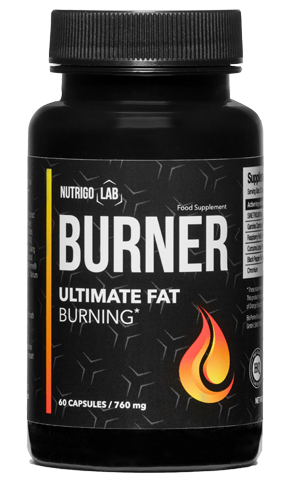
Our Crave Burner review found the printed box panel lists Garcinia Cambogia fruit extract 100 mg (60% HCA) — 60 mg of HCA a day, against the 1,000–2,800 mg HCA range in the trials above — while the maker's website lists green coffee in the same slot. At this dose the garcinia line contributes neither the pooled ~1 kg effect nor, on the dose record, the liver-injury exposure the trials and case series describe; the product scores 6.5/10 on formulation transparency.
Frequently Asked Questions
How much weight can you realistically lose with garcinia cambogia?
Across trials, about 1 kg more than placebo over 8–12 weeks — 1.34 kg in the most favourable pooling, 0.88 kg in the earlier one — alongside a diet. The largest trial found no advantage at all.
Does garcinia cambogia block fat production?
HCA inhibits the ATP citrate lyase enzyme in laboratory studies, which is where the claim comes from. In humans, that mechanism has not translated into fat loss beyond the small pooled average described above.
Why did France ban garcinia supplements?
France suspended sales for a year from April 2025 after its agency ANSES reviewed 38 adverse-event reports, including a death from fulminant hepatitis judged very likely linked to a garcinia supplement. The suspension was later renewed.
Can garcinia damage your liver?
It has, in documented cases. The US DILIN network adjudicated 22 liver-injury cases involving garcinia; 91% were hospitalised, one patient died and one needed a transplant. The reaction appears idiosyncratic — rare and not dose-dependent.
Is the serotonin appetite claim true?
It is a mechanism story, not a trial result. HCA is proposed to raise serotonin, but no human trial has demonstrated meaningful appetite suppression or reduced food intake from garcinia through that pathway.
Last reviewed: November 2026. This article is educational and is not medical advice.
