
- Quick Answer
- What the Trials Actually Reported — With Counts
- Digestive Effects: the Expected Ones
- Headache and Sleep: Reported, Unexplained
- ⭐ African Mango and Blood Sugar: the Diabetes Section
- Cholesterol Medication and the Absorption Question
- The 2015 Kidney Case: What It Does and Does Not Show
- Quality, Adulteration and the Aflatoxin Footnote
- Combination Products: Garcinia and the Blend Problem
- Does African Mango Contain Caffeine?
- Drops vs Pills: an Untested Form
- Pregnancy, Breastfeeding, Allergies and Long-Term Use
- Why the Safety Record Looks Like This (and Probably Always Will)
- If You Use It Anyway: the Safer-Use Protocol
- Red Flags: Stop and Get Checked
- Frequently Asked Questions
- What are the side effects of African mango?
- Is African mango safe?
- Can African mango affect blood sugar?
- Is African mango safe for kidneys?
- Does it contain caffeine?
- Who should not take African mango?
- Can African mango damage the liver?
- How long is it safe to take?
- Are the drops as safe as the capsules?
- Read This Next
Disclosure: This article contains affiliate links. If you buy through them, we may earn a commission at no extra cost to you. It never changes our conclusions.
Quick Answer
In the small, short trials that exist, African mango was well tolerated: the reported effects were headache, sleep difficulty and flatulence, at rates close to placebo. But "well tolerated in 102 people for 10 weeks" is a much smaller claim than "safe" — long-term use, pregnancy, interactions and rare harms are simply unstudied.
And the literature contains one serious case report (kidney failure requiring dialysis in a woman with pre-existing kidney damage, on above-label doses). The groups with specific reasons for caution: people on diabetes medication (the trials showed glucose-lowering effects), anyone with kidney disease, people whose medication absorption matters (fibre effect). And anyone buying blends, where the risk belongs to the other ingredients. Full detail, with numbers, below.
What the Trials Actually Reported — With Counts
Only one of the five trials reported side effects in usable detail, but it is the largest and best-conducted one. The 2009 Ngondi trial (102 people, 10 weeks, 150 mg IGOB131 twice daily) reported:
| Effect | African mango (n=51) | Placebo (n=51) | What the numbers mean |
|---|---|---|---|
| Headache | 3 | 1 | Three times more common, but a small-count difference: 3 cases could be chance. |
| Sleep difficulty | 2 | 2 | Identical to placebo. |
| Flatulence (gas) | 3 | 2 | Barely above placebo — expected from a high-fibre seed. |
| Digestive discomfort | 1 | 0 | One case. |
| Serious adverse events | 0 | 0 | None in either group over 10 weeks. |
No participants dropped out because of side effects in that trial. The 2005 Ngondi trial (40 people, 4 weeks, 3.15 g whole seed daily) reported no side effects at all. The 2009 Oben trial (120 people, 10 weeks, 300 mg extract daily) reported no adverse events and no abnormal blood work.
The 2013 Kuate trial (72 people, 8 weeks, 300 mg extract daily) reported no adverse events. The 2015 Oben trial (60 people, 12 weeks, 150 mg extract twice daily) reported no adverse events.
So, across the trials: no serious adverse events in 404 participants over 4–12 weeks, and the only trial that itemised effects found mild, low-frequency symptoms close to placebo rates. That is the strongest safety evidence that exists for African mango — and its limits are obvious: the trials were small, short, and run by the same research group.
The U.S. National Institutes of Health's summary is blunt: "African mango has not been rigorously studied" — and specifically, it "may interact with medications for diabetes and cholesterol," a point we take up below.
Digestive Effects: the Expected Ones
African mango seed is high in soluble fibre, and fibre ferments. The trial data bears that out: gas was the joint-most common effect, and one person reported general digestive discomfort.
If you are sensitive to high-fibre foods, or you take the powder form mixed into a drink, expect possible bloating and wind in the first week or two. the trial counts suggest it settles or stays mild rather than escalating, but there is no long-term data.
There is no evidence in the trials of diarrhoea, nausea or constipation as distinct effects — a reassuring absence, though "not reported" in a trial that did not ask about them in detail is not the same as "never happens."
Headache and Sleep: Reported, Unexplained
Headache was the single most common effect in the 2009 Ngondi trial (3 in the African mango group vs 1 on placebo). And sleep difficulty was equal in both groups (2 vs 2). Neither has a proposed mechanism: the extract is not a stimulant, and none of the trial papers offers an explanation.
With counts this small, the honest reading is that headache may be a real low-frequency effect or may be noise — a product of 102 people, 10 weeks and ordinary life. Sleep difficulty, at identical rates in both groups, looks like background noise.
If you notice headaches after starting, the sensible step is to stop for a week and see whether they resolve. that is an experiment you can run on yourself safely. And it is more informative than any forum anecdote.
⭐ African Mango and Blood Sugar: the Diabetes Section
This is the interaction with the most direct trial evidence behind it. Every trial that measured blood sugar found that African mango lowered it — fasting glucose fell by 22% in the 2009 Ngondi trial, 26% in the 2005 trial. And 24% in the 2009 Oben trial, while placebo groups barely moved.
That is a real pharmacological effect, not a side effect in the usual sense. But for someone already taking diabetes medication it becomes one: the combination could push blood sugar too low. The risk is hypoglycaemia — shakiness, sweating, confusion, and in severe cases loss of consciousness.
It is not theoretical: it is the predictable consequence of adding a glucose-lowering supplement to glucose-lowering drugs. The NIH flags exactly this interaction. If you take metformin, a sulfonylurea, insulin or any other diabetes drug, do not start African mango without telling your prescriber and agreeing a monitoring plan — typically more frequent glucose checks in the first weeks and a possible medication adjustment.
If you have type 2 diabetes but are not on medication, the same glucose-lowering effect is the reason to monitor, not a reason to assume safety. For the full trial numbers, see our companion article on whether African mango actually works for weight loss.
Cholesterol Medication and the Absorption Question
The second flagged interaction — cholesterol medication — is less direct. The trials also showed lipid improvements (LDL down 27% in the 2009 Ngondi trial, for example). So in principle the same additive logic applies: a supplement that lowers cholesterol, added to a statin, could overshoot. But the more concrete concern is absorption. Soluble fibre can slow or reduce the absorption of medicines taken at the same time, and African mango is a fibre-rich seed.
The standard, sensible precaution is the one used for all fibre supplements: take African mango at least two hours apart from any medication, especially narrow-therapeutic-index drugs (thyroid medication, some blood thinners, certain anti-epileptics). This is a precaution grounded in fibre pharmacology, not in an African-mango-specific study — no trial tested drug absorption directly.
If you take a medication where timing and dose precision matter, ask your pharmacist, not a supplement blog. The dosage details, including the two-hour timing rule and why the dose is split, are in our dosage audit.
The 2015 Kidney Case: What It Does and Does Not Show
The single serious case report in the literature deserves careful reading, because it is routinely distorted in both directions. A 42-year-old woman in Turkey developed acute kidney failure requiring haemodialysis after taking an African mango supplement at 500 mg twice daily — double the extract dose used in the trials — for an unspecified period.
Three facts matter. First, she had pre-existing kidney damage: the case authors describe underlying chronic kidney disease, which means her kidneys were already vulnerable. Second, the product was not pure African mango: it contained NECA (5′-N-ethylcarboxamidoadenosine), a synthetic adenosine analogue that has no business being in a weight-loss supplement and that could plausibly have contributed.
Third, the dose was twice the studied extract dose. So the honest summary is: a woman with damaged kidneys, taking an adulterated product at double the trial dose, suffered kidney failure. That is a warning about adulterated products, high doses and pre-existing kidney disease — it is not evidence that standard-dose pure African mango damages healthy kidneys.
And it is equally not something to wave away. If you have kidney disease, this case alone is reason enough to avoid the supplement or to discuss it with your nephrologist first. It is also the strongest single argument for buying only from suppliers who publish third-party testing — which brings us to quality.
Quality, Adulteration and the Aflatoxin Footnote
The kidney case is not the only quality signal. Aflatoxins — toxins produced by moulds that grow on stored seeds and nuts — have been detected in African mango seeds in food-safety surveys, at levels that vary by storage conditions.
Aflatoxins are a genuine long-term concern (liver toxicity, carcinogenicity at chronic exposure). And they are precisely the kind of contaminant that a reputable supplier tests for and a fly-by-night Amazon seller does not. The other risks are more mundane: products that contain little or no Irvingia, products bulked with cheaper fillers.
And products that add undisclosed stimulants or, as in the kidney case, synthetic compounds. The trial-grade extract (IGOB131) is a standardised, tested product; a random capsule from an unknown brand is not the same thing. And the safety data from the trials do not transfer to it.
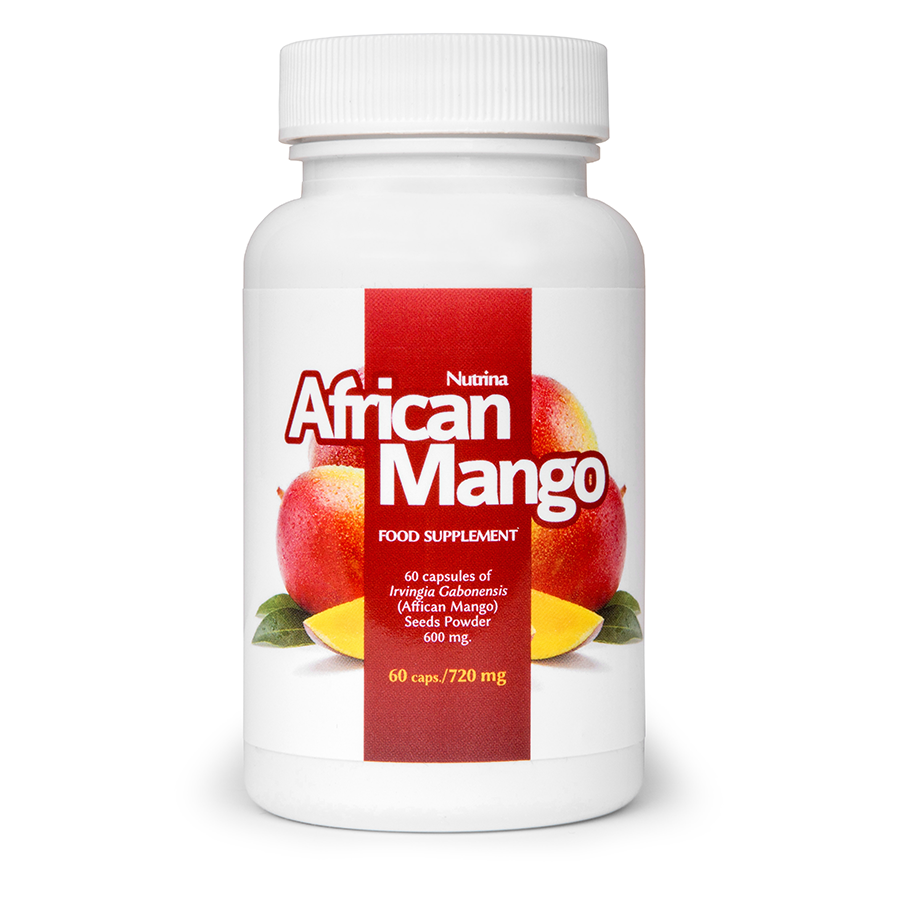
Practical takeaway: buy from a supplier that publishes third-party test results for identity, purity and contaminants, and be suspicious of any product that does not. The product we review, Nutrina African Mango, is the one we assessed against these criteria.
Combination Products: Garcinia and the Blend Problem
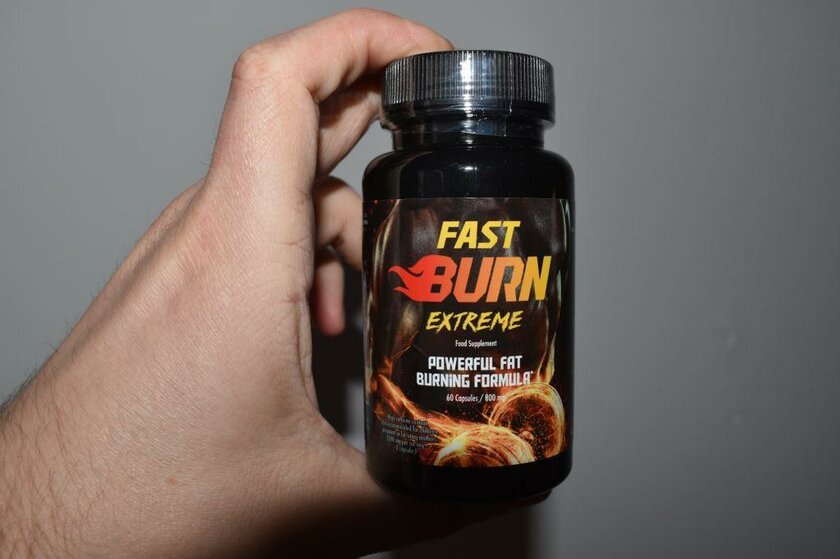
A large share of the safety complaints about "African mango" online are actually about combination products — African mango plus garcinia cambogia, green tea extract, raspberry ketone, or a proprietary "thermogenic blend."
Garcinia, in particular, has its own case reports of liver injury, and green tea extract in concentrated form has a well-documented liver risk. When a blend causes a problem, the label makes it impossible to know which ingredient was responsible, and the African mango gets the blame by association.
The trial safety data in this article apply to African mango alone. If you take a blend, you are taking a different product with a different risk profile, and you should assess each ingredient separately. Our rule, here as elsewhere: single-ingredient products, full label disclosure, no proprietary blends. The efficacy picture for blends is different too — see our trial-by-trial grading for why the combination trial was excluded from the core evidence.
Does African Mango Contain Caffeine?
No. African mango seed contains no caffeine, and none of the trials reported stimulant-type effects (jitteriness, racing heart, anxiety) as a pattern — the sleep-difficulty counts were identical to placebo. If a product marketed as African mango makes you jittery, the cause is almost certainly an added stimulant (caffeine, green tea extract, guarana, synephrine) that the label may or may not disclose clearly.
This is another reason to prefer single-ingredient products: with a pure African mango capsule, "jittery" is not an expected effect. And its appearance is a signal to check the label and consider switching brands.
Drops vs Pills: an Untested Form
Liquid "African mango drops" are marketed heavily, usually at much lower stated doses and often with additional ingredients. No trial has tested a drops formulation, so there is no safety data specific to drops — only the general principle that an unstandardised liquid, dosed by dropper, is harder to dose accurately and more likely to contain undisclosed additives (including sweeteners, preservatives and, in the worst cases, stimulants).
The capsule safety data do not automatically transfer. If you prefer a liquid, the same rules apply with more force: single ingredient, stated Irvingia dose per serving, third-party testing.
Pregnancy, Breastfeeding, Allergies and Long-Term Use
Pregnancy and breastfeeding: no trial included pregnant or breastfeeding women, and there is no safety data for these groups. The default position for any unstudied supplement is avoidance, and that applies here with full force — weight-loss supplementation is not a pregnancy priority in any case.
Allergies: African mango is a seed, not a tree nut, but cross-reactivity and facility cross-contamination are possible; anyone with a seed or nut allergy should check the manufacturer's allergen statement.
Long-term use: the longest trial ran 12 weeks. There is no data on use beyond three months, and no data on what happens when you stop (the trials did not follow participants after the intervention ended). Anyone using it for longer than a trial-length period is, by definition, in unstudied territory. Children: no paediatric data at all; do not give it to children.
Why the Safety Record Looks Like This (and Probably Always Will)
The safety record is thin for a structural reason, not an accident. African mango is a food-derived seed extract that cannot be patented in a way that justifies large, expensive safety trials, and the existing trials were funded by the extract's manufacturer. Independent, large, long-term safety studies are unlikely to appear, because nobody has a financial incentive to run them.
That means the evidence base will probably stay where it is: small trials, a handful of case reports, and pharmacological reasoning from the fibre and glucose effects. Readers should calibrate their confidence accordingly.
The supplement is not "proven safe" — it is "not shown to be harmful in small, short trials of the pure extract, with specific cautions for diabetes medication, kidney disease, medication timing and product quality." That is a weaker claim, and it is the honest one.
If You Use It Anyway: the Safer-Use Protocol
For readers who decide to try it despite the caveats, the risk-minimising approach is: (1) choose a single-ingredient product with a stated Irvingia dose per capsule and third-party testing — the one we review is assessed on exactly these criteria. (2) use the trial dose (300 mg extract daily, or the equivalent whole-seed dose — see the dosage audit) and do not exceed the label.
(3) take it at least two hours away from any medication; (4) if you take diabetes medication, agree a monitoring plan with your prescriber before starting; (5) start with one capsule and watch for headache, digestive effects and sleep changes for two weeks before committing.
(6) stop and reassess if anything unusual appears, and do not push through symptoms; (7) limit use to a trial-length period (8–12 weeks) and reassess rather than continuing indefinitely by default.
Red Flags: Stop and Get Checked
Stop taking African mango and seek medical advice if you experience: swelling of the face, lips or tongue, difficulty breathing or a rash (possible allergic reaction); dark urine, markedly reduced urination, swelling of the ankles or unusual fatigue (possible kidney issue — the one serious case in the literature presented this way). symptoms of low blood sugar (shakiness, sweating, confusion, fainting), especially if you take diabetes medication. yellowing of the skin or eyes, dark urine or upper-right abdominal pain (possible liver issue — not reported for pure African mango, but reported for garcinia-containing blends, so it matters if your product is a blend); or any severe or persistent symptom you cannot explain. These are not "detox symptoms" and they are not something to push through.
Frequently Asked Questions
What are the side effects of African mango?
In trials, the reported effects were headache (3 of 51 on African mango vs 1 of 51 on placebo), sleep difficulty (2 vs 2), flatulence (3 vs 2) and one case of digestive discomfort, over 10 weeks. No serious adverse events occurred in any of the five trials. Outside trials, the main risks are product quality (adulteration, aflatoxins) and interactions, not the seed itself.
Is African mango safe?
It was well tolerated in small, short trials of the pure extract, but it has not been rigorously studied: no long-term data, no pregnancy data, no paediatric data, and only one serious case report (kidney failure in a woman with pre-existing kidney disease taking an adulterated product at double the trial dose). "Well tolerated in trials" is the accurate claim; "proven safe" is not.
Can African mango affect blood sugar?
Yes — every trial that measured it found that African mango lowered fasting glucose, by 22–26%. If you take diabetes medication, this creates a real risk of hypoglycaemia, and you should agree a monitoring plan with your prescriber before starting.
Is African mango safe for kidneys?
For healthy kidneys at trial doses of the pure extract, no kidney harm was reported in any trial. The one kidney case involved pre-existing kidney disease, an adulterated product containing NECA, and double the trial dose. If you have kidney disease, avoid it or discuss it with your nephrologist first.
Does it contain caffeine?
No. African mango seed contains no caffeine. If a product marketed as African mango makes you jittery, an added stimulant (caffeine, green tea extract, guarana, synephrine) is the likely cause — check the label, especially for blends.
Who should not take African mango?
People who are pregnant or breastfeeding, children, people with kidney disease, and people taking diabetes medication without a prescriber-agreed monitoring plan should avoid it or discuss it with a clinician first. Anyone taking medication where absorption timing matters should also seek pharmacist advice.
Can African mango damage the liver?
No liver injury has been reported for pure African mango in the trials. Liver injury has been reported for garcinia cambogia and concentrated green tea extract — both common blend ingredients — which is why blends carry a different risk profile from single-ingredient African mango.
How long is it safe to take?
Unknown beyond 12 weeks, the longest trial duration. A trial-length period (8–12 weeks) followed by reassessment is the evidence-based approach; indefinite continuous use is unstudied.
Are the drops as safe as the capsules?
Unknown — no trial has tested a drops formulation. Drops are harder to dose accurately and more likely to contain undisclosed additives, so the capsule safety data do not automatically transfer.
Last reviewed: October 2026. This article is educational and is not medical advice.
