
- Quick Answer
- What Is Gymnema Sylvestre?
- Mechanism 1: Blocking Sweet Taste
- The Capsule Caveat Nobody Mentions
- Mechanism 2: Blood Sugar and the Intestine
- Does Gymnema Sylvestre Cause Weight Loss?
- Forms, Doses and What “Standardised” Means
- Safety and Who Should Be Careful
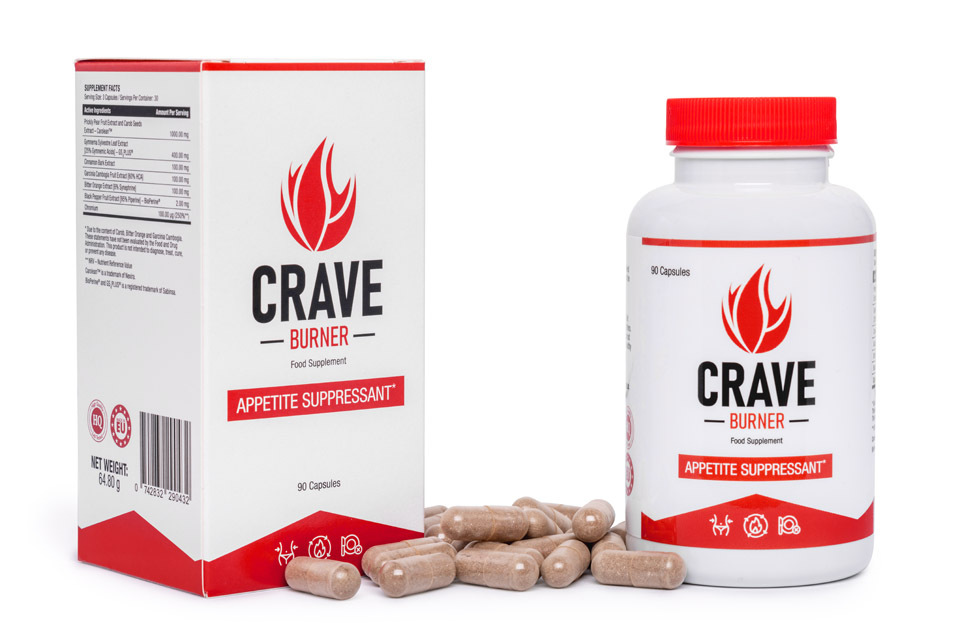
- Gymnema in Crave Burner
- Frequently Asked Questions
- Read This Next
Affiliate disclosure: This article contains affiliate links. If you buy through a link on this page, we may earn a commission at no extra cost to you. Gymnema is one of the more interesting appetite ingredients — which is exactly why its claims deserve careful handling.
Quick Answer
Gymnema sylvestre does not directly burn fat. Its gymnemic acids can temporarily dull sweet taste and have been studied for blood-sugar support. So any weight effect is indirect: sweeter food becomes less rewarding and post-meal glucose may be steadier, which can reduce intake in some people.
Human research is concentrated on blood sugar, much of it in diabetes, and no good evidence shows gymnema alone producing meaningful weight loss. One more caveat most pages skip: the taste effect is demonstrated when gymnema contacts the tongue — a swallowed capsule is not the same exposure.
What Is Gymnema Sylvestre?
Gymnema is a climbing plant used in Ayurvedic practice, where it is called gurmar — “sugar destroyer”. Its active compounds, gymnemic acids, have a molecular shape similar enough to sugar that they can occupy sweet-taste receptor sites. Quality extracts are standardised to gymnemic-acid content; Crave Burner's GS4 PLUS® extract, for example, is standardised to 25% gymnemic acids at 400 mg per daily serving.
Mechanism 1: Blocking Sweet Taste
When gymnemic acids reach the tongue — by chewing the leaf, drinking the tea, or using a lozenge — sweetness perception drops sharply for a while. Sugar water tastes flat; chocolate loses its main appeal. Salty, sour and bitter tastes are largely unaffected, which is why sweet foods can taste strangely hollow rather than simply bland.
Does gymnema block all sugar, or just added sugar? The perception effect does not read labels: it dulls sweetness from sucrose, glucose and fructose alike, whether the source is a soda, honey or fruit.
It does not remove the sugar or its calories — it changes how rewarding they taste while the effect lasts. Evidence on artificial sweeteners is thinner; some are reported as less affected. And it does nothing to the taste or calories of starch, fat or alcohol.
How long does the blocking effect last? Secondary sources commonly describe roughly 30 minutes to 2 hours after oral exposure, beginning within minutes. Treat that as an approximate range, not a measured promise: duration varies with dose, form and the person, and it has not been pinned down for every product. Timing claims more precise than that are marketing.
The Capsule Caveat Nobody Mentions
Almost every taste experiment exposes the tongue directly. A capsule swallowed with a glass of water largely bypasses the taste buds. That does not make capsule gymnema useless — the blood-sugar mechanism below does not depend on taste — but a capsule user should not expect the full “sugar tastes like sand” effect from the studies.
When a review promises that effect from a swallowed capsule without mentioning the difference, it is borrowing evidence across delivery forms. We count that against the whole category in our guide to appetite suppressant evidence.
Mechanism 2: Blood Sugar and the Intestine
Gymnemic acids are also proposed to slow intestinal glucose absorption. And gymnema has been studied for effects on insulin and fasting glucose, mostly in people with type 2 diabetes, over weeks to months.
This is the more relevant mechanism for a pre-meal capsule taken daily, and the one the makers of standardised extracts such as GS4 PLUS® cite. It is also why gymnema belongs on the caution list for anyone using glucose-lowering medication: an ingredient that can add to a drug's effect is an interaction, even when it is “natural”.
Does Gymnema Sylvestre Cause Weight Loss?
Directly? There is no good evidence that it does. Indirectly, the pathway is plausible: less sweet reward and steadier post-meal glucose could reduce snacking and total intake in some users.
Small studies and reviews report modest weight changes in some groups, but the populations, doses and co-interventions vary, and weight is rarely the primary endpoint. The honest sentence is: gymnema may make a calorie deficit easier for a sweet-driven eater; it is not a weight-loss agent in its own right.
It also cannot compensate for the rest of the plate. A user who blocks sweetness at dessert but eats in surplus all day will lose nothing — the mechanism touches one input, not the energy balance itself.
Forms, Doses and What “Standardised” Means
Gymnema is sold as leaf powder, tea, liquid extract, lozenges and standardised extract capsules. The research conversation is mostly about standardised extracts — products that guarantee a percentage of gymnemic acids (commonly 25%) at doses in the few-hundred-milligram range per day.
Leaf powder and teas vary too much to compare with those numbers. When comparing products, the two lines that matter are the extract's gymnemic-acid percentage and the milligrams per day. a label that offers neither cannot be matched to any evidence at all.
Form also decides which mechanism you are buying. For taste effects you need oral exposure — tea, lozenge or chewed leaf, used shortly before the sweet food you are trying to defuse. For blood-sugar support, consistent daily capsule use over weeks is the studied pattern. Buying a capsule and expecting a lozenge's effect is the most common gymnema disappointment, and it is a labelling-and-education failure, not a personal one.
Safety and Who Should Be Careful
- Diabetes medication: gymnema can add to glucose-lowering effects. Anyone on insulin or oral hypoglycaemics should use it only with clinician oversight and glucose monitoring.
- Pregnancy and breastfeeding: insufficient safety data — avoid.
- Surgery and other medicines: tell your clinician about any regular supplement; blood-sugar effects matter around procedures and alongside other glucose-active ingredients (chromium, cinnamon, nopal).
- Side effects: generally reported as mild (nausea, digestive discomfort, headache), but long-term data in healthy people are limited.
Gymnema in Crave Burner
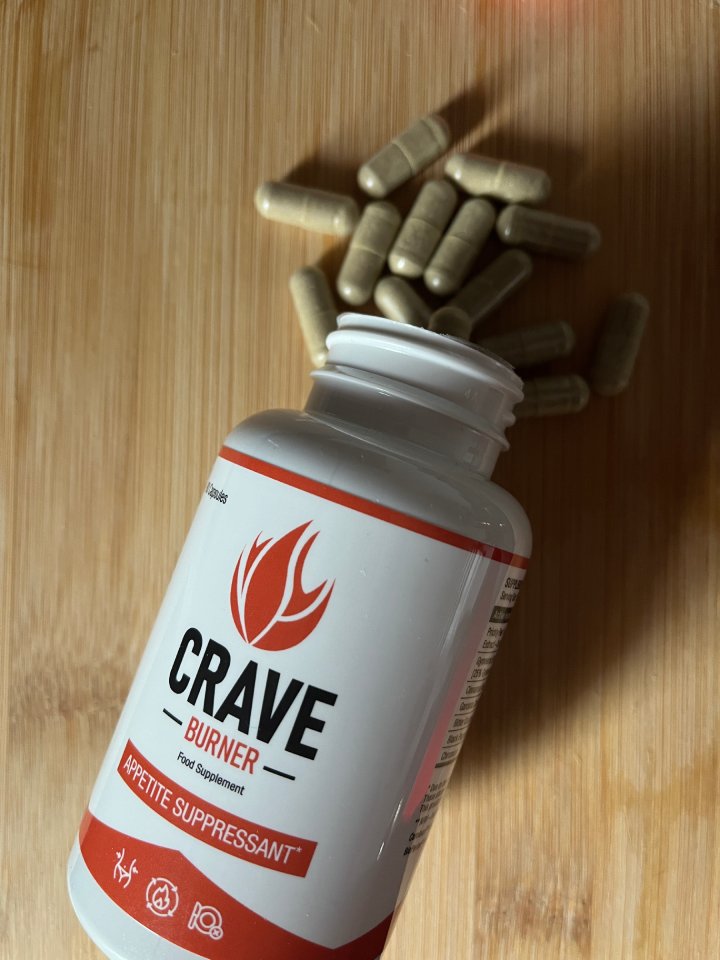
Crave Burner uses GS4 PLUS® at 400 mg per daily serving (25% gymnemic acids) — the standardised extract form used in ingredient research, at a dose in the studied range, taken 15 minutes before the main meal as part of a formula led by 1,000 mg of Carolean™ fibre.
That is the respectable way to formulate with gymnema, and it contributes to the product's 6.5/10 score in our Crave Burner review. Two limits remain: the capsules are swallowed (see the caveat above), and no trial has tested the finished Crave Burner formula for cravings or weight. The maker's own claim framework leans on ingredient research; so does ours, and we label it that way.
For the sweet-craving pattern in the evening specifically, see our guide to controlling hunger and cravings at night, where gymnema is one tool among several behavioural ones.
Frequently Asked Questions
Does gymnema sylvestre cause weight loss?
Not directly, on current evidence. Any effect is indirect — reduced sweet reward and steadier blood sugar making a calorie deficit easier — and no meaningful stand-alone weight loss has been shown.
Does gymnema sylvestre block all sugar or just added sugar?
It dulls the perception of sweetness broadly, from natural and added sugars alike. It does not block the calories, and the effect is temporary.
How long does the gymnema “blocking” effect last?
Commonly described as about 30 minutes to 2 hours after the extract contacts the tongue. Capsules swallowed with water may produce little taste effect at all.
Disclaimer: This article is general information, not medical advice. Dietary supplements are not intended to diagnose, treat, cure or prevent any disease. Consult a healthcare professional before using gymnema if you take medication, especially for blood sugar.
Last reviewed: October 2026
