
- Quick Answer
- Side by Side
- The Two Self-Test Questions That Matter Most
- Is It Normal to Snore All Night, Every Night?
- Should Everyone Who Snores See a Sleep Specialist?
- Why Your Partner Wakes Up and You Don't
- Where Products Fit in This Picture
- Frequently Asked Questions
- Can loud snoring exist without apnea?
- Can I have apnea without snoring much?
- What does a sleep test involve?
- My partner says I stop breathing — but I feel fine. Should I still go?
- Read This Next
Disclosure: This article contains affiliate links. If you buy through them, we may earn a commission at no extra cost to you. It never changes our scores or conclusions.
Quick Answer
Simple snoring isnoise: air vibrating in a narrowed airway that stays open. Sleep apnea isnoise plus stoppages: the airway repeatedly collapses, breathing pauses for 10 seconds or more, oxygen dips, and the brain briefly wakes you to restart breathing — dozens of times an hour in severe cases. The home clues that point to apnea are witnessed pauses followed by gasps, waking choking, morning headaches, a dry mouth, unrefreshing sleep and heavy daytime sleepiness. You cannot confirm or exclude apnea by listening — only a sleep test can — so if several clues fit, skip the supplements and book the test.
Side by Side
| Simple snoring | Obstructive sleep apnea (OSA) | |
|---|---|---|
| Sound pattern | Steady, fairly even rumbling | Loud snoring broken by silence, then a gasp or snort |
| Breathing pauses | None | Witnessed pauses of 10+ seconds — the signature sign |
| On waking | Usually fine; the partner suffers | Morning headache (often gone within an hour), dry mouth or sore throat |
| Daytime | Normal alertness | Persistent sleepiness, dozing off unintentionally, poor concentration, irritability |
| Night extras | — | Frequent urination at night, restless unrefreshing sleep |
| Pattern | Worse on the back, after alcohol, with a cold | Present most nights, in most positions |
| Right response | Lifestyle steps, position, devices | Clinical evaluation and a sleep study |
What is sleep apnea, in one paragraph (Question #25)? In OSA the throat muscles and tissues relax until the airway narrows completely or nearly so. Each event — an apnea (complete) or hypopnea (partial) — lasts at least 10 seconds and ends with a micro-arousal the sleeper rarely remembers. Severity is counted as events per hour (the apnea-hypopnea index): 5–14 mild, 15–29 moderate, 30 or more severe
Treatment ranges from weight loss and oral appliances to CPAP, the gold standard that splints the airway open with air pressure. Untreated moderate-to-severe apnea is linked to high blood pressure, heart disease, stroke and accidents from sleepiness — which is why the distinction matters more than the noise.
The Two Self-Test Questions That Matter Most
Sleep services often start with two partner-observable questions, straight from clinical screening:
- "Do your snores keep your bed partner — or you — awake?"Disruption alone does not diagnose anything, but snoring that regularly exiles a partner to another room marks the loud, habitual end of the spectrum where screening is worthwhile.
- "Do you wake up with a dry mouth or a headache?"A dry mouth suggests mouth-breathing through a struggling airway; a morning headache that clears within an hour is a classic apnea clue, attributed to carbon dioxide building up during repeated breathing pauses.
Clinicians formalise this with the STOP-BANG questionnaire —Snoring,Tiredness,Observed pauses, bloodPressure,BMI,Age,Neck circumference,Gender — to estimate risk before ordering a test. It screens; it does not diagnose.
Is It Normal to Snore All Night, Every Night?
Occasional snoring — with a cold, after alcohol, on your back — is common and usually harmless.Habitual, loud, every-night snoring is not "normal" in the sense of ignorable: it means the airway is significantly narrowed every night, it sits on the same spectrum as apnea, and it deserves at least the checklist above. Many people with confirmed moderate apnea describe their sleep as "fine" because they have adapted to feeling impaired over years — self-report is genuinely unreliable here, which is why witnessed signs and daytime function carry more weight than "I sleep OK".
Should Everyone Who Snores See a Sleep Specialist?
No — that would flood sleep clinics with the large minority of adults who snore harmlessly. See a doctor or sleep specialist when any of these apply: witnessed breathing pauses or gasping; waking choking; heavy daytime sleepiness (especially dozing while driving or working); morning headaches several times a week; snoring plus high blood pressure; or snoring that persists despite the basic measures (side-sleeping, weight, alcohol timing, treating congestion)
The usual path is a GP visit, a screening questionnaire, then a home sleep test or an in-lab study (polysomnography) that counts events and oxygen dips objectively.
Why Your Partner Wakes Up and You Don't
The classic household mystery has a simple explanation. Your brain is exceptionally good at ignoring sounds it generates itself — they are predictable, self-produced, and filtered as background, the same way you do not hear your own footsteps as intrusions. Snoring can trigger brief micro-arousals in the snorer, but they are too short to remember, so the night feels unbroken. Your partner gets none of those advantages: the sound is external, irregular and loudest in the quiet of the night, and it lands while they cycle through lighter sleep stages. The snorer is not being selfish or "sleeping through anything" — their nervous system is literally discounting the noise. What the snorerdoesfeel, if apnea is present, is the consequence: unrefreshing sleep and daytime sleepiness without any memory of why.
Where Products Fit in This Picture
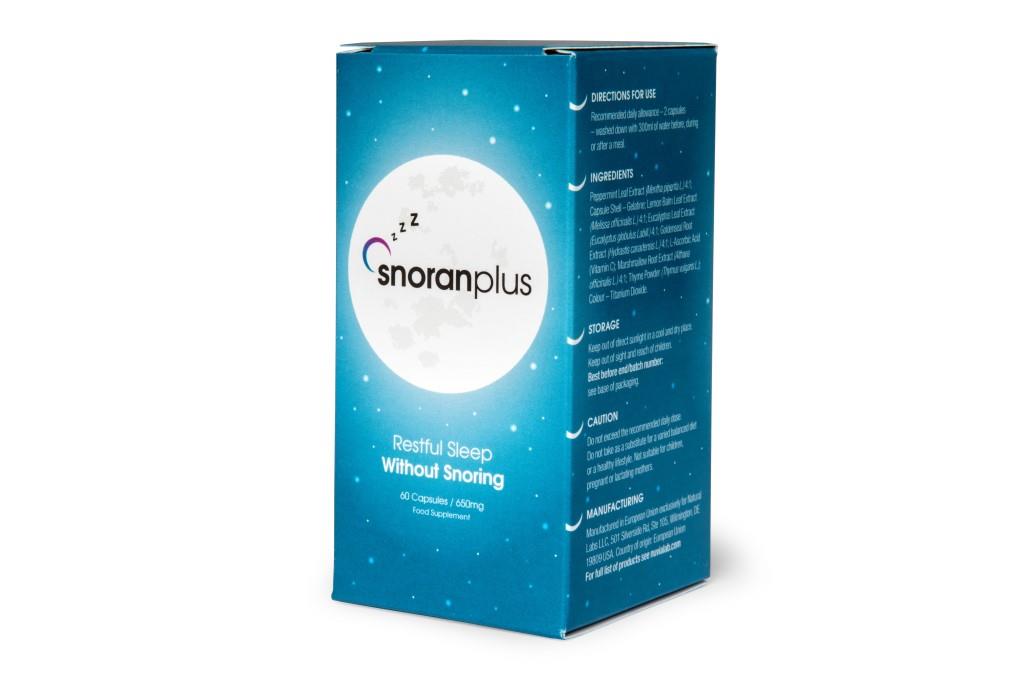
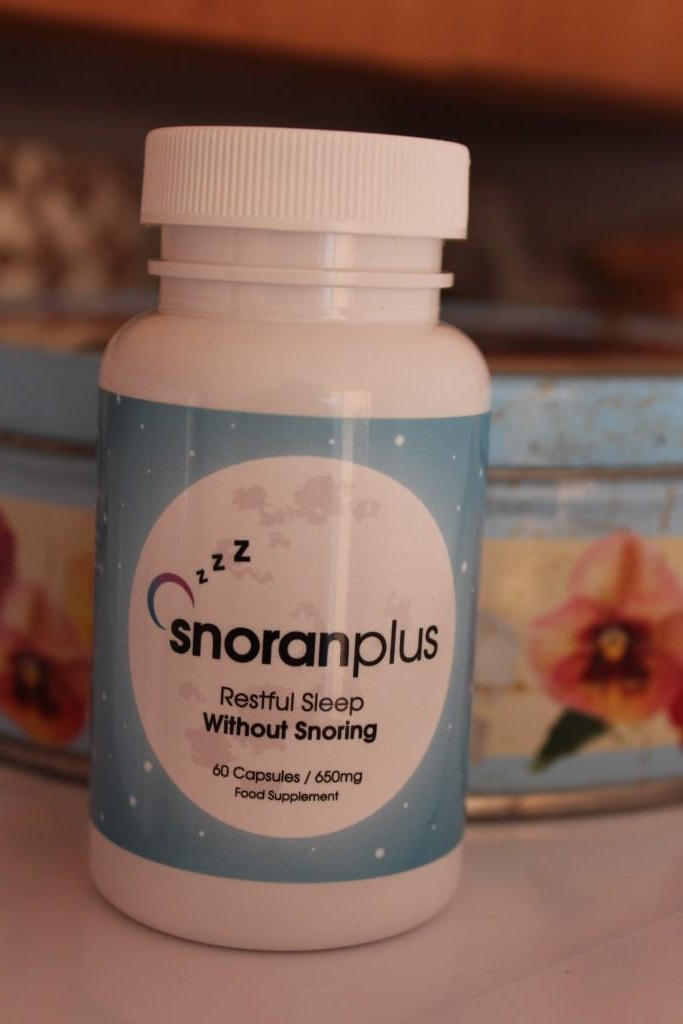
Supplements and over-the-counter devices are forsimple snoring only. A product likeSnoran Plusstates on its own page that it does not treat sleep apnea, and that boundary is the most important sentence in its marketing. Mouthpieces occupy a middle ground — dentist-fitted oral appliances are a legitimate, guideline-endorsed treatment for mild-to-moderate apneaafter diagnosis, which is a different thing from self-treating suspected apnea with a boil-and-bite gadget. If the red-flag column fits you, the correct purchase is a sleep test, not a product.
Frequently Asked Questions
Can loud snoring exist without apnea?
Yes — many very loud snorers test completely normal. Volume depends on airway geometry and tissue, not obstruction severity; some severe apnea patients snore surprisingly little because almost no air moves to vibrate anything.
Can I have apnea without snoring much?
Yes, particularly with near-complete obstruction. Daytime sleepiness, witnessed pauses and morning symptoms matter more than noise level.
What does a sleep test involve?
Usually a home sleep apnea test first: a small kit worn for a night or two measuring airflow, effort, oxygen and pulse. In-lab polysomnography adds brain-wave staging and is used when results are unclear or other sleep disorders are suspected.
My partner says I stop breathing — but I feel fine. Should I still go?
Yes. Witnessed pauses are the single strongest home clue, and "feeling fine" is a known unreliable report in apnea. This is the exact situation screening exists for.
Last reviewed: October 2026. This article is educational and is not medical advice. If you recognise the apnea pattern, arrange a medical assessment rather than self-treating.
