
- Quick Answer
- The "Deficiency" Question, Answered Plainly
- 1. Sleep Position: the Free Third
- 2. Mouth and Throat Exercises: the Surprising Trial Result
- 3. Weight Loss: Slow, Real, Dose-Dependent
- 4. Alcohol: Why Beer Nights Are Louder
- 5. The Nose: Congestion, Allergies and Mouth-Breathing
- How Would You Even Know You Snore? (And Does It Tire You?)
- What About Products, Then?
- Frequently Asked Questions
- Can snoring be cured naturally?
- How long do throat exercises take to work?
- Does quitting smoking help snoring?
- What actually worked for other people?
- Read This Next
Disclosure: This article contains affiliate links. If you buy through them, we may earn a commission at no extra cost to you. It never changes our scores or conclusions.
Quick Answer
Reduced, yes — "cured", almost never. Snoring comes from airway anatomy and muscle tone, so natural methods manage it rather than abolish it. The ones with real evidence:sleeping on your side(roughly a third less snoring in positional snorers),daily mouth and throat exercises for three months(a randomised trial measured ~36% less frequent and ~59% less intense snoring),losing 5–10% of body weightif you are overweight,no alcohol within about three hours of bed, andtreating a blocked nose. And one popular question deserves a straight answer first: no vitamin deficiency causes snoring.
The "Deficiency" Question, Answered Plainly
"What deficiency causes snoring?" is one of the most-searched snoring questions — and it rests on a false premise. No vitamin or mineral deficiency is an established cause of snoring, and no supplement corrects snoring by replacing one. Vitamin D levels correlate with apnea severity in observational studies, but correlation there runs through weight and lifestyle, and giving vitamin D has not been shown to treat snoring. One genuine medical contributor hides nearby: anunderactive thyroidcan promote weight gain and soft-tissue changes that worsen snoring and apnea — but that is a diagnosis made by blood test and treated with thyroid hormone, not a "deficiency" you fix with a wellness product. If snoring arrived alongside fatigue, weight gain and feeling cold, mention the thyroid to your doctor; otherwise, save the supplement money for the measures below.
1. Sleep Position: the Free Third
For the large group whose snoring is positional — loud on the back, quiet on the side — gravity is the whole mechanism: on your back the tongue and soft palate fall backwards into the airway
Positional therapy (a wedge, a backpack-style aid, a vibrating trainer, or the tennis-ball-in-the-back trick) reduces snoring measures by roughly a third in systematic reviews, and for pure positional snorers it can end the problem on side-sleeping nights entirely. It is the first experiment to run because it is free and the answer arrives in one night.
2. Mouth and Throat Exercises: the Surprising Trial Result
Do mouth and throat exercises work? This is the rare "natural remedy" with randomised-trial support. In a controlled trial of primary snorers, three months of daily oropharyngeal exercises — tongue slides and presses, soft-palate and vowel exercises, cheek and swallowing drills, about 30 minutes a day in the original protocols — reduced objectively measured snoringfrequency by about 36% and total snoring intensity by about 59%. In a separate trial in moderate sleep apnea, a similar programme cut the apnea-hypopnea index from ~22 to ~14 events per hour and shrank neck circumference. Meta-analyses since then find consistent, moderate effects. The honest caveats: the trials are small, the routine is genuinely tedious, and benefits fade if you stop. But among natural methods, this is the heavyweight — and it costs nothing. Singing and wind-instrument practice train overlapping muscles; one trial of didgeridoo playing reduced apnea severity, which tells you the training effect is real, not ritual.
Pranayama and breathing exercises:often asked about in this context. Slow breathing practices may improve sleep quality and nasal breathing habits, and they belong to the same broad family as the exercises above — but no trial shows pranayamacuringsnoring, and "cure" claims for it go beyond any evidence. Treat it as a possible adjunct, not a treatment.
3. Weight Loss: Slow, Real, Dose-Dependent
Does losing weight help with snoring? Yes — this is one of the most consistent findings in sleep medicine. Fat deposited around the neck and tongue physically narrows the airway; losing it widens the passage. Meaningful snoring and apnea improvement commonly appears with5–10% of body weight lost, and larger losses can move apnea down a severity grade or, occasionally, resolve mild cases. It is not a tonight-fix, and it only applies if you carry excess weight — lean snorers have an anatomical or positional problem instead.
4. Alcohol: Why Beer Nights Are Louder
If you snore worse on nights you drink beer, you have identified a real pharmacological effect, not a coincidence. Alcohol relaxes the muscles that hold the airway open — including the tongue's main positioning muscle — and it raises the arousal threshold, so obstructions last longer before the brain intervenes. The effect concentrates in the first part of the night while blood alcohol is high. The practical rule used in sleep clinics:no alcohol within about three hours of bedtime. The same logic applies to sedative sleeping pills and muscle relaxants — discuss those with your prescriber rather than stopping them yourself.
5. The Nose: Congestion, Allergies and Mouth-Breathing
A blocked nose forces mouth-breathing, which drops the jaw and tongue backwards and destabilises the airway. Treating the blockage — saline rinses, managing bedroom allergens, an intranasal steroid spray for allergic rhinitis (prescribed or pharmacy-supervised), or a simple dilator strip on the nights you are congested — helps the subset whose snoring is nose-driven. It will do nothing for palate-or-tongue snoring, which is why cause-matching beats blanket advice.
How Would You Even Know You Snore? (And Does It Tire You?)
Most snorers learn from a partner, a roommate, or a recording app — use one: a week of recordings gives you a baseline and tells you whether your snoring is positional, alcohol-linked or constant. "Does snoring make us more tired?" — simple snoring alone is not proven to fragment sleep significantly for the snorer; if you are snoringandexhausted, treat the tiredness as its own clue and read oursnoring vs sleep apnea guide, because unrefreshing sleep is the symptom that changes the medical picture.
What About Products, Then?
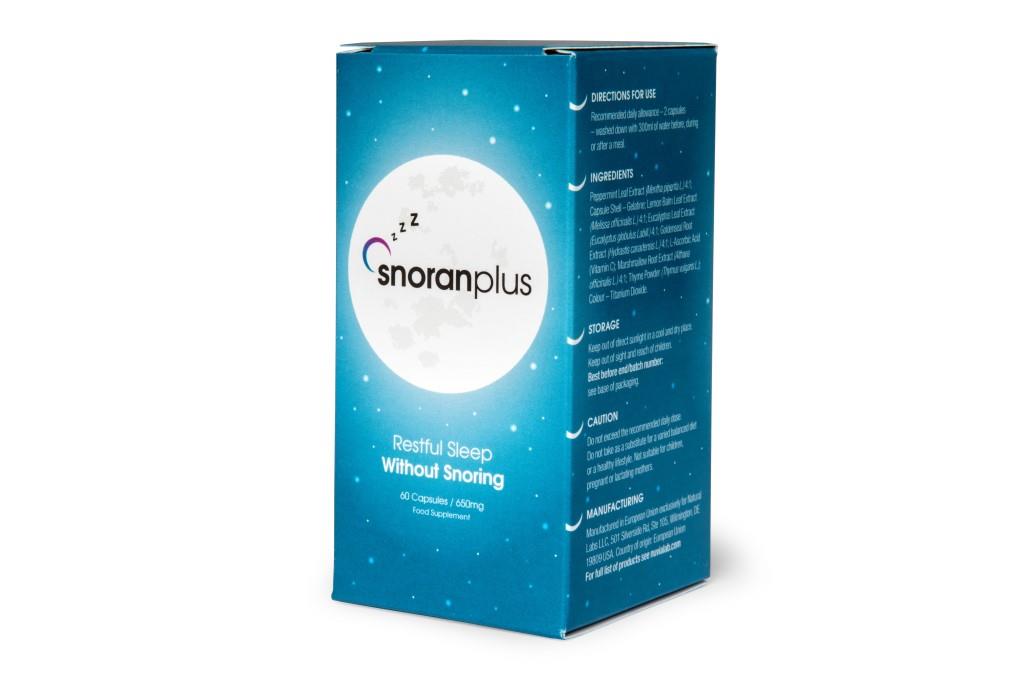
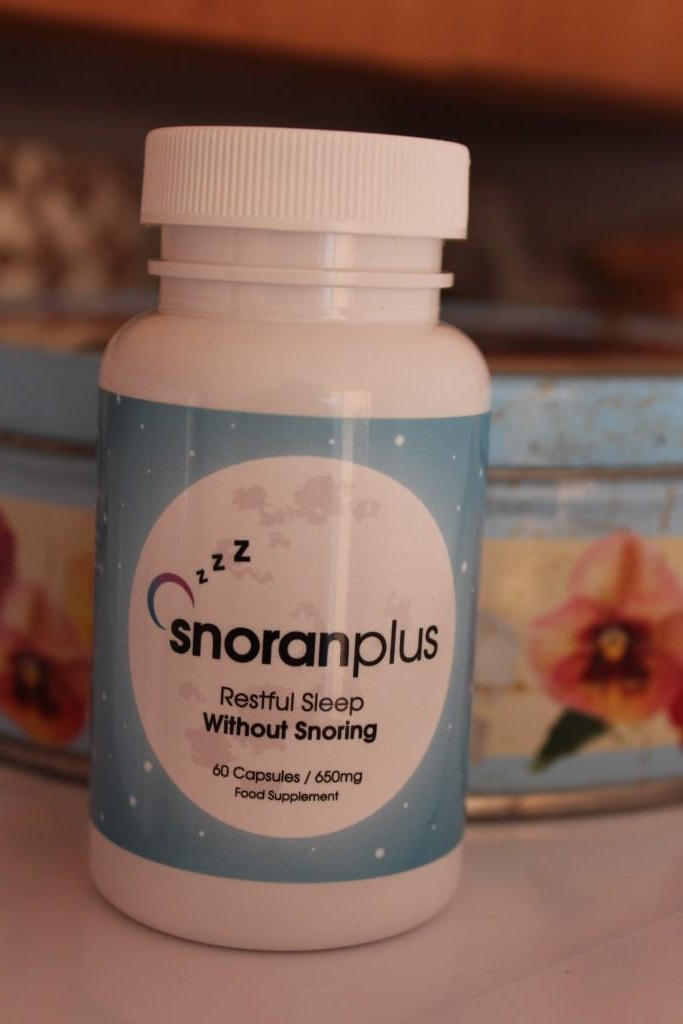
Natural methods are the foundation; products layer on top with weaker evidence. Devices that physically hold the airway open have the best product evidence (see ourdevice comparison), while supplements and sprays have none that is rigorous (see ourevidence review). If you trial a supplement such asSnoran Plusalongside these measures, change one thing at a time and use your recordings — otherwise you will never know which lever moved the noise.
Frequently Asked Questions
Can snoring be cured naturally?
Usually managed, not cured. Positional snoring can effectively disappear with side-sleeping, and weight loss or exercises can reduce snoring substantially — but anatomy remains, and snoring typically returns if the habits do.
How long do throat exercises take to work?
The trials ran three months of daily practice before measuring. Expect gradual change over weeks, not nights.
Does quitting smoking help snoring?
Smoking irritates and inflames the upper airway and is consistently associated with more snoring; quitting is recommended in every guideline, though the snoring-specific trial evidence is observational.
What actually worked for other people?
Forum reports are dominated by the same short list, in this order: side-sleeping, weight loss, a mouthpiece, and cutting evening alcohol. That ranking matches the evidence ladder suspiciously well — one of the rare cases where anecdotes and trials agree.
Last reviewed: October 2026. This article is educational and is not medical advice. Snoring with breathing pauses, gasping or heavy daytime sleepiness needs medical assessment, not home remedies.
