
- Quick Answer
- Our Findings
- What we like
- What gives us pause
- Why You Should Trust This Review
- Our Verdict
- How We Scored It
- What Is Provestra?
- The Ingredients
- L-Arginine (Base) — 300 mg
- Theobromine Cacoa — 50 mg
- Indole-3-Carbinol — 35 mg
- Vitamin A (Palmitate) — 2 mg (17% DV)
- Vitamin C (Ascorbic) — 10 mg (17% DV)
- Vitamin E (Alpha Tocopherol Succinate) — 5 mg (17% DV)
- Vitamin B1 (Thiamin Mononitrate) — 200 mcg (13% DV)
- Vitamin B2 (Riboflavin) — 200 mcg (12% DV)
- Vitamin B3 (Niacinamide) — 3 mg (17% DV)
- Vitamin B6 (Pyridoxine HCL) — 435 mcg (17% DV)
- Folate (Folic Acid) — 800 mcg (200% DV)
- Vitamin B12 (Cyanocobalamin) — 12 mcg (200% DV)
- Biotin — 500 mcg (160% DV)
- Pantothenic Acid — 2 mg (18% DV)
- Calcium Carbonate — 100 mg (11% DV)
- Iron (Ferrous Gluconate) — 12 mg (75% DV)
- Zinc Gluconate — 9 mg (58% DV)
- Korean Ginseng — 16 mg
- Ginkgo Biloba — 25 mg
- Damiana Leaf — 25 mg
- Black Cohosh — 25 mg
- Red Raspberry — 25 mg
- Licorice Root — 25 mg
- Ginger Root — 25 mg
- Valerian Root — 25 mg
- Kudzu Root — 25 mg
- The Label Audit
- The Evidence, Read Properly
- How Long Does Provestra Take to Work?
- Is Provestra Safe?
- Side Effects: What Is Actually Known
- When to check medical causes first
- Is Provestra a Scam?
- Price and Packs
- Purchase Options
- How Provestra Compares
- Who Should Buy Provestra — and Who Should Skip It
- Who should buy it
- Who should skip it
- Frequently Asked Questions
- Does Provestra actually work?
- How long does Provestra take to work?
- What are the side effects of Provestra?
- Does Provestra contain hormones?
- How do you take Provestra?
- Provestra vs HerSolution — which is better?
- Who should not take Provestra?
- Where can I buy Provestra — is it on Amazon?
- Sources & Method
- Read This Next
SuppChecked is an independent supplement review site. When you buy a product through links on our pages, we may earn a commission at no extra cost to you. Every score, price, and product claim on this page is checked against the maker's official records and the published scientific literature, and brands never pay to change our scores.
Most online coverage of Provestra repeats the exact same story from the maker's sales page. Reviewers list 21 ingredient names, point out that no amounts appear beside them, and claim the formula hides its doses. That version of Provestra has been copied across review sites for years, even down to calling the tablets capsules.
We checked the maker's actual box artwork instead. Hosted directly on Leading Edge Health's website and printed on the back of every box, the official Supplement Facts panel tells a very different story. It lists 26 active ingredients, prints the exact per-tablet dose for every single line, and states plainly that the formula contains no estrogen, progesterone, testosterone, or other steroid hormones.
That split leaves shoppers in two distinct camps. One group appreciates a hormone-free, once-a-day tablet from an established company that discloses every dose on its box label and backs orders with a 67-day refund window. The other group looks past the label's transparency and sees eight botanicals dosed at a flat 25 mg each, Korean ginseng at 16 mg, and zero published clinical trials on the finished product.
Quick Answer
Provestra earns a 6.8/10 from SuppChecked. Its biggest strength is full dose transparency on the physical box label, which prints exact amounts for all 26 active ingredients and confirms the tablet is completely hormone-free. Its biggest weakness is how lightly those botanicals are dosed once you read the numbers.
Eight of the nine herbal extracts sit at an identical 25 mg per tablet, and Korean ginseng sits at just 16 mg. For ginkgo biloba, 25 mg is roughly a tenth of the lowest dose tested in women's sexual-function trials, which mostly failed to beat placebo anyway. There is also no published clinical trial on Provestra itself—only an uncontrolled buyer survey conducted by the maker across 488 previous customers.
At $59 for a 30-tablet box ($1.97 per day) with no autoship subscription and a 67-day money-back guarantee, Provestra is a transparent, low-commitment option rather than a clinically proven fix. Best for: Adult women who want a hormone-free, once-a-day supplement with full Supplement Facts disclosure and a two-month guarantee window to test how their body responds.
Provestra — Our Score: 6.8/10
Score: 6.8/10 · Sub-scores: Ingredients 6.5 · Evidence 5.0 · Safety 6.5 · Value 7.0 · Best for: Women who want a hormone-free, once-a-day formula whose box label discloses every dose, from an established maker, with a 67-day guarantee to decide inside · Main caution: The label's botanicals sit at a flat 25 mg each — the ginkgo dose is about a tenth of the doses used in the women's trials, which mostly failed anyway — and the only product-level evidence is the maker's uncontrolled survey of 488 previous buyers · Fair trial: Two boxes ($59 each) — the guarantee covers the first two opened boxes inside 67 days, and the maker judges results at 60 days
Our Findings
Auditing Provestra's Supplement Facts label alongside the clinical literature highlights clear trade-offs between label honesty and formula potency.
What we like
- Full dose disclosure on the box label: Every one of the 26 active ingredients has an exact milligram or microgram amount printed on the Supplement Facts panel.
- Explicitly hormone-free: The box label states directly that the tablet contains no estrogen, progesterone, testosterone, or other steroid hormones.
- Simple once-daily routine: Each box contains 30 tablets in blister strips, requiring just one tablet per day with a meal.
- 67-day money-back guarantee with no autoship: Orders are one-time purchases covered by a 67-day return window covering the first two opened boxes.
- Meaningful iron and folate levels: Iron (12 mg, 75% DV) and folate (800 mcg, 200% DV) are dosed at genuine nutritional levels rather than trace amounts.
What gives us pause
- Token 25 mg botanical doses: Eight of the nine herbs sit at an identical 25 mg each, and Korean ginseng is dosed at just 16 mg.
- Ginkgo is far below trial levels: The 25 mg ginkgo dose is roughly a tenth of the 209 to 300 mg doses tested in women's trials, which mostly showed no benefit.
- No published trial of Provestra: Product-level support rests entirely on an uncontrolled survey of 488 previous buyers rather than a placebo-controlled study.
- No warnings printed on the label: The Supplement Facts panel omits standard cautions for pregnancy, liver health, blood pressure, and medication interactions.
- Sales copy hides the doses: The main storefront pages list 21 names without amounts, forcing buyers to inspect the box artwork to see what they are taking.
Why You Should Trust This Review
For this review, we audited Leading Edge Health's official Provestra sales pages alongside the high-resolution Supplement Facts panel printed on the maker's own box and hosted on its site, checked the National Institutes of Health Dietary Supplement Label Database (which currently holds no Provestra record), and reviewed the published clinical trials and medical monographs covering the formula's key ingredients. Every product we evaluate is graded under one fixed scoring framework applied uniformly across the category so strengths in transparency and weaknesses in dosing or clinical proof are weighed consistently. SuppChecked is reader-supported and may earn a commission when you purchase through links on our site at no extra cost to you, and brands never pay to influence or change our scores.
Our Verdict
Provestra scores 6.8/10 because it gets transparency right while falling short on botanical dosing and clinical proof. Unlike competing products that hide behind vague marketing copy or omit hormones from their sales text, Leading Edge Health prints all 26 active doses on its box label and states clearly that the tablet contains no steroid hormones. That earns genuine credit in a category where undisclosed formulas are common.
However, reading those printed numbers reveals why expectations need to stay modest. Aside from L-arginine at 300 mg and full daily levels of iron and folate, the herbal side of the formula relies on 16 mg of Korean ginseng and eight botanicals stacked at a flat 25 mg apiece. Those amounts sit far below the doses studied in women's sexual-health trials, and Provestra itself has never been tested in a published controlled study.
For women who want a hormone-free daily tablet and prefer knowing every milligram on the label, Provestra is a reasonable, transparent trial. Plan on a fair test of two boxes ($59 each) so you can evaluate results around day 60 and still return the empty containers inside the 67-day guarantee window if nothing changes.
How We Scored It
We evaluate every women's libido supplement across four core pillars: ingredient quality and dosing, clinical evidence, safety and label warnings, and overall value. Each category is scored independently on a 10-point scale based strictly on verified label records and published research.
| Category | Score | Why It Earned This Score |
|---|---|---|
| Ingredients | 6.5/10 | Full dose disclosure for all 26 ingredients on the box label is a clear plus, but eight botanicals sit at a flat 25 mg each and Korean ginseng is only 16 mg. |
| Evidence | 5.0/10 | No published clinical trial tests Provestra itself; support relies on an uncontrolled survey of 488 buyers and mixed ingredient studies mostly using higher doses or other blends. |
| Safety | 6.5/10 | Explicitly hormone-free on the label, but black cohosh, licorice, ginkgo, valerian, iron, and folate carry doctor-check flags and the box prints zero warnings. |
| Value | 7.0/10 | $59 per 30-tablet box ($1.97/day) against a $69 list price, backed by a 67-day money-back guarantee and one-time checkout with no autoship trap. |
| Overall Score | 6.8/10 | A transparent, hormone-free formula with a fair refund window, held back by token botanical doses and the lack of a controlled product trial. |
What Is Provestra?
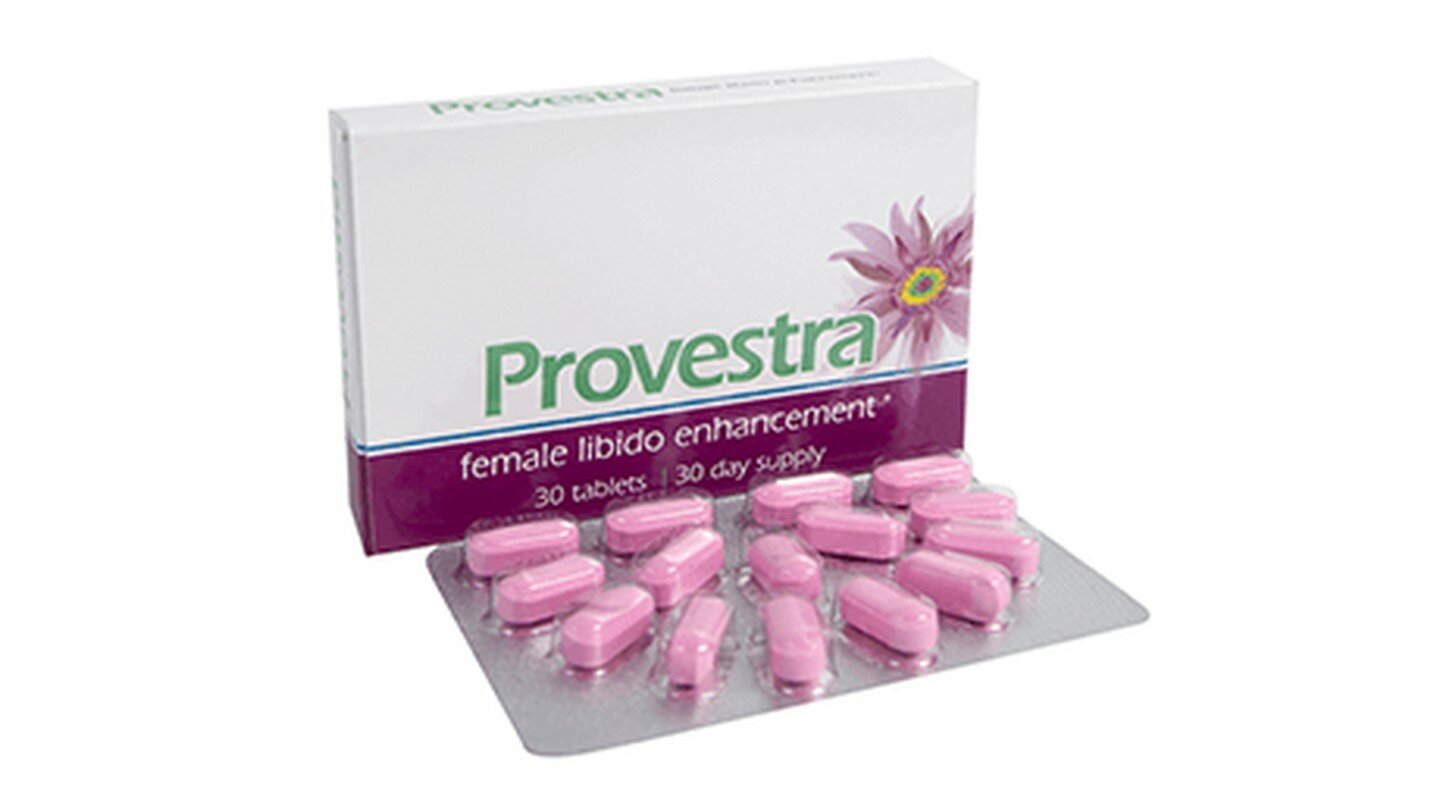
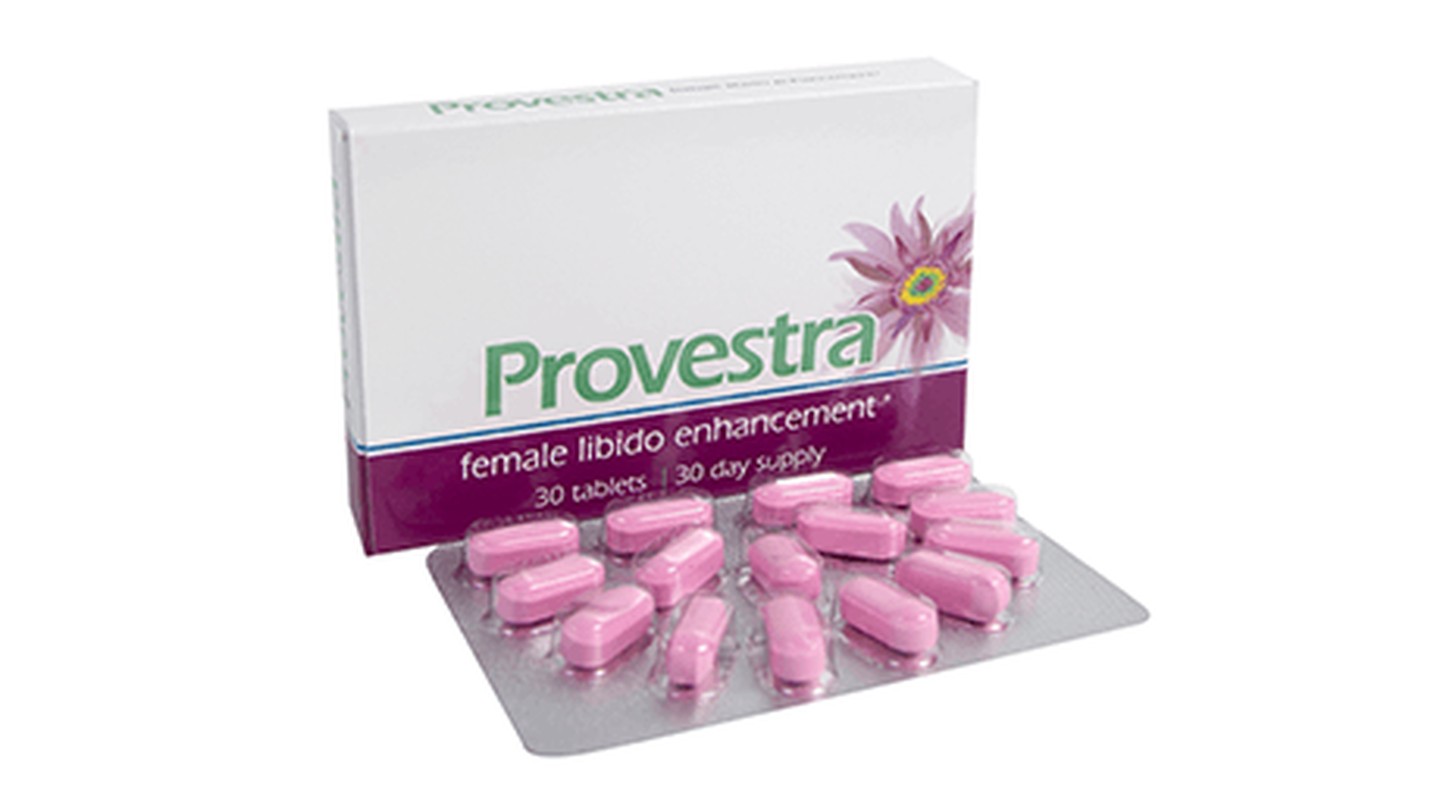
Provestra is a daily women's libido supplement manufactured and sold by Leading Edge Health. Each retail box contains 30 pink tablets sealed in blister strips, providing a 30-day supply taken at one tablet per day. Despite several third-party websites describing the product as capsules, the official box front and Supplement Facts panel confirm that Provestra is sold strictly as tablets.
In its sales materials, Leading Edge Health organizes Provestra around three stated goals: supporting sexual desire, encouraging lubrication and physical sensation, and promoting comfort through hormonal change. The company markets the formula to adult women looking for a non-prescription daily supplement rather than a topical arousal gel or hormone therapy.
Crucially, the Supplement Facts label carries a direct statement reading: "Provestra does not contain estrogen, progesterone, testosterone or other steroid hormones." Like other over-the-counter nutritional supplements in the United States, Provestra is regulated as a dietary supplement rather than a pharmaceutical drug, and its statements have not been evaluated by the Food and Drug Administration.
Provestra at a Glance
- Our score: 6.8/10
- Brand: Provestra
- Company: Leading Edge Health
- Product type: Women's libido supplement, tablets
- Primary purpose: Marketed for desire, lubrication and sensation, and comfort through hormonal change
- Formula: 26 ingredients with full amounts on the box label; the sales page names 21
- Clinical research: No published trial of Provestra itself
- Research limitation: The label's ginkgo dose (25 mg) is about a tenth of the lowest dose used in its women's trials
- Recommended use: 1 tablet a day, preferably with a meal (label)
- Money-back guarantee: 67 days
The Ingredients
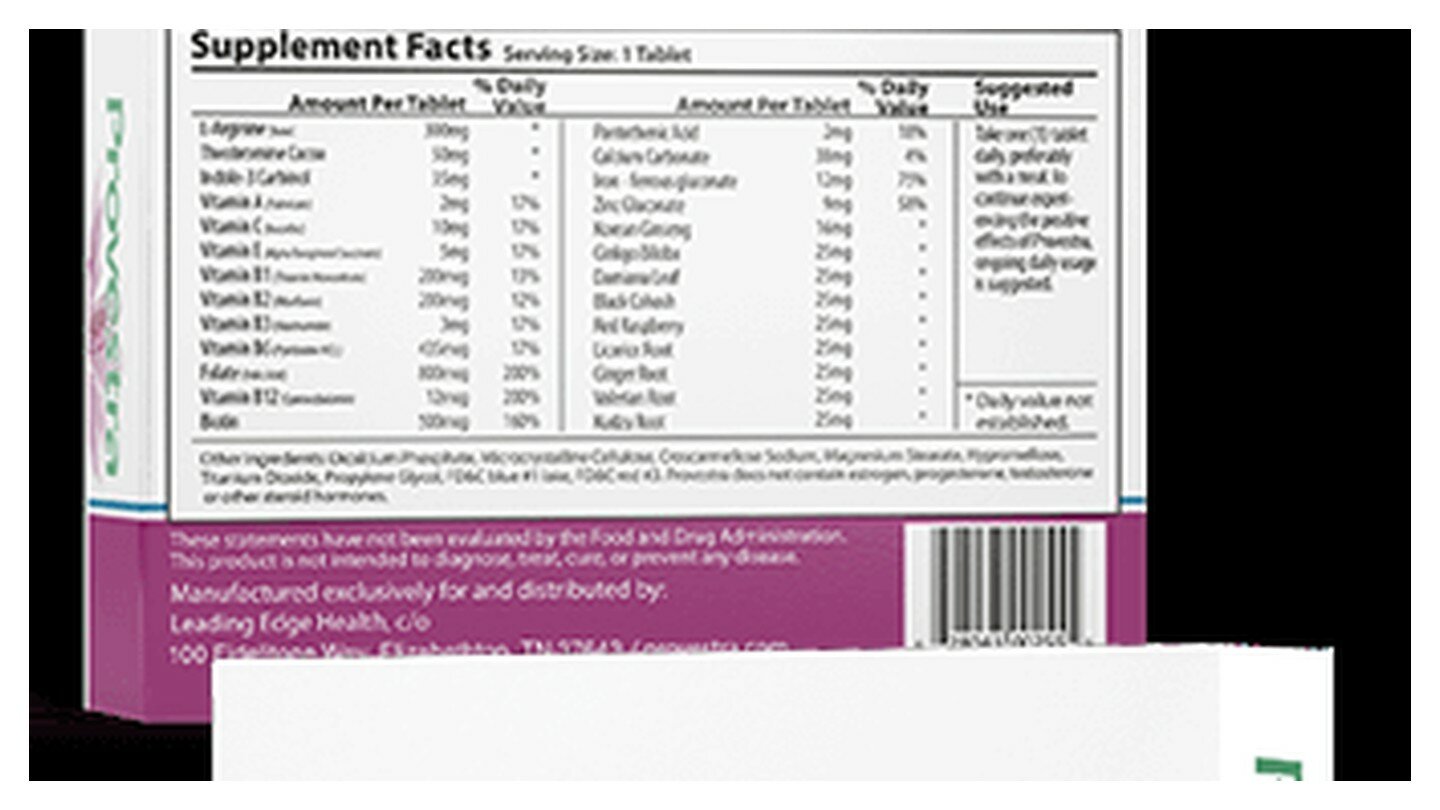
Leading Edge Health's main sales page lists 21 ingredient names with short descriptions and no milligram amounts, folding several vitamins and minerals into broad summary lines. The Supplement Facts panel printed on the Provestra box—and hosted on the maker's own website—breaks out all 26 active ingredients in exact order with per-tablet doses.
Alongside those 26 actives, the label lists standard tablet excipients: dicalcium phosphate, microcrystalline cellulose, croscarmellose sodium, magnesium stearate, hypromellose, titanium dioxide, propylene glycol, FD&C blue #1 lake, and FD&C red #3. Below is every active ingredient exactly as it appears on the Provestra label, from top to bottom.
L-Arginine (Base) — 300 mg
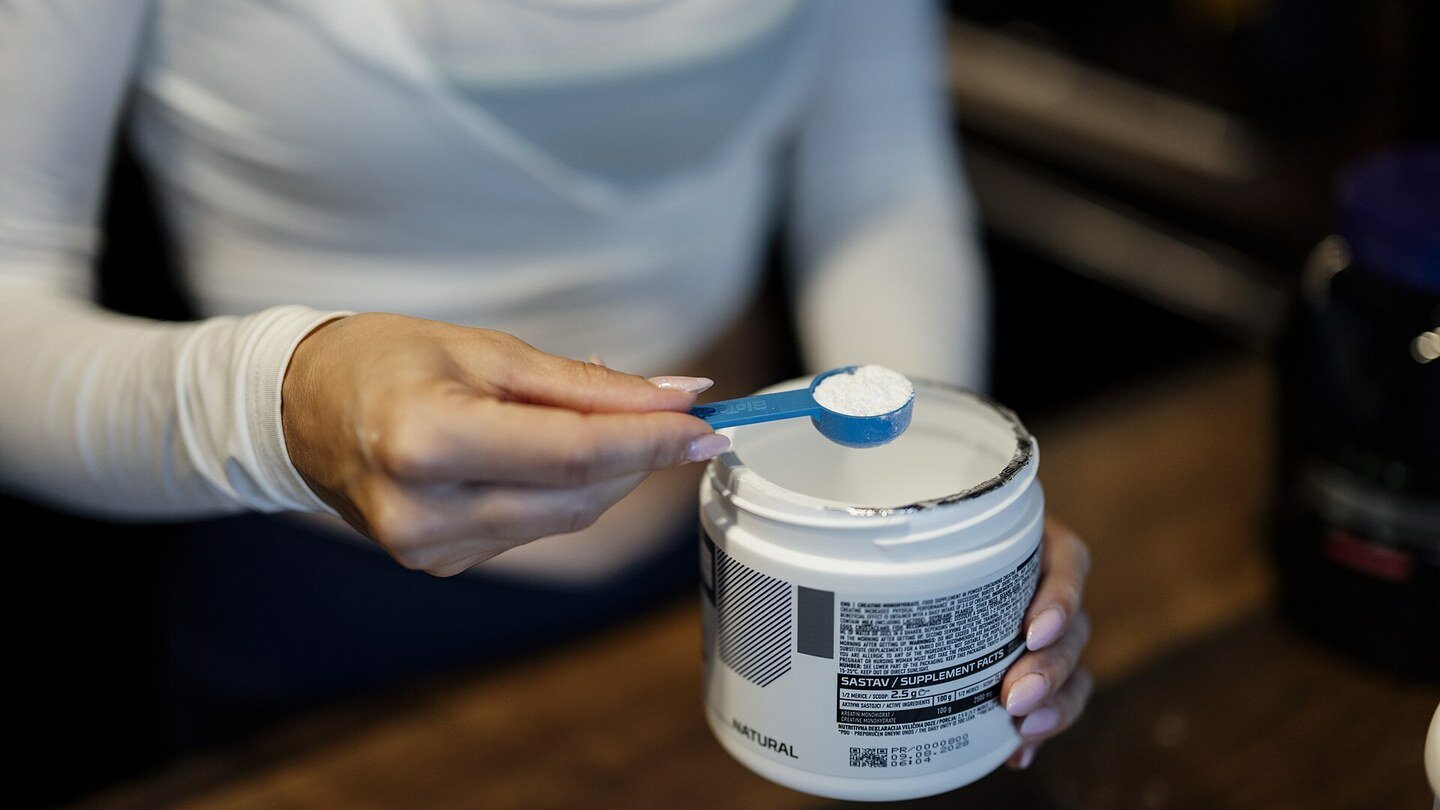
L-arginine (base) sits at the top of Provestra's Supplement Facts panel at 300 mg per tablet, with no established Daily Value. That makes it by far the largest single active ingredient in the formula and the only amino acid on the label.
In clinical research on women's sexual desire, L-arginine has been evaluated inside multi-ingredient combinations rather than as a standalone 300 mg pill. A 2006 double-blind, placebo-controlled trial by Ito et al. studied ArginMax—a different product combining L-arginine with ginseng, ginkgo, damiana, vitamins, and minerals—in 108 women over four weeks, finding improvements in desire among premenopausal participants. A 2021 systematic review of L-arginine for women's desire disorders similarly noted that combination products containing L-arginine may be considered, though four of seven reviewed studies had risk-of-bias concerns and a blend result cannot be credited to 300 mg of L-arginine alone.
Theobromine Cacoa — 50 mg
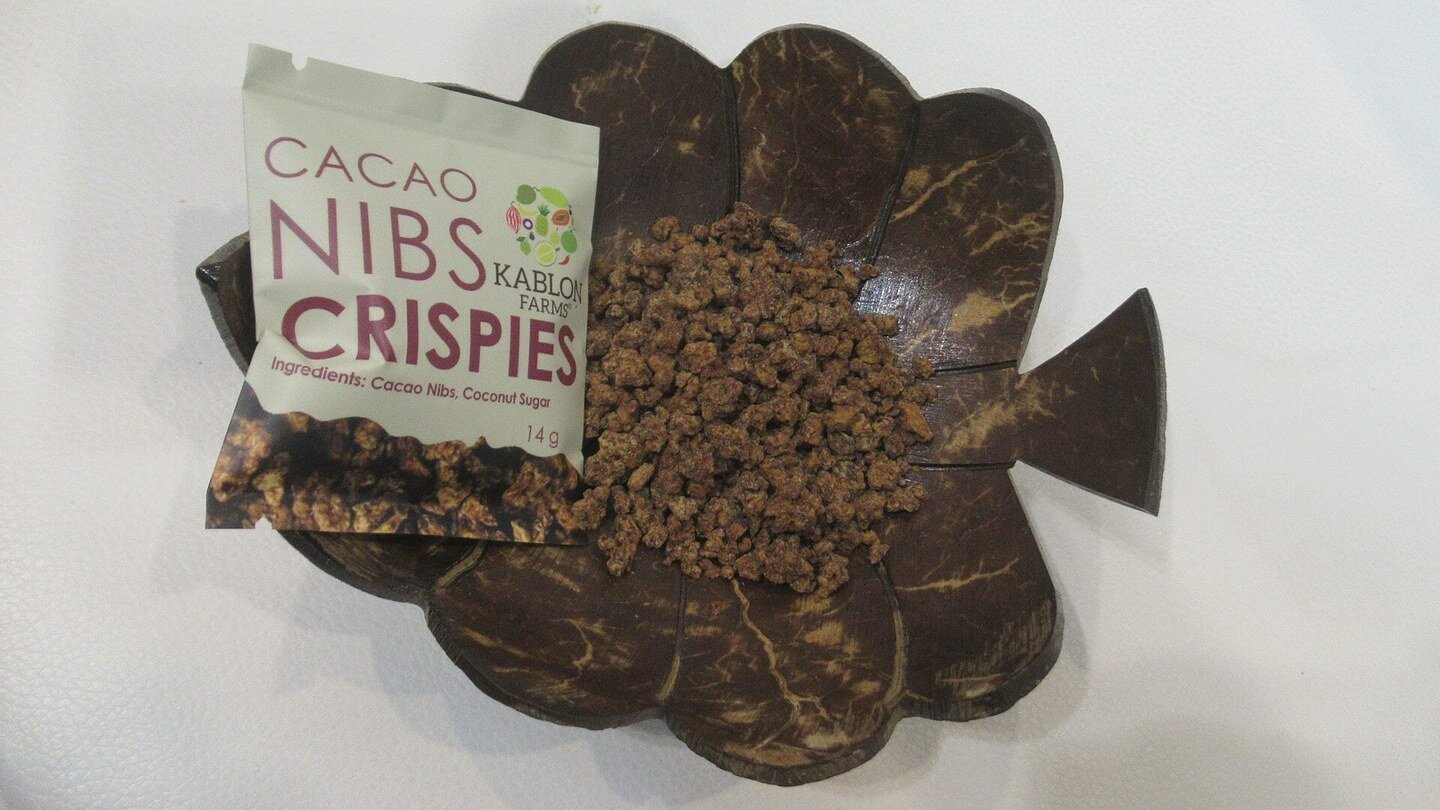
Listed second on the panel—and spelled "Theobromine Cacoa" on the maker's box artwork—this cacao-derived compound is dosed at 50 mg per tablet with no established Daily Value. Notably, at least one competing review site misreports this amount as 100 mg, double what the actual label prints.
While theobromine is a naturally occurring methylxanthine found in cacao, there are no published human clinical trials in our evidence record showing that 50 mg of theobromine improves female sexual desire, arousal, or satisfaction. In Provestra, it functions as a low-dose supporting ingredient rather than an evidence-backed libido active.
Indole-3-Carbinol — 35 mg
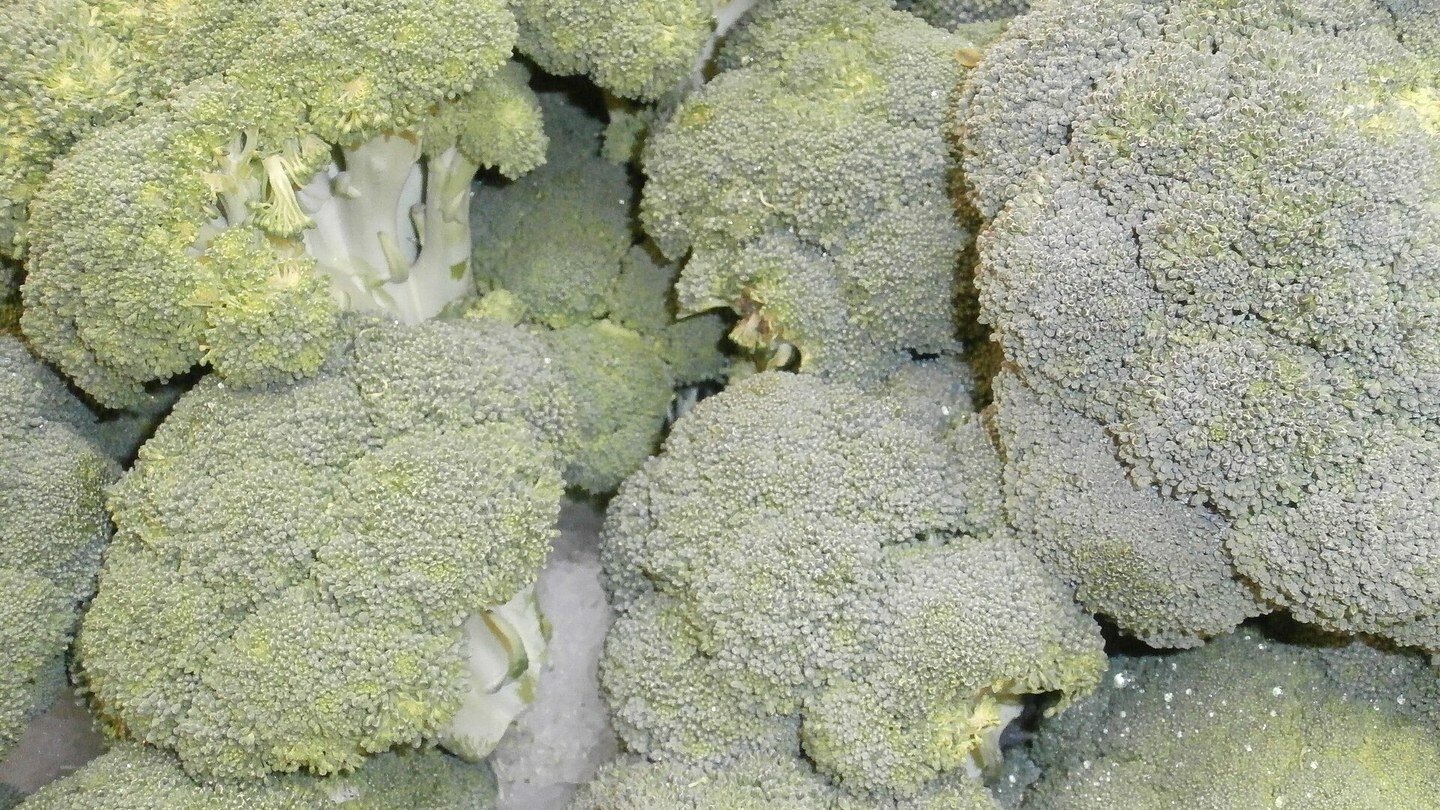
Printed on the Supplement Facts label as "Indole-3 Carbinol" at 35 mg per tablet (no Daily Value established), this compound is derived from cruciferous vegetables. Leading Edge Health includes it to support its sales-page positioning around healthy estrogen balance and metabolism.
No published clinical trials evaluate 35 mg of indole-3-carbinol for female sexual desire or lubrication. Because the maker specifically positions this ingredient around estrogen metabolism, women with hormone-sensitive medical conditions should check with a physician before using a daily supplement containing it.
Vitamin A (Palmitate) — 2 mg (17% DV)
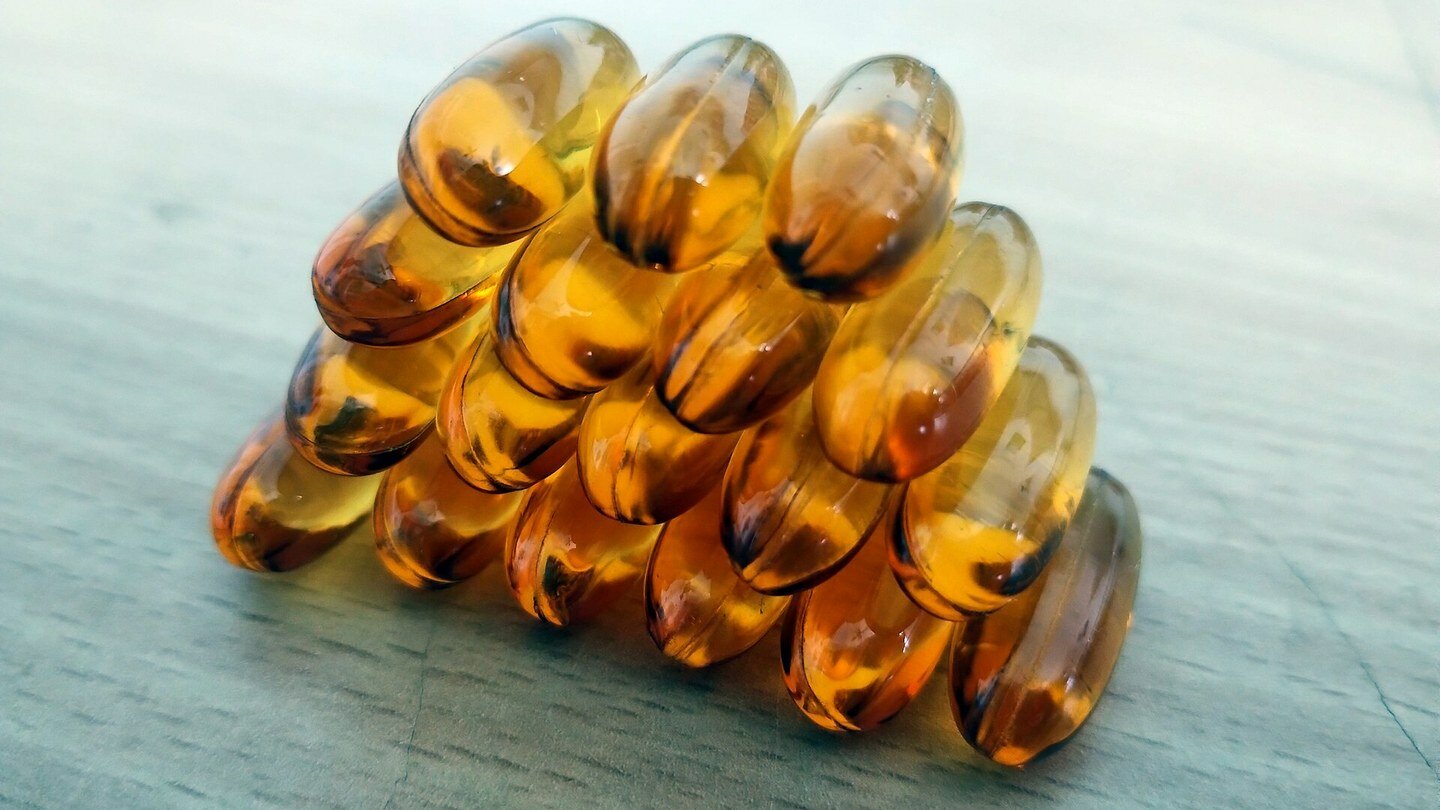
Vitamin A (as palmitate) is printed on the Provestra label as 2 mg, providing 17% of the Daily Value per tablet (retaining the exact milligram unit printed on the maker's box artwork). It serves as the first entry in Provestra's baseline daily multivitamin complex, which the sales page groups together without individual doses.
While adequate vitamin A supports general cellular and mucosal health, there is no clinical trial evidence showing that 2 mg of vitamin A palmitate increases sexual desire or arousal.
Vitamin C (Ascorbic) — 10 mg (17% DV)

Vitamin C (listed as Ascorbic) appears at 10 mg per tablet, or 17% of the Daily Value. Like the other foundational vitamins on the panel, it contributes a modest daily nutritional top-up rather than a high-potency therapeutic dose.
No human clinical trials demonstrate that 10 mg of ascorbic acid improves female libido, lubrication, or sexual satisfaction.
Vitamin E (Alpha Tocopherol Succinate) — 5 mg (17% DV)
Vitamin E is supplied in the alpha tocopherol succinate form at 5 mg per tablet, delivering 17% of the Daily Value. It sits alongside vitamins A and C at the same 17% daily-value tier on the Supplement Facts table.
Despite frequent inclusion in women's wellness blends, there are no controlled clinical trials showing that 5 mg of oral vitamin E increases sexual desire.
Vitamin B1 (Thiamin Mononitrate) — 200 mcg (13% DV)
Vitamin B1 (as thiamin mononitrate) is dosed at 200 mcg per tablet, providing 13% of the Daily Value. It is the first of eight B-complex vitamins included in Provestra's micronutrient base.
Thiamin supports normal daily energy metabolism, but no clinical evidence links a 200 mcg supplement dose to improved female sexual function.
Vitamin B2 (Riboflavin) — 200 mcg (12% DV)
Vitamin B2 (riboflavin) is included at 200 mcg per tablet, equal to 12% of the Daily Value. On the maker's sales copy, riboflavin is folded into a general B-vitamin mention rather than listed with its microgram dose.
There is no published trial evidence indicating that 200 mcg of riboflavin affects female libido or arousal.
Vitamin B3 (Niacinamide) — 3 mg (17% DV)
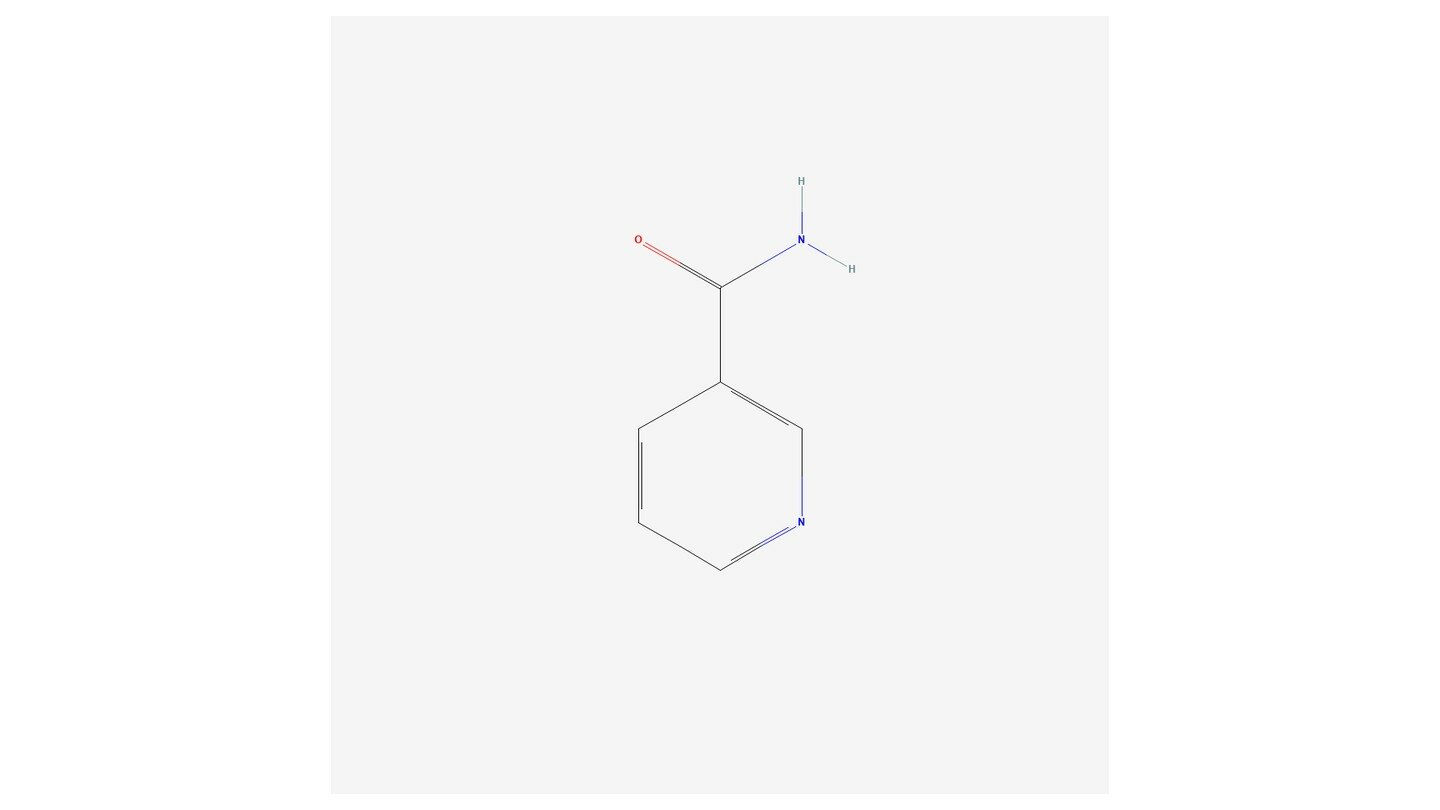
Vitamin B3 is supplied as niacinamide at 3 mg per tablet, providing 17% of the Daily Value. Using niacinamide rather than nicotinic acid avoids the temporary skin flushing associated with high-dose niacin.
At 3 mg, it serves strictly as a low-dose daily nutrient with no clinical trial evidence supporting an effect on sexual desire.
Vitamin B6 (Pyridoxine HCL) — 435 mcg (17% DV)
Vitamin B6 (as pyridoxine HCL) is dosed at 435 mcg per tablet, or 17% of the Daily Value. This keeps it in line with the rest of Provestra's low-dose B-vitamin cluster at roughly one-sixth of daily requirements.
No published clinical trials show that 435 mcg of vitamin B6 improves female sexual desire or hormonal comfort.
Folate (Folic Acid) — 800 mcg (200% DV)
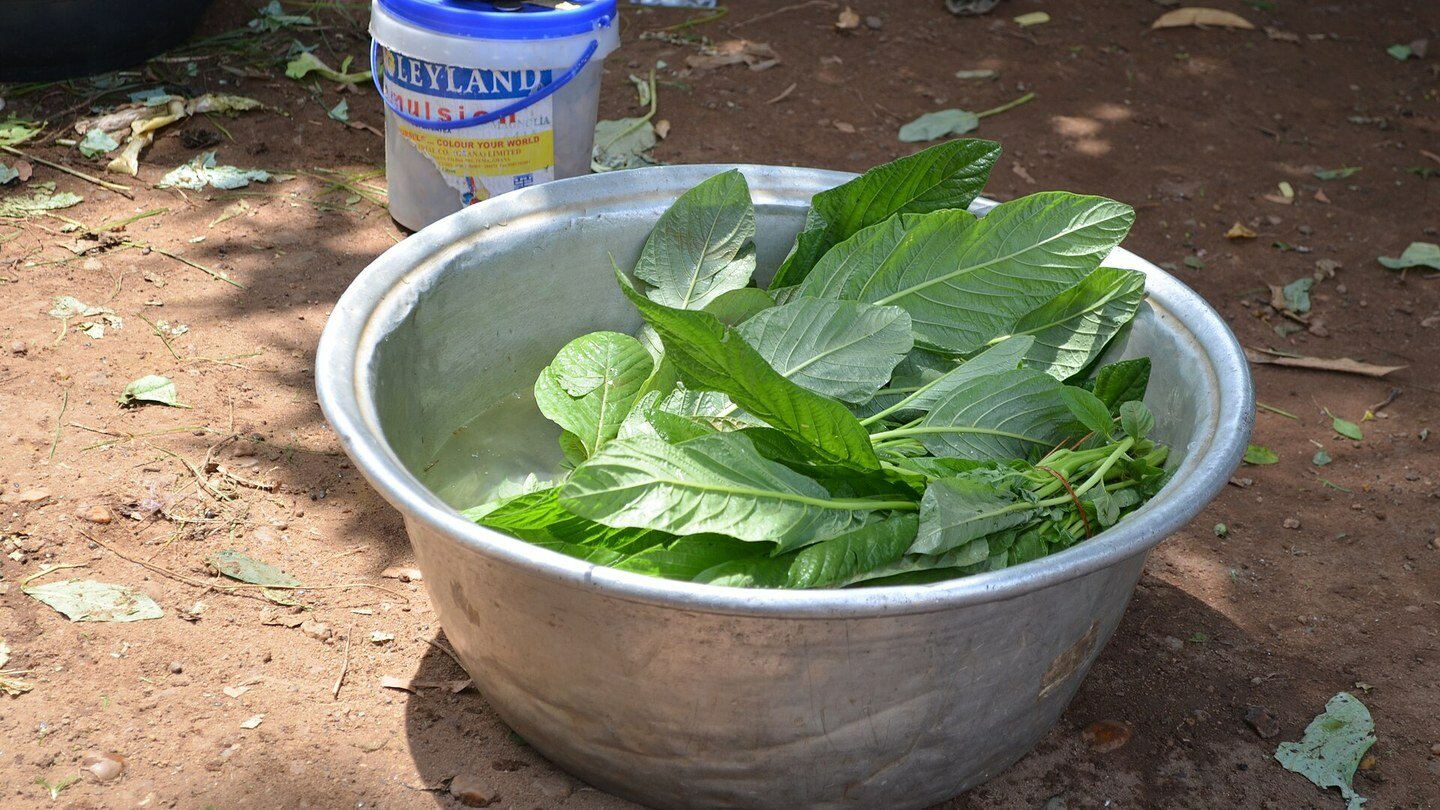
Folate (as folic acid) is dosed at 800 mcg per tablet, delivering 200% of the Daily Value. Unlike the fractional 12% to 18% doses used for most vitamins on the label, folic acid is one of the few lines dosed like a full-strength daily supplement.
That 200% dose carries an important medical check. High folic acid intake can mask the hematologic signs of an underlying vitamin B12 deficiency, even though Provestra also includes 12 mcg of vitamin B12 on the same label. Women who already take a prenatal supplement or daily multivitamin containing folic acid should review their combined intake with a doctor, and note that folate has no clinical evidence for increasing sexual desire.
Vitamin B12 (Cyanocobalamin) — 12 mcg (200% DV)
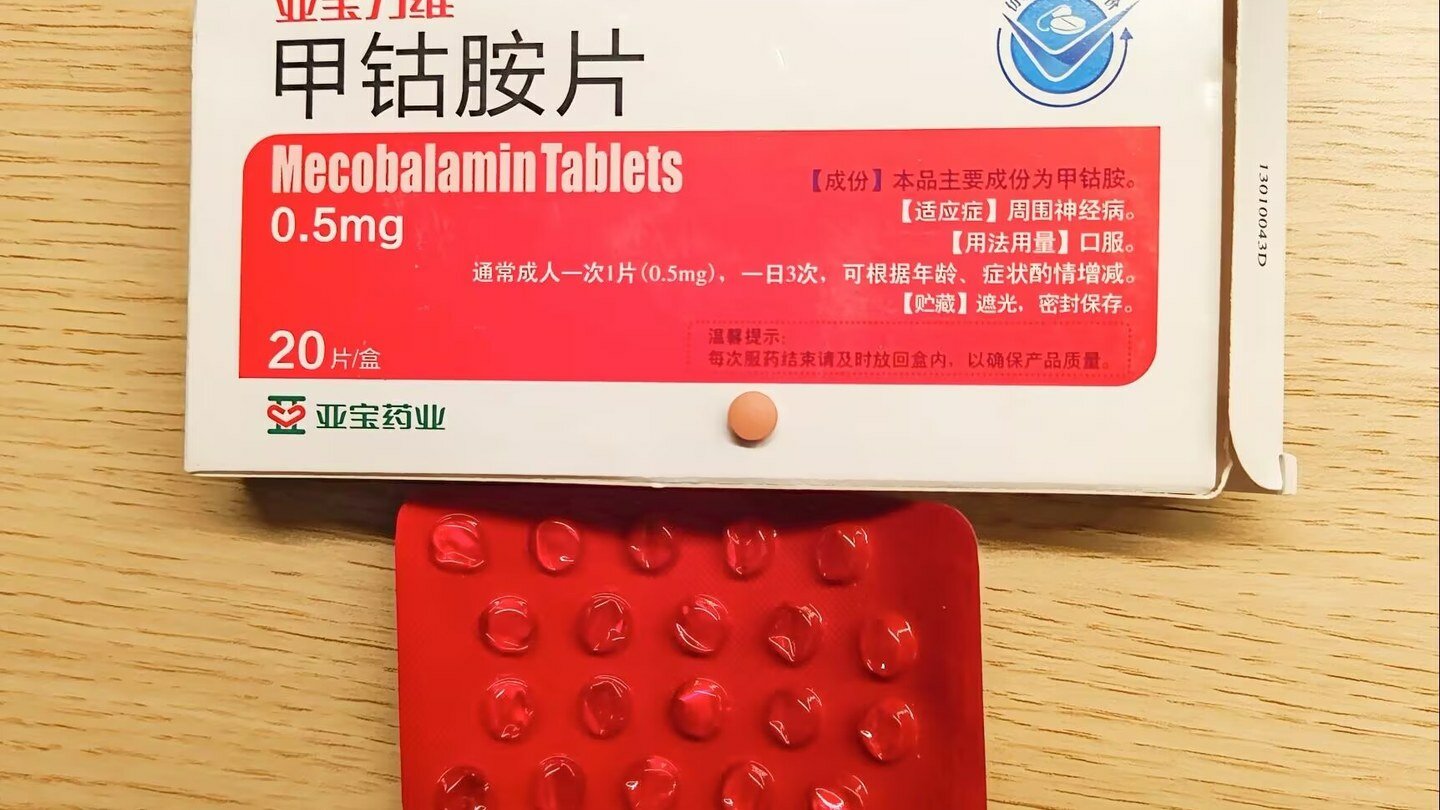
Vitamin B12 (as cyanocobalamin) is included at 12 mcg per tablet, providing 200% of the Daily Value. Pairing 12 mcg of B12 alongside 800 mcg of folic acid helps cover daily B12 needs within the same tablet.
While B12 prevents dietary B12 deficiency, there is no controlled trial evidence showing that 12 mcg of cyanocobalamin boosts libido.
Biotin — 500 mcg (160% DV)
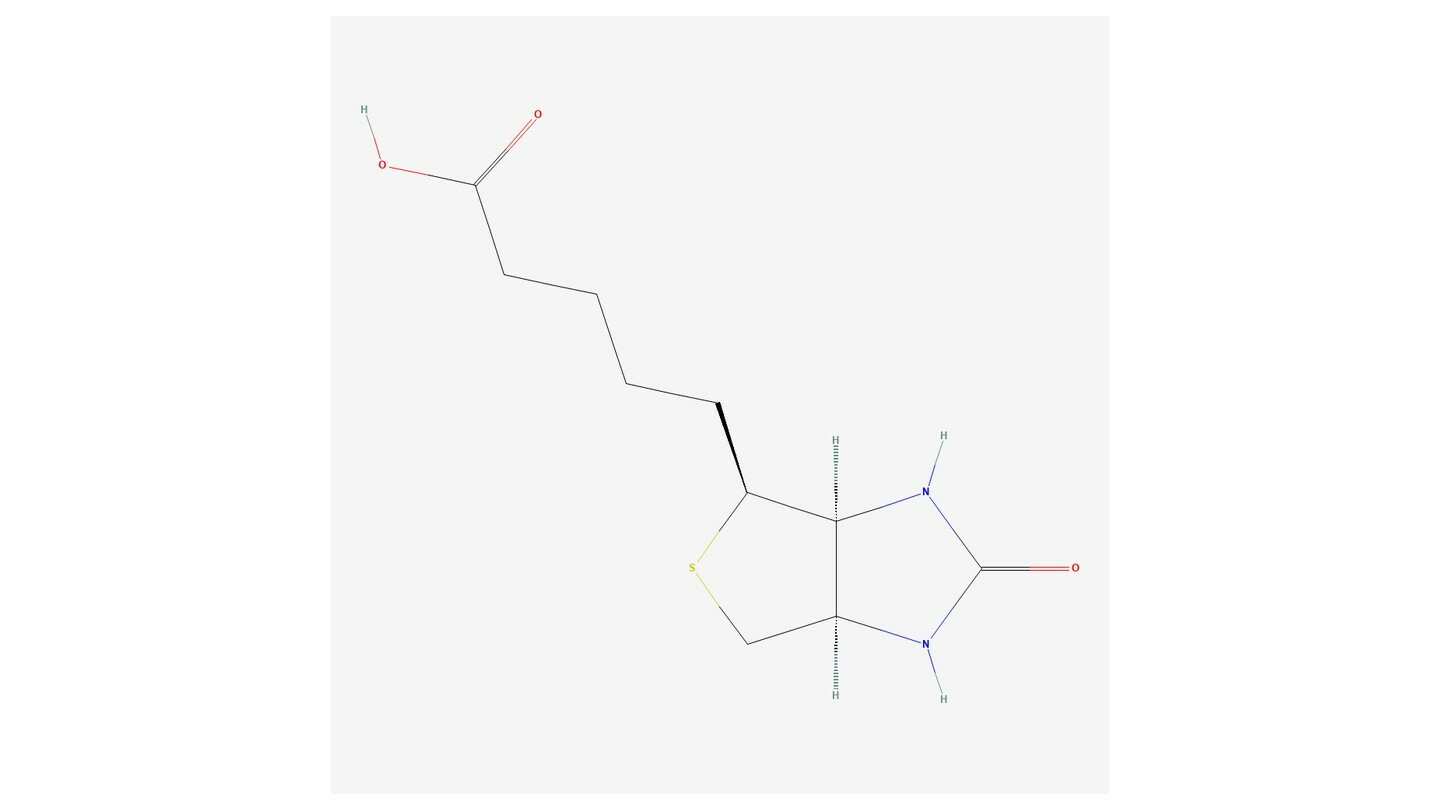
Biotin is dosed at 500 mcg per tablet, equal to 160% of the Daily Value. Along with folate and vitamin B12, it is one of three B vitamins on the Provestra label dosed above 100% of daily reference needs.
Biotin supports normal micronutrient intake, though no human studies connect 500 mcg of biotin to sexual desire or arousal.
Pantothenic Acid — 2 mg (18% DV)
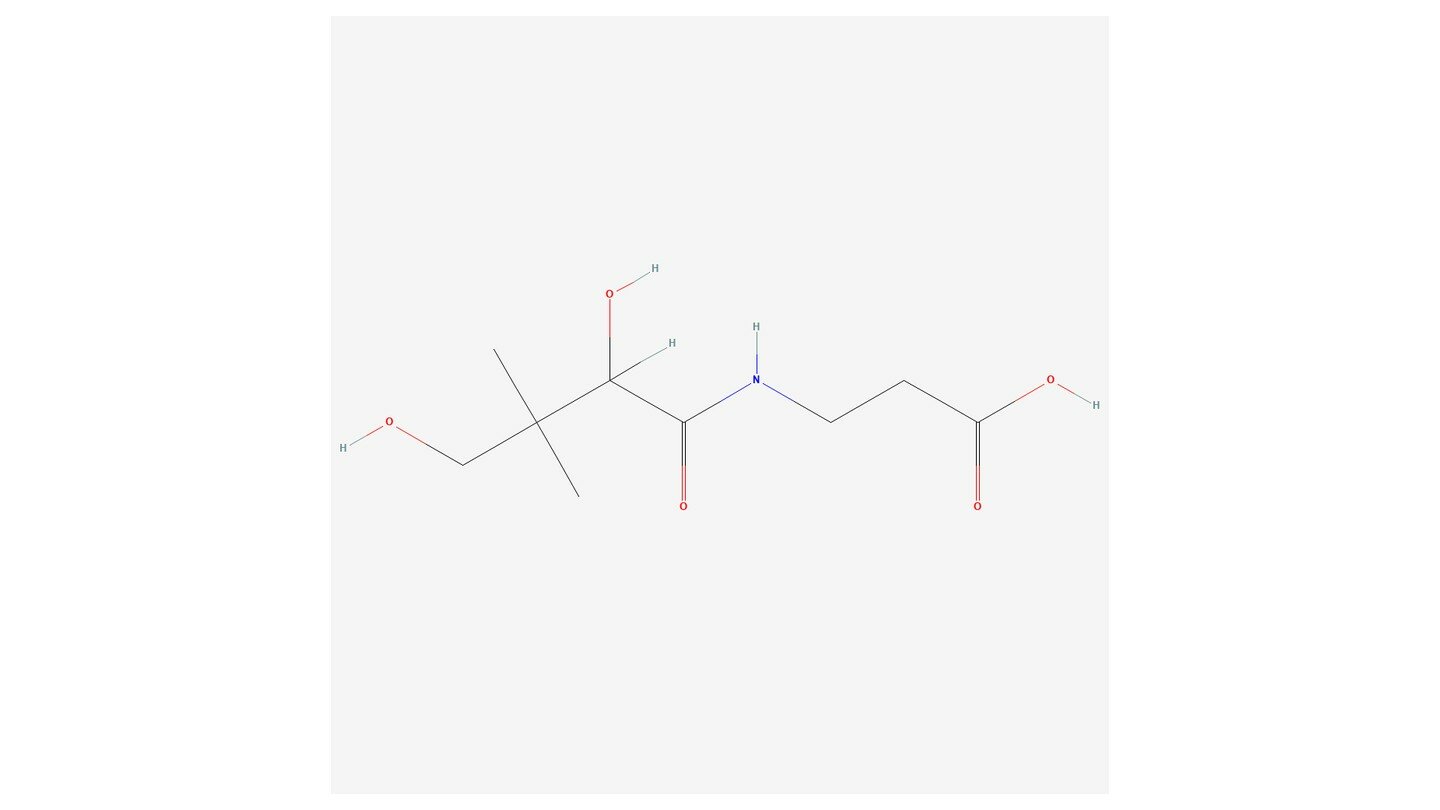
Pantothenic acid (vitamin B5) appears at 2 mg per tablet, providing 18% of the Daily Value. It rounds out the eight-vitamin B-complex group printed in the middle of the Supplement Facts panel.
Like the other low-dose B vitamins in the tablet, it contributes basic nutritional support with no clinical evidence for female sexual function.
Calcium Carbonate — 100 mg (11% DV)
Calcium carbonate is the highest-weight mineral on the label at 100 mg per tablet, providing 11% of the Daily Value. It contributes a modest tenth of daily calcium intake alongside the tablet's dicalcium phosphate excipient.
There is no clinical trial evidence linking 100 mg of calcium carbonate to sexual desire, lubrication, or orgasm.
Iron (Ferrous Gluconate) — 12 mg (75% DV)
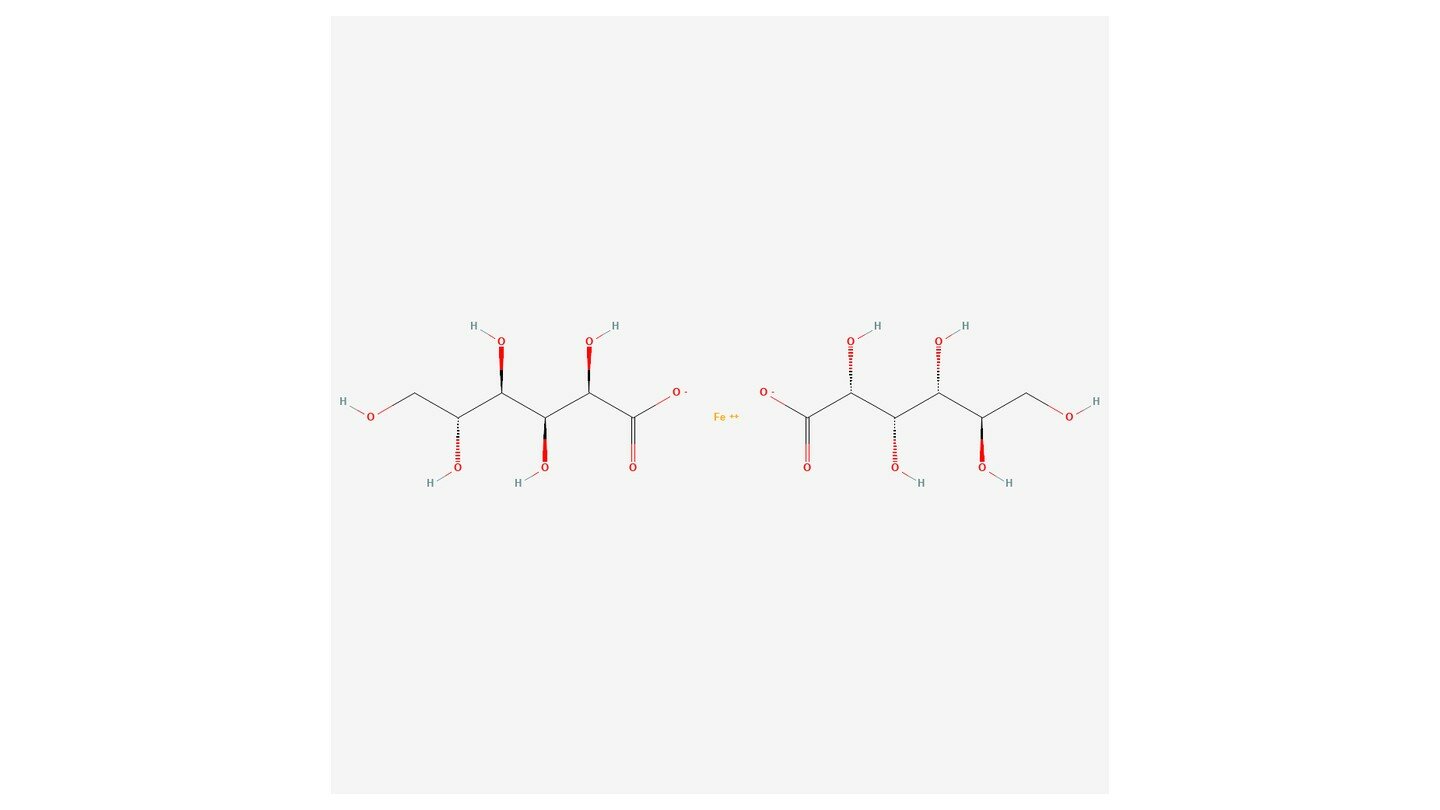
Iron (as ferrous gluconate) is dosed at 12 mg per tablet, delivering 75% of the Daily Value. Alongside folate at 200% DV, iron is the second ingredient on the label dosed like a serious daily nutrient rather than a decorative trace addition.
Because 12 mg represents three-quarters of the adult Daily Value, women who already take an iron-containing multivitamin, postmenopausal women who do not need extra iron, or anyone with iron-overload concerns should count their total daily iron and check with a doctor before starting Provestra. Supplemental iron can also cause mild stomach upset in some users, and while treating true iron deficiency supports overall energy, no trial shows iron boosts libido directly.
Zinc Gluconate — 9 mg (58% DV)
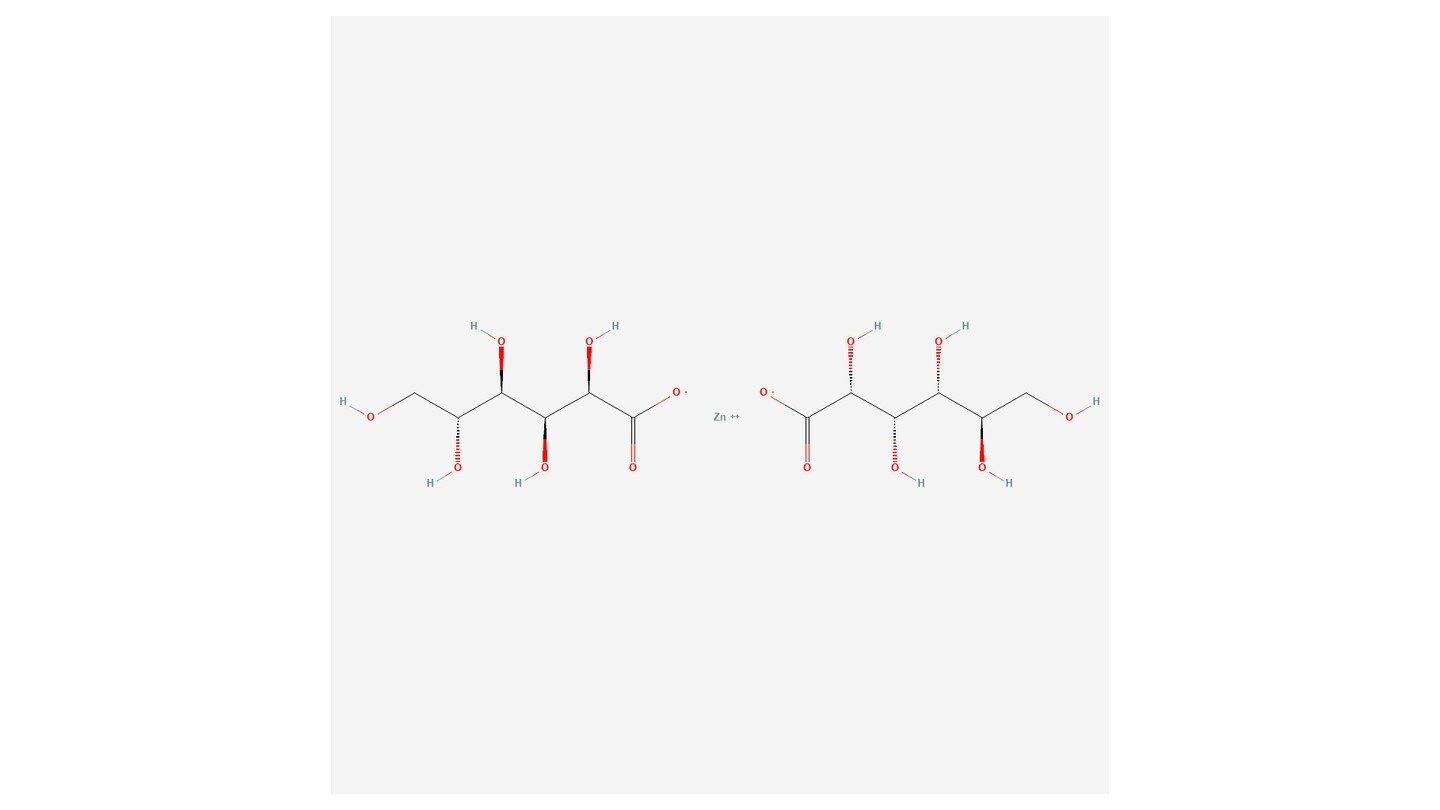
Zinc is supplied as zinc gluconate at 9 mg per tablet, providing 58% of the Daily Value. Reading the actual box label corrects a common competitor mistake: at least one major review site falsely lists zinc oxide instead of zinc gluconate.
At 58% of the Daily Value, it provides a solid daily zinc top-up, though no published clinical trials evaluate 9 mg of zinc gluconate for female sexual desire.
Korean Ginseng — 16 mg
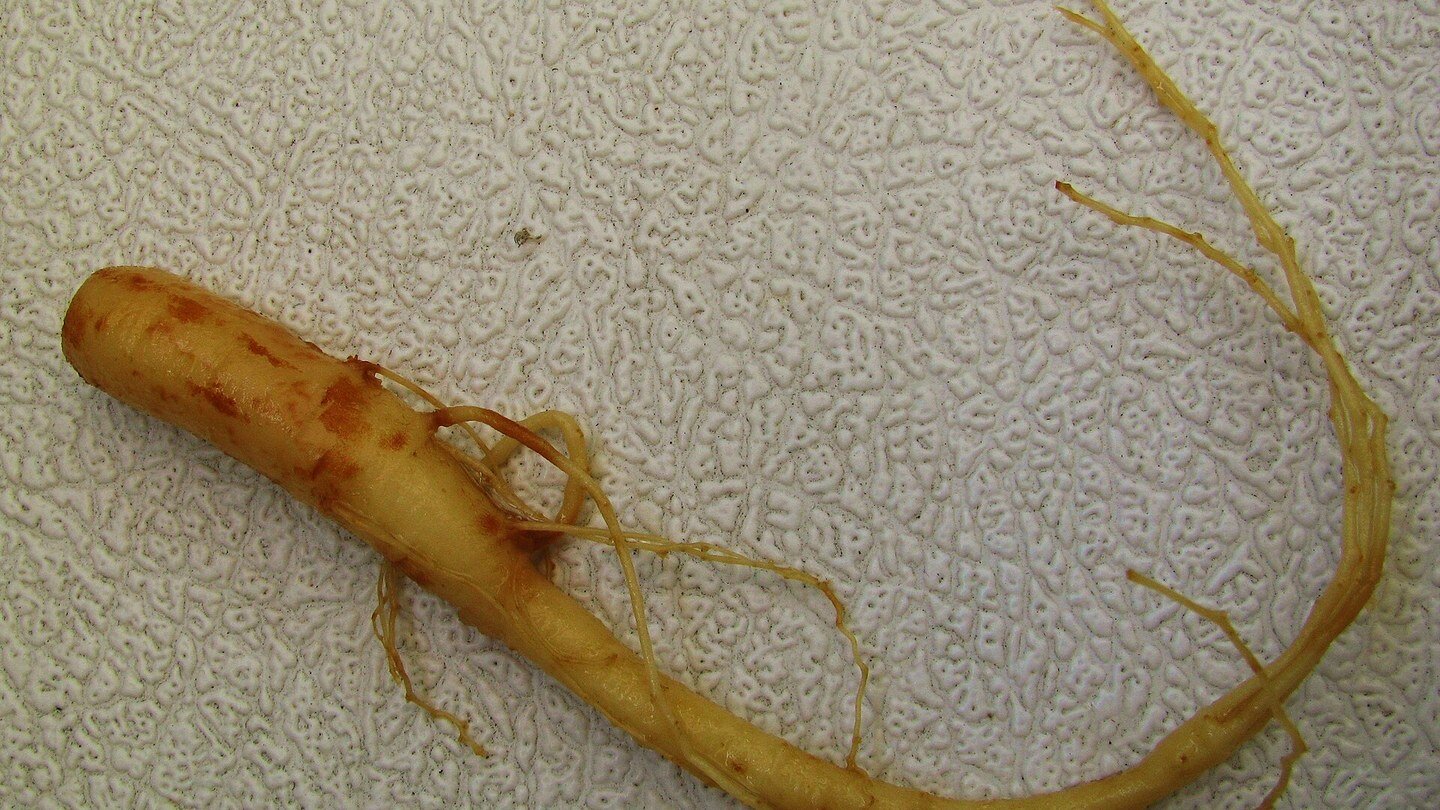
Korean ginseng sits at 16 mg per tablet (no Daily Value established), making it the smallest botanical dose on the entire Supplement Facts panel. One competing review site claims Provestra contains 100 mg of ginseng—more than six times the actual 16 mg printed on the box.
In clinical research, a 2016 systematic review by Lee et al. evaluated 10 double-blind, placebo-controlled trials of ginseng in postmenopausal women and found mixed results across menopause outcomes, with most trials carrying an unclear risk of bias. Even at higher doses, the menopause evidence is inconsistent, and 16 mg is a tiny fraction of standard study amounts. Korean ginseng may also lower blood sugar—requiring caution for anyone on diabetes medication—and can interfere with sleep in sensitive users.
Ginkgo Biloba — 25 mg

Ginkgo biloba is dosed at 25 mg per tablet (no Daily Value established), marking the first of eight botanicals stacked at an identical 25 mg on the Provestra label. That 25 mg amount is roughly a tenth of the lowest dose used in clinical studies of ginkgo for women's sexual function.
Across the clinical literature, Cohen & Bartlik (1998) tested an average of 209 mg/day in an open, uncontrolled study, Wheatley (2004) found no benefit over placebo at 240 mg/day in a triple-blind randomized trial, and Meston et al. (2008) found only a small physiological effect from a single 300 mg dose and no substantial benefit after eight weeks of ginkgo alone alongside a large placebo response. Ginkgo also carries a bleeding risk and can interact with blood-thinning medications, so anyone on anticoagulants or antiplatelet drugs should consult a doctor first.
Damiana Leaf — 25 mg
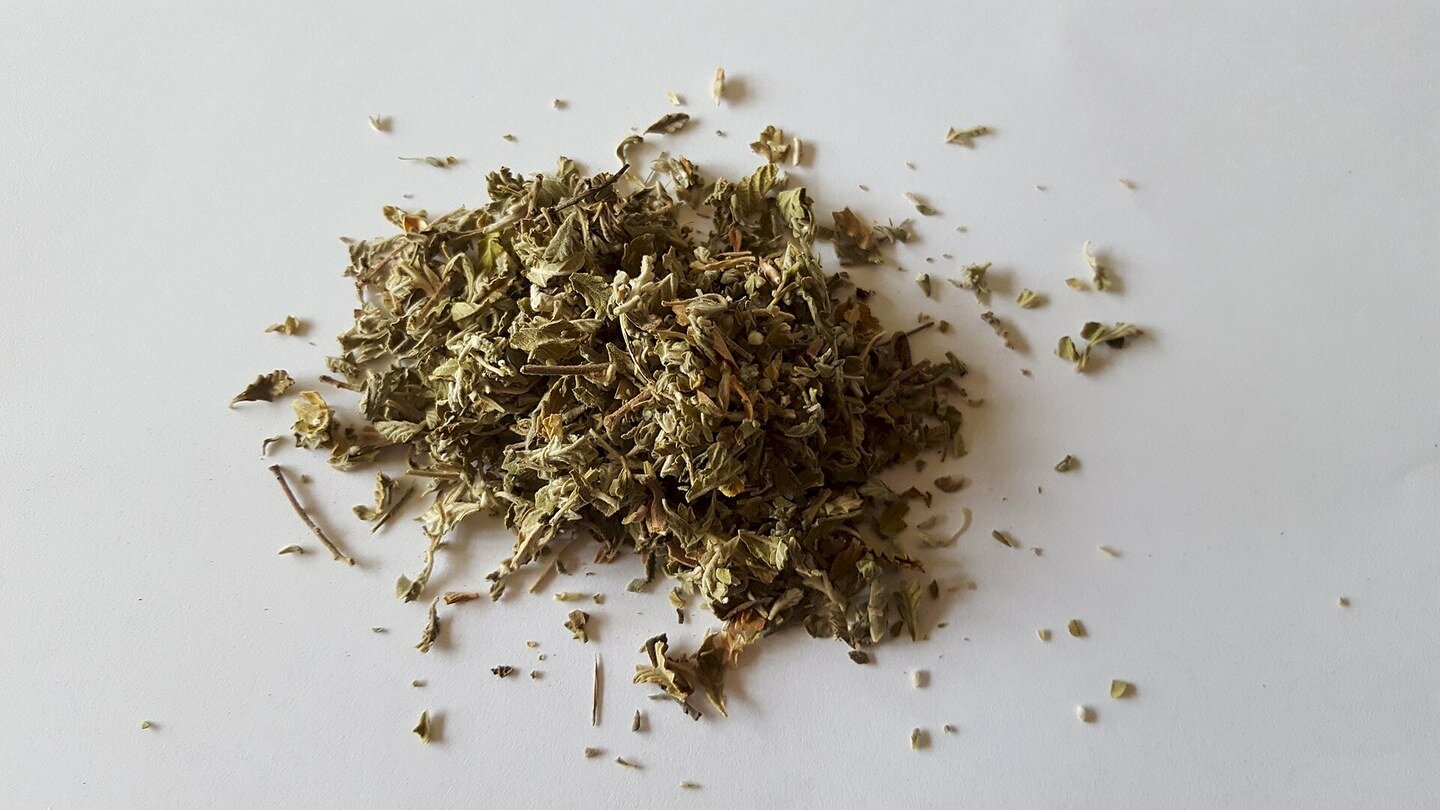
Damiana leaf appears at 25 mg per tablet (no Daily Value established) as the second herb in Provestra's flat-25 mg botanical block. Damiana has a long history in traditional herbal products marketed for sexual wellness.
However, according to the Memorial Sloan Kettering Cancer Center (MSK) integrative medicine monograph, while animal studies suggest effects on sexual behavior, there are no human clinical trials evaluating damiana alone at any dose. Damiana was one component of the multi-ingredient ArginMax blend studied by Ito et al. (2006), but its standalone effect at 25 mg remains untested in women.
Black Cohosh — 25 mg
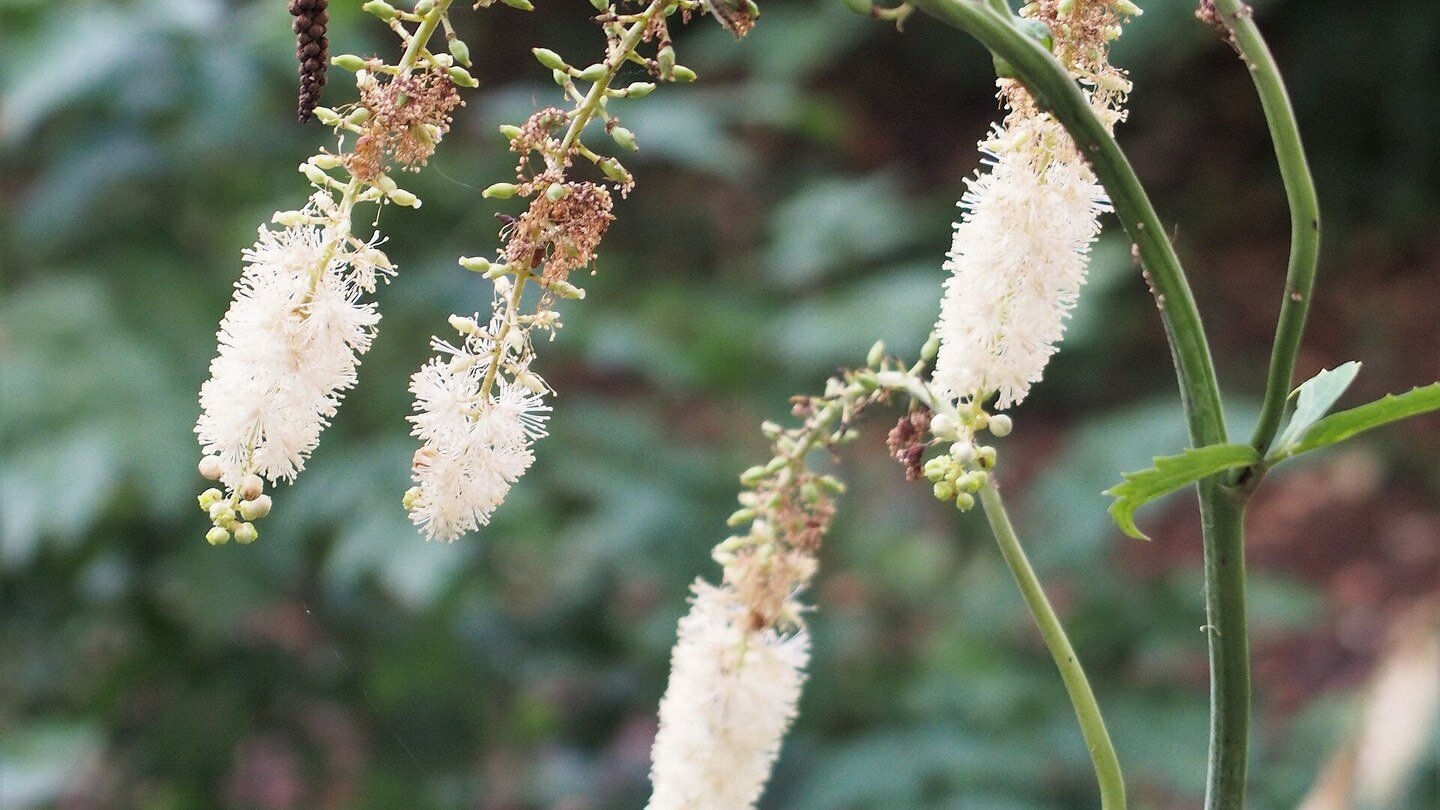
Black cohosh is dosed at 25 mg per tablet (no Daily Value established). Leading Edge Health includes it as part of its comfort-through-hormonal-change positioning, yet the clinical literature points to a different symptom and mixed results.
The National Center for Complementary and Integrative Health (NCCIH) notes that research on black cohosh has focused on hot flashes and menopausal symptoms with mixed findings, a Cochrane review found the evidence insufficient, and there is no clinical evidence that black cohosh improves sexual desire. Both LiverTox and the MSK monograph also note rare but serious cases of liver injury linked to black cohosh products, so women with liver conditions should avoid it and stop use immediately if dark urine, yellowing skin, or upper-right abdominal pain develops.
Red Raspberry — 25 mg
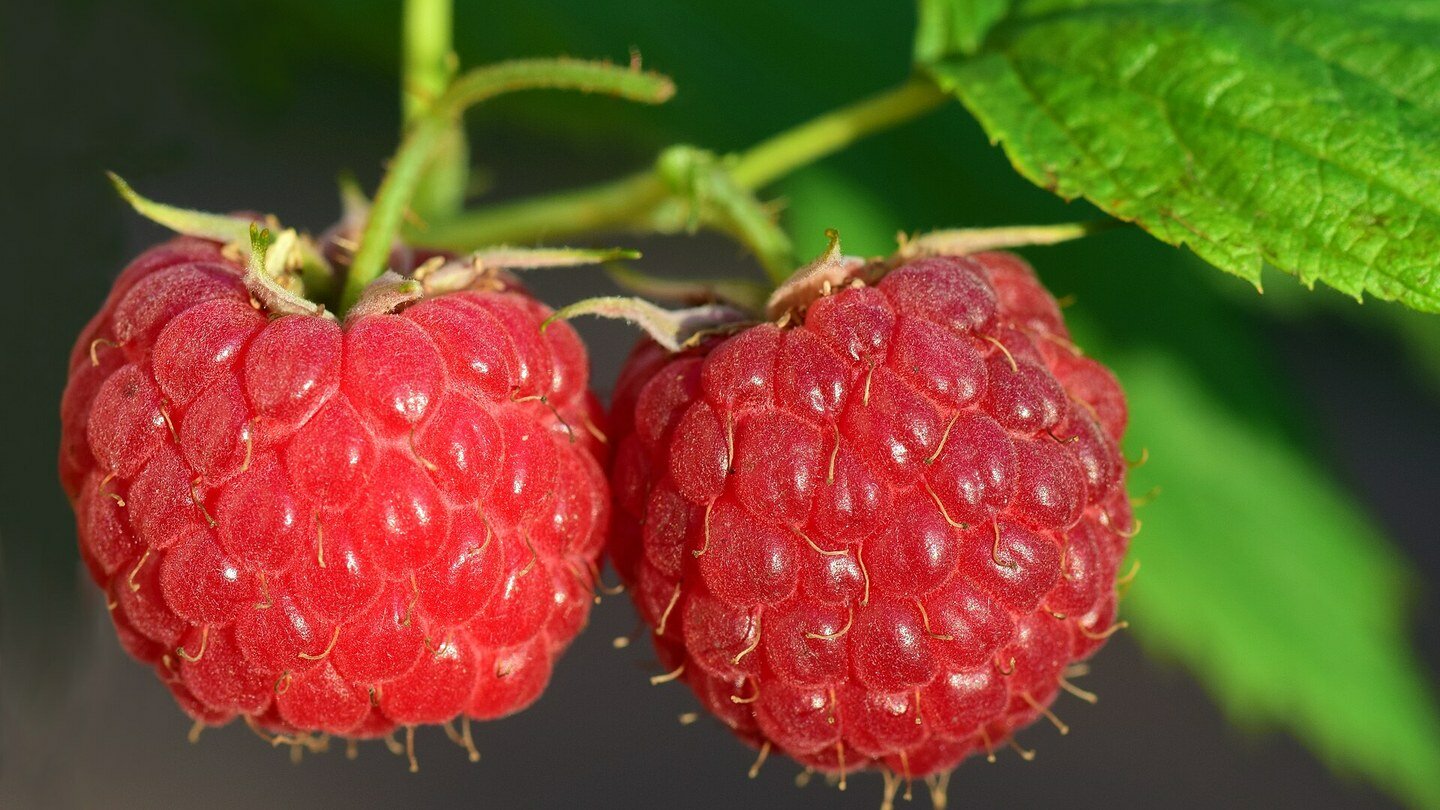
Red raspberry is included at 25 mg per tablet (no Daily Value established), sitting at the exact same 25 mg mark as seven other botanicals on the panel. It is traditionally included in women's formulas for general reproductive comfort.
In our clinical evidence record, there are no published human trials evaluating 25 mg of red raspberry—or any other dose—for female sexual desire, lubrication, or satisfaction.
Licorice Root — 25 mg
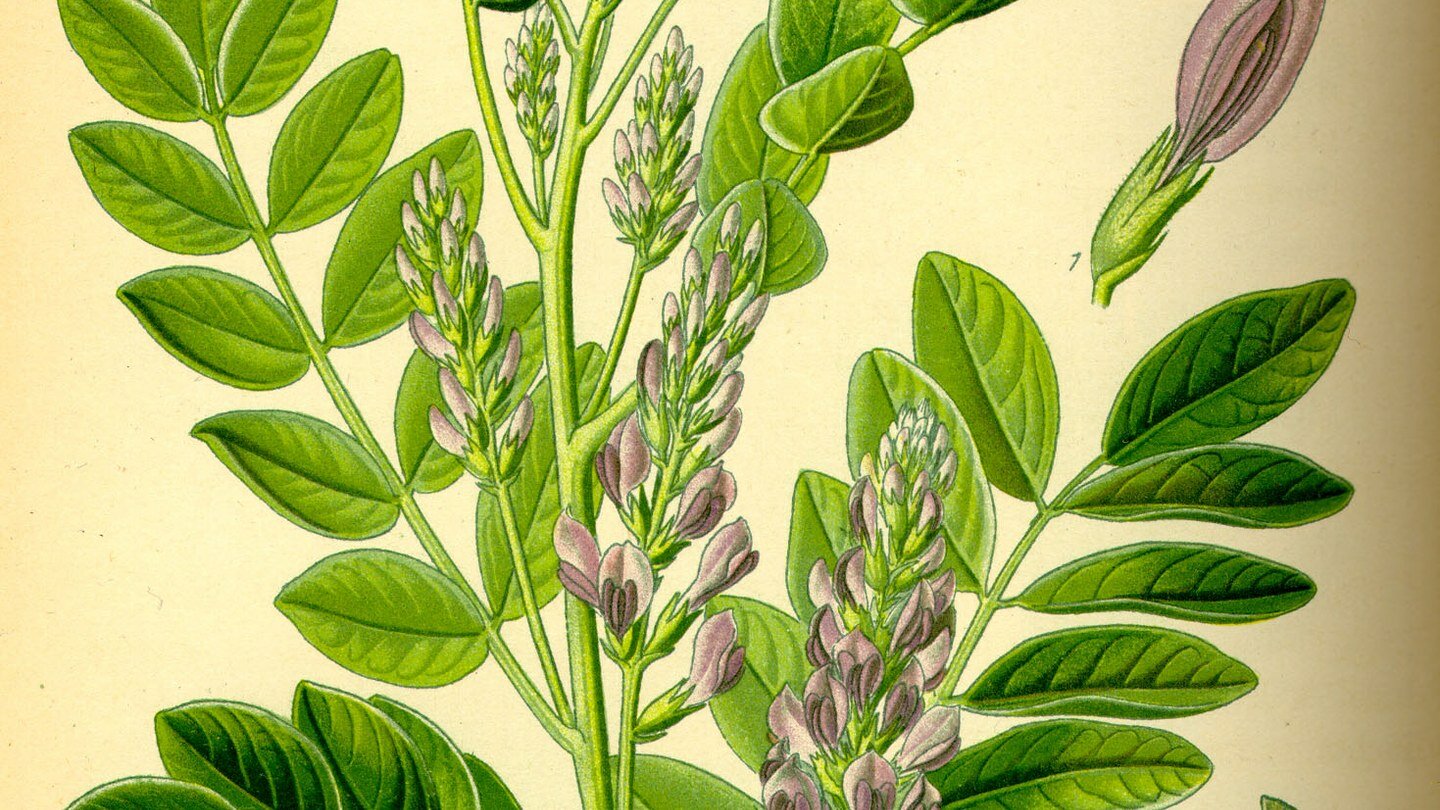
Licorice root is dosed at 25 mg per tablet (no Daily Value established) as the fifth botanical in the flat-25 mg sequence. The NCCIH states there is not enough good scientific evidence to support licorice root for any health condition, and no trials test it for female libido.
Licorice root contains glycyrrhizin, a compound known to raise blood pressure and lower potassium levels when taken in sustained higher amounts. Although the cautioned intakes in the medical literature are far above 25 mg per day, women with high blood pressure, heart disease, or kidney conditions—or those taking corticosteroids or diuretics—should check with a doctor before taking any supplement containing licorice root.
Ginger Root — 25 mg
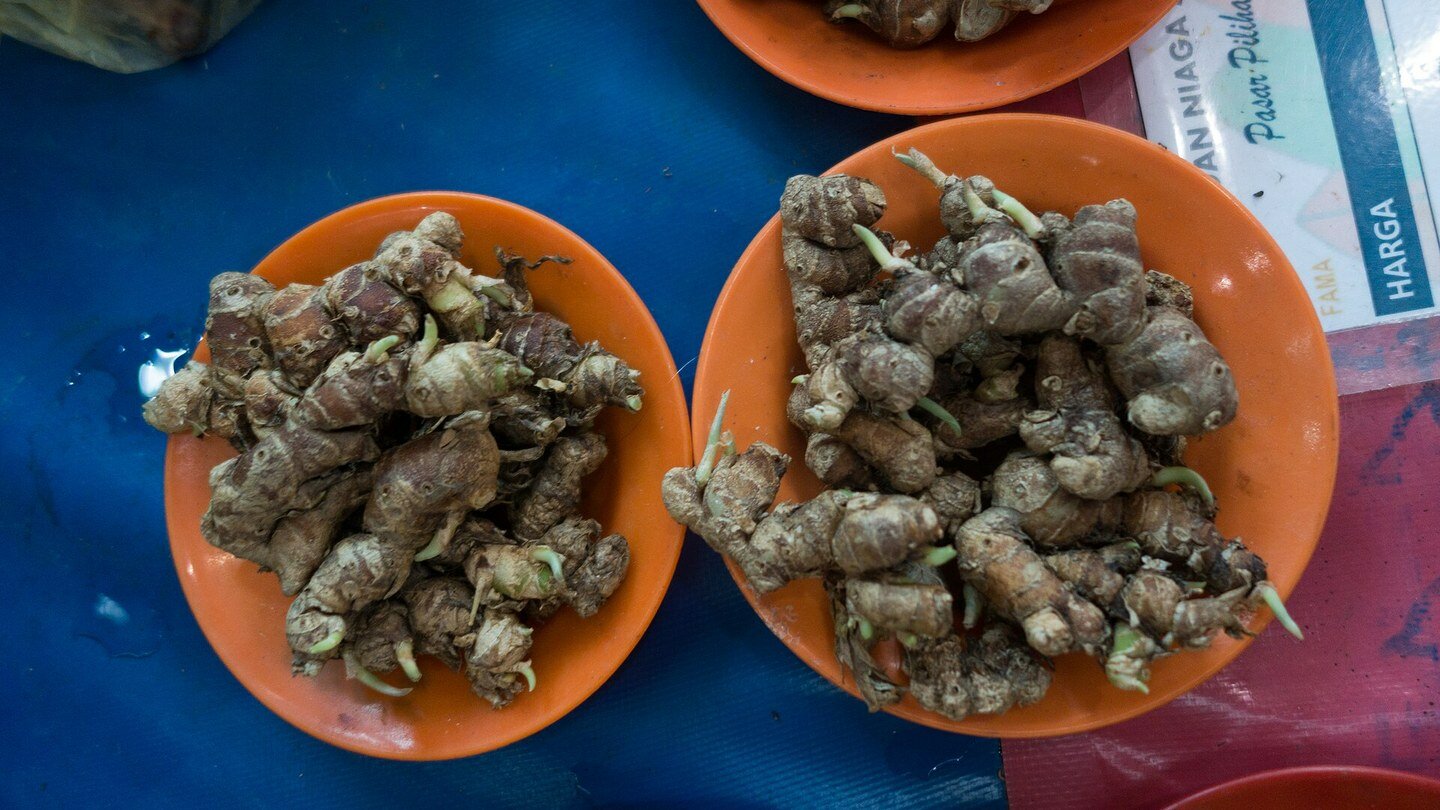
Ginger root appears at 25 mg per tablet (no Daily Value established), continuing the uniform 25 mg dosing pattern across the bottom half of the label. It is a familiar culinary and digestive botanical often added to multi-herb formulas.
There are no published clinical trials in our evidence record showing that 25 mg of ginger root improves female sexual desire, physical sensation, or lubrication.
Valerian Root — 25 mg
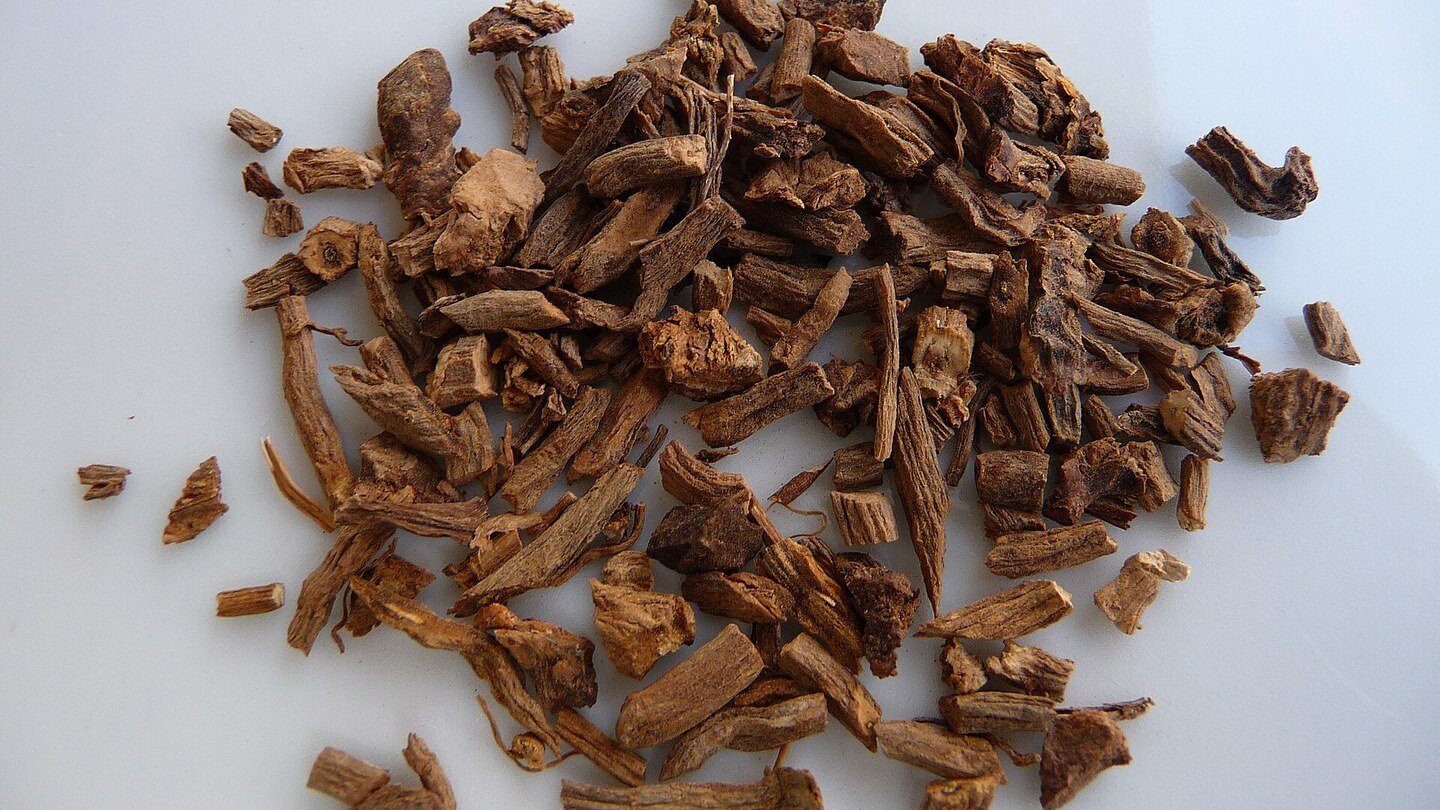
Valerian root is dosed at 25 mg per tablet (no Daily Value established), representing the second-to-last botanical in the 25 mg group. No clinical trials evaluate valerian root for female libido or sexual satisfaction at any dose.
Because valerian is a sedative botanical that can cause drowsiness, women who take prescription sedatives, sleep medications, or consume alcohol regularly should consult a healthcare provider before combining them with a valerian-containing supplement.
Kudzu Root — 25 mg
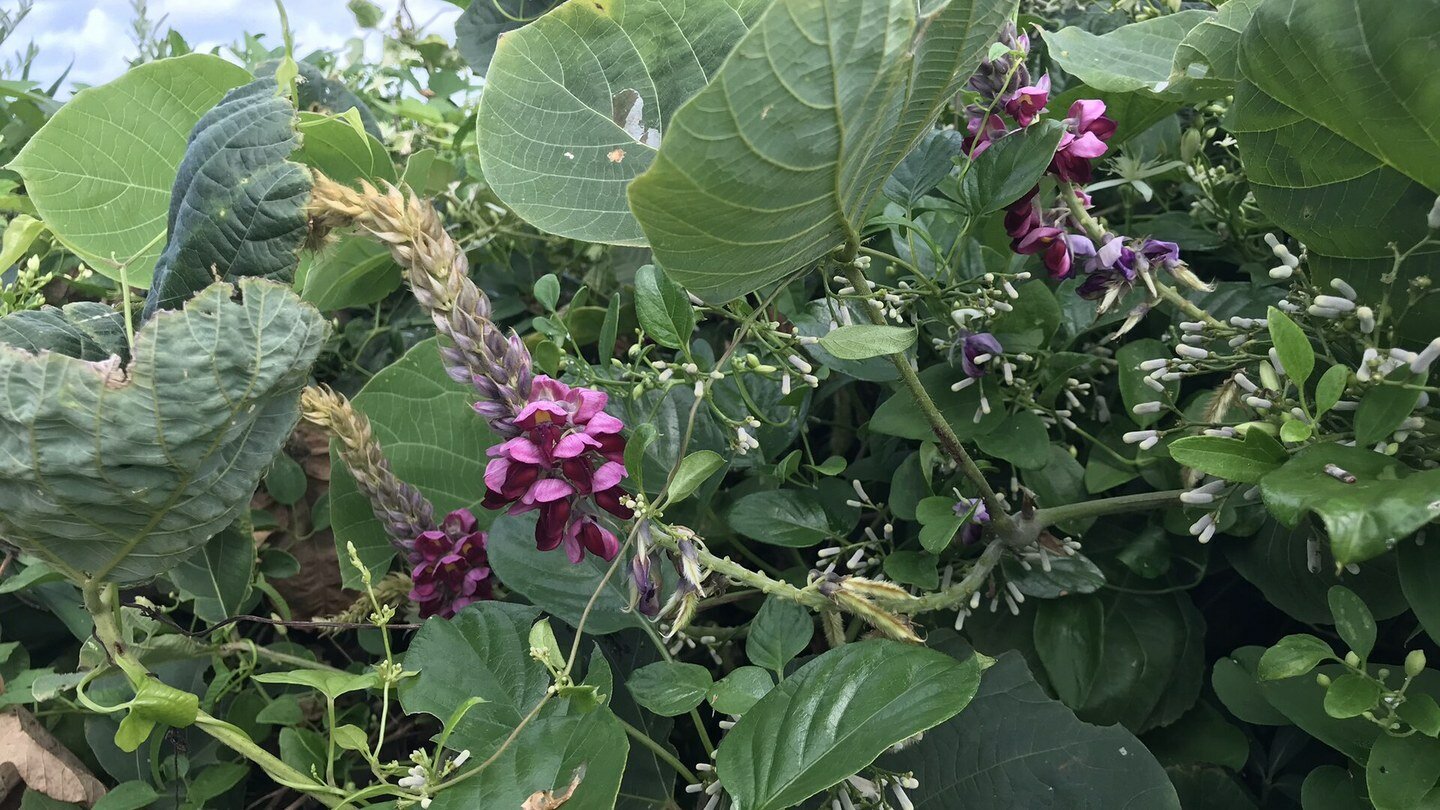
Kudzu root closes out the Supplement Facts panel at 25 mg per tablet (no Daily Value established), making it the eighth botanical dosed at exactly 25 mg. There are no women's sexual-desire clinical trials for kudzu root at any dose in our record.
Because kudzu root is a natural source of plant estrogens (phytoestrogens), women with hormone-sensitive medical conditions should check with a doctor before taking Provestra, even though the tablet contains no steroid hormones.
The Label Audit
The central story of Provestra is a split between two official documents from the same company. On Leading Edge Health's sales pages, Provestra is presented as a list of 21 ingredient names with short marketing blurbs and zero milligram amounts. Notably, the maker never uses the words "proprietary blend" on its storefront—it simply omits the numbers.
On the Supplement Facts panel printed on the actual box and hosted as an image on the maker's website, all 26 active ingredients appear with exact per-tablet doses. The doses were never secret; they were simply left out of the sales copy. Almost every major review site repeats the sales-page version ("no amounts disclosed"), and one competing review site invents numbers outright—claiming 50 mg of L-arginine, 100 mg of theobromine, and 100 mg of ginseng against the label's true 300 mg, 50 mg, and 16 mg.
| Ingredient | On the label | In the studies |
|---|---|---|
| Ginkgo Biloba | 25 mg | 209 mg/day average in the 1998 open study (Cohen & Bartlik); 240 mg/day in the 2004 placebo-controlled trial (Wheatley, no benefit); 300 mg single dose in the 2008 study (Meston, no substantial 8-week benefit alone) |
| L-Arginine | 300 mg | Tested inside multi-ingredient blends (such as ArginMax in Ito 2006, 108 women), never tested alone at 300 mg for female desire |
| Korean Ginseng | 16 mg | Evaluated across 10 placebo-controlled menopause trials in the 2016 review (Lee et al.), with mixed results and mostly unclear risk of bias |
| Black Cohosh | 25 mg | Evidence base focuses on hot flashes (mixed results; a Cochrane review found evidence insufficient), with no trials showing improved libido |
| Damiana Leaf | 25 mg | No human clinical trials at any dose (Memorial Sloan Kettering monograph); animal data and traditional use only |
| Red Raspberry, Licorice, Ginger, Valerian, Kudzu | 25 mg each | No women's desire trials at any dose in the published clinical record |
Looking down the label reveals a striking dosing split. Eight different botanicals—ginkgo, damiana, black cohosh, red raspberry, licorice, ginger, valerian, and kudzu—sit at a flat 25 mg each, while Korean ginseng sits at just 16 mg. By contrast, iron at 12 mg (75% DV) and folate at 800 mcg (200% DV) are the only two lines dosed like genuine daily nutrients rather than botanical garnish.
The Evidence, Read Properly
There is no published clinical trial testing Provestra itself. Leading Edge Health has not released a randomized, placebo-controlled study measuring whether its 26-ingredient tablet improves desire, lubrication, or sexual satisfaction compared with a dummy pill.
Instead, the maker cites an internal survey of 488 previous Provestra buyers, reporting that 97.74% said the product increased their overall sexual satisfaction and 98% said they would buy it again. While those numbers look dramatic in marketing copy, an uncontrolled poll of repeat customers has no placebo group, no baseline clinical scoring, and cannot separate true ingredient effects from expectation or self-selection.
The closest clinical trial in the published literature tested a different product. In 2006, Ito et al. ran a four-week, double-blind, placebo-controlled study of ArginMax—a competing blend of L-arginine, ginseng, ginkgo, damiana, multivitamins, and minerals—in 108 women (55 on ArginMax, 53 on placebo) reporting low desire. Among premenopausal women on that blend, sexual desire improved in 72% (p=0.03) and satisfaction with overall sex life improved in 68% (p=0.007) versus placebo, but a multi-ingredient blend result cannot be credited to any single herb or transferred to Provestra's different doses.
Broader ingredient reviews reinforce that caution. A 2021 systematic review of L-arginine for women's desire disorders examined five randomized controlled trials and two nonrandomized studies, reporting Female Sexual Function Index improvements in six of seven studies and concluding that combination products containing L-arginine "may be considered," while flagging risk-of-bias concerns in four of the seven studies.
Individual botanical trials are weaker still. A 2016 systematic review by Lee et al. of 10 double-blind, placebo-controlled trials of ginseng in postmenopausal women found mixed results across menopause outcomes, with most trials showing an unclear risk of bias. For black cohosh, the NCCIH reports that research has targeted hot flashes with mixed results—a Cochrane review found the evidence insufficient—and no clinical study shows it raises libido.
Ginkgo biloba provides the clearest reality check on both dose and placebo response. Women's sexual-function studies used 209 mg/day in an open study (Cohen & Bartlik 1998), 240 mg/day in a negative triple-blind trial (Wheatley 2004), and 300 mg in a 2008 study (Meston et al. 2008) that found no substantial eight-week benefit from ginkgo alone alongside a large placebo effect. That large placebo response in controlled female-desire research is essential context when reading uncontrolled buyer surveys, and what has never been measured is Provestra's exact formula at its exact label doses.
How Long Does Provestra Take to Work?
Leading Edge Health's sales copy promotes "relief in just 7 days," a marketing claim that sets high expectations for fast results. Yet the company's own refund instructions tell buyers to try Provestra for 60 days, and the box label advises ongoing daily usage to maintain effects.
Because no published clinical trial has tracked Provestra over time, there is no verified scientific timeline for when—or whether—a user will notice a change. If you decide to try it, treat day 60 as your practical decision point so you have enough time to judge a full two-box course while staying inside the 67-day return window.
Is Provestra Safe?
Provestra's Supplement Facts label prints no warnings at all—there is no age minimum, no pregnancy caution, and no medication-interaction notice on the box. On its sales page, the maker states there are "No reported side effects," which is an unverified marketing claim rather than the result of formal clinical safety monitoring.
Even though the tablet is explicitly hormone-free, several active ingredients carry clear medical boundaries. Talk with a doctor or pharmacist before taking Provestra if you fall into any of the following groups:
- Under age 18: Provestra is formulated for adult women, despite the lack of an age warning on the box label.
- Pregnant or nursing: Several botanicals in the formula carry pregnancy cautions, so pregnant or breastfeeding women should not use it without medical approval.
- Taking prescription medications: Multiple herbs and nutrients in this 26-ingredient formula can interact with common drugs.
- Liver conditions: Black cohosh carries rare but serious reports of liver injury, making medical clearance essential if you have liver history.
- Blood pressure, heart, or kidney conditions: Licorice root contains glycyrrhizin, which can raise blood pressure and lower potassium; while cautioned amounts in the literature are far above 25 mg, anyone with cardiovascular or kidney issues—or taking corticosteroids or diuretics—should check first.
- Blood thinners or bleeding disorders: Ginkgo biloba can increase bleeding risk and interact with anticoagulants or antiplatelet drugs.
- Sedatives, sleep aids, or regular alcohol use: Valerian root causes drowsiness and should not be combined with sedating medications or regular alcohol.
- Diabetes medication: Korean ginseng may lower blood sugar, requiring monitoring if you take glucose-lowering drugs.
- Hormone-sensitive conditions: Kudzu root is a source of plant estrogens (phytoestrogens), and the maker includes indole-3-carbinol for estrogen-metabolism claims.
- Already taking a multivitamin or iron/folate supplement: Each tablet supplies 12 mg of iron (75% DV) and 800 mcg of folate (200% DV), which can push total daily intake higher than intended and mask vitamin B12 deficiency signs.
Side Effects: What Is Actually Known
Because no clinical safety study of the finished Provestra tablet has ever been published, there is no product-specific dataset measuring how often side effects occur. What is known comes from established medical monographs and clinical references on the individual ingredients.
At the ingredient level, ginkgo biloba carries bleeding risks and drug interactions, while black cohosh has been linked to rare but serious liver injury—stop taking the supplement and see a doctor promptly if you notice dark urine, yellowing skin or eyes, or upper-right abdominal pain. Licorice root can raise blood pressure and lower potassium at sustained higher intakes, valerian root can cause daytime drowsiness (especially alongside sedatives or alcohol), and Korean ginseng can affect blood sugar or sleep.
On the nutrient side, 12 mg of ferrous gluconate iron can trigger mild stomach upset or constipation in sensitive users and adds meaningfully to daily iron totals. Taking one tablet with a meal, as the label directs, helps reduce basic digestive irritation.
When to check medical causes first
Persistent low sexual desire is a symptom rather than a standalone diagnosis, and Provestra is not a medical treatment for sexual dysfunction. Low libido frequently starts with everyday prescription medicines—such as antidepressants, hormonal contraception, or blood-pressure drugs—as well as thyroid shifts, hormone changes, or pelvic pain and bleeding. A doctor can check for underlying causes first, and clinically tested prescription treatments for hypoactive sexual desire disorder exist as an evidence-based medical route when over-the-counter supplements are not enough.
Is Provestra a Scam?
Provestra does not fit the profile of an online supplement scam. It is sold by Leading Edge Health, an established supplement company that prints a complete 26-ingredient Supplement Facts panel with exact doses on its box, states clearly that the formula is hormone-free, offers one-time checkout without hidden autoship billing, and backs orders with a documented 67-day return policy.
When buyers feel disappointed after ordering Provestra, the frustration usually traces back to three predictable gaps between marketing copy and label reality:
- The 7-day sales headline versus the 60-day trial reality: The sales page advertises "relief in just 7 days," whereas the maker's own guarantee guidance asks buyers to take the tablets for 60 days to judge results.
- Token botanical doses versus clinical trial doses: Buyers who assume the herbs are dosed at study strength often do not realize eight botanicals sit at a flat 25 mg each and Korean ginseng is at 16 mg.
- Reading survey percentages as clinical proof: The maker's 97.74% satisfaction figure comes from an uncontrolled poll of 488 previous customers, not a placebo-controlled clinical trial.
Price and Packs
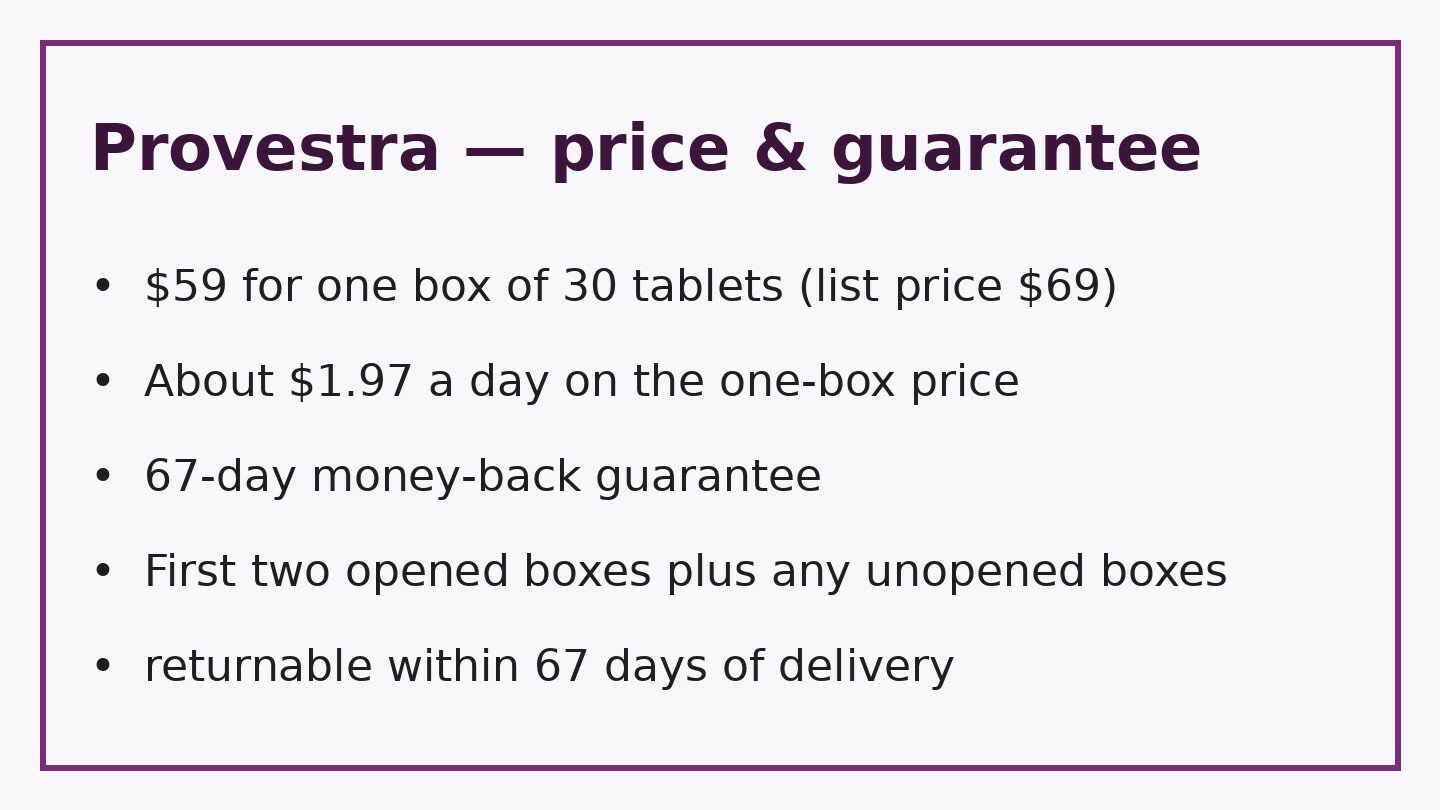
On the official Leading Edge Health checkout page, a single 30-tablet box of Provestra (a 30-day supply) costs $59, discounted from a $69 list price. Buyers can also split a single-box order into four interest-free payments of $14.75, and the checkout does not enroll customers in automatic recurring shipments.
At the $59 single-box price, Provestra works out to $1.97 per day. While the official store offers 2-box and 3-box packages alongside the single-box option, their multi-box package totals are not published in the maker's static page text.
Every direct order is covered by a 67-day money-back guarantee with specific return rules. Leading Edge Health asks buyers to try the product for 60 days, and the guarantee covers the first two opened boxes provided the empty containers arrive back within 67 days of delivery. You must contact customer support for a return authorization (RMA) before mailing anything back, return postage is paid by the buyer, original shipping fees are not refunded, and refunds are limited to one per customer. Because the maker evaluates results at 60 days, a fair trial requires two boxes ($59 each, or $118 at the single-box rate).
Purchase Options
Ordering directly through Leading Edge Health's official Provestra checkout is the only way to qualify for the 67-day money-back guarantee and receive fresh, blister-packed tablets straight from the manufacturer. Third-party marketplace listings are not the maker's official offer and do not carry the 67-day return policy.
How Provestra Compares
Within Leading Edge Health's women's sexual-health lineup, Provestra sits alongside two sister formulas that take very different approaches to ingredients and delivery.
| Product | Our Score | Format & Hormones | Key Formula Difference |
|---|---|---|---|
| Provestra | 6.8/10 | Daily oral tablet; explicitly hormone-free on the box label | Discloses all 26 ingredient doses on the label, but relies on flat 25 mg botanicals and 16 mg Korean ginseng ($59/box, 67-day guarantee) |
| HerSolution | 7.0/10 | Daily oral supplement; contains DHEA (25 mg) and melatonin (5 mg) on the box label | Same maker and 67-day guarantee; lists nine label-dosed actives including two hormones its sales page never mentions, plus ginkgo at 125 mg (five times Provestra's 25 mg, though still below trial doses) |
| Vigorelle | 7.5/10 | Topical arousal gel; hormone-free | Built for immediate topical application rather than daily systemic supplementation—a different tool for a different job |
Who Should Buy Provestra — and Who Should Skip It
Who should buy it
- Women who want a hormone-free formula: The Supplement Facts label confirms directly that Provestra contains no estrogen, progesterone, testosterone, or other steroid hormones.
- Shoppers who value full label disclosure: Every one of the 26 active ingredients has its exact dose printed on the box artwork.
- Adults with no medical flags who have cleared it with a doctor: Especially those not taking blood thinners, sedatives, diabetes drugs, or extra iron and folate.
- Buyers willing to run a full 60-day trial: Those prepared to buy two boxes ($59 each) and judge results around day 60 inside the 67-day refund window.
Who should skip it
- Anyone expecting clinical-trial proof on the finished product: Provestra has no published human clinical trials—only an uncontrolled buyer survey.
- Shoppers who want study-level botanical doses: Eight herbs sit at a flat 25 mg each and Korean ginseng is dosed at just 16 mg.
- People taking blood thinners, sedatives, or diabetes medication without doctor approval: Ginkgo, valerian, and ginseng carry documented interaction cautions.
- Women with liver, blood-pressure, heart, or kidney conditions: Black cohosh and licorice root carry specific organ and blood-pressure cautions.
- Women who are pregnant or nursing: Several botanicals in the formula are pregnancy-cautioned, and the box prints no warnings.
Frequently Asked Questions
Does Provestra actually work?
There is no published clinical trial proving that Provestra works. The maker cites an uncontrolled survey of 488 previous buyers in which 97.74% reported higher overall sexual satisfaction, and a 2006 trial by Ito et al. found benefits for a different multi-ingredient blend (ArginMax). However, Provestra's own botanicals sit at 16 mg to 25 mg—well below clinical trial amounts—so results are uncertain and modest at best.
How long does Provestra take to work?
While the maker's sales page advertises "relief in just 7 days," its own guarantee instructions ask buyers to try Provestra for 60 days, and the label recommends ongoing daily use. Because no clinical trial establishes a response timeline, plan to evaluate results around day 60 inside the 67-day guarantee window.
What are the side effects of Provestra?
No safety study of the finished tablet exists, and the box label prints no warnings despite the maker's "No reported side effects" sales claim. At the ingredient level, ginkgo carries bleeding risks, black cohosh has rare liver-injury reports, licorice can affect blood pressure and potassium at higher intakes, valerian can cause drowsiness, ginseng may lower blood sugar, and 12 mg of iron can cause mild stomach upset.
Does Provestra contain hormones?
No. The Supplement Facts panel on the Provestra box states verbatim: "Provestra does not contain estrogen, progesterone, testosterone or other steroid hormones." That sets it apart from some competing women's supplements—such as Leading Edge Health's own HerSolution—whose box labels disclose hormones like DHEA and melatonin that are omitted from sales pages.
How do you take Provestra?
The box label directs users to take one tablet daily, preferably with a meal, and notes that ongoing daily usage is suggested to maintain effects. Each box contains 30 blister-packed tablets, providing a 30-day supply.
Provestra vs HerSolution — which is better?
Both are made by Leading Edge Health and carry the same 67-day guarantee, but they make opposite trade-offs. Provestra (6.8/10) is hormone-free and prints all 26 doses on its box label, yet relies on weak 25 mg botanicals and 16 mg ginseng. HerSolution (7.0/10) uses a stronger 125 mg ginkgo dose, but its box label includes DHEA (25 mg) and melatonin (5 mg) that its sales page never mentions.
Who should not take Provestra?
Provestra should not be taken by anyone under 18 or by women who are pregnant or nursing. Women with liver conditions, high blood pressure, heart or kidney disease, hormone-sensitive conditions, or those taking blood thinners, sedatives, diabetes medications, or iron- and folate-containing multivitamins should consult a doctor first.
Where can I buy Provestra — is it on Amazon?
Provestra is sold directly through Leading Edge Health's official website at $59 per box. Buying from the official site is the only way to qualify for the 67-day money-back guarantee; third-party marketplace listings are not the maker's official offer and do not carry the return policy.
Provestra — Our Score: 6.8/10
Score: 6.8/10 · Sub-scores: Ingredients 6.5 · Evidence 5.0 · Safety 6.5 · Value 7.0 · Best for: Women who want a hormone-free, once-a-day formula whose box label discloses every dose, from an established maker, with a 67-day guarantee to decide inside · Main caution: The label's botanicals sit at a flat 25 mg each — the ginkgo dose is about a tenth of the doses used in the women's trials, which mostly failed anyway — and the only product-level evidence is the maker's uncontrolled survey of 488 previous buyers · Fair trial: Two boxes ($59 each) — the guarantee covers the first two opened boxes inside 67 days, and the maker judges results at 60 days
Sources & Method
This review is based on Leading Edge Health's official Provestra pages and the Supplement Facts panel printed on the maker's own box, read November 2026; the NIH Dietary Supplement Label Database holds no Provestra record. Studies and medical monographs cited include Ito 2006, the 2021 L-arginine systematic review, Cohen & Bartlik 1998, Wheatley 2004, Meston 2008, Lee 2016, the NCCIH black cohosh and licorice pages, and the MSK damiana and black cohosh monographs. Every score, price, and claim on this page is checked against the maker's records and the published literature, and brands never pay to change our scores.
Read This Next
Last reviewed: November 2026
