
- Quick Answer
- Our Findings
- Why You Should Trust This Review
- Our Verdict
- How We Scored It
- What Is Vigorelle?
- The Ingredients
- L-Arginine HCl
- Ginkgo Biloba
- Wild Yam
- Damiana Leaf
- Suma Root
- Peppermint Leaf
- Motherwort
- Emollient Base: Shea Butter, Apricot Kernel Oil, and Olive Squalane
- The Label Audit
- The Evidence, Read Properly
- The One Study the Maker Cites: Meston et al. (2008)
- What the Broader Ginkgo Research Shows (2021 Review)
- Topical L-Arginine: Mechanism Plausibility Only (Lovie & Marashi 2022)
- Oral L-Arginine Combinations: Background Only
- How Long Does It Take to Work?
- Is It Safe?
- Side Effects: What Is Actually Known
- When to Talk to a Doctor Instead of Trying a Gel
- Is It a Scam?
- Price and Packs
- Purchase Options
- How It Compares
- Who Should Buy It — and Who Should Skip It
- Who should buy it
- Who should skip it
- Frequently Asked Questions
- Does Vigorelle actually work?
- What is actually in Vigorelle — the full ingredient list?
- How do you use Vigorelle?
- How long does one application last?
- Is Vigorelle safe — who should not use it?
- Does Vigorelle contain hormones?
- Vigorelle vs HerSolution Gel — which fits?
- Where can I buy Vigorelle — is it on Amazon?
- Sources & Method
- Read This Next
SuppChecked is an independent supplement review site. When you buy a product through links on our pages, we may earn a commission at no extra cost to you. Every score, price, and product claim on this page is checked against the maker's official records and the published scientific literature, and brands never pay to change our scores.
Shoppers looking at Vigorelle tend to split into two camps. One camp reads the official sales page and sees a clean, eight-part herbal gel with a clear role listed for every ingredient. The other camp turns the physical box over and checks what is actually printed on the back.
Those two views do not match. The maker's sales page names eight ingredient groups, while the printed box lists 22 ingredients in descending order. Fourteen entries on the box never get a clear mention on the sales page—including tea tree oil, hyaluronic acid, vitamin C, grapefruit seed extract, aloe vera extract, and peppermint oil.
Even the headline names shift between screen and box. The website prints "Olive Squalene," while the box prints "Olive Squalane"—a different substance. The website highlights "L-Arginine," while the box lists "L-Arginine HCl" in fourth place.
No ingredient amounts appear anywhere, and neither the website nor the box prints a single safety warning. This review scores Vigorelle on what is printed on the box and in the published studies—not on the sales page.
Quick Answer
Vigorelle scores 6.8/10 in our review. It is a real, water-based, on-demand arousal gel from an established company (Leading Edge Health), sold at $59.00 per 30 ml pump bottle under a 67-day money-back guarantee. The printed box confirms it is pH balanced, hypo-allergenic, and 100% latex condom compatible.
The catch sits on the label. The box lists 22 ingredients with no published amounts and zero printed warnings, while the sales page names only eight groups. No clinical trial has ever tested Vigorelle itself, and the one 2008 ginkgo study the maker cites tested oral capsules alongside sex therapy—not a topical cream.
Best for: Adult women who want an on-demand, water-based arousal gel from a long-running maker and want a 67-day refund window to judge how it feels across their first few uses. Skip it if you want full pre-purchase ingredient disclosure, published doses, or human trial proof.
Vigorelle — Our Score: 6.8/10
Score: 6.8/10 · Sub-scores: Ingredients 7.0 · Evidence 6.0 · Safety 7.5 · Value 7.0 · Best for: Women who want an on-demand, water-based arousal gel from an established maker, with a 67-day guarantee to decide inside · Main caution: The sales page names 8 ingredient groups, but the box lists 22 — including tea tree oil and hyaluronic acid the sales page never mentions — and no amount is published for any of them · Fair trial: One bottle ($59.00) — judge over the first uses inside the 67-day guarantee, which covers the first two opened bottles
Our Findings
What we like
- Full ingredient list on the physical box: Unlike many topical gels that hide behind vague herbal descriptions, the printed box lists all 22 ingredients in standard descending order.
- Clear comfort and condom print: The box states that Vigorelle is water-based, pH balanced, hypo-allergenic, 100% latex condom compatible, and free of petrochemical by-products, artificial colors, and artificial fragrances.
- Established maker with a real refund window: Leading Edge Health backs orders with a 67-day money-back guarantee covering the first two opened containers plus any unopened ones (shipping excluded, once per customer).
- Simple on-demand format: You apply several drops before or during intimacy rather than taking daily pills, making it easy to judge over your first few uses.
What gives us pause
- The sales page hides most of the formula: Buyers see eight named groups online, while 14 entries on the box—including tea tree oil, hyaluronic acid, vitamin C, aloe vera extract, grapefruit seed extract, and peppermint oil—go unmentioned.
- Sloppy website details: The sales page misspells Olive Squalane as "Olive Squalene," lists "L-Arginine" instead of "L-Arginine HCl" (which sits fourth on the box), mislabels the Suma Root image as "Sarsaparilla," and claims "Doctor Endorsed" without naming a doctor.
- Zero published amounts: Neither the box nor the sales page lists a single milligram or percentage for any ingredient.
- Zero printed warnings: No cautions appear on the box or the website—even though the maker says wild yam has a "mild, estrogen-like effect" and the box contains tea tree oil and peppermint oil.
- No product trial and a stretched citation: Vigorelle itself has never been tested in a published human trial. Its one cited 2008 ginkgo study tested 300 mg/day oral extract where ginkgo alone did not substantially help.
- Missing practical numbers: The maker publishes no per-application duration, no re-application guidance, no uses-per-bottle count, and no static multi-bottle total prices.
The physical product is more transparent than the webpage selling it, which is a strange problem for an established brand to have. Once you read the box and the actual study text, Vigorelle looks like a mild, well-backed cosmetic gel—not a clinically proven libido fix.
Why You Should Trust This Review
To write this review, we read the maker's printed box back line by line, checked the live official sales page, and read the primary study abstracts behind the claims—including the 14 undisclosed ingredients and the study limits that complicate the sales pitch. Every score on SuppChecked comes from one fixed scoring framework applied the same way to every product we review, and brands never pay to place a product, soften a critique, or move a score. Our job is to show what is actually on the label and in the research so you can decide before spending $59.00.
Our Verdict
Vigorelle earns 6.8/10. That middle-of-the-pack score reflects a real divide between the product in the box and the webpage used to sell it.
The biggest drag on the score is pre-purchase disclosure. Buyers browsing the official website are shown eight ingredient groups and told nothing about 14 other substances printed on the box, including tea tree oil and peppermint oil. Add the wrong squalane spelling, the missing HCl form on L-arginine, and zero printed warnings anywhere, and the sales page falls short of what buyers deserve for a product applied to sensitive tissue.
Evidence is the second clear limit. No published trial tests Vigorelle itself. The maker's sole cited study tested oral ginkgo biloba at 300 mg per day and found that ginkgo alone did not substantially improve sexual function without sex therapy.
Still, Vigorelle is not a fly-by-night cream. It is a water-based, latex-condom-compatible gel from an established company. A fair trial takes one bottle at $59.00 (or four interest-free payments of $14.75), and the 67-day guarantee covers your first two opened bottles—giving you room to judge it over your first few uses, minus shipping.
How We Scored It
| Category | Score | Key Reason |
|---|---|---|
| Overall Score | 6.8/10 | Real water-based gel with a 67-day guarantee, held back by an incomplete sales page and thin evidence |
| Ingredients | 7.0/10 | Full 22-item list appears on the box, but the sales page omits 14 entries and publishes no amounts |
| Evidence | 6.0/10 | No trial of Vigorelle; the one cited study tested oral ginkgo with sex therapy, not a topical gel |
| Safety | 7.5/10 | Water-based, hypo-allergenic, and latex-condom compatible on the box, but zero warnings printed anywhere |
| Value | 7.0/10 | $59.00 per bottle with a strong 67-day guarantee, but uses per bottle and multi-bottle totals are unpublished |
Ingredients (7.0/10): Printing all 22 ingredients on the physical box puts Vigorelle ahead of gels that hide their base. The score drops because shoppers cannot see 14 of those ingredients on the sales page before buying, the website misspells squalane and simplifies L-arginine HCl, and no amounts appear anywhere.
Evidence (6.0/10): No finished-product human study exists for Vigorelle. The one study cited on the sales page (Meston et al., 2008) used 300 mg/day of oral ginkgo extract—where ginkgo paired with sex therapy lifted desire and contentment, but ginkgo alone did not substantially help.
Safety (7.5/10): The box confirms a clean cosmetic profile: water-based, pH balanced, hypo-allergenic, 100% latex condom compatible, and free of petrochemicals, artificial colors, and artificial fragrances. Safety loses marks because the box prints zero warnings despite a wild-yam estrogen-like claim and undisclosed tea tree oil.
Value (7.0/10): At $59.00 for a 30 ml pump bottle (MSRP $69.00, or four payments of $14.75), Vigorelle sits in standard territory for branded arousal gels, backed by a 67-day refund window. Missing uses-per-bottle counts and unpublished multi-bottle totals prevent a verified cost per use or cost per day.
What Is Vigorelle?
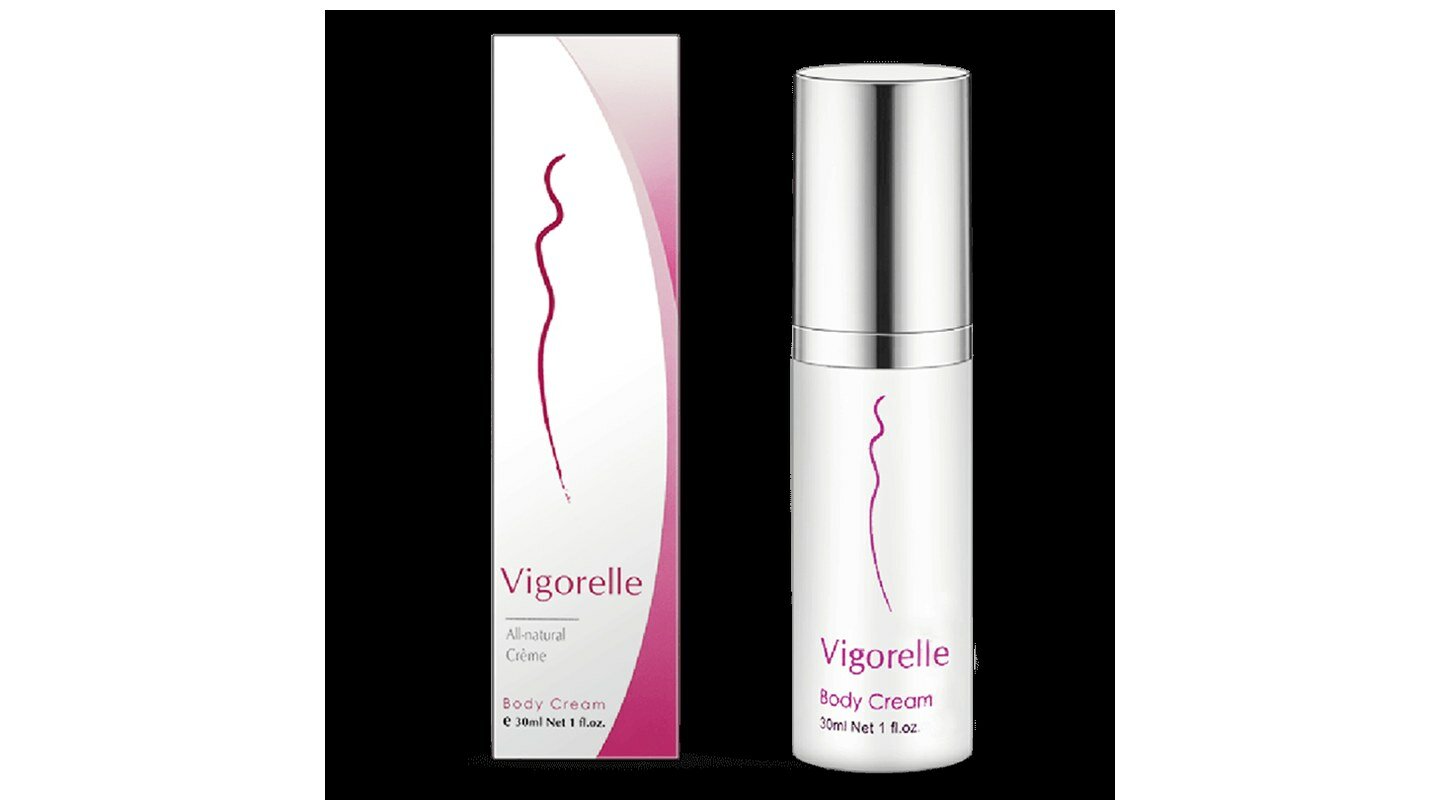
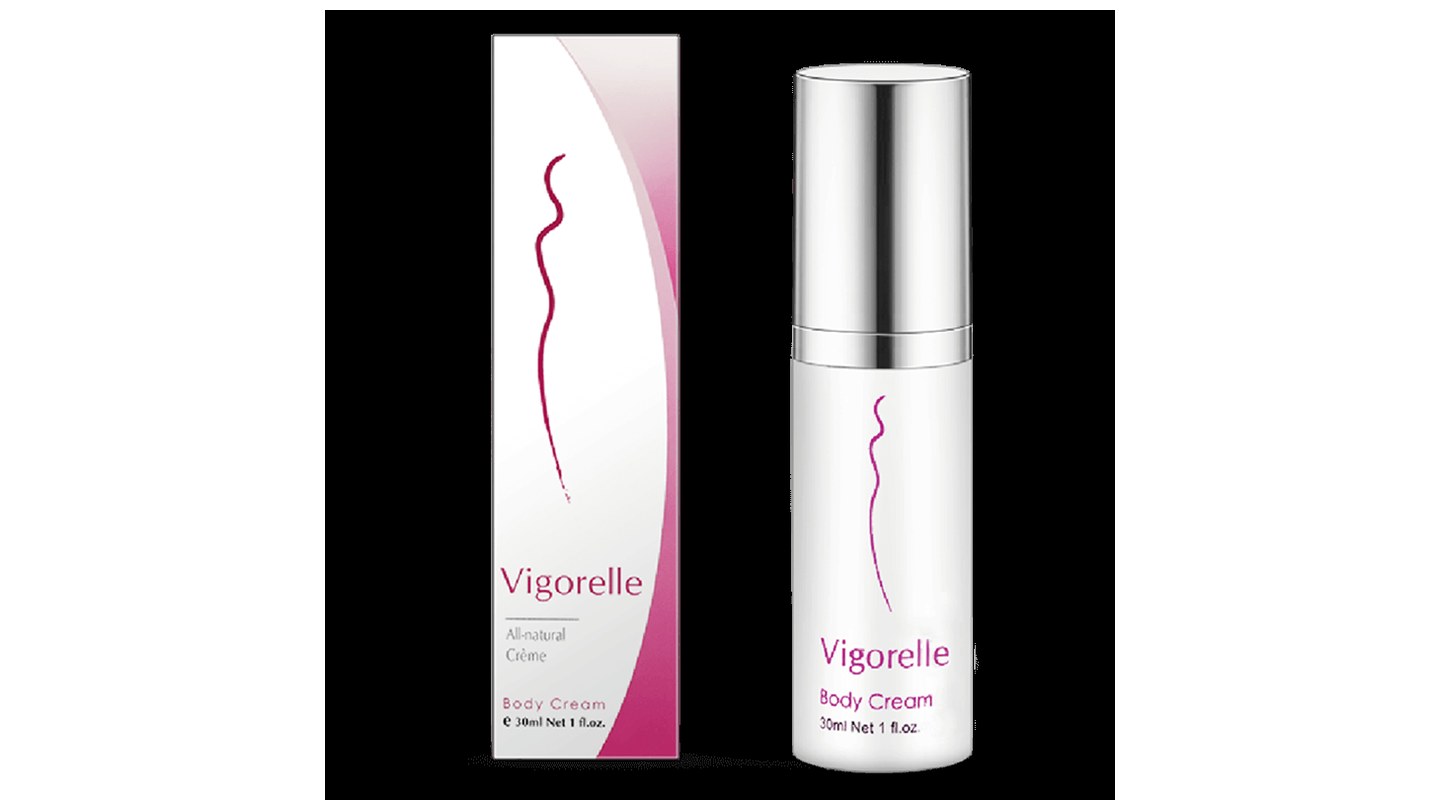
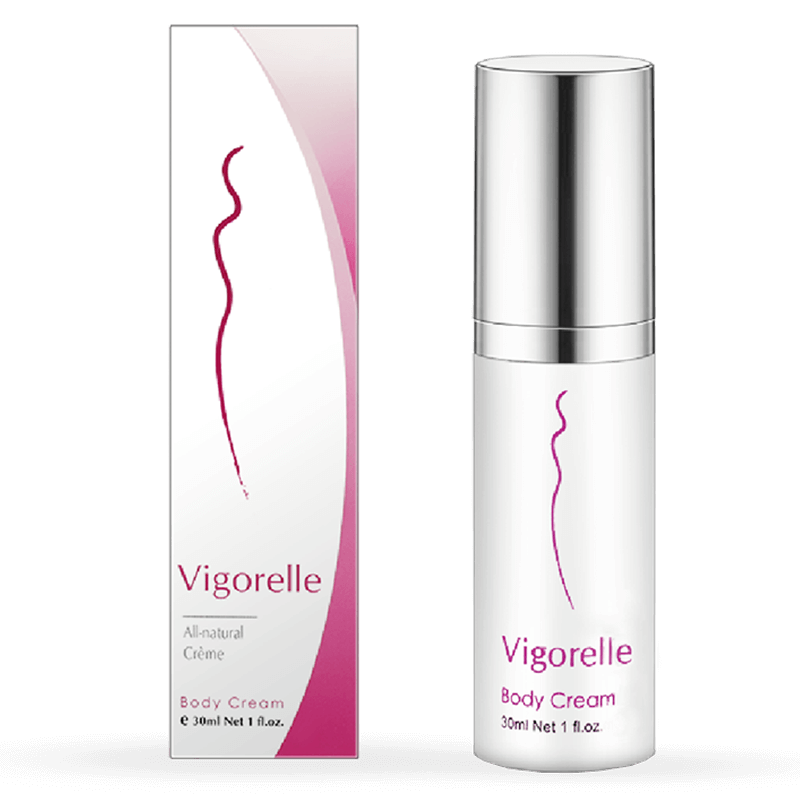
Vigorelle is a topical women's arousal cream made for and distributed by Leading Edge Health (Elizabethton, Tennessee). Each bottle holds 30 ml (1 fl. oz.) of water-based cream in a pump dispenser. Although buyers often browse it alongside libido capsules, Vigorelle is a topical cosmetic—not a dietary supplement.
That category matters when you read the label. Dietary supplements carry a Supplement Facts panel listing exact milligram amounts per serving. Topical cosmetics carry an INCI ingredient list printed in descending order of weight, with no required amounts.
On the official website, the maker markets Vigorelle as "An Instant Arousal Gel for Women" and an "instant turn-on cream" that is "activated by touch." The maker says it is designed for "heightened feelings of sexual desire" and "relief from vaginal dryness," and claims it is "not sticky like drugstore lubricants."
The sales page also labels Vigorelle "Doctor Endorsed for Optimal Results," though it names no doctor. It describes the formula as an "all-natural" and "natural herbal cream" applied before or during lovemaking.
The printed box adds more concrete practical details than the sales page does. Its label states that the formula is water-based, pH balanced, hypo-allergenic, and 100% latex condom compatible, with no petrochemical by-products, artificial colors, or fragrances. Its printed directions read: "For best results apply several drops to the underside of the clitoral membrane. Thoroughly massage in."
Within Leading Edge Health's women's range, Vigorelle sits alongside another on-demand topical product (HerSolution Gel) and a daily oral supplement (HerSolution). We compare all three—along with Provestra—later in this review.
Vigorelle at a Glance
- Our score: 6.8/10
- Brand: Vigorelle
- Company: Leading Edge Health
- Product type: Women's arousal gel, topical cream, 30 ml pump
- Primary purpose: Marketed for instant arousal, heightened desire and relief from vaginal dryness
- Formula: 22 ingredients on the box label in INCI order; the sales page names 8 groups with roles
- Clinical research: No published trial of Vigorelle itself
- Research limitation: The one cited study tested oral ginkgo 300 mg/day combined with sex therapy — ginkgo alone did not substantially help, and the gel's ginkgo amount is undisclosed
- Recommended use: Several drops to the underside of the clitoral membrane, massaged in (box)
- Money-back guarantee: 67 days
The Ingredients
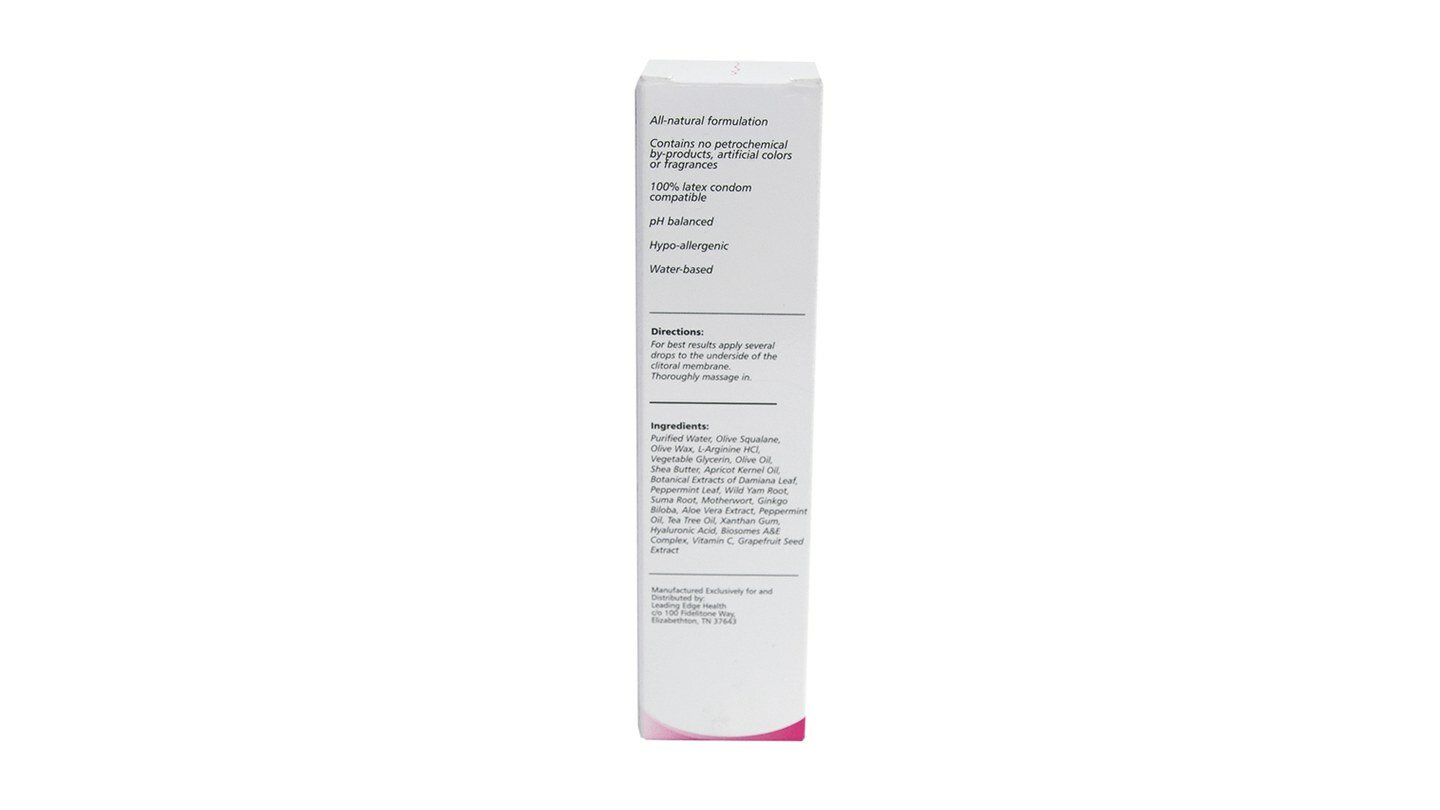
The Vigorelle sales page presents eight named ingredient groups with a stated role for each, which has led many online reviews to treat that short list as the whole formula. It is not. The maker's printed box lists 22 ingredients in descending cosmetic order, leaving 14 entries outside the sales page's eight-group summary.
One rule applies across every ingredient below: no amount or percentage is published for any ingredient, on either the sales page or the printed box. Below, we walk through the eight functional groups the maker highlights, checking each against the printed box and cleared cautions. The 14 box-only entries are audited line by line in the Label Audit table right after this section.
L-Arginine HCl
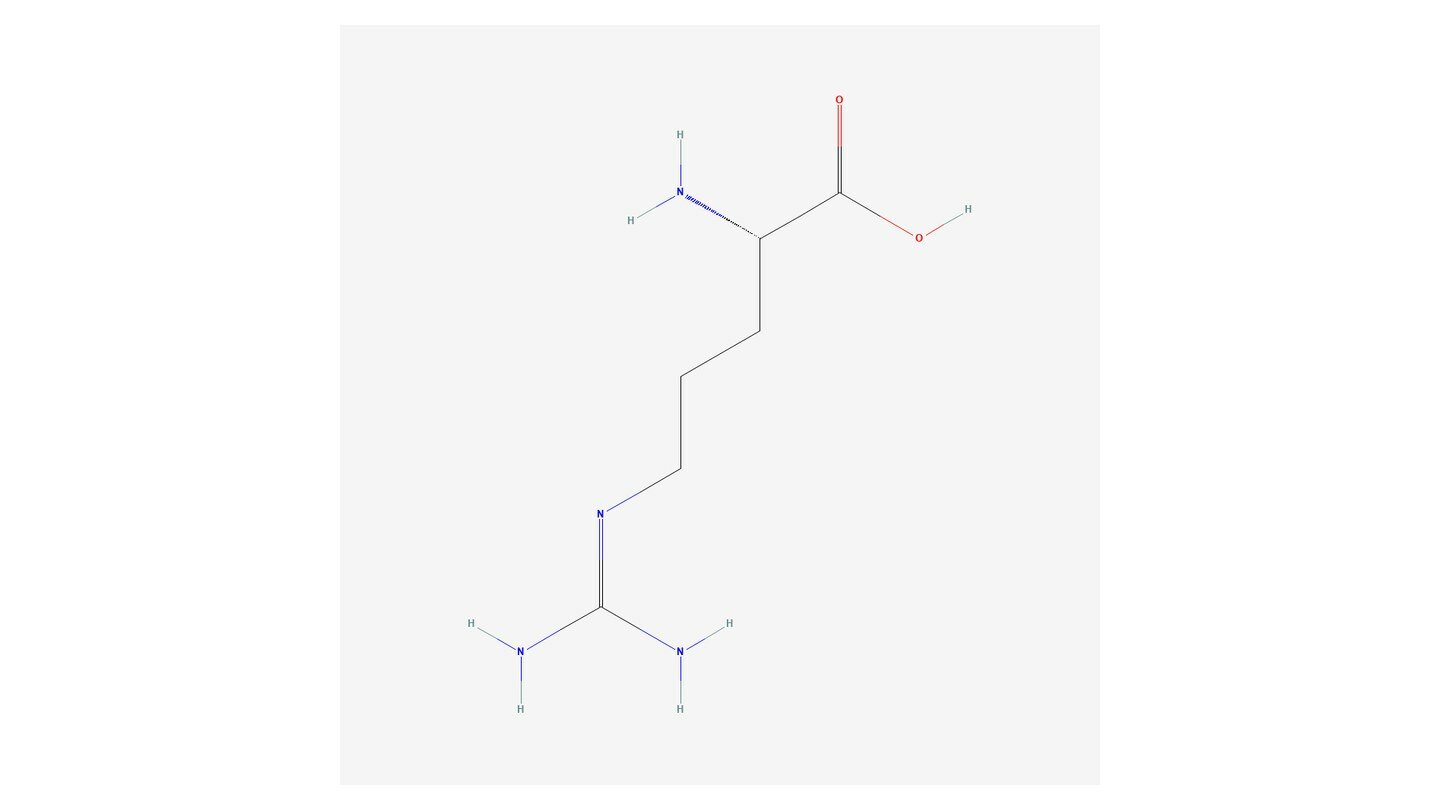
L-Arginine HCl is the hydrochloride salt form of L-arginine, an amino acid involved in nitric oxide production. On the sales page, the maker simply calls it "L-Arginine" and puts it at the top of the formulation story, creating the impression that it leads the gel.
The printed box tells a more precise story. The ingredient is specifically L-Arginine HCl, and it sits fourth on the box list—after Purified Water, Olive Squalane, and Olive Wax. That makes it the highest-placed active compound in the cream, though still behind three base carriers.
Topical L-arginine has only very thin mechanism data in women—specifically a single-volunteer blood-flow case report on a different gel that also contained L-citrulline, which we examine in the Evidence section. The box prints no topical cautions for L-arginine HCl.
Ginkgo Biloba

Ginkgo biloba is a botanical leaf extract that appears 14th on the printed box, at the end of the "Botanical Extracts" sequence. On the sales page, the maker highlights ginkgo as a moisturising ingredient and ties it to the only clinical study cited anywhere on the website.
That citation needs a close read. The 2008 trial in question (Meston et al., Archives of Sexual Behavior 2008) tested 300 mg per day of oral ginkgo biloba extract—not a cream—and found that ginkgo raised desire and contentment only when combined with sex therapy, while ginkgo alone did not substantially help. We unpack that paper in full in the Evidence section.
Because the box gives no percentage, you cannot tell how much ginkgo extract reaches the skin per drop. No cautions for ginkgo are printed on the box.
Wild Yam
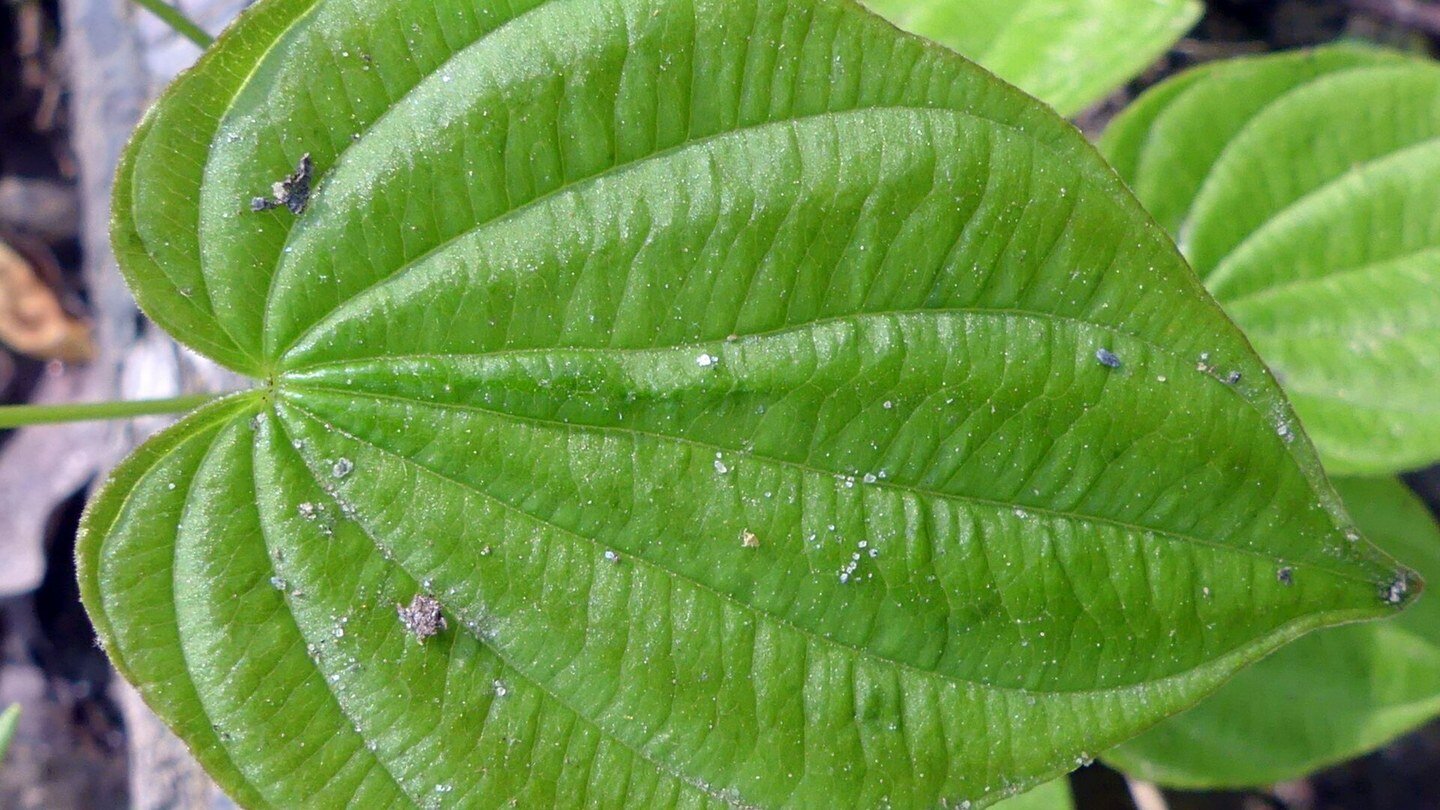
Listed on the box as Wild Yam Root (11th on the ingredient list), this botanical extract carries the boldest hormonal phrasing on Vigorelle's website. The maker states that wild yam provides a "mild, estrogen-like effect."
That is the maker's claim, not a proven clinical finding for this cream. Even more striking is what is missing beside it: neither the sales page nor the printed box carries a single caution or exclusion for women who need to avoid estrogenic activity.
If you have a hormone-sensitive medical condition, take hormone therapy, or are pregnant or nursing, talk to a doctor before using a product marketed for estrogen-like effects. The box does not disclose how much wild yam root is inside.
Damiana Leaf
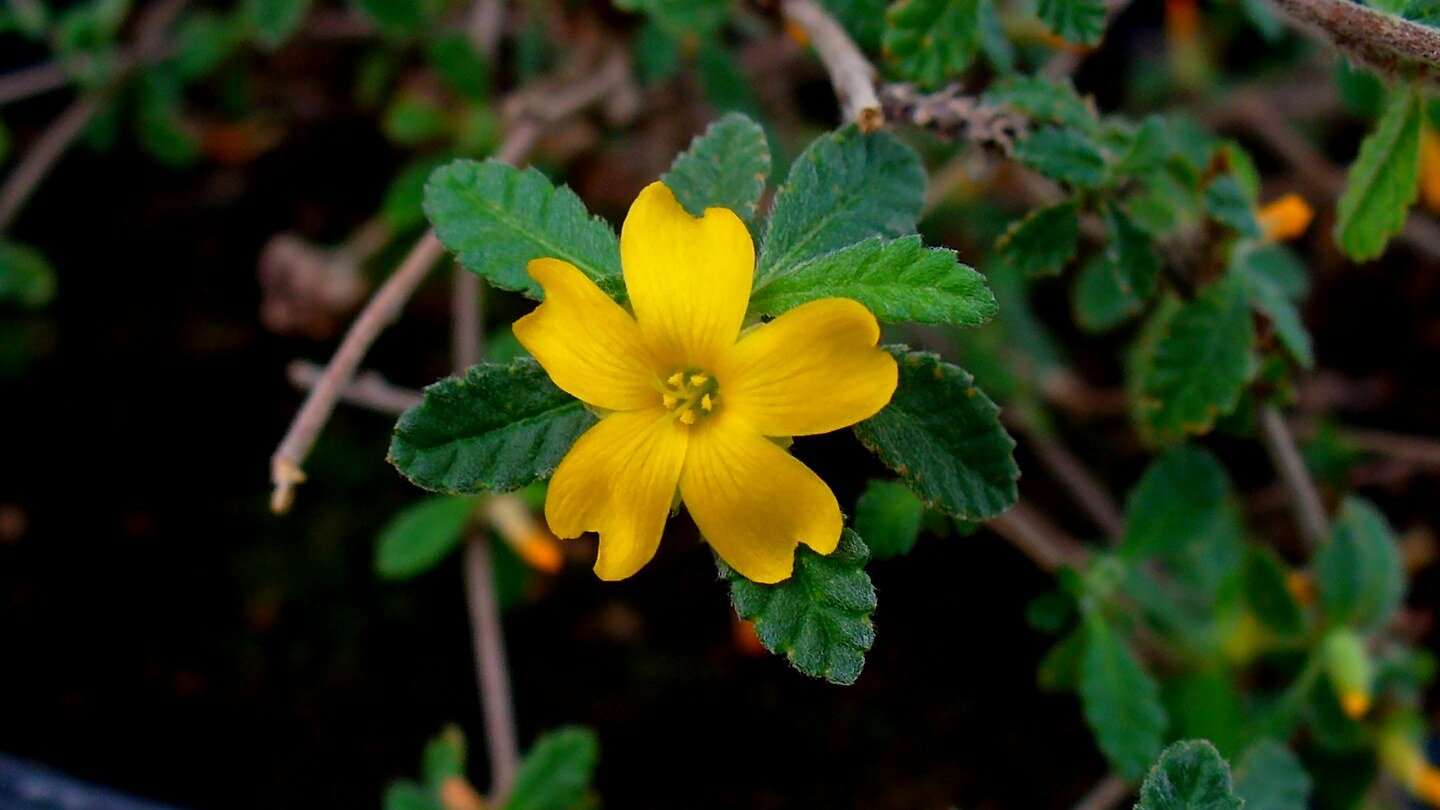
Damiana leaf extract sits ninth on the printed box, making it the first botanical extract listed after the water, emollient, and L-arginine HCl base. The maker says damiana's alkaloids help stimulate blood flow to the genitals.
In published human research, damiana leaf has not been tested on its own as a topical arousal gel. It appears mainly as one piece of multi-ingredient oral supplements such as ArginMax (Ito et al., Journal of Sex & Marital Therapy 2006), where its individual effect cannot be separated from the rest of the capsule.
Without a published percentage or a topical trial, damiana's role in Vigorelle rests on traditional herbal use rather than clinical proof. No cautions appear on the box.
Suma Root
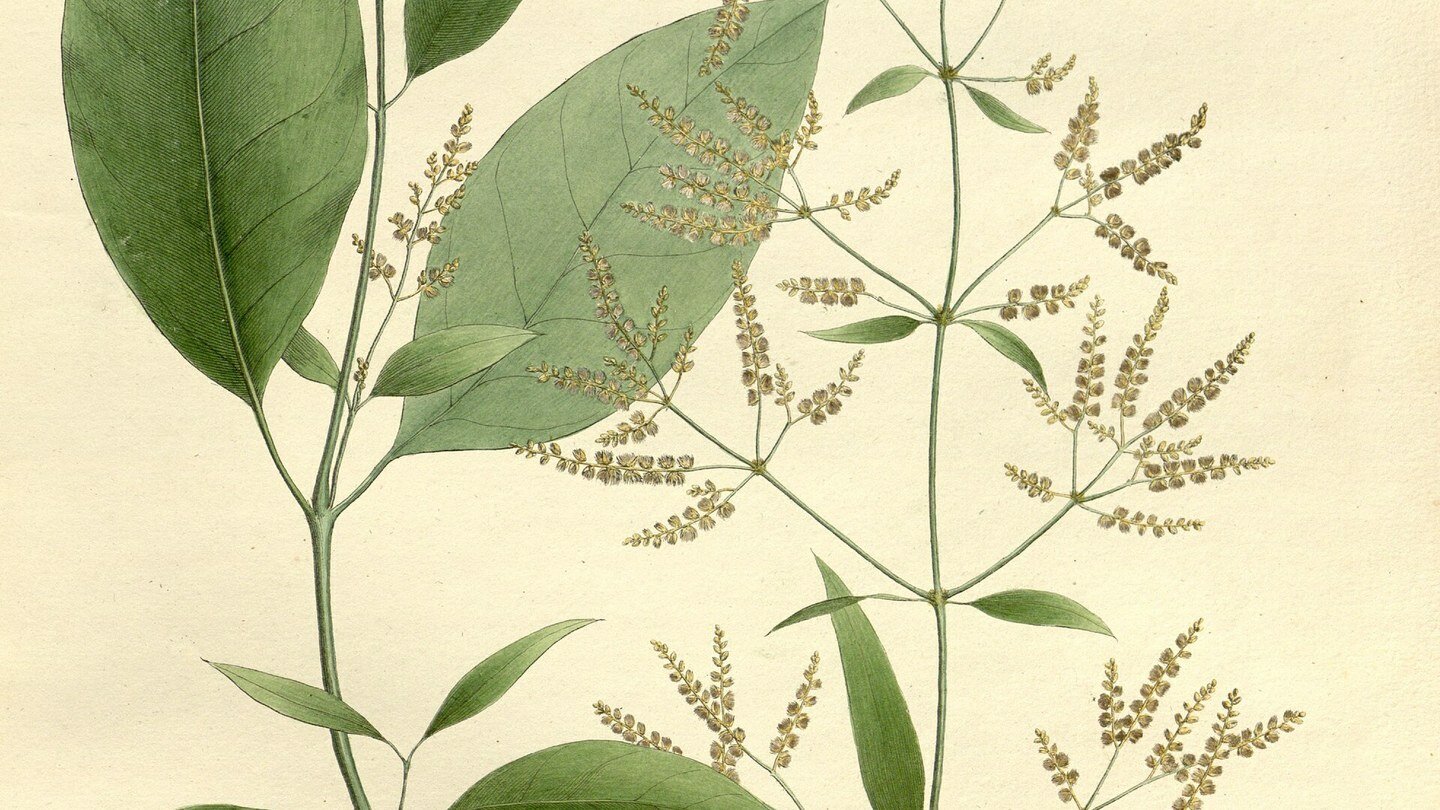
Suma root extract appears 12th on the printed box, right after wild yam root. On the sales page, the maker says suma root helps rebalance hormones and oxygenate cells.
A close look at the official website also turns up a careless error: the image placed beside Suma Root is mislabelled "Sarsaparilla." The printed box confirms the formula contains Suma Root, not sarsaparilla—a small detail, but one that reinforces why reading the box matters.
No human trial tests topical suma root for female arousal or hormone balance. Because the maker frames it around hormone rebalancing while printing zero box warnings, women managing hormone-related conditions should check with a doctor first.
Peppermint Leaf
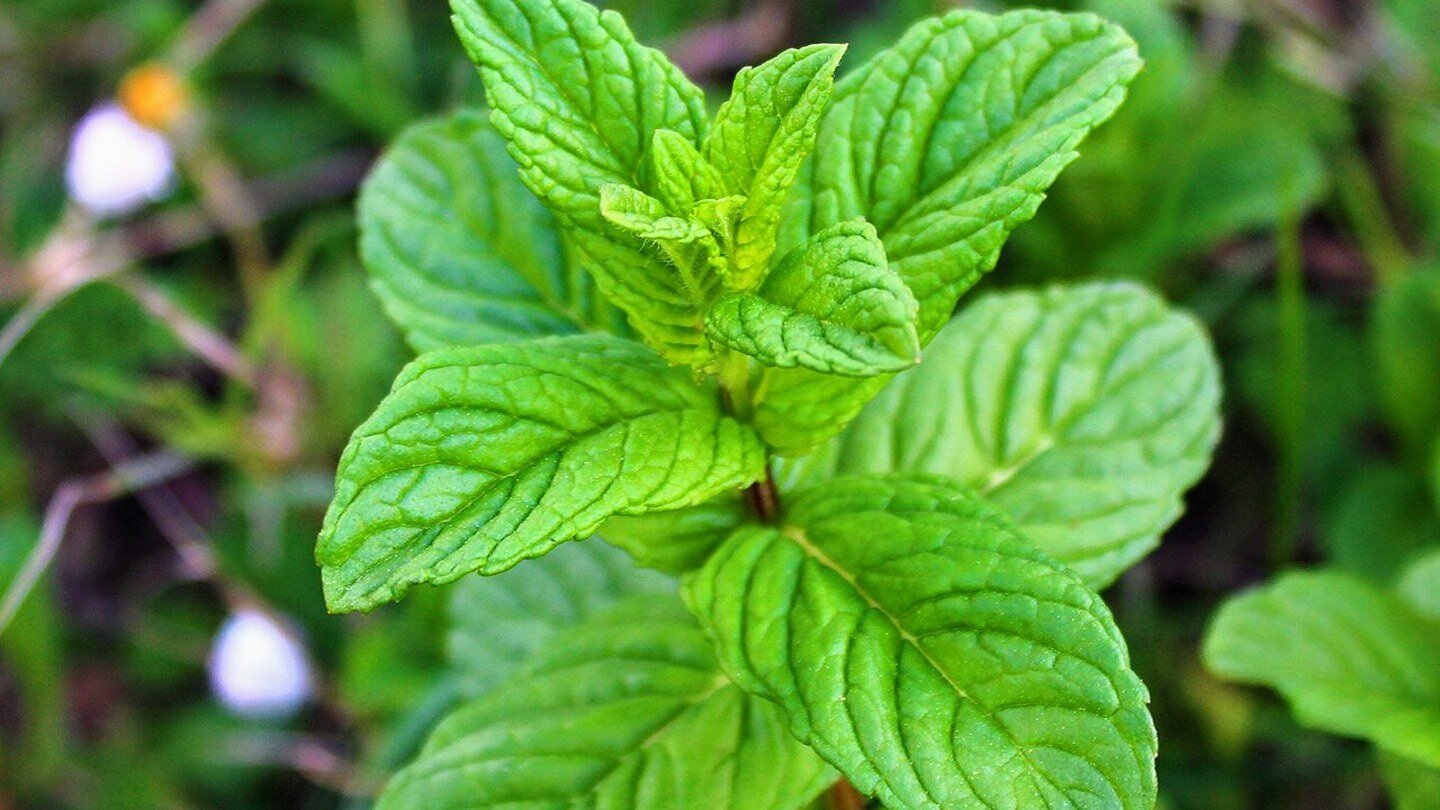
Peppermint leaf extract sits 10th on the printed box. The maker says peppermint helps lubricate and aid relaxation—a cooling, sensory effect meant to draw attention to the area.
What the sales page leaves out is that the box also lists Peppermint Oil separately at position 16. Concentrated peppermint oil carries a stronger sensation than leaf extract alone, and that matters on delicate genital skin.
An independent six-week lived review on iibmed notes that Vigorelle's peppermint can sting after shaving or on irritated skin, and that using too much produces a sharp, peppery tingle. The box prints no warning about skin irritation, so avoiding freshly shaved or broken skin—and testing a tiny drop first—is our advice, not the maker's.
Motherwort
Motherwort extract sits 13th on the printed box, just before ginkgo biloba. On the official website, the maker says motherwort stimulates blood flow and may reduce hot flashes and anxiety.
Those are wide-ranging claims for a topical cream applied by the drop. No human trial shows that a topical drop of motherwort extract reduces hot flashes, eases anxiety, or improves genital blood flow.
As with the other botanicals on the box, no concentration is published and no warnings are printed. Treat the maker's claims here as traditional herbal commentary, not tested clinical outcomes.
Emollient Base: Shea Butter, Apricot Kernel Oil, and Olive Squalane
The sales page bundles three moisturisers—shea butter, apricot kernel oil, and what it calls "Olive Squalene"—into one smooth-glide emollient group. On the printed box, those three ingredients do not sit together: Olive Squalane is second overall (right behind Purified Water), while Shea Butter is seventh and Apricot Kernel Oil is eighth.
The spelling gap is not just a typo. Squalene and squalane are different chemical substances—squalane is hydrogenated squalene, which is more stable in creams. The printed box confirms the formula uses Olive Squalane, meaning the sales page names the wrong substance.
The box also adds Olive Wax (3rd), Vegetable Glycerin (5th), and Olive Oil (6th) to the base without listing them on the sales page. Even with plant oils and butter in the base, the printed box explicitly states that the finished cream is "100% latex condom compatible."
The Label Audit
Putting Vigorelle's sales page next to its printed box back reveals the core story of this review. Online, Leading Edge Health walks shoppers through eight neat ingredient groups. On the box that arrives in the post, the formula contains 22 separate entries.
Twelve individual substances on the box never appear anywhere in the sales page's ingredient breakdown: Purified Water, Olive Wax, Vegetable Glycerin, Olive Oil, Aloe Vera Extract, Peppermint Oil, Tea Tree Oil, Xanthan Gum, Hyaluronic Acid, Biosomes A&E Complex, Vitamin C, and Grapefruit Seed Extract. Add the two extra emollients folded into the website's single base-blend entry, and 14 box items sit outside the eight groups buyers read before ordering.
Some of those omissions are standard cosmetic helpers—water, olive wax, xanthan gum, and vegetable glycerin build texture and stability. Others genuinely matter to the person applying the cream. Tea tree oil is a known skin sensitizer for some people. Peppermint oil amplifies tingling on sensitive tissue. Hyaluronic acid, aloe vera extract, vitamin C, and Biosomes A&E Complex are skin-conditioning additions buyers never learn about on the website.
Two naming errors compound the gap. First, the website writes "Olive Squalene," whereas the box prints Olive Squalane—a different, hydrogenated compound. Second, the website leads with "L-Arginine," whereas the box prints L-Arginine HCl in fourth place, behind Purified Water, Olive Squalane, and Olive Wax.
| Box Order | Printed Box Label (INCI) | Sales Page Status | Audit Note |
|---|---|---|---|
| 1 | Purified Water | Not listed in 8 groups | Sales page says "water-based" in copy, not in ingredient list |
| 2 | Olive Squalane | Misspelled in Group 8 | Sales page writes "Olive Squalene" (a different substance) |
| 3 | Olive Wax | Not mentioned | Undisclosed base/emulsifying wax |
| 4 | L-Arginine HCl | Simplified in Group 1 | Sales page writes "L-Arginine" and implies it leads; sits 4th on box |
| 5 | Vegetable Glycerin | Not mentioned | Undisclosed humectant base ingredient |
| 6 | Olive Oil | Not mentioned | Undisclosed oil in the carrier base |
| 7 | Shea Butter | Grouped in Group 8 | Folded into the website's single emollient blend line |
| 8 | Apricot Kernel Oil | Grouped in Group 8 | Folded into the website's single emollient blend line |
| 9 | Damiana Leaf (Botanical Extract) | Named (Group 4) | First botanical extract on box; no amount published |
| 10 | Peppermint Leaf (Botanical Extract) | Named (Group 6) | Paired on box with undisclosed Peppermint Oil (#16) |
| 11 | Wild Yam Root (Botanical Extract) | Named (Group 3) | Carries maker's "estrogen-like" claim; zero cautions on box |
| 12 | Suma Root (Botanical Extract) | Named (Group 5) | Sales page photo mislabelled "Sarsaparilla" |
| 13 | Motherwort (Botanical Extract) | Named (Group 7) | Traditional herbal claims; no amount published |
| 14 | Ginkgo Biloba (Botanical Extract) | Named (Group 2) | Ingredient behind the one cited 2008 oral study; no amount published |
| 15 | Aloe Vera Extract | Not mentioned | Undisclosed botanical extract |
| 16 | Peppermint Oil | Not mentioned | Undisclosed essential oil; adds potential sting on irritated skin |
| 17 | Tea Tree Oil | Not mentioned | Undisclosed essential oil; known sensitizer for some users |
| 18 | Xanthan Gum | Not mentioned | Undisclosed thickener/stabilizer |
| 19 | Hyaluronic Acid | Not mentioned | Undisclosed skin-hydrating ingredient |
| 20 | Biosomes A&E Complex | Not mentioned | Undisclosed vitamin A & E complex |
| 21 | Vitamin C | Not mentioned | Undisclosed antioxidant/vitamin |
| 22 | Grapefruit Seed Extract | Not mentioned | Undisclosed final ingredient on the INCI list |
Two major absences stand out across both records, and each has a distinct reason. First, no ingredient amounts are published anywhere. Because Vigorelle is a topical cosmetic rather than a dietary supplement, it follows INCI descending-order labeling instead of a Supplement Facts panel. That explains the format—it is not a broken supplement law—but it still leaves buyers unable to verify concentrations.
Second, no warnings or cautions appear anywhere on the sales page or the printed box. That silence is a choice, not a formatting rule. When a cream's own website claims an "estrogen-like effect" from wild yam and the box hides tea tree oil and peppermint oil from online shoppers, leaving the box completely free of cautions is a clear miss.
| Label Item | Official Sales Page | Printed Box Back |
|---|---|---|
| Ingredients listed | 8 named groups (with roles) | 22 entries in descending INCI order |
| Ingredient amounts | None published | None published (cosmetic INCI format) |
| Directions for use | Apply before or during lovemaking | "Apply several drops to the underside of the clitoral membrane. Thoroughly massage in." |
| Condom compatibility | Not stated | "100% latex condom compatible" |
| Warnings / cautions | None published | None printed anywhere on box |
| Manufacturer address | Leading Edge Health (brand name) | Leading Edge Health, c/o 100 Fidelitone Way, Elizabethton, TN 37643 |
The Evidence, Read Properly
No published human clinical trial has ever tested Vigorelle itself. Every evidence claim surrounding this cream comes either from studies on individual ingredients—usually swallowed as capsules—or from unverified customer testimonials on the maker's website. We exclude testimonials as clinical evidence, since they cannot separate an ingredient effect from placebo or lubrication comfort (and the maker's own review feed also includes practical complaints such as a broken seal or non-functioning pump).
When you check the published science behind the formula's key ingredients, four primary records matter—starting with the single study the maker cites online.
The One Study the Maker Cites: Meston et al. (2008)
On its sales page, Leading Edge Health points to a 2008 study on ginkgo biloba extract and notes that it increased sexual desire and satisfaction when combined with therapy. That paper is a real, NIH-funded randomized controlled trial in women with Sexual Arousal Disorder (Meston, Rellini & Telch, Archives of Sexual Behavior 2008).
The full trial had two phases. In the single-dose phase, 99 women took 300 mg of oral ginkgo biloba extract or placebo; researchers saw a small, statistically significant effect on physiological arousal only, not on subjective arousal. In the long-term phase, 68 women were assigned for 8 weeks to four arms: oral ginkgo biloba extract at 300 mg/day, placebo, sex therapy alone, or sex therapy combined with 300 mg/day of ginkgo.
Here is the result that must travel together every time this study is quoted: when combined with sex therapy, long-term oral ginkgo significantly increased sexual desire and contentment beyond placebo, but ginkgo alone did not substantially impact sexual function. Sex therapy alone also significantly enhanced orgasm function compared with placebo.
Three gaps separate Meston et al. (2008) from Vigorelle. First, the study tested oral capsules—not a topical cream. Second, the study used a known 300 mg/day dose, whereas Vigorelle's ginkgo amount is undisclosed and sits 14th on the box list. Third, ginkgo did not substantially help without sex therapy, which is not included in a pump bottle.
What the Broader Ginkgo Research Shows (2021 Review)
A 2021 systematic review pooled five randomized controlled trials covering 475 participants to evaluate ginkgo biloba for sexual function (Avicenna Journal of Phytomedicine 2021). Its authors found "limited positive effects" and concluded that more studies are needed.
Positive signals were concentrated in postmenopausal women, while trials in antidepressant users showed no effect. Reported adverse events from oral ginkgo included headache and gastrointestinal disturbance. As background context, this review confirms that even oral ginkgo offers limited, uneven support—not a reliable standalone fix.
Topical L-Arginine: Mechanism Plausibility Only (Lovie & Marashi 2022)
Because L-arginine HCl is the highest-placed active on Vigorelle's box (fourth overall), buyers naturally ask whether topical arginine increases clitoral blood flow. One small pilot case report explored that mechanism using ultrasound imaging before and after applying a topical gel containing L-arginine plus L-citrulline (Lovie & Marashi, Sexologies 2022).
Clitoral blood flow rose at 5 and 15 minutes, with deep-artery peak systolic velocity climbing from 6.2 to 8.6 to 13.9 cm/s. That shows biological plausibility for topical amino-acid delivery, nothing more. The report tested one healthy 32-year-old volunteer with no control arm, used a different gel that also contained L-citrulline, and measured blood flow only—never arousal or desire. It is not evidence that Vigorelle works.
Oral L-Arginine Combinations: Background Only
Two additional oral records provide useful context for the herbal blend. A double-blind, placebo-controlled trial tested oral ArginMax—a capsule combining L-arginine, ginseng, ginkgo, damiana, and multivitamins and minerals—for 4 weeks in 108 women aged 22 to 73 with low desire (Ito et al., Journal of Sex & Marital Therapy 2006). In premenopausal women, desire improved 72% (p=0.03) and satisfaction improved 68% (p=0.007) over placebo, though it tested a different, oral multi-ingredient capsule with undisclosed dosing and no L-arginine-alone arm.
A 2021 systematic review of L-arginine for hypoactive sexual desire disorder examined five randomized trials and two nonrandomized studies (Pharmacy 2021). It noted that oral combination products containing L-arginine (such as ArginMax and Lady Prelox) "may be considered," flagged risk-of-bias concerns in four of seven studies, and stressed that no study assessed L-arginine alone.
| Study | Design & Sample | Dose & Route | What It Shows — and Does Not Show |
|---|---|---|---|
| Meston et al. (2008) | RCT in women with Sexual Arousal Disorder: 99 (single-dose) + 68 (8-week, 4 arms) | 300 mg/day oral ginkgo biloba extract | Oral GBE + sex therapy raised desire and contentment; GBE alone did not substantially help. Did not test a cream or Vigorelle. |
| Ginkgo Systematic Review (2021) | Systematic review of 5 RCTs (475 participants) | Oral ginkgo extracts | "Limited positive effects"; signals mainly in postmenopausal women, none in antidepressant users. Background only. |
| Lovie & Marashi (2022) | Uncontrolled case report (n=1, healthy 32-year-old volunteer) | Topical L-arginine + L-citrulline gel | Clitoral blood flow rose at 5 and 15 minutes. Mechanism plausibility only: n=1, different gel, no control arm, no arousal outcomes. |
| Ito et al. (2006) | 4-week double-blind RCT (108 women, ages 22–73) | Oral ArginMax combination capsule | Desire (+72%) and satisfaction (+68%) rose in premenopausal women vs. placebo. Oral multi-ingredient product; not topical Vigorelle. |
| L-Arginine HSDD Review (2021) | Systematic review (5 RCTs + 2 nonrandomized studies) | Oral combination products | Combinations "may be considered"; 4 of 7 studies had bias concerns; no study tested L-arginine alone. Background only. |
How Long Does It Take to Work?
Vigorelle is an on-demand topical cream, not a daily pill that takes weeks to build up in your system. You apply it per encounter. The printed box gives one clear set of instructions: "For best results apply several drops to the underside of the clitoral membrane. Thoroughly massage in."
On the sales page, the maker calls it an "instant arousal gel" that is "activated by touch" and applied before or during lovemaking. Because no clinical trial measures Vigorelle's onset time, you judge it directly across your first few uses inside the 67-day guarantee.
In an independent six-week lived review published on iibmed, the reviewer applied one small press once or twice a week and described the effect as "a small extra, not a fix." That realistic framing matches what a water-based emollient cream with cooling peppermint can reasonably deliver.
Three practical numbers are completely missing from both the sales page and the printed box:
- Per-application duration: Not published anywhere.
- Re-application guidance: Not published anywhere.
- Applications per bottle: Not published anywhere—the box states only the 30 ml (1 fl. oz.) bottle size and "several drops" per use.
We do not guess or fill in those numbers. One practical detail the box does settle, however, is condom use. The official sales page says nothing about condoms, which has led some online reviewers to assume Vigorelle's plant oils make it unsafe with latex. Reading the physical box resolves that point: the box explicitly prints "100% latex condom compatible."
Is It Safe?
Start with what the maker prints on the box back. Vigorelle's physical label states that the cream is water-based, pH balanced, hypo-allergenic, and 100% latex condom compatible, and that it contains no petrochemical by-products, artificial colors, or artificial fragrances.
Those are reassuring cosmetic standards. What offsets them is a total absence of safety guidance: neither the sales page nor the printed box carries a single warning, caution, or exclusion.
That silence is a gap, not a clean bill of health. On its website, Leading Edge Health says wild yam offers a "mild, estrogen-like effect" and suma root helps "rebalance hormones." Yet the box offers no caution for women managing hormone-related health issues.
On top of that, the printed box reveals two essential oils that online shoppers never see before ordering: tea tree oil (17th on the list) and peppermint oil (16th). Tea tree oil is a known skin sensitizer for some people, and both oils sit inside a cream intended for delicate genital tissue.
Because the maker gives no warnings of its own, the following precautions are our advice, not printed on the box:
- Check with a doctor first if you are pregnant, nursing, taking prescription medication, or managing a hormone-sensitive or any other medical condition.
- Patch-test before intimate use by testing a tiny drop on intact skin first to check for sensitivity to tea tree oil, peppermint oil, or botanical extracts.
- Avoid broken or irritated skin—do not apply the gel to cuts, rashes, or freshly shaved tissue.
Side Effects: What Is Actually Known
What is actually known about Vigorelle's side effects starts with an honest blank: no finished-formula safety trial has ever been published, and Leading Edge Health lists no side effects anywhere on its website or box. We do not know how often irritation occurs in real-world buyers.
Looking at the full 22-ingredient box list highlights two realistic local reactions to watch for. First is stinging, warmth, or sharp tingling. The box pairs peppermint leaf extract with undisclosed peppermint oil. In the independent six-week lived review on iibmed, the reviewer reported that Vigorelle's peppermint can sting after shaving or on irritated skin, and that applying too much produced a sharp, peppery tingle.
Second is allergic sensitivity or contact irritation. Undisclosed tea tree oil is a known sensitizer for some users, and any topical cream containing 22 botanicals, oils, waxes, and preservatives can trigger a local skin reaction. Not disclosing 14 ingredients on the sales page makes it harder for buyers with known botanical allergies to screen the formula before paying.
Note that oral ginkgo studies report headache and stomach upset, which reflect swallowed capsules rather than topical drops. If you experience burning, itching, redness, or swelling after applying Vigorelle, wash the area gently with plain water and stop using it.
When to Talk to a Doctor Instead of Trying a Gel
Vigorelle is a cosmetic arousal cream, not a medical treatment for persistent vaginal dryness, painful sex, unexplained bleeding, or a sudden drop in sexual response. Those symptoms call for a doctor's evaluation first, because they can point to hormonal changes, pelvic floor problems, medication side effects, or underlying health conditions. When ongoing dryness or tissue discomfort after menopause is the core issue, clinically tested medical options exist—including prescription local estrogen—that a doctor can tailor safely to your medical history.
Is It a Scam?
No. Vigorelle is a real product from an established company, not a scam—but the webpage selling it leaves real gaps that justify buyer skepticism.
On the legitimate side, Leading Edge Health (Elizabethton, Tennessee) has distributed personal-care and wellness products for years. Buyers receive a physical 30 ml pump bottle of water-based cream with a complete 22-ingredient INCI list on the box, printed directions, latex-condom compatibility stated on the carton, and a real 67-day money-back guarantee.
What triggers "scam" searches is the sloppy gap between the sales page and the printed label. Online, the sales page highlights only eight ingredient groups and leaves out 14 ingredients printed on the box—including tea tree oil, peppermint oil, and hyaluronic acid. It misspells Olive Squalane as "Olive Squalene," lists "L-Arginine" rather than fourth-place "L-Arginine HCl," mislabels the Suma Root photo as "Sarsaparilla," and claims "Doctor Endorsed for Optimal Results" without naming a doctor.
Add a sales-page summary of the 2008 ginkgo study that leaves out the fact that oral ginkgo alone did not substantially help, and the marketing oversells what the evidence supports. That is incomplete, overstated marketing—not a counterfeit or non-existent product.
The 67-day refund policy gives buyers a real safety net, provided you follow its exact terms: it covers the first two opened containers plus any unopened bottles returned within 67 days of delivery, excludes shipping fees, and is limited to one refund per customer.
Price and Packs
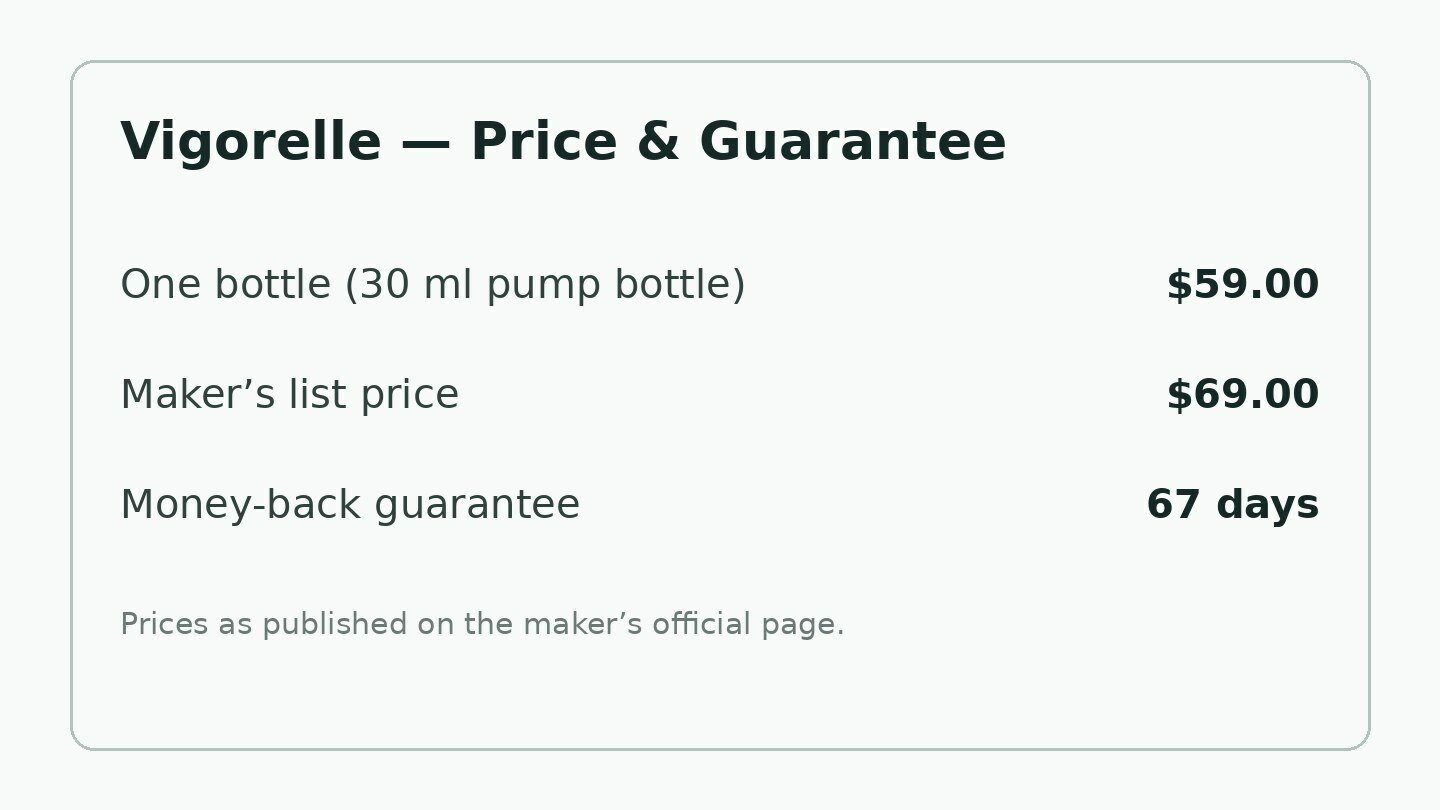
A single 30 ml (1 fl. oz.) pump bottle of Vigorelle costs $59.00 on the official page, down from a listed MSRP of $69.00. Buyers can also split that single bottle into 4 interest-free payments of $14.75.
The official website mentions an upgrade prompt ("Buy 3 pumps or more for savings"), but multi-bottle total prices are not published in the static page text. Because those bundle totals are not verified on the page, we do not invent or estimate a multi-bottle price ladder here.
Cost per day and cost per use cannot be verified. Vigorelle is an on-demand gel used by the drop ("several drops" per application), and neither the website nor the box states how many uses a 30 ml bottle provides. Any review quoting a per-day price is making that number up.
For a fair trial, start with one bottle at $59.00. Because this is an on-demand cream rather than a multi-month daily pill, you do not need to stockpile upfront. Judge how the gel feels over your first several uses inside the 67-day money-back guarantee, which covers the first two opened bottles plus any unopened containers returned within 67 days of delivery (shipping excluded, one refund per customer).
Purchase Options
Vigorelle is sold via the official website, where single bottles are priced at $59.00 (MSRP $69.00) with the option of four interest-free payments of $14.75. Ordering directly is the verified route for current stock and full coverage under Leading Edge Health's 67-day money-back guarantee.
Under those published terms, you can return your first two opened containers—along with any unopened bottles—within 67 days of delivery for a refund, minus shipping costs, once per customer. Third-party resellers do not carry that verified direct guarantee, so checking the seller matters before you buy.
How It Compares
Vigorelle sits inside a four-product women's sexual-wellness lineup that splits cleanly by format: two on-demand topical gels (Vigorelle and HerSolution Gel) and two daily oral supplements (HerSolution and Provestra). All four are scored on the same fixed standards.
| Product | Format | Our Score | Label Disclosure | Main Contrast With Vigorelle |
|---|---|---|---|---|
| Vigorelle | On-demand topical gel (30 ml) | 6.8/10 | 22 on box; 8 groups on sales page; no amounts | Box prints latex compatibility; sales page hides 14 of 22 ingredients |
| HerSolution Gel | On-demand topical gel | 6.0/10 | All 12 ingredients published online, base included | Same maker & format; fuller upfront list, but maker cites no study |
| HerSolution (Pill) | Daily oral supplement | 7.0/10 | 9 dosed actives on label (incl. DHEA & melatonin) | Full Supplement Facts doses, but contains two hormones |
| Provestra | Daily oral supplement | 6.8/10 | 26 dosed actives on label; hormone-free | Same overall score; prints doses and stays hormone-free on the label |
Vigorelle (6.8/10) vs. HerSolution Gel (6.0/10): Both are on-demand arousal gels from Leading Edge Health. On paper, Vigorelle's box holds more ingredients (22 vs. 12), but HerSolution Gel publishes all 12 of its ingredients upfront—base items included—while Vigorelle's sales page hides 14 of 22. HerSolution Gel wins on transparency, though its maker cites no clinical study of any kind and relies solely on endorsement-level claims.
Gel vs. daily pills: If you dislike undosed cosmetic INCI lists, daily pills disclose exact milligram amounts on their Supplement Facts labels. HerSolution (7.0/10) from the same maker publishes 9 dosed actives—including two hormones, DHEA and melatonin—which is a clear trade-off if you want to avoid hormones. Provestra (6.8/10) lands at the same score as Vigorelle while printing 26 dosed active ingredients and remaining hormone-free on its label.
Who Should Buy It — and Who Should Skip It
Who should buy it
- Women who want an on-demand topical gel rather than daily capsules and prefer judging results over their first few uses.
- Buyers who want a water-based, latex-condom-compatible cream that the printed box also states is pH balanced, hypo-allergenic, and free of petrochemicals, artificial colors, and artificial fragrances.
- Shoppers who value a 67-day trial window from an established company, covering the first two opened bottles if the gel does not suit them (minus shipping).
- Buyers with realistic expectations looking for a mild sensory extra—glide plus light cooling—rather than a clinically proven libido treatment.
Who should skip it
- Anyone who wants full pre-purchase disclosure or exact doses: the sales page omits 14 of 22 box ingredients, and no amounts appear anywhere.
- Anyone expecting clinical proof on the finished gel: no human trial has tested Vigorelle, and the one cited ginkgo study tested oral capsules with sex therapy.
- Anyone sensitive to essential oils on delicate skin: the box contains undisclosed tea tree oil (a known sensitizer for some) and peppermint oil (which can sting on freshly shaved or irritated skin).
- Anyone who is pregnant, nursing, on medication, or managing a hormone-sensitive condition without speaking to a doctor first—especially given the maker's wild-yam estrogen-like claim and zero printed box warnings.
- Anyone experiencing persistent dryness, pain during sex, bleeding, or a sudden change in sexual response: those are symptoms for a doctor's visit, not an over-the-counter arousal gel.
Frequently Asked Questions
Does Vigorelle actually work?
No published clinical trial has tested Vigorelle itself, so there is no clinical proof that this cream raises female desire or arousal. The one 2008 study the maker cites tested 300 mg/day of oral ginkgo biloba extract and found it helped only when paired with sex therapy, while ginkgo alone did not substantially help. At best, treat Vigorelle as a water-based, lightly cooling cosmetic gel that you can judge over your first few uses inside the 67-day refund window.
What is actually in Vigorelle — the full ingredient list?
While the sales page highlights eight ingredient groups, the printed box lists 22 ingredients in descending INCI order: Purified Water, Olive Squalane, Olive Wax, L-Arginine HCl, Vegetable Glycerin, Olive Oil, Shea Butter, Apricot Kernel Oil, Botanical Extracts of Damiana Leaf, Peppermint Leaf, Wild Yam Root, Suma Root, Motherwort, and Ginkgo Biloba, plus Aloe Vera Extract, Peppermint Oil, Tea Tree Oil, Xanthan Gum, Hyaluronic Acid, Biosomes A&E Complex, Vitamin C, and Grapefruit Seed Extract. No amounts are published for any entry.
How do you use Vigorelle?
The printed box directions state: "For best results apply several drops to the underside of the clitoral membrane. Thoroughly massage in." The sales page adds that it is used before or during lovemaking. Because the box contains peppermint oil and tea tree oil with zero printed warnings, we recommend patch-testing a tiny drop first and avoiding freshly shaved or broken skin.
How long does one application last?
Neither the sales page nor the printed box publishes a per-application duration, re-application instructions, or how many uses you get from one 30 ml bottle. Because Vigorelle is used on demand by the drop, the only way to know how long an application lasts for you is during your first uses inside the 67-day guarantee.
Is Vigorelle safe — who should not use it?
The printed box states that Vigorelle is water-based, pH balanced, hypo-allergenic, 100% latex condom compatible, and free of petrochemicals, artificial colors, and artificial fragrances. However, no warnings appear anywhere on the box or website—despite the wild-yam estrogen-like claim and undisclosed tea tree oil and peppermint oil. Anyone who is pregnant, nursing, taking medication, managing a hormone-related or other medical condition, or prone to skin sensitivity should consult a doctor first and skip use on irritated skin.
Does Vigorelle contain hormones?
No hormone is listed among the 22 ingredients on Vigorelle's printed box. Even so, the official sales page describes wild yam as having a "mild, estrogen-like effect" and says suma root helps "rebalance hormones." Because those hormonal claims sit alongside zero printed warnings, women with hormone-sensitive conditions should check with a doctor before trying it.
Vigorelle vs HerSolution Gel — which fits?
Both are on-demand arousal gels from Leading Edge Health. Vigorelle (6.8/10) lists 22 ingredients on its physical box but omits 14 of them from its sales page, while HerSolution Gel (6.0/10) publishes all 12 of its ingredients online, base items included. HerSolution Gel wins on upfront disclosure—though its maker cites no study of any kind—while Vigorelle suits buyers who specifically want its 22-entry box formula under the 67-day trial terms.
Where can I buy Vigorelle — is it on Amazon?
Vigorelle is sold via the official website at $59.00 for a single 30 ml pump bottle (MSRP $69.00, or four interest-free payments of $14.75). We do not verify third-party marketplace listings such as Amazon, and the maker's 67-day money-back guarantee—covering the first two opened containers plus unopened bottles, minus shipping, once per customer—applies to direct official orders.
Vigorelle — Our Score: 6.8/10
Score: 6.8/10 · Sub-scores: Ingredients 7.0 · Evidence 6.0 · Safety 7.5 · Value 7.0 · Best for: Women who want an on-demand, water-based arousal gel from an established maker, with a 67-day guarantee to decide inside · Main caution: The sales page names 8 ingredient groups, but the box lists 22 — including tea tree oil and hyaluronic acid the sales page never mentions — and no amount is published for any of them · Fair trial: One bottle ($59.00) — judge over the first uses inside the 67-day guarantee, which covers the first two opened bottles
Sources & Method
This review draws on primary published studies—Meston, Rellini & Telch, Archives of Sexual Behavior 2008 (PMID 18274887); the 2021 systematic review of ginkgo biloba and sexual function, Avicenna Journal of Phytomedicine 2021 (PMID 34290964); Lovie & Marashi, Sexologies 2022 (DOI 10.1016/j.sexol.2022.05.005); Ito et al., Journal of Sex & Marital Therapy 2006 (PMID 16959660); and the 2021 systematic review of L-arginine for hypoactive sexual desire disorder, Pharmacy 2021 (PMID 33801678)—alongside Leading Edge Health's official Vigorelle page and printed box label, read in November 2026. The NIH Dietary Supplement Label Database (DSLD) website was blocked by a bot check and no record was found via the API or label mirror, so the printed box back governs. Our method audits the physical label of record first and attributes all sales-page claims to the maker rather than adopting them.
Last reviewed: November 2026
