
- Quick Answer: How to Increase Semen Volume Naturally — What Actually Helps
- What Is a Normal Semen Volume?
- Tier A: The Levers That Directly Move Fluid Volume
- Abstinence Interval: The 2–7 Day Window
- Hydration: Fixing a Deficit, Not Adding a Bonus
- Tier B: Habits That Support Sperm and Hormones — Not Fluid Directly
- Zinc, Graded Nutrients, and Everyday Food Groups
- Weight and Exercise
- Sleep and Stress
- Alcohol and Smoking
- Medication Review
- Pelvic Floor Exercises: Stronger Expulsion, Not More Fluid
- Tier C: Folk Fixes With No Evidence Behind Them
- The Heat Myth
- Gradual Decline or Sudden Drop? When Low Volume Is a Medical Problem
- Where Do Volume Supplements Fit? The Semenax Reality Check
- Frequently Asked Questions
- Does drinking a gallon of water a day actually increase semen volume?
- What is the best abstinence period to make your load bigger?
- Do Kegel exercises actually increase ejaculate volume or just orgasm strength?
- Does zinc, lecithin, or celery juice really work to produce more semen?
- Why did my semen volume suddenly decrease overnight?
- Can taking Semenax or other volume pills permanently increase your volume?
- Is low semen volume a sign of infertility?
- How much semen is normal?
- Can certain foods increase volume?
- Do over-the-counter volume pills work?
- Read This Next
SuppChecked is an independent supplement review site. We earn an affiliate commission when you buy through links on our product review pages, at no extra cost to you. Every score, price, and product claim on this page is audited against the maker's official records and peer-reviewed studies, and brands never pay to alter our scores.
Quick Answer: How to Increase Semen Volume Naturally — What Actually Helps
Natural habits can help you support or restore your normal ejaculate volume, especially when frequent sex or mild dehydration has temporarily lowered your output. However, no diet trick, exercise, or supplement can push your glands past their natural physical limits. A realistic plan starts with knowing which habits move fluid volume and which ones do a completely different job.
Most internet guides lump every men's health tip into one messy list. To give you an honest answer, we sort every popular method into three evidence tiers:
- Tier A (Direct Fluid-Volume Levers): Spacing out ejaculations for 2 to 7 days lets your accessory glands refill, and drinking enough fluids fixes a dehydration deficit. These two steps are the most reliable ways to restore normal fluid volume quickly.
- Tier B (Sperm Health, Hormone, and Lifestyle Support): Correcting a zinc deficiency, maintaining a healthy waist size, sleeping seven to eight hours, avoiding tobacco and heavy alcohol, and reviewing prescription drugs with your doctor support overall reproductive health. They do not force healthy glands to secrete extra milliliters of liquid.
- Tier C (Unproven Folk Fixes and Myths): Eating celery or pineapple, taking soy or sunflower lecithin stacks, and avoiding hot tubs to "boost volume" have no human evidence for increasing seminal fluid.
For everyday fluid benchmarks, read our guide on how much semen is normal and how much it takes to conceive. If you are trying to start a family, see our sister audit on whether a semen volume supplement can improve fertility.
Best for: Adult men who want an evidence-graded plan to restore normal ejaculate volume, separate sperm-count habits from fluid-volume habits, and see where commercial supplements honestly fit.
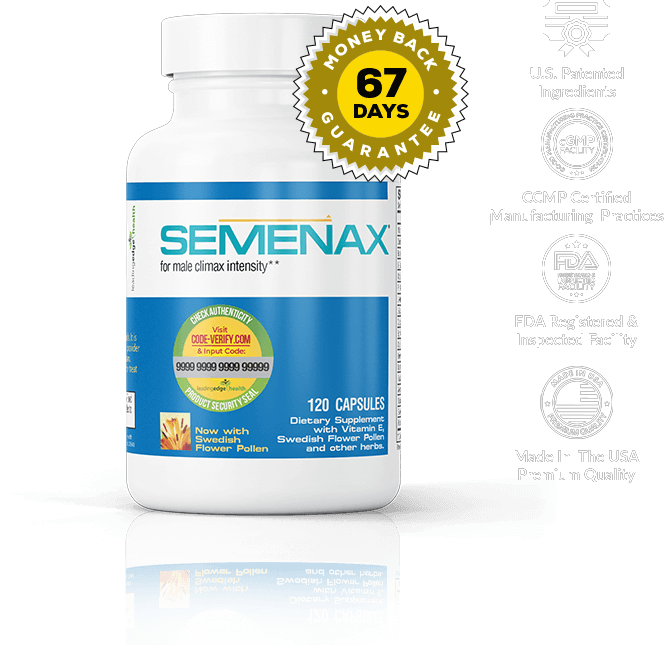
Our Recommendation — Semenax
Score: 8.7/10 · Best for: Men 21–60+ with normal baseline parameters seeking a daily semen-volume formula backed by a 67-day refund window · Main caution: Current 16-ingredient label prints names only (no amounts), and MacKay 2022 volume gains were significant only in normospermic men · Fair trial: Two bottles ($59.95 each, or inside a multi-pack) — matches the guarantee's 60-day trial framing covering the first two opened containers inside 67 days (note: the maker's 8–12-week build runs past that window)
What Is a Normal Semen Volume?
Before trying to change your output, it helps to know what doctors consider normal. In the World Health Organization (WHO) 6th Edition Laboratory Manual (2021), the lower reference limit for normal semen volume is 1.4 mL (Campbell et al., 2021; WHO, 2021). The median volume among fertile men is 3.0 mL, which is a little over half a standard household teaspoon.
Doctors use the term hypospermia only when your volume consistently falls below that 1.4 mL mark (WHO, 2021). Anything at or above 1.4 mL sits inside the normal clinical range. Because visual guesses in the bedroom are notoriously unreliable, many men worry their volume is low when it is completely average.
Understanding where that liquid comes from explains why some habits work and others fail. Microscopic sperm cells made in the testes account for only about 10% of total semen volume. The remaining ~90% of the fluid comes from three internal accessory glands: the seminal vesicles, the prostate gland, and the urethral (bulbourethral) glands (Gunes et al., 2016).
Specifically, the seminal vesicles produce roughly 65% to 70% of your ejaculate fluid, while the prostate adds about 25% to 30% (Gunes et al., 2016). New sperm cells take roughly 64 to 74 days to grow and mature inside the testes (NHS). By contrast, your seminal vesicles and prostate replenish their fluid stores in just 24 to 72 hours.
Your fluid volume also fluctuates naturally from one day to the next. How recently you last ejaculated, how much water you drank yesterday, how long you were aroused before orgasm, and how relaxed you felt all shift the final amount. That natural day-to-day swing is why fertility clinics often check two separate samples before diagnosing a problem (NHS; AUA/ASRM).
If you want to learn how clinics read every line of a lab printout, read our guide on semen volume vs fertility: two different numbers, often confused.
Tier A: The Levers That Directly Move Fluid Volume
Only two everyday habits directly change how many milliliters of fluid your accessory glands hold at the moment of orgasm. Both work by allowing your seminal vesicles and prostate to fill to their normal baseline capacity. Neither requires buying a pill.
Abstinence Interval: The 2–7 Day Window
The single strongest lever for semen volume is how many days pass between ejaculations. Every time you ejaculate, your seminal vesicles and prostate empty most of their stored fluid (Lotti et al., 2015). If you ejaculate again a few hours later, or every single day, those glands simply have not had enough time to refill.
Clinical data show a clear refill curve across the first several days of rest. In a peer-reviewed review of low semen volume, Roberts and Jarvi (2009) noted that ejaculate volume rises by about 11.9% per day across the first four days after ejaculation. A large study of 9,489 semen samples by Levitas et al. (2005) confirmed that fluid volume climbs steadily during the first several days of abstinence before reaching a plateau around days five to seven.
That refill curve is why the WHO (2021) requires a strict 2 to 7 day abstinence window before any diagnostic semen analysis. Waiting fewer than two days makes your fluid volume look artificially low. Waiting three to five days lets most healthy men reach their personal volume peak.
However, waiting longer than seven days comes with an important biological trade-off if you are trying to conceive. While your fluid volume sits at a high plateau after a week of abstinence, older sperm sitting in storage suffer oxidative damage (Levitas et al., 2005). As a result, progressive sperm motility and normal sperm shape start to drop after seven to ten days without ejaculation (Levitas et al., 2005; WHO, 2021).
Match your spacing to your actual goal. If you want noticeably fuller volume for personal satisfaction, leaving three to five days between ejaculations is the most dependable step you can take. If you are trying to get a partner pregnant, medical guidelines advise having intercourse every one to two days during the fertile window rather than hoarding fluid for a week (ASRM; NHS).
You can read more about how daily frequency affects both fluid and sperm numbers in our FAQ on whether masturbation lowers sperm count or semen volume.
| Abstinence Window | What Happens to Seminal Fluid Volume | What Happens to Sperm Quality | Best Practical Use |
|---|---|---|---|
| Under 24 Hours (Back-to-Back) | At its lowest point because the seminal vesicles and prostate are still depleted. | Lower total sperm count per ejaculate, though fresh sperm remain motile. | Fine for frequent intercourse during a fertile window, but expect smaller fluid volume. |
| Days 1 to 4 | Climbs by roughly 11.9% per day as accessory glands refill (Roberts & Jarvi, 2009). | Sperm concentration and total motile sperm rise steadily alongside fluid volume. | Ideal spacing for couples trying to conceive and for restoring normal everyday volume. |
| Days 5 to 7 (Peak Window) | Reaches its natural personal plateau inside the seminal vesicles (Levitas et al., 2005). | High total sperm count, though motility begins to level off toward day seven. | Sweet spot for maximizing visible fluid volume or completing a WHO lab test (2–7 days). |
| Over 7 to 10 Days | Little or no extra fluid gain once the seminal vesicles reach storage capacity. | Progressive motility and normal morphology decline as stored sperm age (Levitas et al., 2005). | Not recommended when trying to conceive; waiting past a week brings diminishing returns. |
Hydration: Fixing a Deficit, Not Adding a Bonus
Seminal plasma is roughly 90% of your ejaculate volume, and almost all of that fluid is water drawn from your body's general fluid reserves (Gunes et al., 2016). When you are mildly dehydrated from hot weather, heavy exercise, caffeine, alcohol, or simply forgetting to drink water, your body conserves fluid. Your accessory glands secrete less liquid, and your ejaculate becomes thicker and smaller in volume.
Because of this basic physiology, drinking enough water is a genuine Tier A fix — but only as a deficit correction. If you walk around chronically under-hydrated, bringing your daily fluid intake back up to normal restores your baseline semen volume within 24 to 48 hours. Pale-straw-colored urine is the simplest everyday sign that your baseline hydration is on track (NHS).
What hydration cannot do is act as an endless volume multiplier. Online forums frequently claim that forcing down a gallon or more of water a day will double your load size. There is no clinical evidence that hyper-hydration forces healthy seminal vesicles or a healthy prostate to secrete extra fluid past their normal baseline.
Once your tissues are properly hydrated, your kidneys simply filter out extra water as clear urine. Over-drinking large amounts of plain water can even dilute your blood electrolytes if taken to extremes. Drink enough water to stay comfortably hydrated all day, and treat hydration as removing a bottleneck rather than adding a bonus.
Below is our complete evidence-grading table sorting every method covered in this guide into Tier A, Tier B, or Tier C.
| Method or Habit | Evidence Tier | What the Evidence Actually Shows |
|---|---|---|
| Abstinence Interval (2–7 Days) | Tier A (Direct Volume) | Volume rises ~11.9% per day for the first 4 days as glands refill and plateaus around days 5–7; waiting past 7 days lowers sperm motility (Roberts & Jarvi, 2009; Levitas et al., 2005; WHO, 2021). |
| Hydration (Deficit Correction) | Tier A (Direct Volume — Deficit Only) | Restores normal baseline fluid volume when you are dehydrated, since seminal plasma is mostly water; chugging extra water past normal intake does not boost volume further. |
| Zinc (Deficiency Correction) | Tier B (Sperm & Prostate Support) | Essential for prostate and sperm health when deficient, but the 2,370-couple FAZST trial found daily zinc + folic acid did not increase semen volume, sperm count, or live birth in general fertility patients (Schisterman et al., 2020). |
| L-Arginine, L-Carnitine, L-Lysine & Vitamin E | Tier B (Sperm / Vascular — Indirect for Volume) | L-carnitine and Vitamin E are studied mainly for sperm motility and oxidative stress, L-arginine is studied at multi-gram doses for mild erection support, and L-lysine has no human volume trials; volume benefits are indirect or inferred. |
| Healthy Weight & Moderate Exercise | Tier B (Hormone & Sperm Support) | Obesity and a waist size ≥102 cm correlate with lower ejaculate volume and sperm count (Eisenberg et al., 2014); regular exercise supports testosterone and sperm motility. |
| Sleep (7–8 Hours) & Stress Control | Tier B (Hormone & Sperm Support) | Short sleep cuts daytime testosterone by 10%–15% (Leproult & Van Cauter, 2011) and poor sleep correlates with lower sperm concentration, though not semen volume directly (Jensen et al., 2013). |
| Stopping Smoking & Cutting Heavy Alcohol | Tier B (Observational Association) | Observational studies associate smoking and daily heavy drinking with lower ejaculate volume and poorer sperm parameters compared with non-smokers and moderate drinkers (Lotti et al., 2015; Sharma et al., 2016; Ricci et al., 2017). |
| Prescription Medication Review | Tier B (Medical Cause Check) | Alpha-blockers, 5-alpha-reductase inhibitors, SSRIs, and exogenous testosterone can lower volume or cause retrograde ejaculation (NHS); a doctor's review can identify reversible drug effects. |
| Pelvic Floor (Kegel) Exercises | Tier B (Expulsion Force Only — Not Fluid) | Strengthens the bulbocavernosus and ischiocavernosus muscles to improve ejaculatory propulsion force and orgasm feel, but muscles do not produce extra milliliters of gland fluid (Dorey et al., 2005; Pastore et al., 2014). |
| Celery, Pineapple & "Miracle" Foods | Tier C (No Evidence) | Zero human clinical trials show that celery, pineapple, or bromelain increase seminal fluid volume. |
| Soy or Sunflower Lecithin Stacks | Tier C (No Evidence) | Popular on internet forums, but zero controlled human trials test oral lecithin for increasing ejaculate volume. |
| Avoiding Hot Tubs & Tight Underwear for Volume | Tier C for Volume (Heat Myth) | Scrotal heat impairs testicular sperm count and motility over the 74-day cycle, not internal pelvic fluid production from the seminal vesicles and prostate (Jung & Schuppe, 2007). |
| Commercial Volume Pills (Semenax 8.7/10) | Mixed (1 Maker-Funded Trial in Normospermic Men) | MacKay 2022 (78 enrolled, 63 analysed) reported +19.67% volume vs −8% placebo (p=0.0008), significant only in normospermic men (p=0.002) and not hypospermic men (p=0.26); current 16-name label hides amounts. |
Tier B: Habits That Support Sperm and Hormones — Not Fluid Directly
Competing articles routinely promise that taking vitamins, lifting weights, sleeping more, or quitting bad habits will directly inflate your semen volume. In clinical research, these Tier B habits mainly protect testicular sperm production, hormone balance, and general reproductive health. They are worth doing for your body, but you should know what the studies actually measure.
Zinc, Graded Nutrients, and Everyday Food Groups
Zinc sits at the top of almost every online volume guide because the prostate gland and seminal plasma hold high concentrations of this mineral. If you have a true clinical zinc deficiency, your testosterone and prostate fluid output can suffer, and correcting that deficiency helps restore normal function. That makes zinc a sensible Tier B deficiency-correction nutrient.
However, taking extra zinc when you are not deficient does not act as a volume booster. In the landmark FAZST randomized clinical trial of 2,370 couples, men who took 30 mg of elemental zinc plus 5 mg of folic acid daily for six months saw no improvement in semen volume, sperm count, motility, morphology, or live birth rates compared with placebo, while experiencing more stomach pain and nausea (Schisterman et al., 2020). Furthermore, the National Institutes of Health (NIH) sets the adult Tolerable Upper Intake Level (UL) for zinc at 40 mg per day, warning that chronic high doses block copper absorption and cause digestive distress.
Four other nutrients appear frequently in commercial volume formulas and online lists, including L-arginine, L-carnitine, L-lysine, and Vitamin E. When we grade them against human trials, their evidence is either for a different endpoint or only indirect for fluid volume:
- L-Arginine: Studied at multi-gram daily doses as a nitric-oxide precursor for mild-to-moderate erection support, not as a proven standalone booster for ejaculate volume.
- L-Carnitine: Concentrated in the epididymis and studied in subfertile men primarily for sperm motility rather than increasing seminal fluid milliliters.
- L-Lysine: An essential amino acid paired with zinc or L-arginine in commercial blends, but backed by no controlled human trials showing an increase in semen volume.
- Vitamin E: A fat-soluble antioxidant studied alongside selenium or Vitamin C to protect sperm cell membranes from oxidative damage, with no consistent effect on fluid volume.
For most men, getting these nutrients from whole food groups — such as shellfish, lean meats, poultry, eggs, nuts, seeds, legumes, whole grains, and colourful vegetables — covers baseline needs safely without risking supplement megadoses. Because food-by-food nutrition is a full topic of its own, see our dedicated sister guide to foods that support sperm count and semen health.
Weight and Exercise
Carrying excess visceral fat alters male hormone balance. Adipose tissue contains the enzyme aromatase, which converts testosterone into estradiol, lowering the androgen signals that support your reproductive glands. In a cohort study of 468 men, Eisenberg et al. (2014) found that ejaculate volume decreased linearly as body mass index (BMI) and waist size climbed, with men whose waist measured 102 cm (40 inches) or more showing significantly lower ejaculate volume and a 22% lower total sperm count than leaner men.
Regular moderate exercise — such as brisk walking, resistance training, and cardiovascular workouts three to four times a week — helps reduce waist size, improves insulin sensitivity, and supports healthy endogenous testosterone. Just keep the evidence boundary clear: no randomized trial proves that starting a gym program expands semen volume in men who are already at a healthy weight. Also avoid extreme overtraining without recovery, which can temporarily dip hormone levels.
Sleep and Stress
Your body releases most of its daily pulse of testosterone during deep sleep. In a controlled laboratory study, Leproult and Van Cauter (2011) showed that restricting healthy young men to five hours of sleep a night for just one week reduced their daytime testosterone levels by 10% to 15%. Chronic psychological stress similarly raises cortisol, which blunts reproductive hormone signalling and lowers libido.
What does sleep do to semen parameters specifically? In a cross-sectional study of 953 young Danish men, Jensen et al. (2013) found that men with poor sleep scores had a 29% lower sperm concentration and smaller testis size than men who slept well, while total semen volume did not differ significantly between the groups. Getting seven to eight hours of consistent sleep protects your testosterone, libido, and sperm count, even though it is not a direct lever for fluid milliliters.
Alcohol and Smoking
Both cigarette smoking and heavy drinking show clear negative associations with male reproductive markers in observational research. In a study of 389 men using transrectal ultrasound before and after ejaculation, Lotti et al. (2015) found that current smokers was associated with significantly lower ejaculate volume and smaller seminal vesicle volume compared with non-smokers. A larger meta-analysis of 20 studies covering 5,865 men by Sharma et al. (2016) likewise associated cigarette smoking with lower semen volume, sperm count, motility, and morphology.
For alcohol, the pattern depends heavily on how much and how often you drink. In a meta-analysis of 15 cross-sectional studies involving 16,395 men, Ricci et al. (2017) found that daily or heavy alcohol consumption was associated with significantly lower semen volume and poorer sperm morphology, whereas occasional moderate drinking showed no negative association. Because these human datasets are observational rather than randomized quitting trials, we frame smoking cessation and cutting back heavy alcohol as smart, health-protective steps associated with better baseline volume.
Medication Review
Several common prescription drug classes — including alpha-blockers and 5-alpha-reductase inhibitors for prostate enlargement, certain blood-pressure drugs, SSRI antidepressants, and exogenous testosterone replacement therapy — can reduce seminal fluid output or cause semen to travel backward into the bladder (NHS; Cleveland Clinic). Never stop a prescription on your own — ask your doctor whether a medicine you take could be lowering your volume and whether a safe alternative fits your care plan (NHS). For the full breakdown of drug classes and medical triggers, read our guide on why semen volume is low and when to see a doctor.
Pelvic Floor Exercises: Stronger Expulsion, Not More Fluid
Many men's lifestyle blogs list Kegel (pelvic floor) exercises right beside water and abstinence as a way to produce more semen. That mixes up two separate stages of ejaculation: emission (how much fluid your glands load into the urethra) and expulsion (how forcefully your muscles push that fluid out).
During the emission phase, smooth muscle inside the seminal vesicles and prostate contracts under autonomic nerve signals to deposit seminal fluid into the prostatic urethra. You cannot consciously flex those internal glands. During the expulsion phase, striated pelvic floor muscles — specifically the bulbocavernosus and ischiocavernosus muscles at the base of the penis — contract rhythmically to propel the semen out.
Clinical trials show that training your pelvic floor muscles improves erectile firmness, helps men with premature ejaculation control their reflex, and reduces post-urination dribble (Dorey et al., 2005; Pastore et al., 2014). Stronger bulbocavernosus contractions also expel your existing ejaculate more forcefully and can make orgasm contractions feel noticeably stronger.
However, a skeletal muscle cannot manufacture extra milliliters of liquid. Performing daily Kegels will not make your seminal vesicles or prostate secrete more fluid. Do pelvic floor exercises if you want stronger expulsion force, better erection support, or firmer muscular contractions at orgasm — not if you expect a larger volume measurement in a cup.
Tier C: Folk Fixes With No Evidence Behind Them
Search forums or social media for volume advice and you will quickly run into viral recipes, kitchen foods, and DIY supplement stacks promised to double your output. When you check peer-reviewed medical databases, these Tier C methods have zero human trial evidence for increasing semen volume.
Celery, pineapple, and "miracle" foods: Celery stalks and pineapple juice are the two most famous internet myths in men's sexual health. Celery is mostly water and trace micronutrients, and pineapple contains vitamin C, natural sugars, and the protein-digesting enzyme bromelain. No human clinical trial has ever shown that eating celery, drinking pineapple juice, or taking bromelain capsules increases ejaculate fluid volume or changes seminal plasma composition.
Soy and sunflower lecithin stacks: Online forum guides — often called the "Holy Grail" stack — routinely instruct men to swallow 1,000 to 2,000 mg of sunflower or soy lecithin every day. The folk theory claims that because cell membranes and seminal fluid contain phospholipids, eating extra lecithin forces the accessory glands to make more liquid. In reality, your digestive tract breaks dietary lecithin down into basic choline, fatty acids, and glycerol during absorption, and zero controlled human trials show that oral lecithin increases semen volume. For a full ingredient-by-ingredient audit of that viral regimen, read our guide to the 'Holy Grail' volume stack, ingredient by ingredient.
Herbal testosterone boosters and BPH barks sold as volume fixes: Blog lists often toss in herbs like ashwagandha, fenugreek, D-aspartic acid, or pygeum as all-purpose load boosters. In human research, D-aspartic acid failed to raise testosterone in healthy trained men (Melville et al., 2015), fenugreek is studied for libido or hormone maintenance rather than volume, pygeum is studied for easing urinary flow in men with enlarged prostates (Wilt et al., 2002), and ashwagandha's lone volume finding came from a small 46-man pilot strictly in men with clinically low sperm counts (Ambiye et al., 2013) rather than healthy normospermic men.
The Heat Myth
One of the most common errors on major health websites is telling men to avoid hot tubs, saunas, heated car seats, laptops on the lap, and tight underwear in order to "increase semen volume." That advice confuses testicular sperm cells with accessory-gland fluid.
Your testes hang outside the torso inside the scrotum because sperm production (spermatogenesis) requires a temperature roughly 2°C to 4°C cooler than core body temperature (Jung & Schuppe, 2007). Frequent hot baths, saunas, or heat stress warm the scrotum and impair sperm count, sperm motility, and DNA integrity over the 64-to-74-day sperm production cycle (Garolla et al., 2013; Jung & Schuppe, 2007).
By contrast, ~90% of your semen volume comes from the seminal vesicles and prostate gland (Gunes et al., 2016). Those glands sit deep inside your pelvis, where they operate at full core body temperature (37°C) every day of your life. Skipping hot tubs and wearing loose boxers is smart advice if you want to protect your sperm count for fertility, but it does not change how many milliliters of fluid your internal glands produce.
Gradual Decline or Sudden Drop? When Low Volume Is a Medical Problem
Natural habits only make sense when your reproductive tract is healthy. Before you spend weeks testing hydration or spacing out sex, check whether your low volume is a gradual age shift or a medical warning sign.
As men move through their 40s, 50s, and 60s, average semen volume tends to decline slowly and modestly (~0.03 mL per year in healthy non-smokers, Eskenazi et al., 2003), while staying above the 1.4 mL WHO lower limit for most men (Levitas et al., 2007; WHO, 2021). We cover that normal decade-by-decade trajectory in our guide on whether semen volume decreases with age.
A sudden drop over days, weeks, or a few months is a completely different matter. Use the red-flag checklist below to see when you should skip home tips and book a doctor's visit (NHS; AUA/ASRM):
| Red-Flag Sign or Symptom | What It Can Point To | Recommended Action |
|---|---|---|
| Sudden drop in volume over days or weeks | New medication effect, acute prostate/seminal vesicle inflammation, or partial duct blockage (NHS). | Book an appointment with your GP or a urologist to review recent health and prescription changes. |
| Cloudy urine after orgasm (with little or no fluid coming out) | Classic sign of retrograde ejaculation, where the bladder neck fails to close and semen enters the bladder (NHS). | See a doctor to check for diabetes-related nerve changes, alpha-blocker side effects, or bladder-neck issues (NHS). |
| Pain, burning, or discomfort during or after ejaculation | Prostatitis (prostate infection or inflammation), seminal vesiculitis, or urethral stricture (NHS). | Prompt medical evaluation; infections and strictures require targeted medical treatment, not lifestyle tips. |
| Pink, red, or brown blood in your semen (hematospermia) | Inflammation, small vessel rupture in the prostate/seminal vesicles, or urological pathology (NHS). | See a doctor for a clinical checkup, especially if you are over 40 or if it happens more than once (NHS). |
| Volume consistently below 1.4 mL (especially when trying to conceive) | Clinical hypospermia from ejaculatory duct obstruction, hormone deficiency (hypogonadism), or collection error (WHO, 2021; AUA/ASRM). | Schedule a diagnostic semen analysis and a medical fertility evaluation for both partners (ASRM; NHS). |
If any row in that checklist applies to you, see our complete diagnostic guide on why semen volume is low and when to see a doctor.
Where Do Volume Supplements Fit? The Semenax Reality Check
When men look beyond lifestyle habits and shop for an over-the-counter volume pill, we judge every product by separating three questions: What do studies say about the individual ingredients? Was the finished product itself tested in a controlled human trial? And where does the marketing outrun the data?
In our catalogue, Semenax holds our top score in the semen-volume category at 8.7/10 (published sub-scores: Ingredients 6.0, Evidence 5.0, Safety 7.0, Value 7.0). Made by Leading Edge Health, it is taken as 4 capsules a day with meals (two in the morning, two at night; 120 capsules per bottle), priced at $59.95 for 1 bottle, $154.95 for 3 months, $289.95 for 6 months, and $399.95 for 12 months ($33.33 per bottle), and backed by a 67-day money-back guarantee covering the first two opened containers plus any unopened containers from the same order returned within 67 days of delivery (less shipping, one order per customer).
Unlike untested rivals, Semenax has one published two-month randomized, double-blind, placebo-controlled trial (MacKay 2022, J Clin Nutr Diet 2022; 8(4); 78 men aged 30–60 were enrolled, and the main analysis covered 63: 32 on Semenax and 31 on placebo). Mean ejaculate volume rose from 2.49 to 2.97 mL (+19.67%) on Semenax versus a drop from 2.64 to 2.43 mL (−8%) on placebo (between-group p=0.0008), and 50% vs 16.13% achieved at least a 20% volume increase (p=0.004).
However, our audit highlights the exact caveats you need to weigh before buying:
- Normospermic-only subgroup win: Between-group volume significance held only in the normospermic subgroup (p=0.002) — in hypospermic men with low baseline volume, the result was not statistically significant (p=0.26).
- Null secondary endpoints and unmeasured fertility: Change from baseline in sperm count (p=0.15), sperm motility, morphology, IIEF erection scores, and orgasm quality were all not significant between groups, and fertility/conception outcomes were never measured.
- Sponsorship, authorship, and unsettled dose: The trial was funded by the maker, its lead author (Doug MacKay) is the maker's COO, it was run by Vedic Lifesciences in 2011–12 and published about 10 years later without ever being repeated, and the paper contradicts itself on daily dose (Table 2's regimen line says "4 capsules two times a day", while the text under Table 2 says the marketed 4-capsule daily dosage was "equivalent to the dose used for evaluation" — leaving the dose comparison unsettled).
- Current 16 names-only label vs 18-ingredient trial formula: Today's official product pages list 16 ingredient names with no milligram amounts (Swedish Flower Pollen, L-Arginine HCL, L-Lysine, Zinc Oxide & Zinc Aspartate, L-Carnitine, Catuaba Bark, Pumpkin Seed, Maca, Vitamin E, Pine Bark Extract, Muira Puama, Hawthorne Berry, Cranberry Extract, Sarsaparilla, Avena Sativa Extract, and Butea Superba), whereas the 2011 trial formula in Table 2 had 18 ingredients with amounts including Epimedium and Tribulus.
For our full trial and safety breakdown (including the 15 mild-to-moderate adverse events logged in the study and medication cautions for men on blood thinners or blood-pressure drugs), read our Semenax pillar review and our sister guide on whether a semen volume supplement can improve fertility.
Our Recommendation — Semenax
Score: 8.7/10 · Best for: Men 21–60+ with normal baseline parameters seeking a daily semen-volume formula backed by a 67-day refund window · Main caution: Current 16-ingredient label prints names only (no amounts), and MacKay 2022 volume gains were significant only in normospermic men · Fair trial: Two bottles ($59.95 each, or inside a multi-pack) — matches the guarantee's 60-day trial framing covering the first two opened containers inside 67 days (note: the maker's 8–12-week build runs past that window)
Frequently Asked Questions
Does drinking a gallon of water a day actually increase semen volume?
Drinking water restores your normal baseline semen volume if you are dehydrated, because seminal fluid is mostly water. However, hydration is a deficit fix, not a bonus multiplier. Once your body is properly hydrated, chugging a gallon of extra water a day is simply filtered out by your kidneys as urine rather than increasing ejaculate volume.
What is the best abstinence period to make your load bigger?
Waiting 2 to 7 days between ejaculations is the clinical sweet spot used by the WHO (2021). Ejaculate volume rises by about 11.9% per day during the first four days of abstinence and plateaus around days five to seven as the seminal vesicles fill (Roberts & Jarvi, 2009; Levitas et al., 2005). Waiting longer than seven days adds little extra fluid and reduces sperm motility (Levitas et al., 2005).
Do Kegel exercises actually increase ejaculate volume or just orgasm strength?
Kegel exercises increase expulsion force and orgasm muscular sensation, not fluid volume. Training the bulbocavernosus and ischiocavernosus muscles helps propel existing semen out with stronger contractions (Dorey et al., 2005; Pastore et al., 2014). However, pelvic floor muscles cannot make your seminal vesicles or prostate produce extra milliliters of liquid.
Does zinc, lecithin, or celery juice really work to produce more semen?
Zinc only helps restore normal function if you have a true zinc deficiency; in the 2,370-couple FAZST trial, daily zinc and folic acid did not increase semen volume or fertility in general male partners (Schisterman et al., 2020). Meanwhile, soy or sunflower lecithin and celery juice have zero controlled human trials showing they increase ejaculate volume.
Why did my semen volume suddenly decrease overnight?
If your drop happened over a single day, the usual cause is back-to-back ejaculation or mild dehydration before your glands could refill. If a sharp drop lasts for weeks, it often points to a new prescription medication (such as an alpha-blocker, finasteride, or antidepressant), retrograde ejaculation, diabetes, or a duct blockage that needs a doctor's check (NHS).
Can taking Semenax or other volume pills permanently increase your volume?
No dietary supplement permanently changes the size or baseline capacity of your accessory glands. Daily supplements are designed for ongoing use, and in the MacKay 2022 trial of Semenax, participants were only evaluated while taking the capsules over a two-month study window.
Is low semen volume a sign of infertility?
Not as long as your volume is at or above the 1.4 mL WHO lower reference limit (WHO, 2021). Sperm cells make up only ~10% of semen volume, and a 20-year study of 1,077 men found no statistical relationship between normal-range semen volume and pregnancy rates (Bostofte et al., 1982; ISSM). Only volume consistently below 1.4 mL (hypospermia) flags a potential medical or collection issue worth checking with a doctor (NHS; AUA/ASRM).
How much semen is normal?
Under the WHO 6th Edition (2021) standards, normal adult semen volume is 1.4 mL or higher, with a median of 3.0 mL (about three-fifths of a teaspoon) in fertile men (Campbell et al., 2021; WHO, 2021). Everyday output swings naturally depending on how many days have passed since your last ejaculation and your hydration state.
Can certain foods increase volume?
No single "miracle" food forces your glands to hyper-secrete fluid beyond your natural baseline. Eating a balanced diet rich in seafood, poultry, nuts, seeds, legumes, and produce prevents micronutrient deficits (like low zinc or low antioxidants) that can impair overall reproductive health, while drinking fluids prevents dehydration.
Do over-the-counter volume pills work?
Most over-the-counter volume pills have no human clinical trials behind them at all. Semenax (8.7/10) has one maker-funded, two-month trial (MacKay 2022; 78 enrolled, 63 analysed; lead author is the maker's COO) where volume rose +19.67% vs −8% on placebo (p=0.0008), but the gain was statistically significant only in normospermic men (p=0.002), not in men with low baseline volume (p=0.26), and today's 16-name label hides ingredient amounts.
Last reviewed: November 2026. This article is educational and is not medical advice.
