
- Quick Answer
- Our Findings
- Pros
- Cons
- Why You Should Trust This Review
- Our Verdict
- How We Scored It
- What Is TestRX?
- The Ingredients
- D-Aspartic Acid — 2,300 mg
- Fenugreek Seed Extract (50% Saponins) — 300 mg
- Magnesium (as Magnesium Aspartate) — 200 mg
- Zinc (as Zinc Monomethionine) — 10 mg
- Vitamin B6 (as Pyridoxine HCl) — 5 mg
- Vitamin D3 — 1,140 IU
- Vitamin K2 (as MK4) — 20 mcg
- The Dose Audit
- The Evidence, Read Properly
- The ZMA Study: Maker-Funded and Never Replicated
- The D-Aspartic Acid Record: One Fertility-Clinic Cohort vs. Trained Men
- How Long Does It Take to Work?
- Is It Safe?
- Side Effects: What Is Actually Known
- When Symptoms Need a Doctor Instead of a Supplement
- Is It a Scam?
- Price and Packs
- Purchase Options
- How It Compares
- Who Should Buy It — and Who Should Skip It
- Who should buy TestRX
- Who should skip TestRX
- Frequently Asked Questions
- Does TestRX actually work?
- How long does it take to work?
- What are the side effects?
- Is TestRX a steroid?
- Is TestRX just a ZMA supplement?
- How do you take TestRX?
- Who should not take TestRX?
- Where can I buy TestRX — is it on Amazon?
- Sources & Method
- Read This Next
SuppChecked is an independent supplement review site. When you buy a product through links on our pages, we may earn a commission at no extra cost to you. Every score, price, and product claim on this page is checked against the maker's official records and the published scientific literature, and brands never pay to change our scores.
Most TestRX reviews repeat the same two headlines from the sales page: a 30% testosterone rise in a ZMA study and a 42% jump in a D-aspartic acid study. Almost none of those reviews check what daily servings those studies actually used, who paid for them, or what happened when independent researchers tried to repeat the results.
To its credit, Leading Edge Health publishes every single ingredient amount on the TestRX label. There is no proprietary blend hiding the numbers, which puts the formula ahead of many rival testosterone boosters on label honesty alone.
When you line those published numbers up against the primary research papers, though, a clear gap opens up. Every headline ingredient sits below the serving used in the cited human trials, the positive ZMA trial was funded by ZMA's own maker, and later independent trials in resistance-trained men found no testosterone increase at all.
Quick Answer
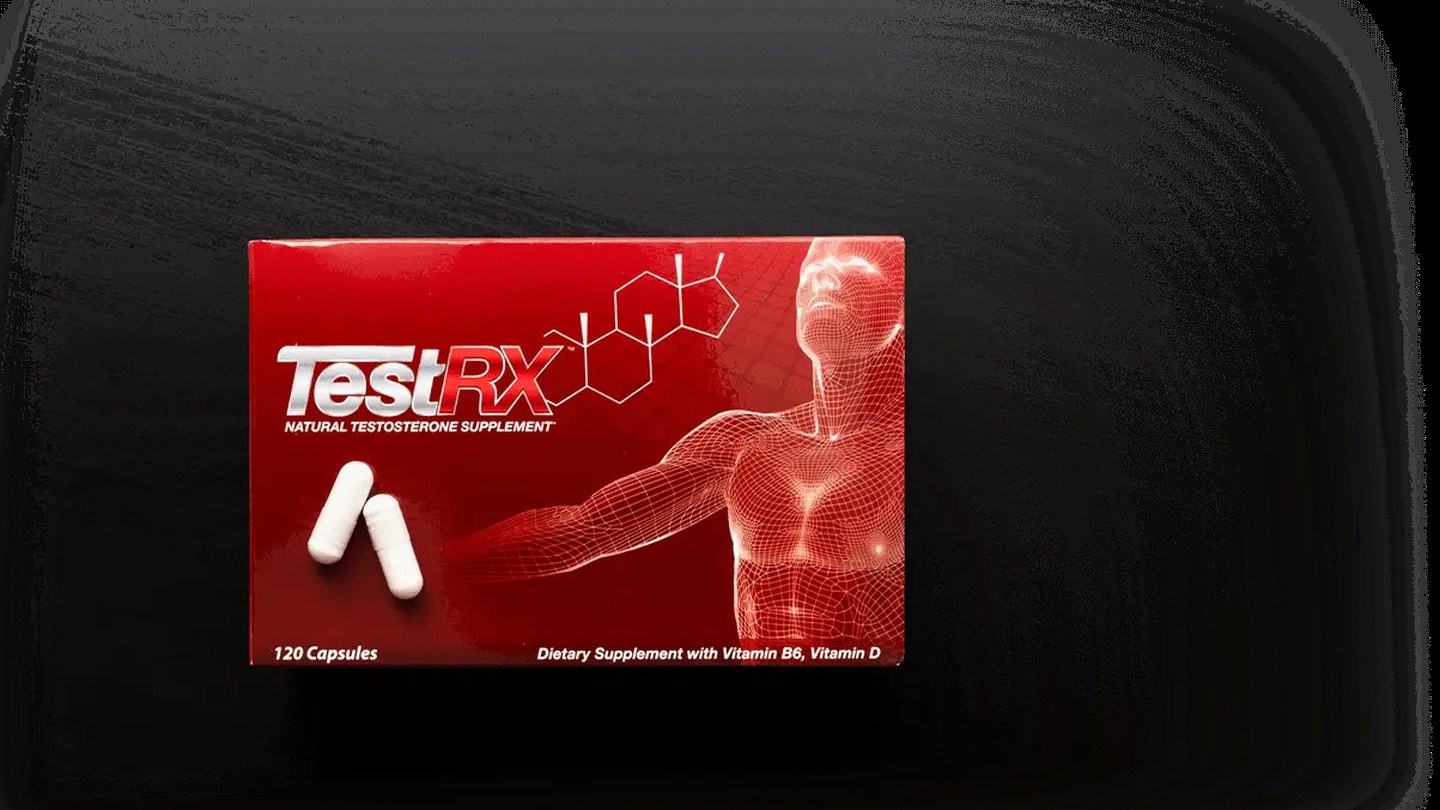
TestRX is a seven-ingredient, ZMA-based natural testosterone booster from Leading Edge Health, positioned for men over 30 who want support for muscle growth, energy, and recovery. It earns an overall score of 7.8/10.
The label is fully disclosed and sensibly dosed for daily safety, which earns strong marks for transparency. However, the product itself has never been tested in a clinical trial, and its headline ingredients fall short of the servings used in the cited studies—including a ZMA study funded by ZMA's maker that independent trials failed to replicate.
Best for: Men who want a fully disclosed, bodybuilding-angled testosterone formula built around ZMA, with every ingredient amount printed on the label rather than hidden inside a proprietary blend.
TestRX — Our Score: 7.8/10
Score: 7.8/10 · Sub-scores: Ingredients 7.0 · Evidence 6.0 · Safety 7.0 · Value 7.0 · Best for: Men who want a fully disclosed, bodybuilding-angled testosterone formula built around ZMA, with every ingredient amount printed · Main caution: The headline studies used more than the product provides — D-aspartic acid was studied at 3.12 g a day against TestRX's 2,300 mg, and the positive ZMA study was funded by ZMA's maker, with independent replications finding no effect · Fair trial: Two boxes ($69 each) — the guarantee covers the first two opened boxes inside 67 days, while the maker judges most noticeable results at one to three months
Our Findings
We audited the official TestRX product panel, order-page pricing, guarantee fine print, and every primary clinical paper cited behind the formula. Here is what holds up under scrutiny and what gives us pause.
Pros
- Full label disclosure: Every single one of the seven ingredients lists its exact milligram, microgram, or IU amount per four-capsule serving, with zero proprietary blends.
- Sensible daily mineral levels: Zinc is included at 10 mg and magnesium at 200 mg, keeping daily mineral intake well clear of excessive mega-dose territory.
- Established seller with a written guarantee: Sold by Leading Edge Health with a detailed 67-day return policy that explicitly covers your first two opened boxes plus any unopened boxes.
- Transparent capsule math: Each box contains 120 capsules at four capsules a day, giving an exact 30-day supply with no awkward 21-day or 25-day bottle tricks.
- Includes supportive micronutrients: Pairs its core ZMA minerals with 1,140 IU of vitamin D3 and 20 mcg of vitamin K2 (MK4) rather than relying on stimulants or exotic fillers.
Cons
- Dose gaps across all five headline actives: D-aspartic acid is 2,300 mg vs 3,120 mg studied, fenugreek is 300 mg vs 500–600 mg studied, and ZMA minerals sit at roughly one-third to under half of the studied serving.
- Maker-funded ZMA study: The oft-cited 2000 football-player ZMA trial was funded by SNAC System, the company selling the ZMA supplement, and co-authored by its founder.
- Failed independent replications: Independent trials in resistance-trained and exercising men found no statistically significant testosterone increase from either ZMA or D-aspartic acid.
- No clinical trial on TestRX itself: All research cited on the sales page comes from individual ingredient studies, never from a controlled trial of the finished seven-ingredient blend.
- Timeline and guarantee tension: The maker states most noticeable results take one to three months, which pushes past the 67-day return window and forces a refund decision around day 60.
- Inconsistent guarantee copy on the homepage: One paragraph on the official homepage mentions a 60-day guarantee while the rest of the site states 67 days.
Why You Should Trust This Review
For this review, we checked TestRX's published supplement facts panel, official store pricing tiers, and 67-day return terms directly against the full text of the primary studies on ZMA and D-aspartic acid—including the funding disclosures, sample sizes, and null replications that sales pages leave out. Every product on SuppChecked is graded on one fixed scoring standard that never shifts to favor a brand, and we lower scores openly whenever verified records warrant it. We earn a commission if you buy through our official website links, at no extra cost to you, and brands never pay to place or praise a product.
Our Verdict
TestRX earns 7.8/10 because it gets the basics of supplement honesty right while falling short on clinical dose matching. Leading Edge Health prints every single milligram on the box, avoids proprietary blends, keeps daily mineral doses within sensible bounds, and backs orders with a written 67-day return policy.
What holds the score back is our 6.0/10 Evidence grade. TestRX has never been tested as a finished product, and every headline ingredient sits below the serving used in the studies cited to sell it. Worse, the positive ZMA study was funded by ZMA's own maker and failed independent replication, while D-aspartic acid failed to raise testosterone in resistance-trained men even at full 3-gram doses.
If you want a clean, stimulant-free ZMA and vitamin D3 formula from an established seller and prefer an all-in-one capsule over buying separate bottles, TestRX is a reasonable pick. Just go in with realistic expectations and plan your fair trial carefully: buy two boxes at $69 each, track how you feel through week eight, and make your refund decision by day 60 so you stay safely inside the 67-day return window.
How We Scored It
We evaluate every supplement on SuppChecked against one fixed standard covering formula transparency, human clinical evidence, safety profile, and real-world cost per day. Below are TestRX's four published sub-scores and the exact reasons behind each mark.
| Criterion | Score | Why |
|---|---|---|
| Ingredients | 7.0/10 | All seven ingredient amounts are published in full with zero proprietary blends, though every headline active sits below its studied serving and the fenugreek is a generic 50%-saponin extract. |
| Evidence | 6.0/10 | No clinical trial exists on TestRX itself; the cited ZMA study was maker-funded and failed independent replication, and D-aspartic acid trials in trained men showed no testosterone gain. |
| Safety | 7.0/10 | Mineral levels (10 mg zinc, 200 mg magnesium) stay well below adult upper limits, with clear exclusions for under-18s, pregnant or nursing women, and prescription medication users. |
| Value | 7.0/10 | Costs $2.08–$2.30 per day depending on bundle size, backed by a written 67-day guarantee covering two opened boxes, though bulk savings require a heavy upfront commitment. |
TestRX's score would rise if Leading Edge Health matched the full studied servings of ZMA and D-aspartic acid, upgraded to a clinically standardized fenugreek extract, or funded an independent placebo-controlled trial on the finished capsules. Conversely, the score would drop if the brand hid doses behind a proprietary blend or pushed zinc and B6 into mega-dose territory.
What Is TestRX?
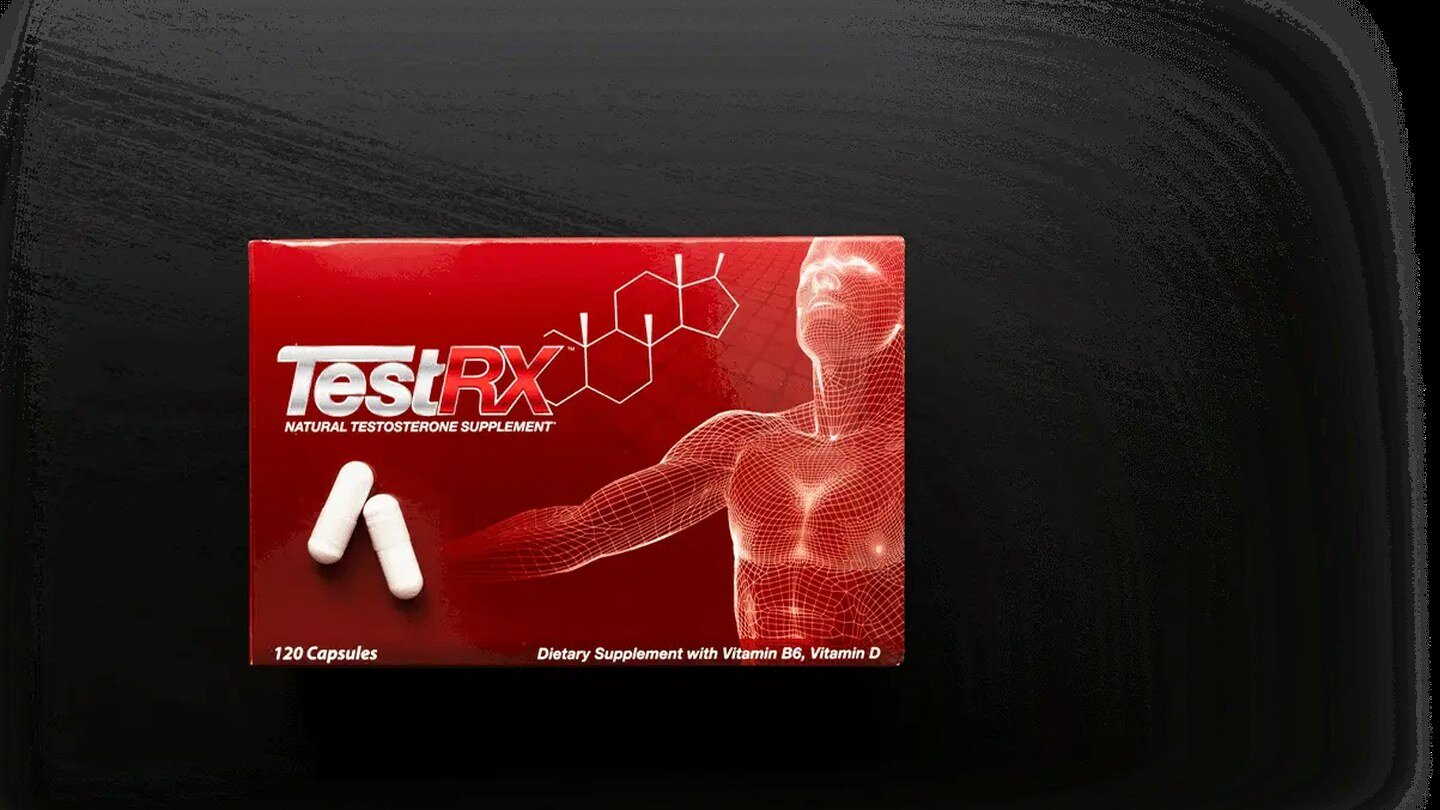
TestRX is an over-the-counter dietary supplement sold by Leading Edge Health and marketed as a natural testosterone booster for men. Unlike prescription hormone therapies, it contains no synthetic testosterone or anabolic steroids and requires no prescription.
On its official website, the maker presents TestRX primarily as a bodybuilding and physical-performance supplement aimed at men noticing age-related hormonal decline after age 30. The sales page links the formula to protein synthesis, bigger muscle growth, higher daily energy, and faster post-workout recovery.
To explain how a seven-ingredient capsule is meant to support testosterone, the maker points to what it frames as two common bottlenecks in active men: poor deep sleep and mineral depletion from heavy training. The maker claims that "studies show ZMA improves sleep quality by extending stage 3 and stage 4 slow-wave sleep," though it provides no specific citation on the page for that sleep claim.
Around that ZMA core of zinc, magnesium, and vitamin B6, Leading Edge Health adds D-aspartic acid, fenugreek seed extract, vitamin D3, and vitamin K2. Every box holds 120 capsules—a full 30-day supply at the directed serving of four capsules per day.
TestRX at a Glance
- Our score: 7.8/10
- Brand: TestRX
- Company: Leading Edge Health
- Product type: Testosterone-support supplement (capsules)
- Primary purpose: Bodybuilding-angled testosterone support for men over 30
- Formula: ZMA-based blend — 7 ingredients, every amount published
- Clinical research: No trial of TestRX itself; ingredient studies only (Brilla & Conte 2000; Topo 2009)
- Research limitation: The positive ZMA study was funded by ZMA's maker, independent replications found no effect, and the studied doses exceed the product's
- Recommended use: 4 capsules a day
- Money-back guarantee: 67-day (decide by day 60; first two opened boxes plus unopened ones returned within 67 days of delivery, less shipping)
The Ingredients
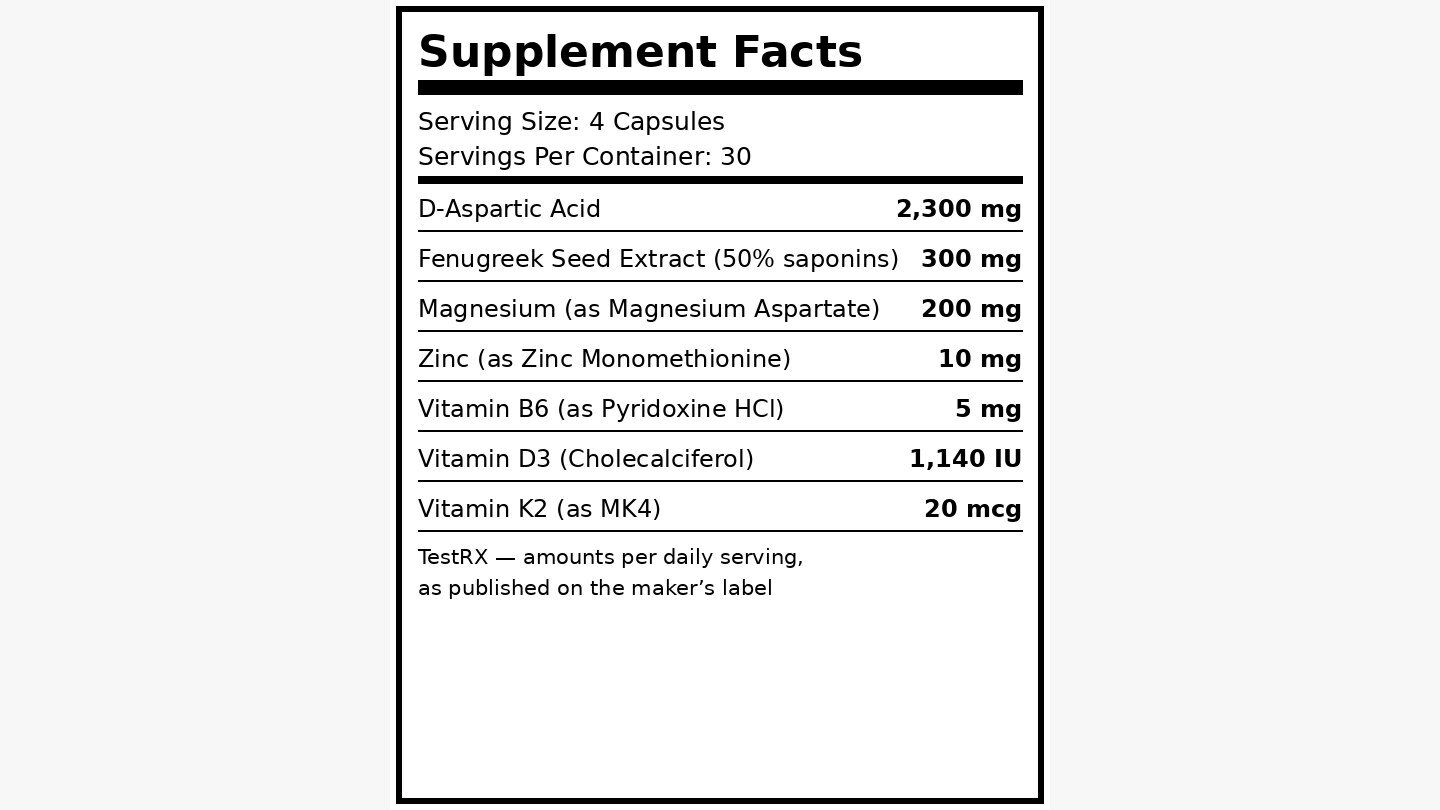
One genuine strength of TestRX is full label transparency. While some third-party retail listings inaccurately describe TestRX as a proprietary blend—and several off-brand review pages falsely list ingredients like Tribulus or vitamin B5—the official supplement facts panel publishes exact quantities for all seven active ingredients per four-capsule daily serving.
| Ingredient | Form / Standardization | Amount per Daily Serving (4 Capsules) |
|---|---|---|
| D-Aspartic Acid | Amino acid | 2,300 mg |
| Fenugreek Seed Extract | Standardized to 50% saponins | 300 mg |
| Magnesium | As Magnesium Aspartate | 200 mg |
| Zinc | As Zinc Monomethionine | 10 mg |
| Vitamin B6 | As Pyridoxine HCl | 5 mg |
| Vitamin D3 | Cholecalciferol | 1,140 IU |
| Vitamin K2 | As MK4 (Menaquinone-4) | 20 mcg |
Below is a closer look at each ingredient in order of dose size, covering what it does, how TestRX's amount compares to the human studies, and what safety caveats apply.
D-Aspartic Acid — 2,300 mg
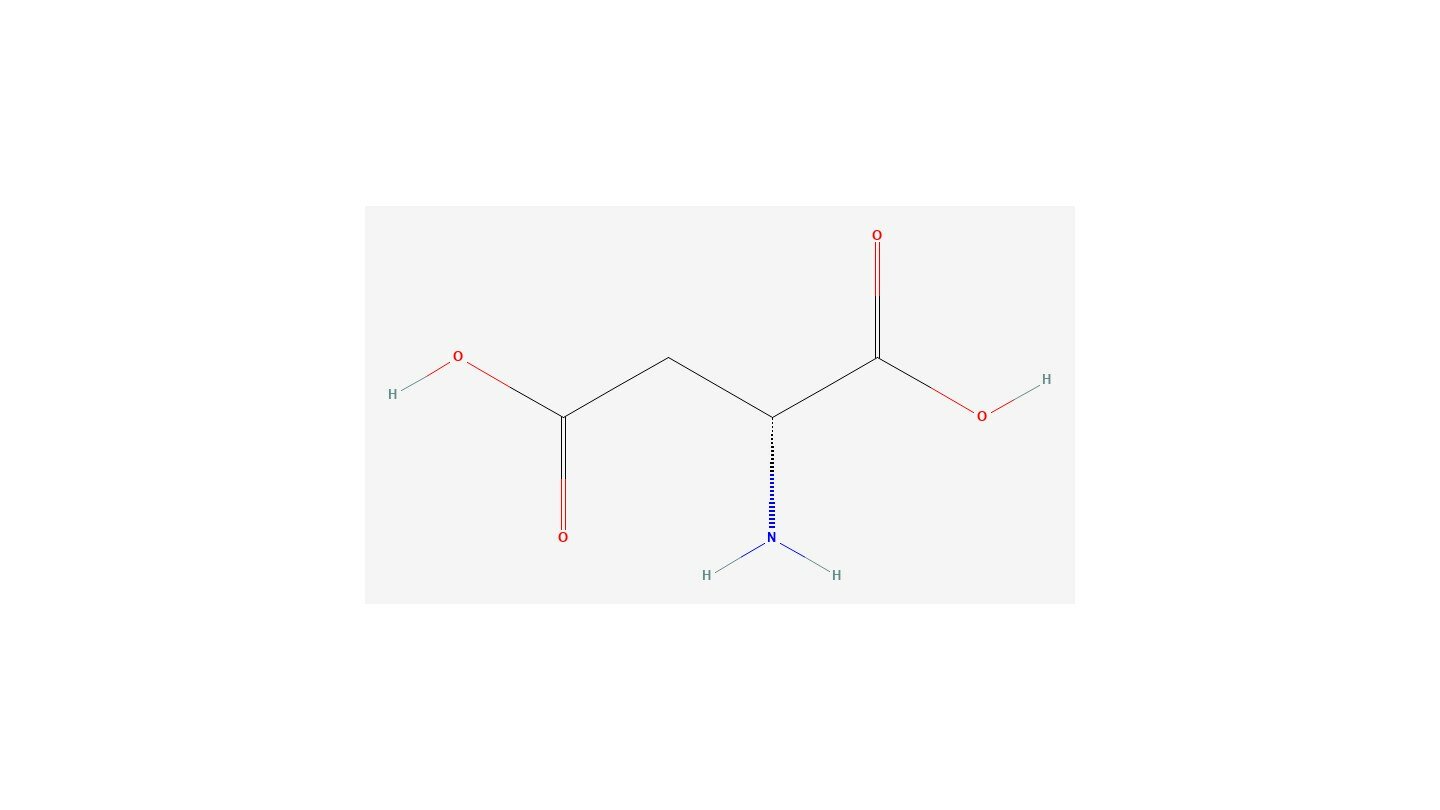
D-aspartic acid (DAA) is an endogenous amino acid found in neuroendocrine tissues, including the pituitary gland and testes, where it plays a role in hormone signaling. At 2,300 mg per four-capsule serving, it accounts for more than 80% of the active ingredient weight in TestRX.
Human evidence for DAA is sharply divided by who was studied. In Topo et al. (2009), 23 sedentary men aged 27 to 37 recruited in a fertility-clinic setting with lower-normal baseline testosterone took 3.12 g (3,120 mg) of sodium D-aspartate daily for 12 days and saw average testosterone rise 42%. However, subsequent placebo-controlled trials in resistance-trained men using 3 g to 6 g per day—including Willoughby & Leutholtz (2013) and Melville et al. (2015, 2017)—found no testosterone increase, and 6 g/day over 14 days actually lowered total and free testosterone. TestRX supplies 2,300 mg, which is 74% of the 3,120 mg dose used in the single positive trial.
Fenugreek Seed Extract (50% Saponins) — 300 mg
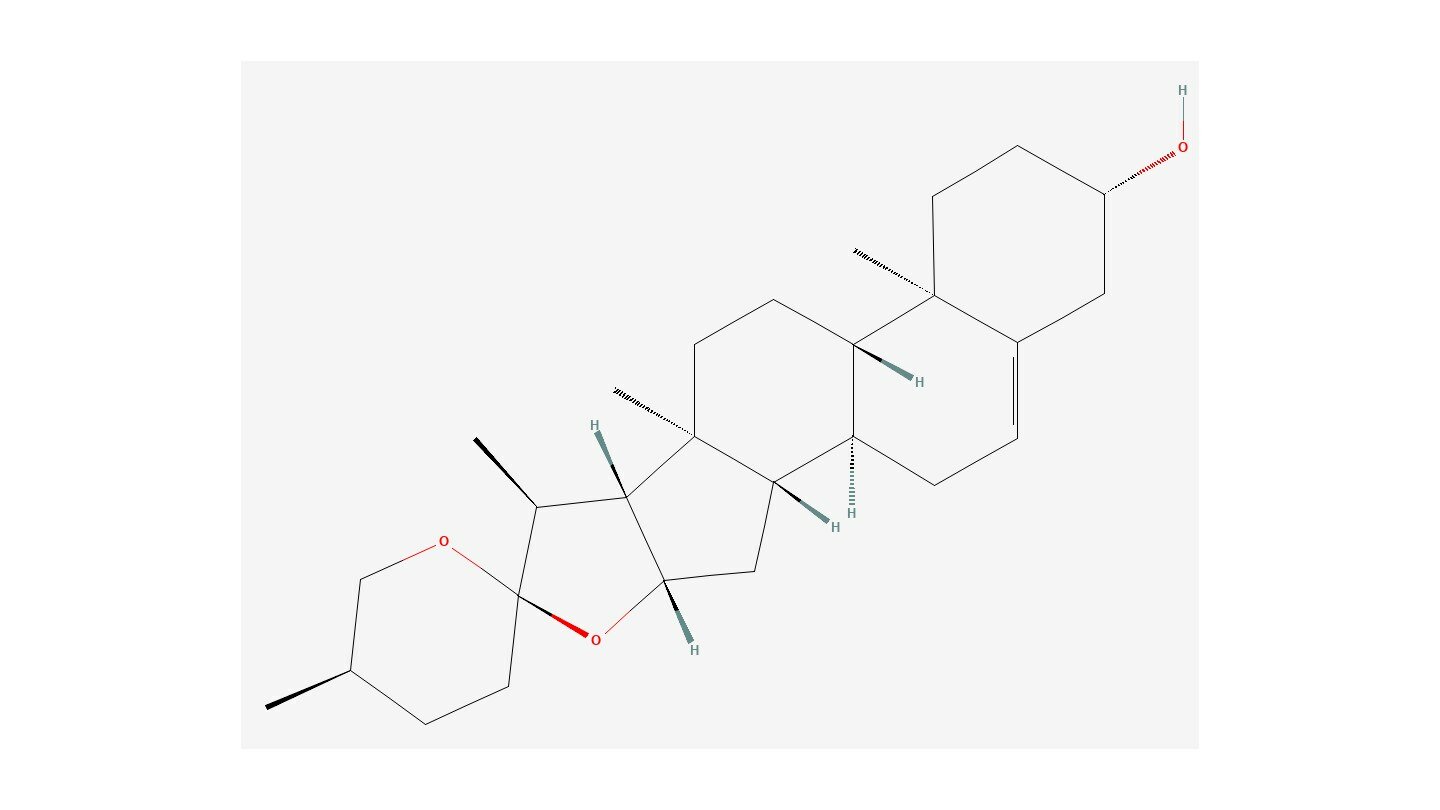
Fenugreek (Trigonella foenum-graecum) is an herb traditionally used in cooking and herbal medicine, standardized here to 50% steroidal saponins. In testosterone supplements, fenugreek extracts are typically included to support free testosterone availability and libido.
The human trials the maker cites on its page used 500 mg to 600 mg per day of standardized fenugreek extracts, whereas TestRX provides 300 mg—roughly half that daily amount—of a generic 50%-saponin extract rather than a branded, clinically studied extract. On the safety side, fenugreek can cause mild stomach upset, may lower blood sugar (requiring caution alongside diabetes medications), and can trigger allergic reactions in people with legume allergies.
Magnesium (as Magnesium Aspartate) — 200 mg
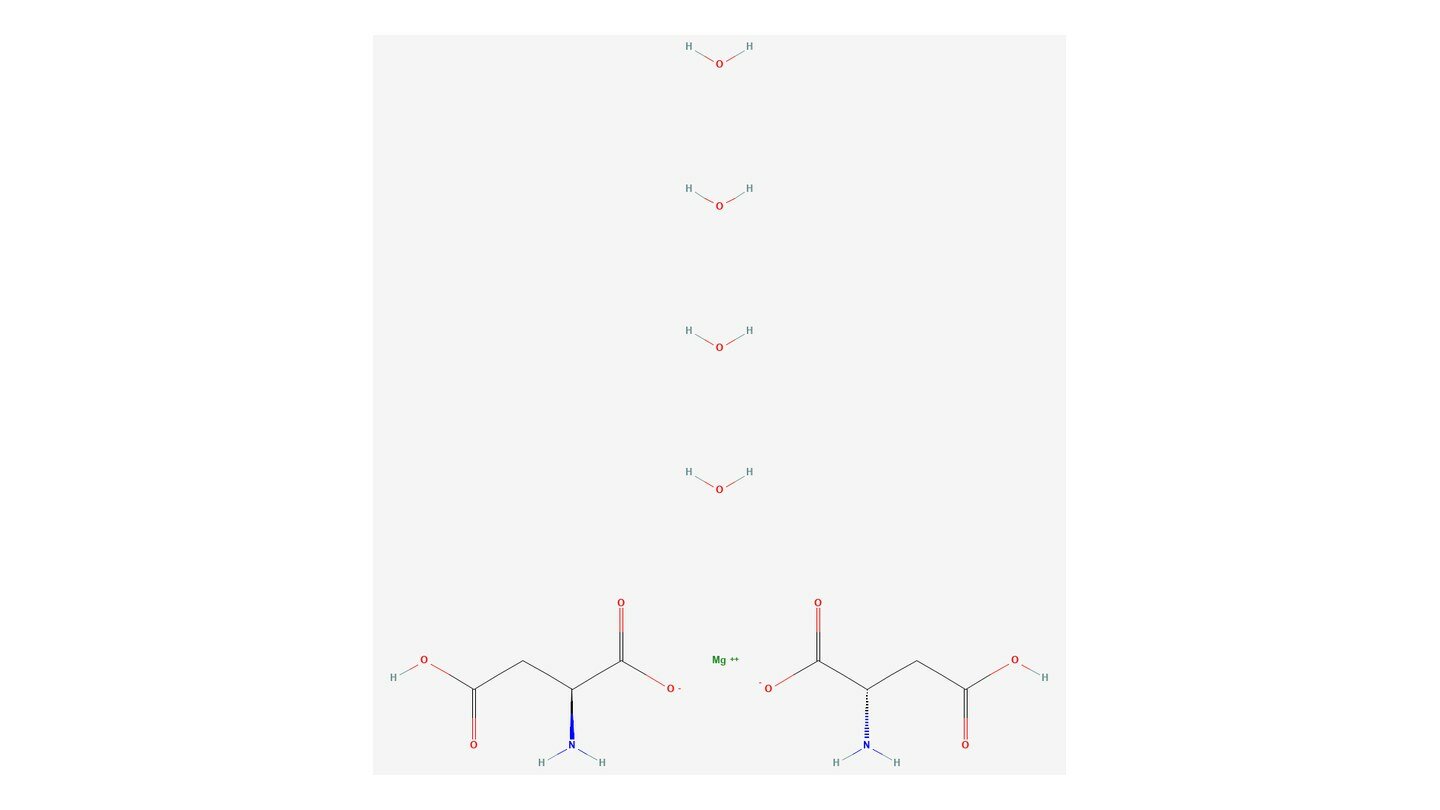
Magnesium is an essential mineral involved in hundreds of enzymatic reactions, including muscle contraction, energy metabolism, and sleep regulation. TestRX uses magnesium aspartate, the same salt form featured in the classic ZMA patent formulation, at 200 mg per daily serving.
While correcting a genuine dietary magnesium deficiency supports normal metabolic and muscular function, the ZMA trial cited by the maker (Brilla & Conte 2000) administered 450 mg of magnesium aspartate nightly. TestRX's 200 mg serving delivers 44% of that studied amount, though keeping supplemental magnesium at 200 mg also avoids the loose stools that higher supplemental doses can trigger.
Zinc (as Zinc Monomethionine) — 10 mg
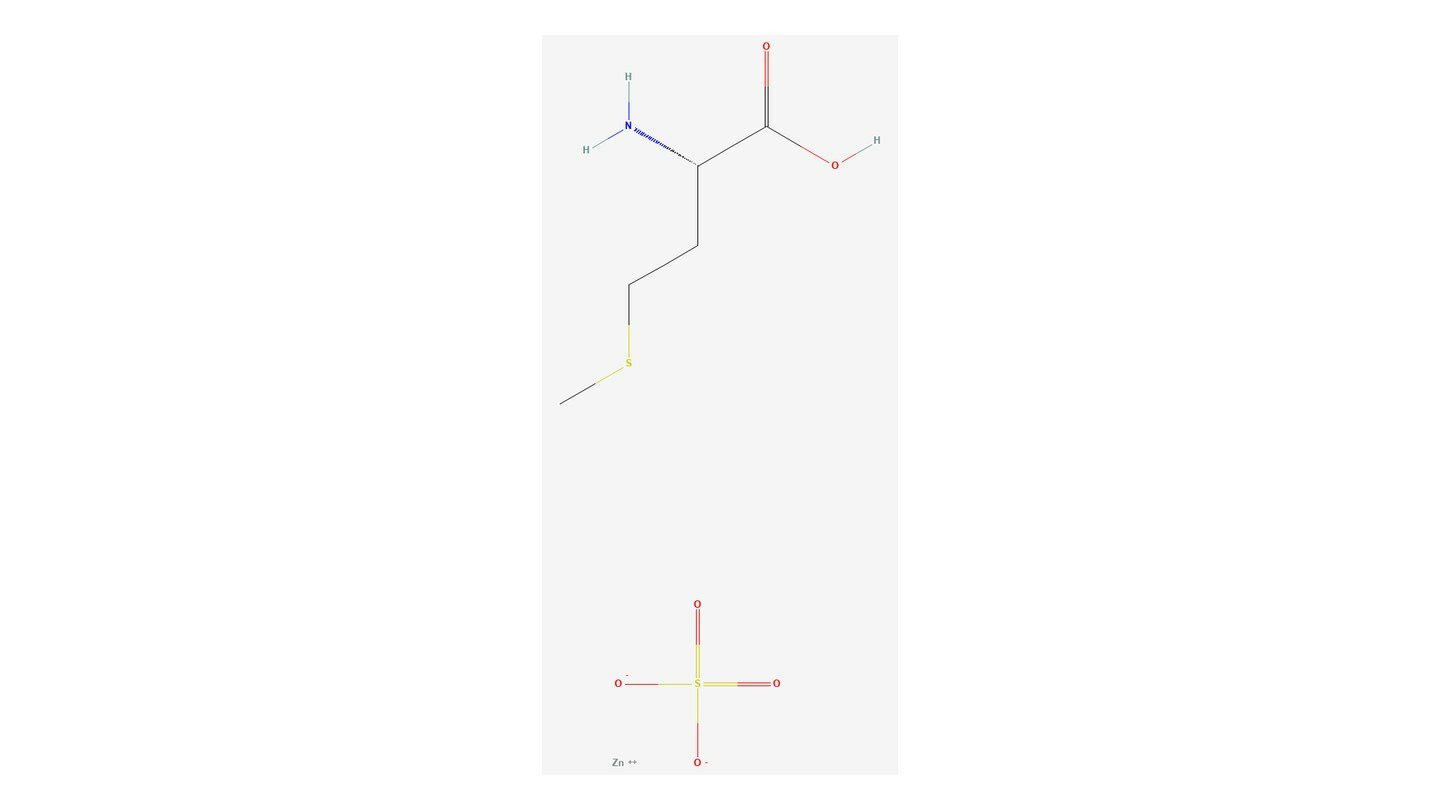
Zinc is an essential trace mineral required for normal reproductive hormone synthesis, immune defense, and cellular repair. Severe zinc deficiency is well known to depress testosterone production, which is why zinc appears in almost every men's hormone formula.
TestRX supplies 10 mg of zinc as zinc monomethionine—just one-third of the 30 mg serving tested in Brilla & Conte (2000). From a safety standpoint, 10 mg sits comfortably below the 40 mg adult tolerable upper intake level, though supplemental zinc can still reduce the absorption of certain antibiotics (such as quinolones and tetracyclines) if swallowed at the same time.
Vitamin B6 (as Pyridoxine HCl) — 5 mg
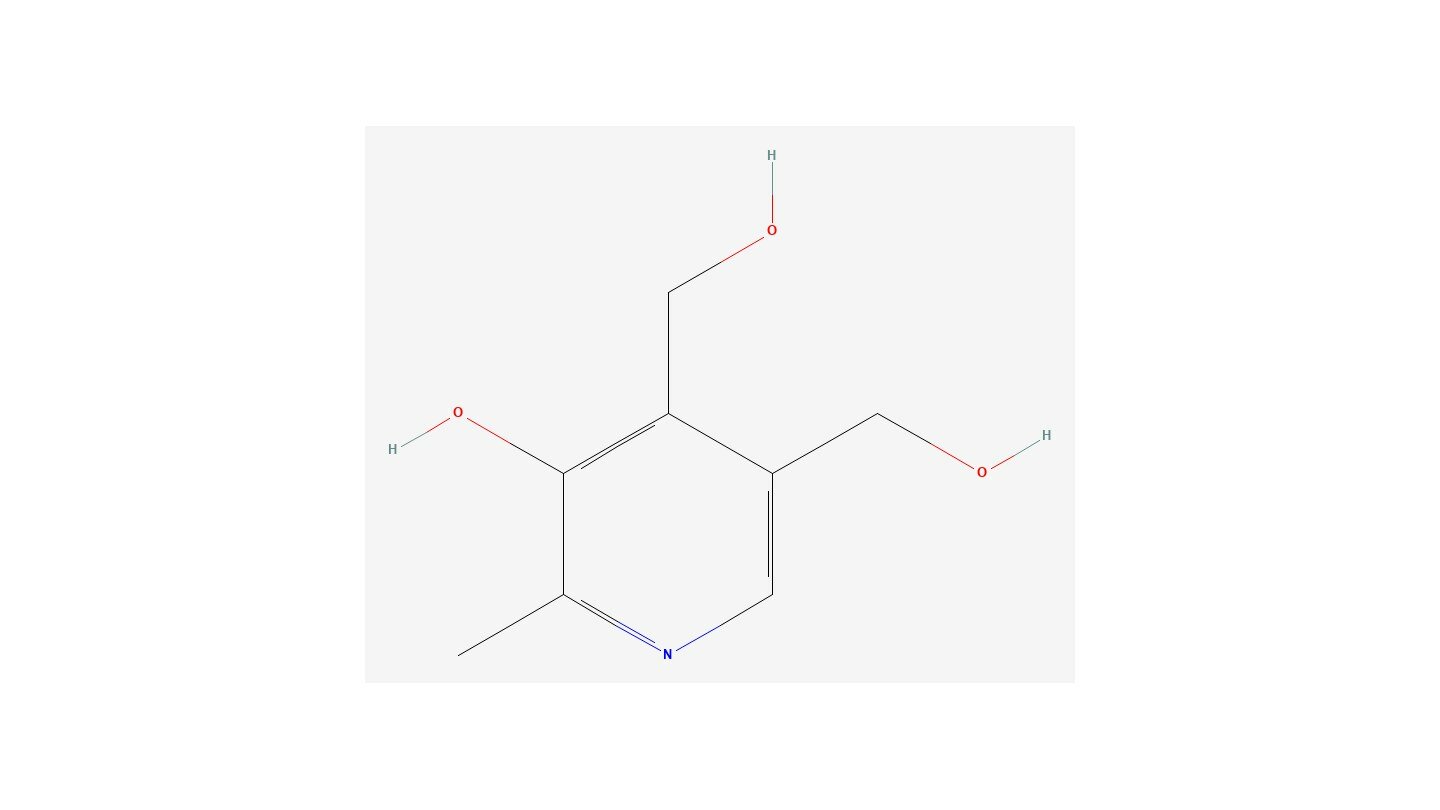
Vitamin B6 (pyridoxine hydrochloride) acts as a coenzyme in amino acid metabolism, neurotransmitter synthesis, and red blood cell formation. In ZMA blends, it is paired with zinc and magnesium to complete the three-part mineral-vitamin complex.
TestRX provides 5 mg of vitamin B6 per daily serving, which is 48% of the 10.5 mg nightly dose used in Brilla & Conte (2000). At 5 mg per day, it provides solid nutritional coverage without approaching the high chronic intakes associated with nerve-related side effects.
Vitamin D3 — 1,140 IU
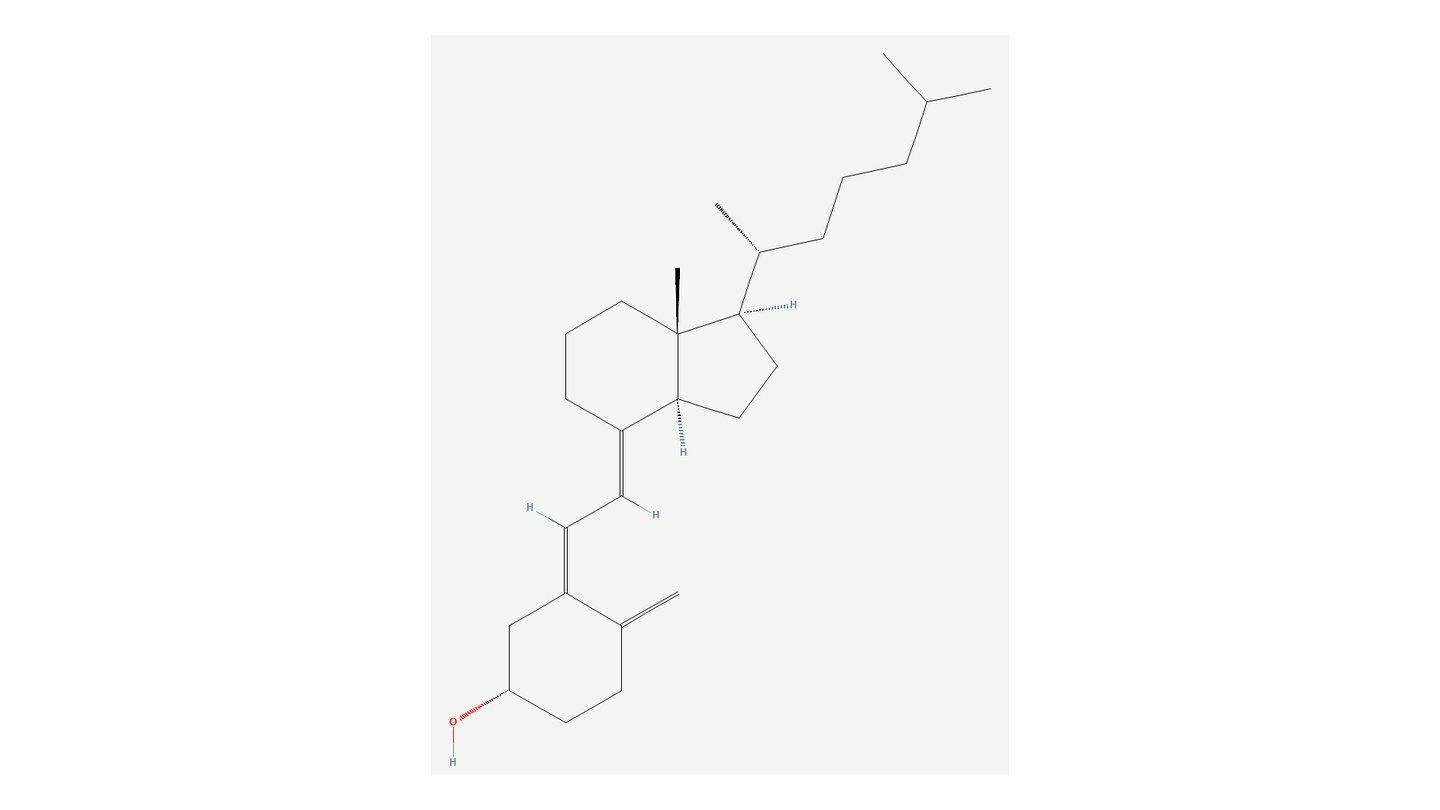
Vitamin D3 (cholecalciferol) functions as a secosteroid hormone precursor in the body, influencing bone health, immune signaling, and endocrine function. Men with low sun exposure frequently show suboptimal vitamin D status.
TestRX includes 1,140 IU of vitamin D3 per daily serving. That is a sensible everyday maintenance amount that helps prevent mild insufficiency, though it is a modest nutritional dose rather than a high-dose therapeutic repletion protocol.
Vitamin K2 (as MK4) — 20 mcg
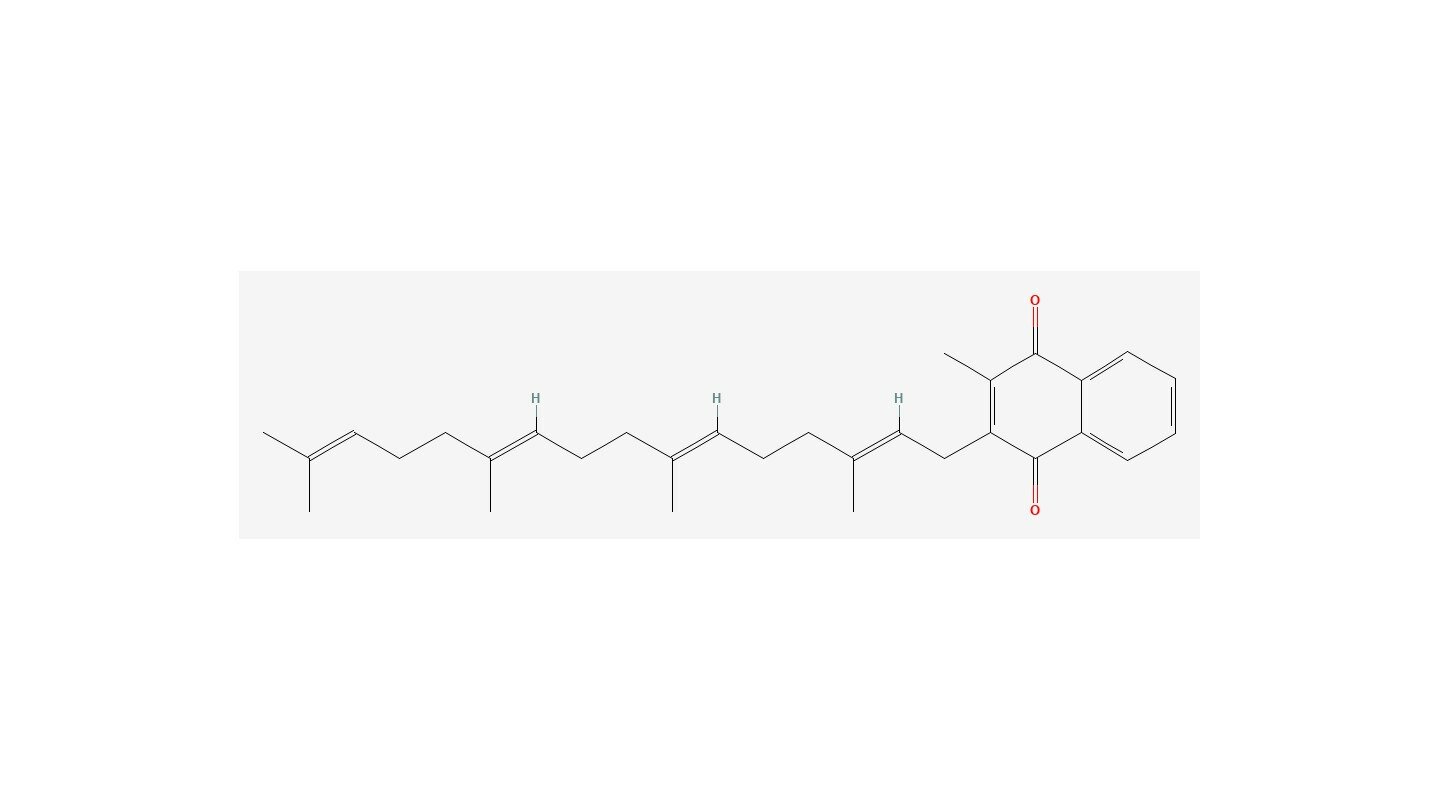
Vitamin K2 (menaquinone-4, or MK4) works alongside vitamin D3 to activate calcium-binding proteins involved in bone mineralization and vascular health. Leading Edge Health includes 20 mcg of MK4 per four-capsule serving.
There is no direct human clinical evidence showing that 20 mcg of vitamin K2 (MK4) increases serum testosterone in healthy men, making it a supportive co-factor for the vitamin D3 rather than a primary hormone driver. Anyone taking prescription blood thinners such as warfarin should check with a doctor before adding vitamin K2.
The Dose Audit
On its official website, Leading Edge Health states that TestRX contains "scientifically-dosed amounts of high-quality ZMA." To test that claim, we compared every single active ingredient on the TestRX supplement facts panel against the exact daily servings used in the primary human trials cited for those ingredients.
| Ingredient | Studied Serving | TestRX Provides | Share of Studied Dose |
|---|---|---|---|
| Zinc (ZMA) | 30 mg (Brilla & Conte 2000) | 10 mg | One-third (33%) |
| Magnesium (ZMA) | 450 mg (Brilla & Conte 2000) | 200 mg | 44% |
| Vitamin B6 (ZMA) | 10.5 mg (Brilla & Conte 2000) | 5 mg | 48% |
| D-Aspartic Acid | 3,120 mg (Topo et al. 2009) | 2,300 mg | 74% |
| Fenugreek Extract | 500–600 mg (maker-cited trials) | 300 mg | ~Half (50–60%) |
Not a single headline ingredient in TestRX matches the daily serving used in the studies cited behind it. Its ZMA core delivers one-third of the studied zinc, less than half the magnesium, and under half the vitamin B6, while D-aspartic acid sits at 74% and fenugreek sits at roughly half of the trial amounts.
Even if every single one of those studies had been rock-solid and independently replicated, calling a one-third to three-quarter serving "scientifically-dosed" stretches the phrase past what the label actually delivers. As the next section shows, the underlying studies themselves carry major caveats even at full dose.
The Evidence, Read Properly
No clinical trial has ever been conducted on TestRX as a finished product. Every percentage quoted on the official website comes from studies on individual ingredients—and reading those primary papers in full tells a very different story from the marketing headlines.
The ZMA Study: Maker-Funded and Never Replicated
The headline "30% increase in testosterone" comes from Brilla & Conte (2000), published in the Journal of Exercise Physiology Online (PMID 10861344). In that eight-week double-blind trial, NCAA college football players during spring training took either a nightly ZMA serving (30 mg zinc monomethionine aspartate, 450 mg magnesium aspartate, and 10.5 mg vitamin B6) or a placebo, with 12 ZMA subjects and 15 placebo subjects completing the study.
Among those 27 completers, total testosterone rose 32.4% (from 567.9 to 752.7 ng/dL) and free testosterone rose 33.5% (from 132.1 to 176.3 pg/mL) in the ZMA group, while placebo total testosterone dropped 10.5%—figures the TestRX page rounds to a "30% increase" and a "10% drop." What the sales page omits is that the supplement tested was SNAC System's ZMA product, and SNAC System's founder, Victor Conte, was co-author of the paper.
When independent researchers tested ZMA without manufacturer involvement, the testosterone jump vanished:
- Wilborn et al. (2004, J Int Soc Sports Nutr; PMID 15182367): An independent eight-week trial in 42 resistance-trained men found that commercial ZMA supplementation had no significant effect on total or free testosterone, IGF-1, body composition, or muscular strength.
- Koehler et al. (2009, Eur J Clin Nutr): An independent trial in 14 healthy exercising men found that ZMA raised serum zinc levels but produced no significant change in serum total or free testosterone.
The D-Aspartic Acid Record: One Fertility-Clinic Cohort vs. Trained Men
TestRX's second headline claim—that D-aspartic acid "boosted testosterone in 20 out of 23 guys by up to 43% after just 12 days"—refers to Topo et al. (2009), published in Reproductive Biology and Endocrinology (PMID 19860889). In that study, 23 men aged 27 to 37 took 3.12 g/day of sodium D-aspartate for 12 days alongside 20 men on placebo; luteinizing hormone rose 33% and testosterone rose 42% on average (from 4.5 to 6.4 ng/mL), with 20 of the 23 men responding.
Context matters here: those 23 subjects were sedentary men recruited in a fertility-clinic setting whose baseline testosterone sat in the lower part of the normal range, and the study lasted just 12 days. When researchers tested D-aspartic acid in men who actually lift weights, every controlled trial came up empty—or negative:
- Willoughby & Leutholtz (2013, Nutrition Research): Resistance-trained men taking 3 g/day of DAA for 28 days alongside heavy weight training showed no significant change in total or free testosterone, LH, strength, or body composition.
- Melville et al. (2015, J Int Soc Sports Nutr): In 24 resistance-trained men over 14 days, 3 g/day of DAA produced no change in testosterone, while 6 g/day significantly lowered total testosterone by 12.5% and free testosterone by 15.4%.
- Melville et al. (2017, PLoS ONE): A longer 12-week trial using 6 g/day of DAA in resistance-trained men found no significant change in testosterone or training outcomes.
Put simply, ingredient-level data cannot prove that a finished multi-ingredient pill works—especially when the finished pill uses lower doses than the studies and the independent trials in trained men show no hormonal effect.
How Long Does It Take to Work?
On the official TestRX website, Leading Edge Health states that users may notice more energy and stamina within the first month, while the "most noticeable results" take one to three months of consistent daily use.
That timeline creates an immediate practical friction with the company's refund policy. While TestRX carries a 67-day money-back guarantee from the date of delivery, a full three-month (90-day) trial pushes three weeks past the return cutoff. If you decide to test TestRX, treat day 60 as your hard decision checkpoint so you still have time to mail back your empty and unopened boxes before day 67.
Looking at the ingredient literature gives little reason to expect dramatic late-stage changes after month two anyway. Topo et al. (2009) ran for just 12 days, Melville et al. (2015) ran for 14 days, Willoughby & Leutholtz (2013) ran for 28 days, Brilla & Conte (2000) and Wilborn et al. (2004) ran for eight weeks, and Melville et al. (2017) ran for 12 weeks—with the independent resistance-training trials finding no testosterone gain at any of those time points.
Is It Safe?
For healthy adult men, TestRX's published formula stays well within standard supplemental ranges. Its daily mineral doses—10 mg of zinc and 200 mg of magnesium—sit comfortably below established adult upper limits, and the formula avoids banned stimulants, prohormones, or undisclosed herbal blends.
However, both the official product record and standard clinical safety checks set clear boundaries on who should skip TestRX or consult a physician first:
- Anyone under 18: TestRX is formulated strictly for adult men and is not intended for teenagers or adolescents.
- Women, especially if pregnant or nursing: The product is designed for adult male physiology and is not intended for women; pregnant or nursing women must avoid it.
- Men taking prescription medications: Anyone on prescription drugs should ask a doctor before starting TestRX.
- Men on diabetes medications: Fenugreek can lower blood glucose, creating an additive blood-sugar-lowering risk if combined with insulin or oral diabetes drugs.
- People taking certain antibiotics: Supplemental zinc can bind to tetracycline and quinolone antibiotics in the digestive tract and reduce their absorption if taken together.
- Anyone with a legume allergy: Fenugreek belongs to the legume family and can trigger cross-reactive allergic symptoms in people allergic to peanuts, chickpeas, or soy.
Side Effects: What Is Actually Known
Leading Edge Health does not publish a formal clinical adverse-event table for TestRX because the finished capsules have never been evaluated in a clinical trial. Any realistic picture of side effects therefore comes from the known tolerability profiles of its individual ingredients at similar daily intakes.
In general, most healthy men tolerate low-dose zinc (10 mg), magnesium aspartate (200 mg), vitamin B6 (5 mg), vitamin D3 (1,140 IU), and vitamin K2 (20 mcg) without trouble. Taking the four daily capsules split across meals with water—rather than all at once on an empty stomach—further reduces the odds of mild nausea, which is the most common complaint with supplemental zinc.
Fenugreek seed extract (300 mg) is the ingredient most likely to cause noticeable day-to-day side effects, including mild digestive upset, gas, or bloating. As noted above, fenugreek can also dip blood sugar in sensitive users, while D-aspartic acid at 2,300 mg lacks long-term safety data beyond the 12-to-84-day windows studied in small trials.
When Symptoms Need a Doctor Instead of a Supplement
TestRX is a nutritional supplement, not a medical treatment for clinically low testosterone (hypogonadism), erectile dysfunction, or chronic fatigue. Persistent low energy, low libido, depressed mood, and unexplained strength loss overlap with thyroid disorders, sleep apnea, anemia, and true hypogonadism—conditions that require a morning blood panel and a doctor's diagnosis rather than an over-the-counter capsule. Where clinically low testosterone is confirmed, standard medical care centers on prescription testosterone replacement therapy (TRT) or targeted endocrine treatment supervised by a physician.
Is It a Scam?
No—TestRX is not a scam. It is a real, physical supplement sold by Leading Edge Health, an established supplement company trading since 2001, with every ingredient dose printed openly on the label and a written 67-day refund policy.
What gives buyers a bad taste—and drives skeptical "TestRX scam" searches—is the gap between the sales copy and the primary science. Repeating a rounded "30% testosterone increase" without mentioning that ZMA's own maker funded the study, or quoting a 12-day fertility-clinic DAA study while delivering 74% of its dose, sets expectations that the formula is unlikely to meet in healthy, active men.
Buyers also run into three avoidable sources of confusion online:
- Fake third-party "reviews" describing the wrong product: Several low-quality review sites list an entirely fictional formula for TestRX—claiming it contains Tribulus and vitamin B5, comes from "RevitaHealth Labs," costs $49.95, and requires two capsules a day. None of that matches the real Leading Edge Health product.
- The maker's own 60-vs-67-day typo: One paragraph on the official TestRX homepage states the product is "guaranteed for 60 days," whereas the guarantee section and badges specify 67 days.
- Unrealistic 30-day expectations: Expecting steroid-like muscle gains inside one box almost guarantees disappointment.
Price and Packs
TestRX is sold in four bundle sizes on its official website. Every box contains 120 capsules, which equals 30 daily servings at four capsules per day.
| Pack Size | Supply | Total Price | Cost Per Day |
|---|---|---|---|
| 1 Box | 1 month (120 capsules) | $69 | $2.30/day |
| 3 Boxes | 3 months (360 capsules) | $199 | — |
| 6 Boxes | 6 months (720 capsules) | $389 | — |
| 12 Boxes | 12 months (1,440 capsules) | $747 ($62.25/box) | $2.08/day |
Across the ladder, TestRX works out to $2.08–$2.30 per day. While the 12-box bundle drops the price to $62.25 per box ($2.08/day), committing $747 upfront for a full year of an unstudied multi-ingredient blend makes little sense before you know how your body responds.
The smart move is starting with two single boxes ($69 each) or evaluating within the first two boxes of a multi-box order. Under Leading Edge Health's 67-day guarantee, you can return your first two opened boxes plus any remaining unopened boxes within 67 days of delivery for a refund of the product price, less shipping (one refund per customer).
Purchase Options
TestRX is sold exclusively through the official Leading Edge Health store rather than authorized third-party marketplaces. Buying direct ensures you receive fresh stock with the verified seven-ingredient label and full eligibility for the 67-day money-back guarantee—protection that third-party resellers do not honor.
How It Compares
To see where TestRX sits in the men's hormone category, we lined it up against four rival testosterone supplements scored on the exact same SuppChecked standard.
| Product | Our Score | Formula Style | Key Differentiator |
|---|---|---|---|
| PrimeGenix Testodren | 8.5/10 | Single ingredient (Furosap® 500 mg) | Delivers the exact 500 mg daily dose tested in its human clinical trials. |
| TestRX | 7.8/10 | 7-ingredient ZMA + DAA blend | Full label disclosure, but every headline active sits below its studied serving. |
| Testosil | 7.5/10 | 12-ingredient blend (incl. KSM-66) | Broader adaptogen and micronutrient mix, but spreads doses across 12 actives. |
| VigRX Tongkat Ali | 7.5/10 | Single-herb standardized extract | Focused single-ingredient approach without DAA or ZMA mineral gaps. |
| Provacyl | 6.5/10 | Multi-ingredient HGH/T blend | Older, crowded formula with weaker per-ingredient clinical backing. |
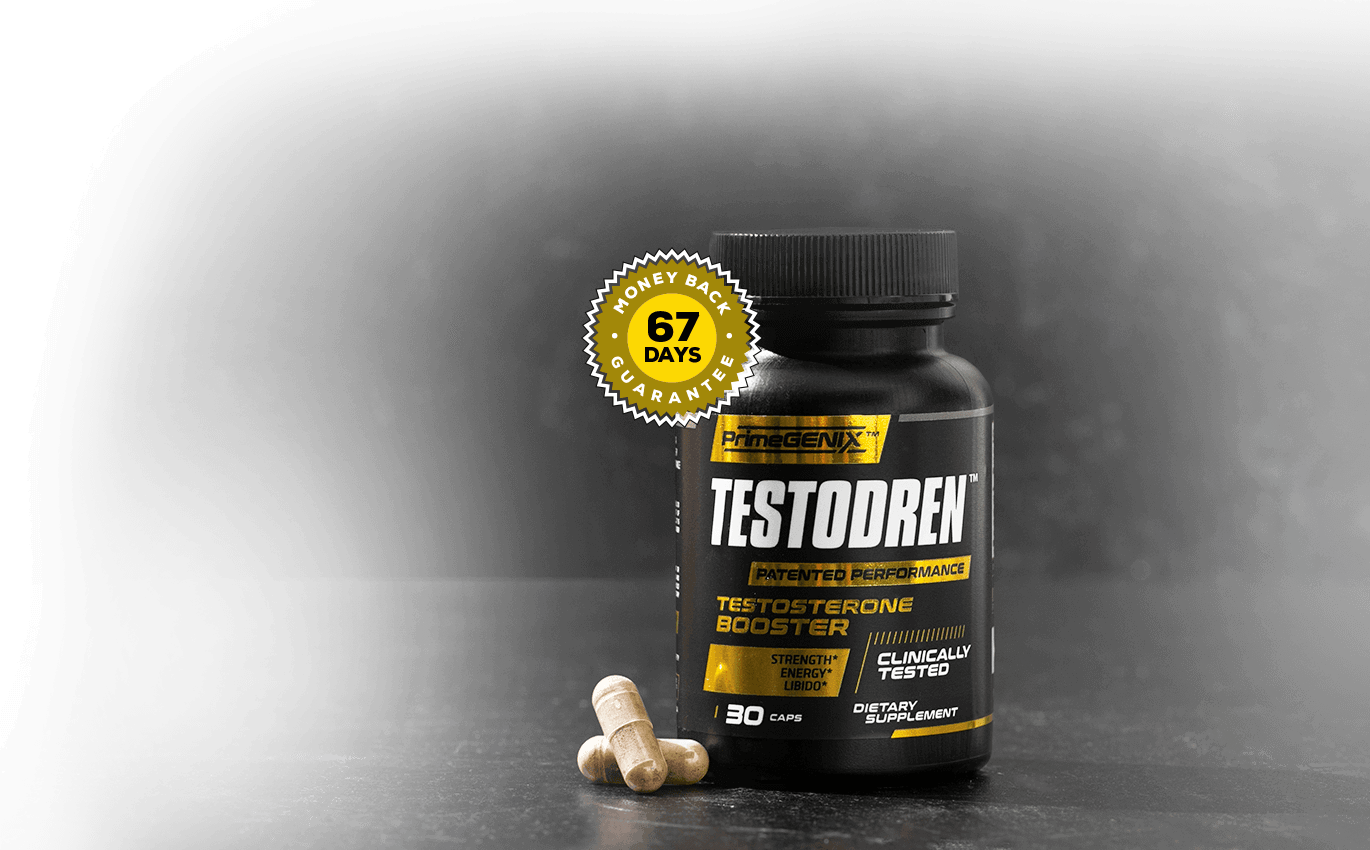
The stronger alternative: PrimeGenix Testodren — 8.5/10
One ingredient at its full published amount — 500 mg, the dose its studies used — instead of a blend whose headline ingredient studies used more than the product provides.
Who Should Buy It — and Who Should Skip It
Who should buy TestRX
- Men who want full label transparency: Every milligram of all seven ingredients is printed clearly on the box, with no proprietary blends.
- Lifters looking for a stimulant-free ZMA + D3 base: If you already take ZMA, vitamin D3, and fenugreek separately and want them combined in one daily capsule from an established seller, TestRX simplifies your shelf.
- Buyers who value a written 67-day return window: Leading Edge Health allows you to open and test up to two full boxes and still claim a refund (less shipping) inside 67 days of delivery.
Who should skip TestRX
- Men who want full clinical study doses: If you want a formula that matches its published trial servings milligram for milligram, TestRX falls short across ZMA, DAA, and fenugreek—making a full-dose single-ingredient option like Testodren (8.5/10) a stronger fit.
- Resistance-trained men expecting big DAA or ZMA hormone spikes: Independent trials in trained lifters found no testosterone increase from either ZMA or D-aspartic acid.
- Under-18s, women, or men with untreated medical symptoms: TestRX is strictly for adult men and cannot replace a doctor's blood work if you have persistent symptoms of clinical hypogonadism.
Frequently Asked Questions
Does TestRX actually work?
TestRX has never been tested in a clinical trial as a finished supplement, so there is no direct proof that the seven-ingredient blend raises testosterone. Its individual minerals and vitamin D3 help cover basic nutritional gaps that support normal hormone production, but its headline ingredients sit below studied servings, the positive ZMA trial was maker-funded, and independent trials in trained men found no testosterone boost from ZMA or D-aspartic acid.
How long does it take to work?
Leading Edge Health states that men may feel more energy and stamina within the first month, while the most noticeable results take one to three months of daily use. In the published ingredient trials, study durations ranged from 12 days to 12 weeks—though independent trials in resistance-trained men found no testosterone rise at 14 days, 28 days, eight weeks, or 12 weeks. If you try TestRX, judge your response by day 60 to stay inside the 67-day guarantee.
What are the side effects?
Because TestRX itself has not been clinically tested, side effects are judged from its individual ingredients. Most healthy adult men tolerate 10 mg zinc, 200 mg magnesium, 5 mg B6, 1,140 IU D3, and 20 mcg K2 well, especially when taken with food. Fenugreek (300 mg) is the most likely culprit behind mild stomach upset or gas, and can also lower blood sugar in men using diabetes medications.
Is TestRX a steroid?
No. TestRX is an over-the-counter dietary supplement made from amino acids, an herbal extract, vitamins, and minerals. It contains no synthetic testosterone, anabolic steroids, or prohormones, and it does not require a doctor's prescription. Because it supplies nutritional precursors rather than exogenous hormones, it will not produce the rapid muscle gains or endocrine suppression associated with anabolic steroids.
Is TestRX just a ZMA supplement?
ZMA—the combination of zinc monomethionine, magnesium aspartate, and vitamin B6—forms the structural core of TestRX, but the formula includes four additional ingredients. Alongside 10 mg zinc, 200 mg magnesium, and 5 mg B6, TestRX adds 2,300 mg of D-aspartic acid, 300 mg of fenugreek seed extract (50% saponins), 1,140 IU of vitamin D3, and 20 mcg of vitamin K2 (MK4). Notably, its ZMA minerals sit at one-third to under half of the classic ZMA study dose.
How do you take TestRX?
The manufacturer's directions call for taking four capsules per day. Each box contains 120 capsules, providing an exact 30-day supply. Taking your capsules with meals and a full glass of water helps minimize mild stomach discomfort from the zinc and fenugreek, and keeping them separated by a few hours from any prescription antibiotics avoids mineral absorption interference.
Who should not take TestRX?
TestRX is formulated exclusively for adult men and must not be taken by anyone under 18 or by women, particularly women who are pregnant or nursing. Men taking prescription medications—especially diabetes drugs, blood thinners like warfarin, or tetracycline and quinolone antibiotics—should consult their doctor first. Anyone with a known legume allergy should also avoid TestRX due to its fenugreek seed extract.
Where can I buy TestRX — is it on Amazon?
TestRX is sold directly through the official Leading Edge Health website rather than authorized Amazon listings. Ordering straight from the official store guarantees that you receive the genuine seven-ingredient formula—avoiding counterfeit or mislabeled third-party stock—and ensures your order qualifies for the 67-day money-back guarantee covering up to two opened boxes plus any unopened boxes.
TestRX — Our Score: 7.8/10
Score: 7.8/10 · Sub-scores: Ingredients 7.0 · Evidence 6.0 · Safety 7.0 · Value 7.0 · Best for: Men who want a fully disclosed, bodybuilding-angled testosterone formula built around ZMA, with every ingredient amount printed · Main caution: The headline studies used more than the product provides — D-aspartic acid was studied at 3.12 g a day against TestRX's 2,300 mg, and the positive ZMA study was funded by ZMA's maker, with independent replications finding no effect · Fair trial: Two boxes ($69 each) — the guarantee covers the first two opened boxes inside 67 days, while the maker judges most noticeable results at one to three months
Sources & Method
This review is based on the maker's official TestRX pages and supplement facts label, read November 2026, and on the primary literature behind the formula: Brilla & Conte 2000, Wilborn et al. 2004, Koehler et al. 2009, Topo et al. 2009, Willoughby & Leutholtz 2013, and Melville et al. 2015 and Melville et al. 2017. Every claim on this page was checked against the maker's own records and the primary literature.
Read This Next
Last reviewed: November 2026.
