
- Quick Answer: What Should You Do About Testosterone Decline After 40?
- What Does Gradual Decline Actually Mean?
- Why Aren't Symptoms a Diagnosis?
- What Is the Right Testing Protocol?
- Fork One: What Can Lifestyle Honestly Do?
- Fork Two: When Is TRT the Conversation?
- Fork Three: What Can Supplements Honestly Claim?
- Fork Four: Is Doing Nothing a Real Option?
Affiliate disclosure: This article contains affiliate links. If you buy through a link on this page, we may earn a commission paid by the manufacturer, at no extra cost to you. That never changes what we publish — and here it means a supplement store telling you to buy a blood test before you buy anything from us. Two of them, in fact, on two separate mornings. If that sequence costs us a sale, it is still the right sequence, and this page exists to walk you through it.
Somewhere in his forties, a man notices the accounts no longer balance the way they did: energy thinner, libido quieter, training yielding less, waist yielding more. Testosterone decline is the explanation the internet hands him first — and it may even be part of the truth. Testosterone does decline gradually with age. But "part of the truth" is doing heavy work in that sentence, because every one of those symptoms has several other common causes, and the only way to know whether testosterone is your problem is to measure it — properly, twice. This page is the decision guide that sits between noticing and acting: what gradual decline actually means, why symptoms alone diagnose nothing, the testing protocol that makes a result worth believing, and then the honest fork — lifestyle first, TRT as the medical route, supplements in their limited place, and doing nothing but monitoring as a legitimate choice.
Quick Answer: What Should You Do About Testosterone Decline After 40?
Test first, then decide. Testosterone declines gradually with age — commonly cited studies put the average at around 1% per year from roughly age 30 to 40 onward — but symptoms such as fatigue and low libido are non-specific and are not a diagnosis. The protocol that makes a result meaningful is two separate early-morning blood tests , measuring total testosterone, with free testosterone checked when the total sits near the bottom of the range. Only with two consistent morning results plus symptoms do you have a finding to act on. Then the fork: correct the lifestyle levers that drag testosterone down; discuss TRT with a doctor if deficiency is confirmed — it is a prescription treatment, not a supplement; consider a booster only as support, with its limits understood; or monitor, which is a valid decision when levels sit in range and symptoms are mild. Buying a supplement first, on symptoms alone, puts the decision before the evidence.
What Does Gradual Decline Actually Mean?
Testosterone peaks in late adolescence and the twenties, then drifts downward across adult life. The figure our pages use — because it is the one the commonly cited studies support — is an average decline of around 1% per year from roughly age 30 to 40 onward. Three honest qualifications belong with that number. It is an average across populations , not a schedule your body follows: some men decline faster, many stay comfortably inside the reference range for decades. The reference range itself is wide — most laboratories set it at approximately 300 to 1,000 ng/dL for adult men — so decades of gradual drift can happen entirely within "normal." And lifestyle often moves the number more than birthdays do: weight gain, poor sleep, heavy drinking and certain medications can each drag a level down faster than ageing alone, which is good news disguised as bad, because those causes are reversible in a way that birthdays are not. Our guide to what a normal testosterone level is and how to read your result works through the ranges, the borderline cases and the total-versus-free distinction in full.
The related word you will meet is andropause — the age-related hormone decline sometimes called the male menopause. It is a looser term than its female counterpart: there is no single event, no sharp hormonal cliff, just the gradual drift above, arriving at different levels in different men. It names a life stage, not a diagnosis — a diagnosis still requires the numbers.
Why Aren't Symptoms a Diagnosis?
Because the symptom list is shared property. Persistently low libido, erectile difficulties, fatigue, low mood, loss of strength and increased body fat genuinely are the symptoms doctors associate with testosterone deficiency — and they are also the presentation of poor sleep, sleep apnoea, depression, an underactive thyroid, diabetes, excess weight and several common medications. A man can tick every box on the list with a testosterone level squarely in range, and a man with a genuinely low level can feel comparatively well. That is why the checklist's proper job is to start a conversation, not to end one. Our signs of low testosterone checklist pairs every sign with what else it could be, precisely so the list slows you down productively instead of speeding you to a checkout. If you recognise yourself in it, the correct purchase is not a bottle. It is a blood test — two of them.
What Is the Right Testing Protocol?
The protocol, exactly as set out in our earlier guides and worth repeating whole, because every shortcut in it produces an unreliable number:
- Two tests, on two separate mornings. Testosterone follows a daily rhythm — highest in the early morning, falling through the day, sometimes substantially by evening. A 4 p.m. draw can read low enough to invent a problem that a morning test would not show. One low result is treated as a lead, never a verdict, because levels also dip temporarily with illness, a run of bad sleep, hard training or stress. Repeat on a second morning, ideally when you are well and rested, and believe only the pattern both tests agree on.
- Total testosterone first. This is the headline measurement — all the testosterone in the blood — and it is the number the 300 to 1,000 ng/dL reference range applies to.
- Free testosterone when the total is borderline. Most total testosterone is bound to proteins — tightly to SHBG, loosely to albumin — and only the small unbound fraction plus the loosely bound portion is immediately available to tissues. SHBG shifts with age, weight and thyroid function, so total and free can tell different stories: a borderline total can hide adequate free testosterone, or the reverse. When a total result sits near the bottom of the range and symptoms are present, doctors often check free testosterone and SHBG before concluding anything.
Our FAQ on whether you need a blood test before taking a testosterone booster gives the short version — legally no, practically yes — and the reasoning in full. What a confirmed low result buys you is the thing no supplement provides: a medical evaluation for underlying causes, which are sometimes treatable in their own right. What an in-range result buys you is almost as valuable: permission to stop treating testosterone as the suspect and look at sleep, weight, mood and the rest of the differential instead.
These statements have not been evaluated by the Food and Drug Administration. This product is not intended to diagnose, treat, cure, or prevent any disease. This article is educational and is not medical advice.
Fork One: What Can Lifestyle Honestly Do?
Whichever way the tests land, the lifestyle levers come first in sequence because they are the ones that demonstrably move the hormone and they cost nothing: sleep properly, train with resistance, keep excess weight off, drink less. Our dedicated guide to how to support testosterone naturally works through each lever with honest effect sizes, so this page will not re-litigate them. The decision-guide point is narrower: if your two morning tests come back low-normal and your sleep is broken, your weight has climbed and your drinking has crept up, the rational first three months are spent on those — then retested. A supplement trial run on top of unaddressed sleep and weight proves nothing either way, because you will never know which variable did what.
Fork Two: When Is TRT the Conversation?
When both morning tests come back below range and symptoms are present, the finding is testosterone deficiency, and the treatment conversation belongs to a doctor. Testosterone replacement therapy replaces the hormone itself, by prescription, with ongoing monitoring — a fundamentally different thing from a supplement that contains no testosterone at all. Our comparison of testosterone boosters vs TRT lays out who each is for, and the testing, cost and fertility considerations on both sides. The line this page draws is simple: substituting a booster for a proper evaluation of confirmed deficiency is how a treatable underlying cause gets missed while the calendar runs. TRT is not a failure of the natural route; for genuinely deficient men it is the route, and supplements do not compete with it.
Fork Three: What Can Supplements Honestly Claim?
Supplements occupy the remaining ground: men whose levels are in range or borderline, who have done the lifestyle work or are doing it, and who want nutritional support judged with open eyes. What they can honestly claim is support — ingredient-level evidence that certain compounds have moved testosterone or related measures in studies — never diagnosis, never treatment, never replacement. The three entries in our testosterone range illustrate the spread, and the gaps between them are the lesson:
- VigRX Tongkat Ali ($59.95, Our Score 7.5/10) is the dose-matched single-herb option: 200 mg of the patented LJ100 extract daily, the exact dose used in both trials the maker details, including a 12-week placebo-controlled study. The maker's HGH headline has no study behind it on its page, and the supporting vitamin and zinc amounts are unpublished — both flagged in our review and in Tongkat Ali, Answered . Our tongkat ali buying guide turns that dose-check into a method for judging any tongkat ali product.
- Testosil ($69, Our Score 7.5/10) is the broader formula built around KSM-66 ashwagandha at 300 mg per serving. Its evidence is ingredient-study framing in the strict sense: an 8-week, double-blind, placebo-controlled study of KSM-66 itself — not of Testosil — at 600 mg a day alongside resistance training. A genuine study, of one ingredient, at twice the standard serving. Its maker's lifetime guarantee at least removes any deadline pressure while you judge it.
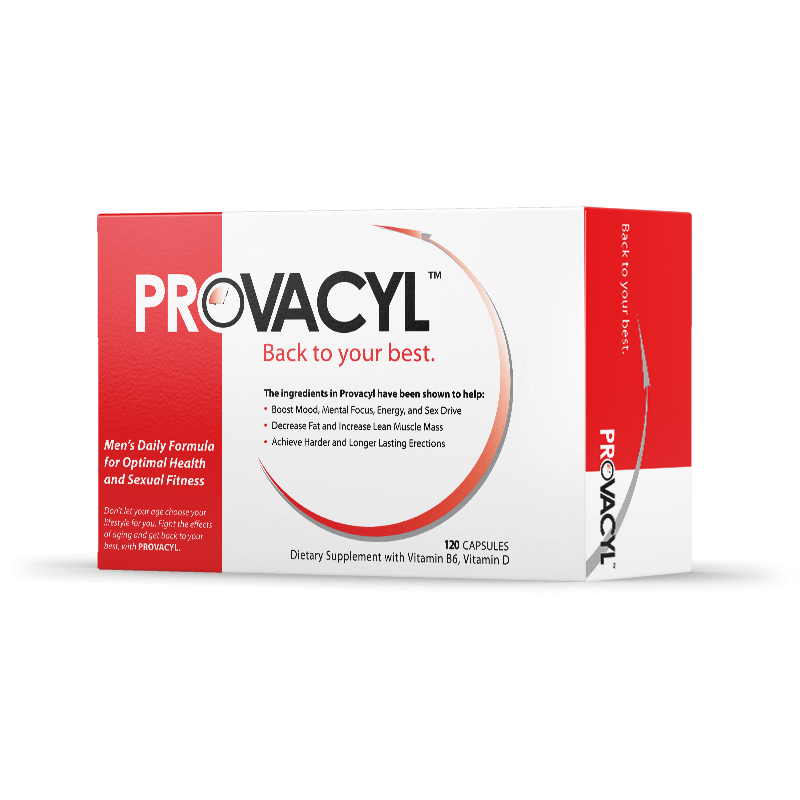
- Provacyl ($59, Our Score 6.5/10) is the andropause-positioned entry — the formula aimed squarely at this page's life stage, built around ZMA plus D-aspartic acid among 23 named ingredients. It is also the caution of the three: the maker publishes the amount of none of those ingredients, every study cited is ingredient-level, and the maker's own best-results timeline of around six months runs far beyond its 67-day guarantee. A documented formula with an undocumented dose is exactly what the test-first mindset exists to catch.
Notice what all three judgements required: the same habit this article is built on. Numbers first, claims second.
Fork Four: Is Doing Nothing a Real Option?
Yes — and it deserves to be named as a decision rather than treated as drift. If two morning tests put you comfortably in range and your symptoms are mild, monitoring — retest if symptoms change or in the course of ordinary medical care, work the lifestyle levers meanwhile — is a medically respectable answer, not a missed sale. Gradual decline within the range is ageing, not disease. The option that is not respectable is its counterfeit: doing nothing about strong, new or worsening symptoms while assuming they are "just testosterone" and "just age." Monitoring is a decision made after testing. Avoidance is what happens instead of testing, and the two look identical only from the outside.
The bottom line: after 40, assume decline is gradual, assume symptoms are ambiguous, and refuse to decide anything until two morning blood tests — total, plus free where the total is borderline — have told you which fork you are actually standing at. Lifestyle first either way; TRT through a doctor when deficiency is confirmed; supplements, if at all, as openly limited support; and monitoring as an honourable choice when the numbers say you are fine. Test first, then decide — in that order, every time.
Disclaimer: This article is for general information only and is not medical advice. Always consult a qualified healthcare professional before starting any supplement, especially if you have a medical condition or take prescription medication. Individual results vary, and no result is guaranteed.
Last reviewed: October 2026
