
- Quick Answer: Testosterone Boosters vs TRT — What Is the Difference?
- What Exactly Is a Testosterone Booster?
- What Exactly Is TRT?
- Side by Side: How Do They Compare?
- Who Is Each One Actually For?
- Can You Use a Booster Instead of TRT If Your Levels Are Clinically Low?
- What Should You Do First If You Suspect Low Testosterone?
Affiliate disclosure: Natural Health Supplement is an affiliate store. If you buy through a link on this page, we may earn a commission at no extra cost to you. This page compares two approaches, only one of which we sell — and where the honest answer is "see a doctor instead of buying a supplement," that is what this article says.
Few comparisons in men's health cause more confusion than testosterone boosters vs TRT. They sound like two versions of the same thing. They are not. One is an over-the-counter supplement containing no testosterone at all; the other is a prescription hormone treatment reserved for confirmed deficiency.
Quick Answer: Testosterone Boosters vs TRT — What Is the Difference?
The short version: a testosterone booster is a blend of vitamins, minerals and herbal extracts sold as a dietary supplement. It contains no testosterone, is not FDA-approved to treat low testosterone, and the evidence that such blends raise testosterone is limited. TRT — testosterone replacement therapy — is actual testosterone, prescribed after blood tests confirm a deficiency and monitored throughout use. A booster is, at most, nutritional support for a man with no diagnosis. TRT is a medical treatment for one. Neither does the other's job.
What Exactly Is a Testosterone Booster?
A testosterone booster is a dietary supplement — usually capsules — built from ingredients such as zinc, vitamin D, vitamin B6, fenugreek, ashwagandha, maca and horny goat weed, marketed as supporting the body's own testosterone production. What is not in the bottle matters more: there is no testosterone in a testosterone booster — real testosterone is a prescription-only medicine in the United States and cannot legally be sold as a supplement ingredient.
Because boosters are regulated as supplements rather than drugs, the FDA does not approve them for safety or effectiveness before they go on sale, and there is no standardized formula — two bottles making the same claim can contain very different things. Published analyses of popular online boosters found most of their ingredients have little or no published data behind the claims made for them. That does not make every booster useless or dangerous — but the honest expectation is modest, and quality varies in a way it does not for approved medicines.
Nor are boosters risk-free just because no prescription is needed. High doses of some vitamins and minerals carry side effects, ingredients can interact with prescription medicines, and regulators warn that some products in the broader sexual-enhancement and "male energy" category contain unlisted drug ingredients.
These statements have not been evaluated by the Food and Drug Administration. Dietary supplements are not intended to diagnose, treat, cure or prevent any disease.
For a closer look at what is actually in these formulas, see Testosterone Booster Ingredients, Checked One by One: What Actually Has Evidence?
What Exactly Is TRT?
TRT is the prescription of testosterone itself — as a skin gel, injections, a patch, or another approved formulation — to bring a deficient man's levels back into the normal range. It treats a specific diagnosis — testosterone deficiency (hypogonadism) — and guidelines are clear about how it is made: symptoms consistent with low testosterone, plus low levels confirmed on two separate early-morning blood tests. One low reading is not enough, because levels swing with sleep, illness, food and time of day, and a meaningful share of first low results come back normal when the test is repeated properly.
Doctors also check related hormones such as LH to find whether the problem lies in the testes or the brain's signalling, because some causes need treatment of their own. Once TRT starts, it comes with ongoing monitoring — follow-up testosterone levels, hemoglobin and hematocrit (testosterone can raise red blood cell production; if hematocrit climbs too high, guidelines call for the dose to be cut or treatment paused), prostate checks appropriate to age and risk, and blood pressure.
For men who genuinely have the diagnosis, TRT is evidence-based: trials show improvements in libido and sexual function, bone density, and muscle mass and strength. The safety picture is monitored rather than assumed — a large 2023 safety trial found testosterone gel did not increase heart attacks or strokes versus placebo in the men studied. TRT is also a long-term commitment with real trade-offs — above all the fertility effect below — which is why it sits behind tests and a prescription, not on a store shelf.
Side by Side: How Do They Compare?
- What it is: A booster is a blend of nutrients and herbs, containing no testosterone. TRT is testosterone itself, an approved prescription medicine.
- Who supervises it: You buy and take a booster on your own, with no clinician involved. TRT is prescribed and followed by a doctor.
- Testing: No test is needed to buy a booster, and no test result changes what is in the bottle. TRT requires symptoms plus two low morning tests before it starts, and monitoring for as long as it continues.
- What it can realistically do: A booster offers nutritional support with limited, mixed evidence; it has not been shown to correct a true deficiency. TRT directly raises testosterone into the normal range in confirmed deficiency, with trial evidence behind it.
- Fertility: A booster supplies no hormone, so it does not switch off the body's own production. TRT does: testosterone from outside the body tells the brain to cut the signals that drive sperm production, so sperm counts commonly fall — sometimes to zero, which is why guidelines say TRT should not be prescribed to men trying to conceive. Sperm production usually recovers after TRT is stopped, but recovery can take months and is not guaranteed.
- Cost pattern: A booster is a recurring monthly purchase, paid out of pocket, with no labs or appointments attached. TRT means ongoing costs for medication, blood tests and clinic visits — sometimes partly covered by insurance where a diagnosis is documented. Either way, TRT is the bigger total commitment, not just the bigger bottle.
- Commitment: A booster can be stopped at any time, and any effect stops with it. TRT is usually long-term, often indefinite, and stopping returns levels to where they started.
- Oversight: Boosters are dietary supplements: no pre-market FDA approval, no standardized contents. TRT products are FDA-approved medicines with standardized doses.
Who Is Each One Actually For?
A booster is aimed at a man who has not been diagnosed with low testosterone — perhaps his levels are normal or borderline, his energy, training or libido is not what it was, and he wants to try nutritional support with realistic expectations and a time limit. If you go that route, treat it as an experiment with an end date — our week-by-week guide to how long testosterone boosters take to work sets out the timeline men typically report, and the point at which "nothing is happening" is itself the answer. Fatigue, low mood and poor libido also have many other causes — thyroid problems, depression, sleep apnea, medication side effects — which a booster does not address.
TRT is for a narrower group: men with persistent symptoms and repeatedly low morning tests, in whom a clinician has confirmed deficiency and looked for its cause. It is not for men who want children in the near future (see the fertility effect above), nor a treatment for a single low reading, a symptom-quiz score, or ordinary ageing by itself.
Can You Use a Booster Instead of TRT If Your Levels Are Clinically Low?
No — and this is the most important answer on this page. If your testosterone is clinically low, that is a medical finding, not a supplement deficiency. There is no good evidence that any booster blend can raise testosterone from deficient into the normal range, and using one as a substitute does two kinds of harm: it leaves symptoms untreated, and it can delay finding out why your levels are low. Low testosterone is sometimes itself a symptom of something else — a pituitary problem, for example — that needs its own diagnosis and treatment.
The reverse mistake exists too. A man with normal levels who talks himself into loosely prescribed or black-market testosterone takes on the monitoring burden and fertility risk for a problem he does not have. The booster-versus-TRT question is not really about which product is stronger. It is about whether a diagnosis exists. If it does, treatment is a doctor's job. If it does not, a prescription hormone is not the answer either.
What Should You Do First If You Suspect Low Testosterone?
Get tested properly: an early-morning blood test for total testosterone (levels peak in the morning), ideally fasting, and not on a day when you are ill or badly sleep-deprived. If it is low, standard guidance is to confirm it with a second morning test on a separate day before concluding anything. If both are low and you have symptoms, take the results to a doctor, who can check related hormones, look for causes, and discuss whether TRT or another approach fits your situation — including your plans for children.
If the tests come back normal, that is useful too: your symptoms are real, but testosterone is unlikely to be the cause, and the next step is investigating other possibilities with your doctor. What neither result justifies is guessing — not a supplement as a silent substitute for care, and not a hormone as a shortcut around diagnosis.
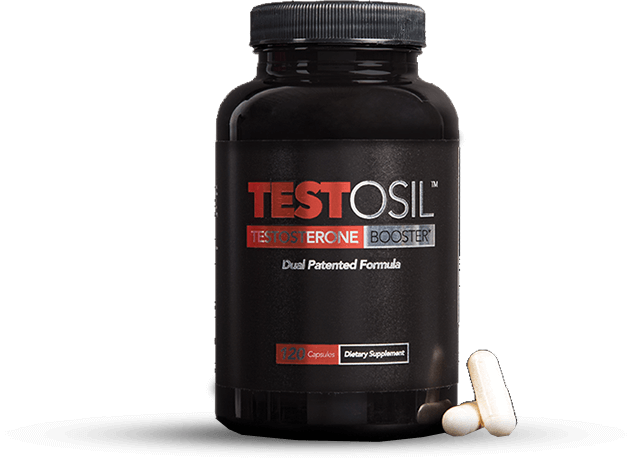
The formulas this store carries — Testosil, TestRX and PrimeGENIX Testodren — sit firmly on the supplement side of this page: nutritional support for men without a diagnosis, not low-testosterone treatments. If that is genuinely your situation, a time-limited trial can be ordered from the manufacturer's own store via the Buy from Official Website link. If yours is a confirmed deficiency, close this page and book the doctor's appointment instead — that is the answer we would want a store to give us.
Disclaimer: This article is for general information only and is not medical advice, and it is not a substitute for diagnosis or treatment by a qualified clinician. If you have symptoms of low testosterone, take prescription medication, or have a diagnosed medical condition, talk to your doctor before using any supplement or starting any treatment.
Last reviewed: October 2026