
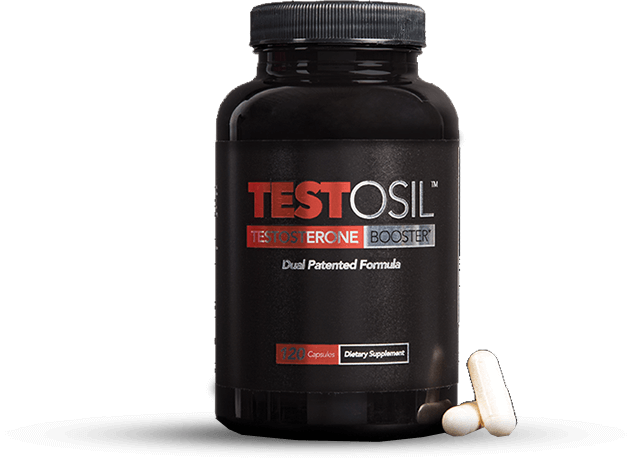
- Quick Answer: What Side Effects Do Testosterone Boosters Have?
- Do Natural Boosters Carry the Same Risks as TRT?
- Which Side Effects Are Reported Ingredient by Ingredient?
- What About Interactions With Medication?
- Why Do Two Men React Differently to the Same Product?
- How Do You Trial a Booster Safely?
- Which Symptoms Mean Stop and Seek Care?
Affiliate disclosure: This article contains affiliate links. If you buy through a link on this page, we may earn a commission paid by the manufacturer, at no extra cost to you. That never changes what we publish — and on a side-effects page it means listing the downsides of the very products we cover, by ingredient, including the rare serious reports most review sites leave out entirely.
Testosterone booster side effects: what are they, honestly? Start with the framing most pages get wrong in one direction or the other. A natural booster is not TRT — it contains no hormone, so it does not carry the risk profile of adding testosterone to your body. But "natural" does not mean side-effect-free, either. These formulas are built from biologically active botanicals, amino acids, and minerals, and active ingredients can disagree with you, with your medication, or with each other. This guide goes ingredient by ingredient, then covers interactions, how to trial a product safely, and the symptoms that mean stop and get medical help.
Quick Answer: What Side Effects Do Testosterone Boosters Have?
For most healthy men, the commonly reported effects are mild and digestive: stomach upset, nausea, loose stools, and headaches, usually in the first days and often settled by taking the product with food. Ingredient-specific effects are well documented — fenugreek's maple-syrup body odour, arginine's flushing and headaches, ashwagandha's drowsiness. The more serious concerns are mostly interactions: with blood-pressure medication, blood thinners, diabetes medication, thyroid medication, and sedatives. Rare but real reports exist — including published case reports of liver injury linked to ashwagandha — so "from a plant" should never be read as "cannot harm you." Trial one product at a time, at the label dose, and stop if something feels wrong.
Do Natural Boosters Carry the Same Risks as TRT?
No, and the distinction is worth understanding rather than just asserting. Prescription testosterone therapy adds an external hormone to your system, which is why it requires medical supervision: it can suppress your own production, affect fertility, and requires monitoring of blood counts and the prostate. A booster contains no testosterone and no hormone at all — it is a blend of nutrients and plant extracts intended to support production your body controls itself, within its own regulatory limits. The TRT risk list does not transfer.
What transfers instead is a more ordinary, supplement-style risk list: individual ingredients with their own effects, doses that vary by brand, and interactions with prescription medication. That list is shorter and milder than TRT's — but it is not empty, and it is the list the rest of this article covers. Anyone who tells you a booster is "all the benefit with zero risk" is selling, not informing.
Which Side Effects Are Reported Ingredient by Ingredient?
Formulas differ, so read this against the label of the product in front of you. These are the ingredients most common in the boosters we cover, and what is reported about each:
- Digestive upset and headache (many formulas). The most frequent complaints across the category generally — nausea, stomach discomfort, loose stools, mild headache — especially on an empty stomach or in the first week. Usually transient; taking the dose with food is the standard fix.
- L-arginine. Headache, flushing, and stomach upset are commonly reported. Because arginine affects blood vessels and can lower blood pressure, it deserves caution alongside blood-pressure medication.
- Fenugreek. Digestive issues are the common report, plus a harmless but distinctive one: sweat and urine can take on a maple-syrup smell. Fenugreek is a legume, so men with peanut or legume allergies should treat it with caution, and it can affect blood sugar — relevant if you take diabetes medication.
- Ashwagandha (including KSM-66). Usually mild: drowsiness and gastrointestinal upset are the typical reports. Two cautions deserve emphasis. Published case reports in the medical literature have linked ashwagandha to rare liver injury — uncommon, but documented, and a reason to stop and seek advice if you develop jaundice, dark urine, or unusual fatigue. And ashwagandha can interact with thyroid medication and adds to the effect of sedatives; it is also advised against in pregnancy.
- D-aspartic acid. Headache and irritability are reported. The honest limitation: long-term safety data in humans is thin, so "unknown" is part of the answer for extended use.
- Zinc. Nausea is common when taken on an empty stomach. The bigger issue is chronic excess: long-term high-dose zinc can lower copper levels, which is why more-than-label dosing of a mineral is a genuinely bad idea.
- Vitamin D. Sensible doses are well tolerated, but megadosing is not harmless — very high intakes over time can push blood calcium too high. A booster is not a licence to stack additional high-dose vitamin D on top without a blood test and a reason.
These statements have not been evaluated by the Food and Drug Administration. This product is not intended to diagnose, treat, cure, or prevent any disease. This article is educational and is not medical advice.
What About Interactions With Medication?
This is where most real-world harm from supplements actually happens — not the ingredient alone, but the ingredient meeting a prescription. The combinations to clear with a doctor or pharmacist before starting any booster:
- Blood thinners (such as warfarin): several botanicals common in these formulas, ginkgo among them, are flagged for bleeding-risk interactions.
- Blood-pressure medication: blood-flow ingredients such as L-arginine can add to the pressure-lowering effect.
- Diabetes medication: fenugreek and other ingredients can lower blood sugar, compounding your medication's effect.
- Thyroid medication: ashwagandha can alter thyroid hormone levels — a documented interaction, not a theoretical one.
- Sedatives and sleep medication: ashwagandha's calming effect is additive; combined sedation is the risk.
The practical habit that prevents almost all of this: tell your doctor and pharmacist what you take, including supplements. Men routinely omit supplements from that conversation because "it's just natural" — which is precisely the assumption this page exists to correct. A pharmacist can check a specific formula's ingredient list against your prescriptions in minutes, free of charge.
We check each of these ingredients one by one here: Testosterone Booster Ingredients, Checked One by One.
Why Do Two Men React Differently to the Same Product?
Because no two trials are actually the same trial. Body weight, age, diet, sleep, and existing medication all shift how an ingredient behaves, and two men can absorb the same capsule quite differently. Formula design matters too: one brand's fenugreek extract is standardised and dosed openly, another's sits inside a proprietary blend at an amount nobody outside the company knows — the ingredient name matches, the exposure does not. This is also why one man's glowing report and another man's headache are both believable: they are data points about two different bodies taking two possibly different doses, not a verdict on the product category.
The practical consequence is that other people's experiences — good or bad — are weak evidence for what will happen to you. A friend who felt nothing proves nothing about your trial, and neither does a stranger's dramatic review. What predicts your experience is your own health picture and the specific label in front of you, which is why this article is organised by ingredient rather than by product: your reaction will follow the ingredients, their doses, and your medication list — not the brand name on the front of the bottle.
How Do You Trial a Booster Safely?
If you are a healthy adult, on no interacting medication, and have decided to try a booster, run the trial like someone who wants a clean answer:
- One product at a time. Start two formulas together and you will never know which one helped, hurt, or did nothing. The men comparing Testosil, TestRX, and Testodren on this site should still pick one and run it alone first.
- Label dose, not double. More is not faster; with minerals like zinc, more is actively worse. Never exceed the directed serving to "feel it sooner."
- Take it with food unless the label says otherwise — the simplest fix for the category's most common complaint.
- Note what you feel, briefly, once a week. Energy, sleep, mood, and anything unusual. Memory rewrites; notes do not.
- Stop if a reaction occurs — do not push through side effects to finish a bottle you paid for. The makers of the formulas we cover offer money-back guarantees precisely so a bad fit is not a financial trap.
- Give it a bounded trial. Judge at 8 to 12 weeks. A product that has done nothing by then, or that makes you feel worse at any point, has given you its answer.
Which Symptoms Mean Stop and Seek Care?
Most side effects in this category are a nuisance, not an emergency. These are not — stop the product and get medical advice promptly if you notice:
- Signs of liver trouble: yellowing of the skin or eyes, dark urine, pale stools, persistent nausea, or pain in the upper right abdomen.
- Signs of an allergic reaction: rash, itching or swelling (especially of the face, lips, or tongue), or any difficulty breathing — the last of these is an emergency.
- Chest pain, palpitations, or fainting.
- Severe or persistent headache, or a headache pattern that is new for you.
- Any symptom that is severe, worsening, or simply frightening. You do not need this list's permission to trust that instinct.
And a closing rule that covers everything above: if a reaction was more than trivial, tell your doctor what you were taking — the exact product and ingredient list. That information is how rare problems get recognised as patterns, and it is how the next man's label gets its warning.
The bottom line: testosterone boosters do not carry TRT's risks, because they contain no hormone — but their ingredients are active, their most common effects are real if usually mild, and their serious risks live mostly in interactions and rare individual reactions. Read the label of the actual formula, check it against your medication, trial one product at the label dose, and stop without hesitation if your body objects. The product pages on this site list full ingredients for exactly that checking process.
Disclaimer: This article is for general information only and is not medical advice. Always consult a qualified healthcare professional before starting any supplement, especially if you have a medical condition or take prescription medication. Individual results vary, and no result is guaranteed.
Last reviewed: October 2026
