
- Quick Answer: What Are Collagen's Side Effects?
- What Side Effects Can a Collagen Cream Cause?
- Can You Use a Retinol Cream While Pregnant?
- What Side Effects Do Collagen Powders and Peptides Cause?
- Can Collagen Cause an Allergic Reaction?
- What About Heavy Metals and Contaminants in Collagen Powders?
- Does Collagen Interact With Medications?
- Can You Take Too Much Collagen?
- Is It Safe to Take Collagen Every Day, Long-Term?
- What Should You Do If You React to a Collagen Product?
- Who Should Be Careful With Collagen?
Affiliate disclosure: This article contains affiliate links. If you buy through a link on this page, we may earn a commission paid by the manufacturer, at no extra cost to you. That never changes what we publish — and on a safety page it matters most: we would rather give you the full list of things that can go wrong, including with products we sell, than a reassuring paragraph that sends you in unprepared.
What are the side effects of collagen? The answer splits cleanly in two, because "collagen" covers two different products: creams you put on your skin and peptide powders you swallow. Their risk profiles barely overlap. The cream's problems are mostly about irritation — and, in many formulas, about the retinol doing the real work. The powder's problems are mostly digestive, plus one question about sourcing that most sellers avoid. Here is both lists, honestly.
Quick Answer: What Are Collagen's Side Effects?
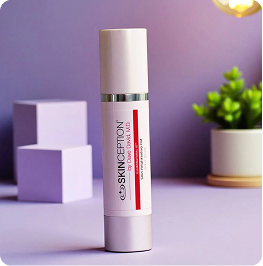
Topical (creams): the common effects are irritation, redness, dryness, and occasional breakouts from rich bases. Where the formula contains retinol — as Kollagen Intensiv does — add peeling and increased sun sensitivity, and a firm rule: topical retinoids are generally avoided in pregnancy. Oral (powders/peptides): generally well tolerated in studies; reported effects are digestive — bloating, a feeling of fullness, mild upset, an unpleasant taste — plus allergy risk that depends on the source (fish, bovine, egg). Interactions: collagen itself has few documented drug interactions, but anyone on daily prescription medication should still tell their doctor or pharmacist about it.
What Side Effects Can a Collagen Cream Cause?
Most cream reactions are local and mild: stinging or redness on first use, dryness, and — especially with richer, butter-based formulas — clogged pores and breakouts in people prone to them. A large share of these reactions are not caused by the "collagen" part of the formula at all. They come from the supporting cast, and the biggest cast member is retinol.
Retinol is the best-studied anti-wrinkle topical in skincare, and its adjustment period is famous enough to have a name among dermatologists: skin often goes through dryness, flaking, redness, and heightened sensitivity in the first weeks before settling. That is an expected reaction pattern, not a sign the product is poison — but it is also not something to push through blindly. The practical rules:
- Introduce it slowly. If a retinol cream is new to you, start with less frequent application and build to the directed schedule as your skin tolerates it.
- Sunscreen becomes mandatory. Retinol increases sun sensitivity, and sun exposure is itself the fastest collagen destroyer. Using a retinol cream without daytime sun protection is self-defeating.
- Patch test first if your skin is reactive: a small area, a few days, then the full face.
- Stop if it burns rather than tingles. Persistent pain, swelling, or a rash is a reaction to quit over, not a stage to endure.
Can You Use a Retinol Cream While Pregnant?
The standard guidance is no: topical retinoids are generally not recommended during pregnancy, out of caution about the retinoid family as a whole. Kollagen Intensiv contains both retinol and retinyl palmitate, so it belongs on the "pause it" list if you are pregnant or planning to be — and the same caution is the sensible default while breastfeeding, where data is thin. This is a case where the honest answer is boring: wait, and ask your own clinician what they are comfortable with.
These statements have not been evaluated by the Food and Drug Administration. This product is not intended to diagnose, treat, cure, or prevent any disease. This article is educational and is not medical advice.
What Side Effects Do Collagen Powders and Peptides Cause?
Oral collagen peptides have a comparatively clean record in the published studies — most trial participants report nothing, and serious reactions are rare. What does get reported:
- Digestive effects: bloating, a feeling of fullness, mild stomach upset, and occasionally loose stool, particularly in the first days or at larger doses.
- Taste and texture complaints: an unpleasant taste or mouthfeel is one of the most common reasons people quit powders — a compliance problem more than a safety one.
- Headache or heaviness is mentioned anecdotally by some users; it is not a well-documented trial finding, and we will not dress it up as one.
Can Collagen Cause an Allergic Reaction?
Yes — and the risk has nothing to do with collagen chemistry and everything to do with where the collagen came from. Collagen peptides are sourced from animals, and the source follows you into the jar:
- Marine collagen comes from fish — a problem if you have a fish allergy.
- Bovine collagen comes from cattle — relevant to beef allergies and to anyone avoiding bovine products for dietary or religious reasons.
- Some multi-ingredient formulas add egg-derived or shellfish-derived components.
Read the source line on any powder before you buy it, and treat "collagen" without a stated source as a reason to choose a different brand. Hives, swelling, itching, or any breathing difficulty after taking one is a stop-immediately-and-seek-care event, not a wait-and-see.
What About Heavy Metals and Contaminants in Collagen Powders?
The question deserves a straight answer rather than a scare or a shrug. Collagen is an animal-derived product concentrated from hides, bones, or fish skin, so the quality of sourcing and testing matters more here than it does for a synthetic vitamin. Reputable manufacturers test their batches and can say so on the label or the product page. The risk concentrates exactly where you would expect: cheap, unbranded powders sold through marketplaces with no named manufacturer, no batch testing, and no address. If a powder cannot tell you who made it and what it was tested for, the low price is not a bargain — it is the business model.
Does Collagen Interact With Medications?
Collagen itself has few documented drug interactions — it is, after all, a protein your body makes and digests daily from food. But three honest qualifiers belong here:
- Formulas are not pure collagen. Some powders add calcium or other minerals, and multi-ingredient products add herbs and actives with interaction profiles of their own. The interaction question is about the whole label, not one word on the front.
- Timing can matter. Minerals such as calcium can interfere with the absorption of certain medications — thyroid medication is the classic example — which is why "take them at different times" is a real pharmacist question, not a formality.
- Tell your doctor and pharmacist what you take. If you are on any daily prescription — thyroid medication, blood thinners, anything with a narrow margin — mention the supplement by name before starting. It costs one sentence and closes the whole category of risk.
Can You Take Too Much Collagen?
More is not better, and the studies do not suggest otherwise: the doses used in skin research cluster in a modest daily range, and taking multiples of that has no evidence behind it. What excess does reliably add is protein and calories your body did not need. One group should treat that seriously: people with kidney disease, for whom total protein load is a medical variable — if that is you, collagen powder is a conversation with your doctor first, not a wellness experiment.
We compare the two formats as purchases here: Collagen Cream vs Collagen Supplements: Which Does What?
Is It Safe to Take Collagen Every Day, Long-Term?
At studied doses, daily use over the lengths of the published trials — typically 8 to 24 weeks — shows no pattern of harm. Beyond that, honesty requires a thinner answer: long-term data measured in years is limited, thinner than the marketing of daily-for-life products implies. Nothing in the evidence says long-term daily use is dangerous; nothing proves it is beneficial indefinitely either. A sensible pattern many clinicians would recognize: use it for a defined trial period, judge the result, and continue only if you can point to what it is doing for you.
What Should You Do If You React to a Collagen Product?
For most reactions, the protocol is simple. Stop the product. Note which product it was and, if you can, which ingredient is new to you — that single note is what turns one bad purchase into useful information for every future one. Mild cream irritation usually settles within days once the product is off your skin; mild digestive effects from a powder typically fade just as quickly after your last dose.
Some reactions are not wait-and-see events. Swelling of the lips, tongue, or face, hives spreading beyond the application area, wheezing, or any difficulty breathing after taking a powder can signal a genuine allergy — that means urgent medical care, not a smaller dose tomorrow. For a cream, blistering, swelling, or a rash that spreads is the equivalent signal. And if a reaction matters enough to stop a product over, it is worth reporting: adverse events from supplements and cosmetics can be reported to the FDA, which is how the safety record for this whole category gets built.
Who Should Be Careful With Collagen?
- Anyone pregnant or breastfeeding: topical retinoids are generally avoided, and oral collagen lacks adequate safety data in pregnancy. Pause both forms and ask your clinician.
- Anyone with a fish, beef, or egg allergy: check the collagen source before buying any powder.
- Anyone with kidney disease: added protein load is a medical question — doctor first.
- Anyone taking retinoid medication: stacking prescription retinoids with retinol-containing creams can multiply irritation; coordinate with the prescriber.
- Anyone on daily prescription medication: the interaction risk is low but not zero, and formula extras change it — one conversation with your pharmacist settles it.
- Sensitive skin: patch test creams, introduce retinol slowly, and let sunscreen be non-negotiable.
The bottom line: collagen — cream or powder — is among the lower-risk categories we cover, and its side effects are mostly the manageable kind: irritation and adjustment on the skin, bloating and bad taste from the powder. The exceptions are specific and avoidable: retinol in pregnancy, the wrong source for your allergy, untested no-name powders, and silence toward the doctor who manages your prescriptions. Check those four boxes and you have handled nearly everything collagen can realistically do wrong. For how cream and powder compare as purchases, see our comparison guide.
Disclaimer: This article is for general information only and is not medical advice. Always consult a qualified healthcare professional before starting any supplement, especially if you have a medical condition or take prescription medication. Individual results vary, and no result is guaranteed.
Last reviewed: October 2026
