
Affiliate disclosure: This article contains affiliate links. If you buy through a link on this page, we may earn a commission paid by the manufacturer, at no extra cost to you. That never changes what we publish — and here it means starting with the night itself, not the product. We have answered this question before from the prostate side, in our cause-map post Waking Up at Night to Urinate: Causes, What's Normal at Your Age, and What Helps (Men). This page is the other half of the men's picture: the night looked at through the bladder — why it wakes you, how to tell which mechanism is yours, when it stops being a supplement question at all, and only then where the one men's bladder product we sell, Incontinix, honestly fits.
If you are reading this at 3 a.m., you know the pattern: the same hour, the same walk, and sleep that does not come back cleanly afterwards. Repeated nightly, the broken sleep becomes a problem in its own right — concentration, mood, blood pressure and simple safety on the stairs all pay for it. So the order on this page is deliberate: the mechanism, the home test that separates the mechanisms, the red flags, the free fixes, and the product last.
Quick Answer: Why Do You Keep Waking Up at Night to Pee?
Three mechanisms cover most men's night waking, and they feel different from the inside. The bladder signals too early — it has become overactive or holds less than it used to, so it raises the alarm at volumes that should have waited until morning; you wake to a strong urge and pass a modest amount. The bladder never emptied properly — classically a prostate story: urine left behind after each daytime void means the tank refills to "full" sooner, including at night. Your body makes too much urine overnight — evening fluids, alcohol, caffeine, and fluid that pooled in your legs during the day all arrive at the kidneys after you lie down; you wake because the bladder genuinely is full, and you pass a full void. A fourth possibility runs the arrow backwards: you wake for another reason — light sleep, snoring, sleep apnoea — and void because you are awake. One waking a night is common and usually unremarkable. Two to three times a night, repeatedly, is the pattern worth explaining — and the sections below explain it.
The One Test That Separates Them: Full Voids or Small Ones?
Before any product, run three nights of honest observation — the same bladder diary a clinician would ask for. Note the time of each waking, how strong the urge was, and roughly how much you passed: a full bladder's worth, or a disappointing half-cup. The pattern reads clearly. Small voids with a big urge point at the bladder itself — signalling early or storing less — and that is the overactive pattern a bladder supplement is at least aimed at. Full voids, every time point at production: your kidneys are making night urine faster than any bladder could reasonably store, and the fix starts with timing, evening intake and a word with a doctor about causes like blood sugar and sleep apnoea — not with a bladder capsule. Small voids with a weak stream and a never-empty feeling point back to the prostate and incomplete emptying — the mechanism our men's cause-map post works through in full, with the age norms. Three nights of notes will tell you more about your 3 a.m. than three months of guessing.
When Night Waking Stops Being a Supplement Question
See a doctor — before supplements, not after — if any of these are part of your picture: blood in the urine, visible or suspected; pain or burning when you pass urine, or fever alongside it; inability to urinate despite a full, uncomfortable bladder, which is urgent, same-day territory; a pattern that is new for you and getting worse over weeks rather than years; large volumes day and night with real thirst, which raises blood-sugar questions no supplement addresses; or night waking arriving with heavy snoring, witnessed pauses in breathing, and heavy daytime sleepiness — the sleep apnoea combination, where treating the sleep can change the urination. None of this is alarmism; it is the standard triage of a symptom that has several possible engines, one or two of which matter more than sleep.
These statements have not been evaluated by the Food and Drug Administration. This product is not intended to diagnose, treat, cure, or prevent any disease. This article is educational and is not medical advice.
What Helps Before Any Product
The free levers, in the order to try them. Move your fluids earlier: front-load drinking into the morning and afternoon, and taper in the last two hours before bed — you are not drinking less, you are rescheduling production. Audit the evening chemistry: alcohol both increases urine production and fragments sleep (a double hit on exactly your problem), and caffeine's tail runs longer than most men credit. Empty twice: void before bed, wait a few minutes, and void again — the "double void" squeezes out some of what an incompletely emptying bladder leaves behind. Raise your legs in the evening: an hour with your feet up before bed lets pooled leg fluid return to circulation while you are still awake to pass it. Check your medication timing with the prescriber: diuretics ("water tablets") taken late in the day manufacture night urine on schedule — timing is a prescriber's question, never a self-adjustment. Give these two to three weeks alongside your diary; for the production-driven pattern they are frequently the whole answer.
Where a Bladder Supplement Fits — and Where It Doesn't
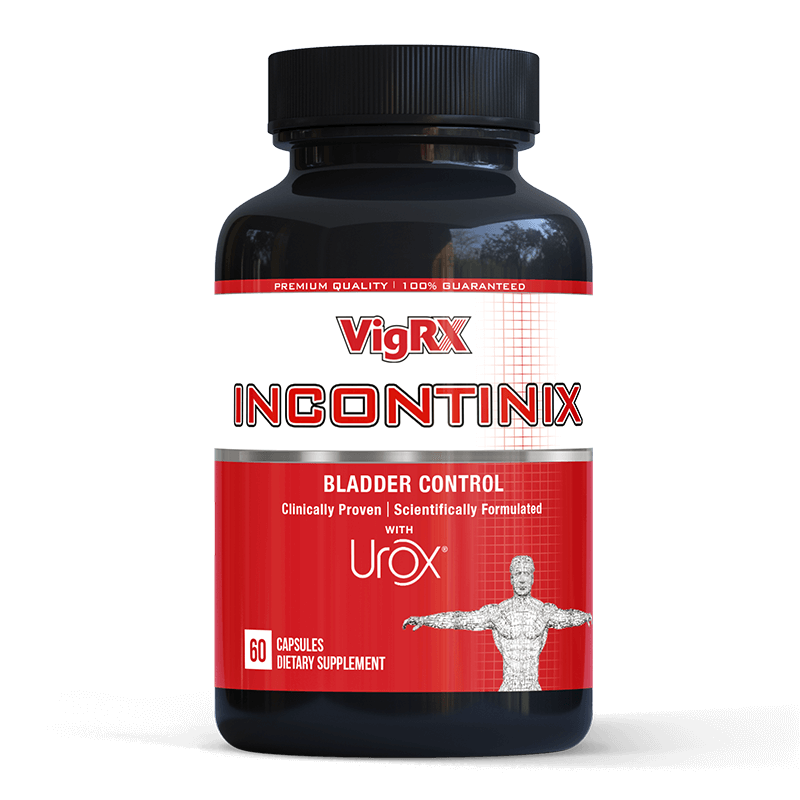
If your diary says small voids, strong urge, ordinary stream — the bladder-signalling pattern — then a bladder supplement is at least aimed at your mechanism. The men's product we sell is Incontinix (Our Score 7.5/10): two capsules each morning delivering 840 mg of the patented Urox® blend (Crateva nurvala, Lindera aggregata, horsetail), $59.99 a bottle, 67-day guarantee. Its maker reports an eight-week, double-blind, placebo-controlled trial of that exact blend in 150 volunteers, published in BMC Complementary Medicine and Therapies — in which, as the maker reports it, about 25% of volunteers stopped racing to the bathroom at night and overall urgency fell by 62%. Read that the way we do: it is the maker's report of the trial — sponsor and full citation are not published on the maker's pages — and a quarter responding on the night measure is a real but partial result, not a promise about your nights. Judge any trial of it across the full eight weeks the study ran, and note the fit questions your diary already answered: if your voids are full ones — production — or your stream is weak — prostate — this product is aimed at a different mechanism from yours, and our night-urination cause map and the prostate route (PrimeGENIX Prostate Support) are the honest directions. One more boundary, stated plainly because the maker doesn't: it publishes no warnings or medication cautions for this product, so if you take prescription medication, clear it with your doctor or pharmacist first.
The Short Version to Sleep On
Waking once is a common feature of a middle-aged night. Waking repeatedly is information: three nights of void sizes will tell you whether your bladder is crying wolf, your outlet is leaving the tank half-full, or your kidneys are working a night shift. Fix the timing and evening inputs first, treat red flags as a doctor's appointment rather than a shopping decision, and let any supplement you try be judged against your own diary at eight weeks — not against hope at eight days.
Last reviewed: October 2026
