
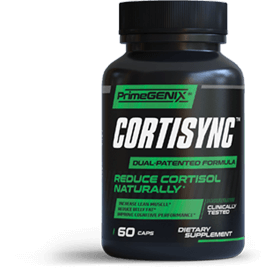
Affiliate disclosure: This article mentions CortiSync, a supplement we sell through our affiliate link; if you buy it through our link, we earn a commission. That relationship is worth stating up front, because this article's conclusion — that no cortisol supplement, ours included, will change the shape of your face — is not the one a seller would choose. Every claim below about the term, the trend and the medicine comes from the public medical coverage of this question, not from any product's marketing.
Quick Answer
No. "Cortisol face" is not a medical diagnosis, a recognised condition, or a term any medical body uses. It is a TikTok coinage for morning facial puffiness, attached to the stress hormone because cortisol is the trend's all-purpose explanation. When doctors are asked about it — and they now are, constantly, which is why university health pages and dermatologists keep publishing answers — they converge on the same reply: ordinary stress does not remodel your face, the puffiness people film at 7 a.m. has mundane causes, and no supplement has been shown to slim a face by lowering cortisol. There is one real facial sign in this neighbourhood, and it matters not to confuse the two: a persistently rounded "moon face" is a documented feature of Cushing's syndrome and of long-term corticosteroid medication. That is a medical workup, not a wellness trend.
Where the Term Came From
The phrase was born on social media and raised by it. TIME, quoted in coverage of the trend, put the scale at "hundreds of millions of posts" blaming cortisol for a puffy face and a bloated midsection — their figure, quoted as such, but the direction is not in doubt. The question "Is cortisol face real?" has since become the headline at Ohio State Health & Discovery, McGill University's Office for Science and Society, PureWow, Huel and The Focus, the last built around a dermatologist interview. Notice what that list means: the demand is real, and it is a demand for a verdict, not for a product. People are not asking which supplement fixes cortisol face. They are asking whether the thing they have been told about their own face is true. The answer the coverage keeps giving is the answer this article gives: the term describes something real — waking up puffy — and explains it with something that isn't.
What Actually Makes a Face Puffy in the Morning
Strip the hormone out and the phenomenon survives perfectly well, because its causes are ordinary. Fluid settles: you have been horizontal for eight hours, and facial tissue shows it more than anywhere else. Sleep quality matters — a short, broken night is visible. So do salt the evening before, alcohol, allergies, and plain individual variation in how much water your tissue holds day to day. Stress correlates with several items on that list — stressed people sleep worse, drink more, eat saltier food — which is how cortisol collected the blame: it is the entourage, not the hormone, doing most of the work. The physicians and dermatologists answering this question in the coverage make essentially this point, and it is worth hearing in its plainest form: if your face is puffy on Monday and fine on Thursday, a fluctuating cosmetic state is being described. Diseases do not usually keep office hours like that.
Moon Face: The Real Sign With a Similar Name
There is a genuine medical sign nearby, and the trend borrows its credibility. In Cushing's syndrome, the body is exposed to far too much cortisol, continuously, for months or years — either because it overproduces the hormone or, more commonly, because a patient takes corticosteroid medication long-term. One documented result is a rounded, full face: moon face. The differences from the TikTok version are the whole story. Moon face is persistent rather than morning-only; it is progressive rather than fluctuating; and it does not travel alone — it arrives with central weight gain, skin that thins and bruises, wide purple stretch marks and muscle weakness. That cluster is a diagnosis pathway: blood, urine and saliva testing, and a hunt for the cause. We set the full pattern out in Signs Your Cortisol Might Be High. If your face has genuinely and durably changed shape, the correct next step is a doctor, and it is not close.
Can a Supplement Change Your Face?
No evidence says so, and the honest way to see it is to check what the claims actually rest on. The adaptogen literature — the most respectable corner of the cortisol-supplement world — measures hormone levels and stress questionnaires in small ingredient studies. It does not measure faces. There is no trial in which ashwagandha, or anything else in this category, reduced facial puffiness or facial fat. It is also worth noticing what the sellers themselves claim. CortiSync, the cortisol product on our own shelf, lists its target concerns as exhaustion, sudden weight gain, muscle fatigue, brain fog and poor sleep. Whatever you think of that list, it does not include your face. The face claim exists in the trend layer only — invented by content, unclaimed even by the marketing it is used to sell. When a claim is too large for the product's own sales page, that tells you where it was manufactured. What the ingredient data does support, modestly, is covered in our cortisol and belly fat article: stress, appetite and sleep — inputs, not features.
These statements have not been evaluated by the Food and Drug Administration. This product is not intended to diagnose, treat, cure, or prevent any disease. This article is educational and is not medical advice.
When a Puffy or Changing Face Is Worth a Doctor
Most morning puffiness deserves nothing more than time and a glass of water. Book the appointment instead if any of the following are true: the swelling is one-sided or arrives with a rash, itching or any breathing difficulty — that combination is urgent, not routine; the puffiness never fully resolves and has been building for weeks; or your face is changing alongside the wider pattern described above — rapid central weight gain, easy bruising, new stretch marks, weakness, rising blood pressure or blood sugar. Those are the circumstances in which "cortisol" stops being a metaphor. Everything short of them is skincare, sleep and patience — categories in which, we concede as the seller in the room, we have nothing to sell you.
Frequently Asked Questions
Is cortisol face a real medical condition?
No. It is a social-media term with no standing in medicine — no diagnosis, no criteria, no treatment, because there is no condition. The coverage it generated at university health sites and in dermatology interviews exists to answer the question, and the answer is consistent: ordinary stress does not produce a distinctive face. The real cortisol-related facial sign is moon face, a feature of Cushing's syndrome or long-term corticosteroid use.
Can stress change the shape of your face?
Not in the way the trend means. Stress changes sleep, appetite, alcohol and salt intake, and those change how puffy you look on a given morning — temporarily and reversibly. What stress at everyday levels has never been shown to do is redistribute facial fat or durably alter facial structure. Persistent, progressive change is a different signal and belongs to the moon-face pattern, which is medical.
What is moon face actually a sign of?
Sustained cortisol excess: Cushing's syndrome, where the body overproduces cortisol, or long-term use of corticosteroid medicines such as prednisone. It develops over months, does not come and go by the day, and typically appears with central weight gain, thin bruising skin, purple stretch marks and muscle weakness. It is diagnosed with laboratory testing, and the cause — tumour or medication — is what gets treated.
Will lowering cortisol slim my face?
There is no evidence that any supplement, drink or routine slims a face by lowering cortisol — the studies behind cortisol ingredients measure hormone levels and stress scores, not faces. If your concern is morning puffiness, sleep, salt and alcohol are the levers with a plausible mechanism. If your face is persistently rounding alongside the other signs listed in this article, the answer is a cortisol workup with a doctor, where the finding — not a product — decides the treatment.
Why is my face puffy in the morning?
Usually: lying flat all night redistributes fluid, and a short or broken sleep, a salty dinner, alcohol or allergies each add to it. It peaks on waking and fades within hours — which is itself the diagnostic clue. A cosmetic state that resolves by breakfast is fluid and behaviour. Medical facial change does not resolve by breakfast, and that difference is the one this whole topic turns on.
Disclaimer: This article is for general information only and is not medical advice. Always consult a qualified healthcare professional before starting any supplement, especially if you have a medical condition or take prescription medication.
Last reviewed: October 2026