
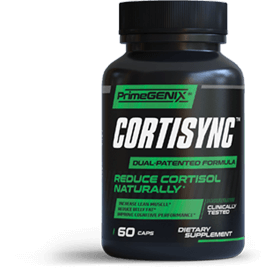
Affiliate disclosure: This article discusses CortiSync, a supplement we sell through our affiliate link; if you buy it through our link, we earn a commission. The cortisol cocktail itself is a homemade drink we do not sell and earn nothing from — if anything, it is positioned as our product's free rival, which is exactly why its claims deserve the same audit we give the paid ones. The recipe and trend facts below come from the drink's Wikipedia documentation and the hospital and university coverage of it, not from any maker's page.
Quick Answer
The cortisol cocktail is a non-alcoholic drink — fruit juice, coconut water and salt, sometimes with magnesium powder or cream of tartar — that went viral on TikTok in 2023 on the promise that it lowers the stress hormone cortisol and relieves "adrenal fatigue." It is, in composition, a homemade electrolyte drink, and as a drink it is mostly harmless and reasonably pleasant. The promises are the problem. There is no clinical evidence that it lowers cortisol; no trial of the drink exists in the coverage at all. And "adrenal fatigue," the condition it is most often said to treat, is a concept endocrinology does not recognise — Wikipedia's article on the drink describes it, correctly, as pseudoscientific. Drink it as refreshment if you like it. Do not drink it as hormone treatment, because nothing about its recipe reaches a hormone.
What Is in the Cortisol Cocktail?
Recipes vary at the edges, but the documented core is stable. Per the drink's Wikipedia article, a cortisol cocktail generally combines fruit juice (commonly orange, sometimes with lemon), coconut water and salt, with optional magnesium powder, cream of tartar or sparkling water. It is also known as the adrenal cocktail — the same recipe circulated in functional-wellness circles under that name before the rebrand. The stated logic is nutrient replacement: vitamin C from the juice, potassium from the coconut water, sodium from the salt, said to replenish what stress supposedly depletes and thereby support the adrenal glands. Hold that logic up to the light and it has a specific shape: each ingredient is assigned a mineral, each mineral is assigned to stress, and the hormone in the name is assigned to the whole. Nothing in the chain is measured. It is worth noting, too, what the recipe actually delivers in a glass: hydration, electrolytes, and — from the juice — a meaningful serving of sugar, a point the hospital reviews of the trend raise and the viral posts generally don't.
Where It Came From: Adrenal Fatigue in a New Glass
The cocktail is the drinkable form of an older idea. "Adrenal fatigue" proposes that chronic stress exhausts the adrenal glands until they underproduce cortisol, leaving you wired, tired and puffy. It is an appealing story with one structural defect: it is not a recognised diagnosis, adrenal glands do not fatigue in this manner, and the symptom list it claims — fatigue, brain fog, weight gain, poor sleep — is the non-specific list shared by dozens of real conditions and by ordinary under-slept life. The drink inherited all of this. What changed in 2023 was distribution: TikTok made cortisol a household word (TIME's coverage put the content blaming cortisol for puffy faces and bloated midsections at "hundreds of millions of posts" — their figure, quoted as such) and the cocktail rode the wave as the trend's actionable souvenir: cheap, photogenic, and named after the hormone itself. A trend big enough to earn a Wikipedia article deserves a fair hearing. A fair hearing is what follows — it is not the same as a favourable one.
What the Drink Can Actually Do
Credit first, because the hospital systems that reviewed the trend (Jackson Health's review is representative) land in the same place. The cocktail hydrates. Its sodium and potassium are genuine electrolytes, and a person who starts the day under-slept, under-watered and running on coffee may honestly feel better after a glass — hydration and a small nutrient top-up are real effects, and so is the ritual effect of stopping, making something deliberately, and drinking it slowly. If the cocktail replaces a worse habit or simply gets more fluid into someone who drinks too little, it has done a small, real good. Notice, though, the category of everything in this paragraph: fluids, minerals, sugar, pause. Feeling refreshed after an electrolyte drink is evidence that you were thirsty. It is not a cortisol measurement, and none of the coverage — friendly or hostile — reports one.
What It Can't Do
It cannot lower cortisol in any demonstrated sense. Jackson Health's verdict is the coverage's consensus: while each ingredient supports ordinary bodily functions, one glass won't lower cortisol levels, and no clinical trials back a direct effect. It cannot treat genuinely high cortisol — Cushing's syndrome is a tumour-and-medication problem with a laboratory diagnosis and a medical treatment, and juice is not a footnote in either. It cannot fix "adrenal fatigue," there being nothing recognised to fix. And it is not free of downsides for everyone: the juice sugar can spike blood sugar — a real consideration for readers managing theirs — and the added sodium can raise blood pressure in salt-sensitive people, as the hospital reviews note. That last point deserves emphasis because of who the trend recruits: people worried about blood pressure, weight and blood sugar are precisely the audience for cortisol content, and the drink hands two of those groups a daily glass of sugar and salt as medicine.
The Contrast Worth Noticing: Ingredients With Trial Data
Here is the irony the trend steps over. The stress-ingredient world the cocktail borrows its credibility from does contain ingredients with actual placebo-controlled human studies — the adaptogens, ashwagandha's branded extracts foremost. CortiSync's maker, for example, cites double-blind, placebo-controlled studies of its lead ingredient, Sensoril® ashwagandha, reporting cortisol down 24% versus placebo and overall stress down 62.2%. Those are ingredient studies — no sample sizes published by the maker, no trial of CortiSync itself (our score: 6.0/10), and no amounts printed on its label to check against the studied ones. We print those caveats every time, including here. But notice the difference in species: a measured claim, however caveated, can be checked, argued with and falsified. A juice recipe's claim cannot, because nothing was ever measured. The cocktail's defenders and the supplement industry's critics actually agree on the standard — show me the trial. Only one side of this comparison has ever produced one, and it is not the drink.
These statements have not been evaluated by the Food and Drug Administration. This product is not intended to diagnose, treat, cure, or prevent any disease. This article is educational and is not medical advice.
Should You Drink It?
As a drink: yes, if you enjoy it — it is a homemade electrolyte beverage with a good name. As a cortisol intervention: no, and the gap between those two answers is this article. If you make it, make it with your eyes open about the sugar and the salt, especially if either is something your doctor has already discussed with you. And if you arrived here because the symptoms in the trend's lists — exhaustion, weight gain, brain fog, poor sleep — sounded like your life, read them the right way round: they are common, they are usually not cortisol, and when they arrive in their severe, progressive form they are a reason to be tested, not to be juicing. Our guide to the signs of genuinely high cortisol separates the two lists. The cocktail will still be there afterwards. It keeps.
Frequently Asked Questions
What is a cortisol cocktail made of?
Fruit juice (usually orange, sometimes lemon), coconut water and salt form the core recipe documented on Wikipedia; magnesium powder, cream of tartar and sparkling water appear as common optional additions. It contains no alcohol despite the name — "cocktail" refers to the mix, and the drink also circulates under its older name, the adrenal cocktail.
Does the cortisol cocktail actually lower cortisol?
There is no clinical evidence that it does. Hospital reviews of the trend state the position plainly: the ingredients support hydration and electrolyte balance, but no clinical trial backs a direct effect on cortisol, and the drink has never been shown to move the hormone it is named after. Feeling calmer after making and drinking it is a ritual and hydration effect, which is real — and is not a hormone result.
Is the cortisol cocktail the same as the adrenal cocktail?
Yes — same recipe family, new name. The adrenal cocktail circulated earlier in functional-wellness circles, built on the same juice, coconut water and salt base and the same nutrient-replacement story. The 2023 rebrand swapped "adrenal" for the hormone TikTok had made famous and took the drink viral. The evidence position did not change with the label.
Is adrenal fatigue real?
Not as a diagnosis. Endocrinology does not recognise adrenal fatigue: the adrenal glands do not wear out from everyday stress in the way the concept describes, and Wikipedia's article on the cocktail itself files the idea as pseudoscientific. The fatigue people attribute to it is real and worth attention — but its causes are things like sleep disorders, thyroid problems, anaemia, depression and plain sleep debt, several of which are diagnosable and treatable. That is an argument for a workup, not for a drink.
What does the cortisol cocktail do, honestly?
It hydrates you, replaces electrolytes, gives you a small dose of vitamin C and potassium, some sugar for quick energy, and a few calm minutes while you make it. For an under-slept, under-watered morning, that can genuinely make you feel better. What it does not do is lower cortisol, treat adrenal anything, or substitute for the sleep it is usually papering over. Enjoy it as the first list. Expect nothing from the second.
Disclaimer: This article is for general information only and is not medical advice. Always consult a qualified healthcare professional before starting any supplement, especially if you have a medical condition or take prescription medication.
Last reviewed: October 2026
