
- Quick Answer: How Long Does VigRX Plus Take to Work?
- What Did the VigRX Plus Clinical Study Actually Do?
- What Do Men Report in the First 2 Weeks?
- Why Do the Maker and Reviewers Say "Give It 2–3 Months"?
- Does the 67-Day Guarantee Cover a Fair Trial?
- What If You Feel Nothing After a Month?
- Who Should Not Take VigRX Plus?
Affiliate disclosure: This article contains affiliate links. If you buy through a link on this page, we may earn a commission paid by the manufacturer, at no extra cost to you. That never changes what we publish — and here it means telling you two things most review sites quietly skip: the dose used in its famous study was higher than the dose on today's label, and its money-back guarantee runs out before that study's timeline does.
So, how long does VigRX Plus take to work? It is the question every buyer asks, and most pages answer it with the rosiest number they can find. This page answers it from the product's own published clinical study — what it measured, when it measured it, and where its results honestly stop. The short version: weeks, not days — with the strongest measured results at 12 weeks. The full version, with the caveats, is below.
Quick Answer: How Long Does VigRX Plus Take to Work?
Not tonight: this is a daily supplement, not an on-demand drug, and nothing in its research suggests same-day effects. First checkpoint: the clinical study's first measurement point was day 28 — before that, there is no measured data to judge by. Full picture: scores kept improving at day 56 and were strongest at the final measurement, day 84. A fair personal trial is therefore 8 to 12 weeks of consistent daily use.
Two honesty notes belong in the quick answer, not buried: the study used two capsules twice a day, while today's label directs two tablets a day — so results at the current dose may be more modest than the study's. And the 67-day guarantee ends 17 days before the study's 84-day endpoint. Both points are explained in full below.
What Did the VigRX Plus Clinical Study Actually Do?
VigRX Plus is unusual in its category: it has been tested as a finished product at all. The study — published in a peer-reviewed journal (BMC Complementary Medicine and Therapies, 2012) and cited by the maker — was a randomized, double-blind, placebo-controlled trial. It enrolled 78 men aged 25–50 with mild to moderate erectile dysfunction, who took the product or a placebo for 12 weeks. Sexual function was measured with the International Index of Erectile Function (IIEF), with checkpoints during the trial and the decisive final reading at day 84.
At day 84, the average erectile-function score in the product group had risen from about 16 to about 25; the placebo group barely moved, from about 16 to about 16.5. The other IIEF domains — desire, satisfaction, overall satisfaction — also favoured the product. Those are strong numbers for a supplement trial — and the source of every "clinically studied" claim made for this product.
Now the parts the marketing leaves out. First, the dose: the men in the trial took two capsules twice daily — four a day. The product sold today is directed at two tablets a day. No published trial has tested the current two-tablet dose, so the honest reading is that today's results may be smaller or slower than the study's. Second, the scope: this was one study, of one product, in men under 50 with mild-to-moderate problems — not proof it works for everyone. Third, the trial also measured testosterone and semen parameters and found no significant effect on either — the study does not support claims that this product raises testosterone or boosts fertility, whatever a sales page implies. And for completeness: the study was sponsored by the company behind the product. That does not invalidate it, but you deserve to know it.
What Do Men Report in the First 2 Weeks?
Everything in this section is typical user reporting, not measured data — the study took no readings before day 28, and we will not pretend otherwise. In the first two weeks, the commonly reported experiences are modest: slightly stronger morning erections, a small lift in desire or general energy — or, just as commonly, nothing noticeable at all.
Two cautions about those early reports. Expectation alone produces exactly these impressions in the first fortnight of any new routine. And "nothing yet" at day 10 is not evidence of failure: on the study's own timeline, you are not yet halfway to the first checkpoint. Judge nothing before week 4.
These statements have not been evaluated by the Food and Drug Administration. This product is not intended to diagnose, treat, cure, or prevent any disease. This article is educational and is not medical advice.
Why Do the Maker and Reviewers Say "Give It 2–3 Months"?
Because that is where the measured curve points. Researchers recorded outcomes at days 28, 56 and 84, and the gap between the product and placebo groups grew at every step — the benefit, such as it was, accumulated across the full three months rather than arriving early and levelling off. A daily botanical formula built for gradual support of circulation and libido has no mechanism that would deliver its full effect in week one.
The maker's own guidance points the same way: the brand advises that most men need roughly 30 to 60 days before noticing a change. We lay out the week-by-week pattern for this whole product category in our guide to how long male enhancement supplements take to work. Put together, "give it 2–3 months" is not a sales delay tactic — it is the only timeline the evidence describes.
Does the 67-Day Guarantee Cover a Fair Trial?
The maker, Leading Edge Health, sells the product with a 67-day money-back guarantee. Under its terms, you try the product for up to 60 days — two boxes — and if you are not satisfied, you return the two empty containers within 67 days of delivery for a refund of the purchase price, excluding shipping. On larger orders, unopened boxes returned together with the first two are also refundable; refunds are limited to one order per customer, and the guarantee applies only to orders placed through the official store.
Now the arithmetic almost nobody shows you: 67 is less than 84. The guarantee window closes 17 days before the point where the study recorded its strongest results. In plain terms, the guarantee does not cover a full study-length trial — it covers a fair look at roughly the first two-thirds of the curve, up to about day 60. That is still useful: the study's trend was already established well before day 84, so a complete absence of change by day 60 is meaningful. But go in knowing the refund deadline forces a day-60 decision, not a day-84 one.
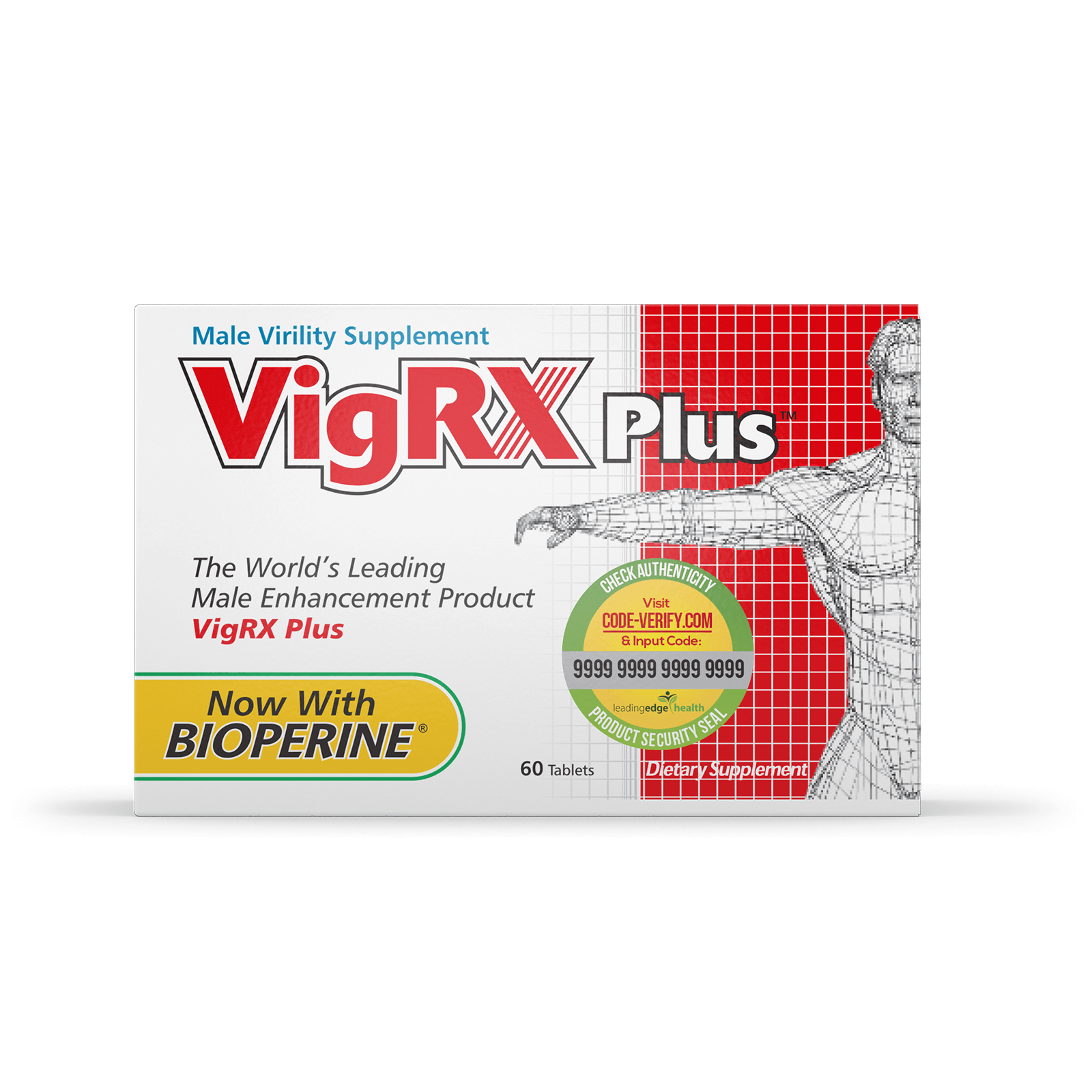
Pack size changes the practical math. A single box ($69) holds 30 days — you would run out before the guarantee's own 60-day trial period ends. The three-box pack ($177, or $59 a box) covers 90 days — beyond the study endpoint — while the guarantee still protects the first two boxes if you decide by day 67 that it is not working. So the sensible way to run the trial the study actually ran is the multi-box pack, with a hard calendar note at day 60: is there a clear direction here, or do the empties go back?
And whichever pack you choose, buy it safely: see our guide to how to buy supplements safely online and avoid counterfeits before you order.
What If You Feel Nothing After a Month?
A flat first month is common and, on the study's timeline, proves little — day 28 was only the first checkpoint, and the curve was still rising at day 56. Before concluding anything, run the consistency checklist:
- Daily use, no skipped weeks. The trial dosed every day; a bottle taken "most days" is not the same trial.
- Taken as directed, with meals, as the label instructs.
- Alcohol, smoking and sleep in check. All three work directly against erection quality and can swamp a modest supplement effect.
- Expectations on the ground. This category does not add size, work on demand, or replace a prescription drug.
If you reach roughly day 60 with genuinely no change in any respect, that is the point to act: use the guarantee rather than buying more on hope, and consider whether the cause is something no supplement can address. If erection problems are persistent, worsening, or new for you, skip supplements entirely and see a doctor — standard medical guidance treats ongoing erectile dysfunction as a possible early warning sign of cardiovascular disease. And if your real concern is a different one — semen volume rather than erection quality — that is a different formula category altogether (Semenax is the volume product we cover), while men comparing daily erection-support formulas often look at ProSolution Plus alongside this one.
Who Should Not Take VigRX Plus?
- Men who take nitrates (such as nitroglycerin) or other heart medication: do not use products in this category without a doctor's explicit approval. The FDA repeatedly warns that sexual-enhancement products can interact with nitrates to lower blood pressure to dangerous levels — treat that warning as applying to the whole category unless your own doctor tells you otherwise.
- Men on blood-pressure medication or blood thinners: ingredients common in this category, ginkgo among them, are routinely flagged for possible interactions with both. Clear any supplement with your doctor or pharmacist first.
- Anyone under 18.
- Men with diagnosed conditions — heart disease, diabetes, high blood pressure — or who take any prescription medication: this decision belongs in a conversation with your clinician, not on a checkout page.
The bottom line: judge this product the way its own study did — daily use, no verdict before a month, a real verdict at 8–12 weeks, and a guarantee decision by day 60 rather than day 84. If you run that trial, run it with genuine product: the guarantee only applies to official-store orders, which is why our product page sends you to the maker's own store through the Buy from Official Website button.
Disclaimer: This article is for general information only and is not medical advice. Always consult a qualified healthcare professional before starting any supplement, especially if you have a medical condition or take prescription medication. Individual results vary, and no result is guaranteed.
Last reviewed: October 2026
