
- Quick Answer
- Our Findings
- What we like
- What gives us pause
- Our Verdict
- What Is GenF20 Plus?
- How We Scored It
- The Formula: A Full Label Audit
- 1. L-Arginine
- 2. L-Glutamine
- 3. L-Glycine
- 4. L-Lysine
- 5. L-Tyrosine
- 6. Astragalus Root Extract
- 7. Deer Antler Velvet
- 8. GABA
- 9. Colostrum
- 10. L-Valine
- 11. Pituitary (Anterior) Powder
- 12. Phosphatidyl Choline
- 13. L-Ornithine
- 14. GTF Chromium
- 15. L-Isoleucine
- 16. Tribulus Terrestris
- The Spray Problem
- The Trial, Read Closely
- The Three Hard Limits
- Safety, Exclusions and Ingredient Cautions
- Price: What a Month Actually Costs
- Purchase Options
- The Guarantee, Mechanically
- GenF20 Plus vs the Alternatives
- GenF20 Plus (8.6/10) vs GenFX (7.5/10)
- GenF20 Plus (8.6/10) vs HyperGH 14x (6.5/10)
- Who Should Buy It — and Who Should Skip It
- Frequently Asked Questions
- 1. What are the ingredients in GenF20 Plus?
- 2. Does GenF20 Plus really increase HGH levels?
- 3. Is GenF20 Plus FDA approved?
- 4. What are the side effects of GenF20 Plus?
- 5. How many pills of GenF20 Plus do you take a day?
- 6. Can you buy GenF20 Plus in stores?
- 7. Does GenF20 Plus come with the oral spray?
- 8. How long does it take to see results from GenF20 Plus?
- 9. Is GenF20 Plus a scam or legit?
- 10. Is there a money-back guarantee for GenF20 Plus?
- 11. Can women take GenF20 Plus?
- 12. Does GenF20 Plus contain actual HGH?
- 13. How much does GenF20 Plus cost per month?
- 14. What is the difference between GenF20 Plus and GenFX?
- Conclusion
- Sources & Method
- Read This Next
Disclosure: This article contains affiliate links. If you buy through them, we may earn a commission at no extra cost to you. It never changes our conclusions.
Quick Answer
GenF20 Plus earns an 8.6/10 in our anti-aging range, making it our highest-scoring human growth hormone (HGH) releaser. Made by Leading Edge Health, it is a dietary supplement formulated to prompt your pituitary gland to release more of your own HGH; it contains no HGH itself and is not a drug. Its biggest strength on paper is label transparency: 14 of its 16 tablet ingredients carry exact per-tablet milligram amounts that match the maker's published figures. However, the product's single 12-week human trial has three hard limits: its main serum IGF-1 comparison missed statistical significance (P > 0.05), its famous 28% headline comes only from the over-40 subgroup after statistical adjustment, and the study tested tablets plus an oral spray that the maker's order page does not list. A fair test matching the 12-week trial takes three boxes ($199.95 as of November 2026), with the 67-day money-back guarantee covering your first two empty boxes plus any unused product.
Our Findings
What we like
- Every one of the 14 published ingredient amounts matches the maker's own per-tablet figures — full dose disclosure, rare in this category.
- A real randomized, placebo-controlled trial of the exact retail system exists and is published.
- Simple pricing: one, three or six one-month boxes, free US shipping, no subscription.
- A 67-day money-back guarantee that covers your first two boxes.
What gives us pause
- The trial's main IGF-1 comparison did not reach statistical significance.
- The famous 28% figure is only the over-40 subgroup, and only after statistical adjustment.
- The trial tested tablets plus a spray — the order page lists tablet boxes and never mentions the spray.
- Two of the 16 ingredients (L-Isoleucine, Tribulus Terrestris) carry no published amounts.
- The maker's "no known side effects" claim rests on a single 61-person, 12-week trial.
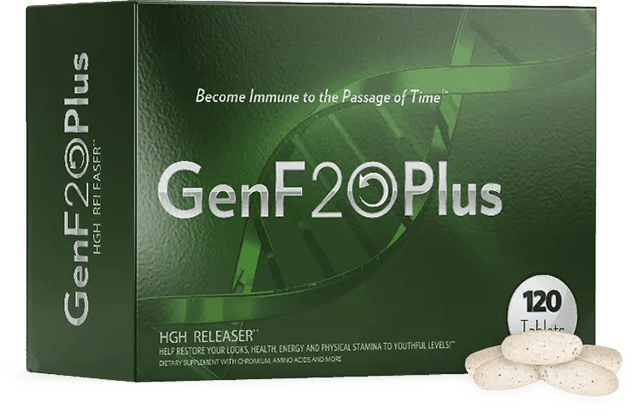
Our Recommendation — GenF20 Plus
Score: 8.6/10 · Best for: Adults who want to support their own HGH release as they age — the releaser in our range backed by a published 12-week human trial of the full system · Main caution: The trial's headline 28% IGF-1 figure comes only from the over-40 subgroup after statistical adjustment — the study's main comparison was not significant; the trial also tested a tablet-plus-spray system, while the order page lists tablet boxes · Fair trial: The cited trial ran 12 weeks — about three boxes (the 3-box pack costs $199.95); the 67-day guarantee covers your first two boxes, returned with any unused product.
Our Verdict
GenF20 Plus earns 8.6/10 — the highest score we give an HGH releaser — on paperwork, not on promises. Its label is the most open in this category: 14 of its 16 ingredient amounts are published per tablet, so every dose in this review could be checked against the maker's own figures. It is also one of the very few releasers ever put through a published, randomized, placebo-controlled human trial — 61 adults analysed over 12 weeks, in a named journal with a DOI you can look up.
Read that trial closely, though, and the score's weak point shows. Evidence sits at 5.5/10 because the trial's main IGF-1 comparison was not statistically significant; the advertised 28% rise comes only from the over-40 subgroup, and only after statistical adjustment. The trial also tested the tablets plus a spray together, while the order page sells tablet boxes and says nothing about a spray being included.
Our bottom line: if you want an HGH releaser, this is the best-documented one we have reviewed — buy it for its transparent label and its simple pricing ($69.95 for a one-month box, less per box in bundles), not for the 28% headline. Judge it over a fair trial of about three boxes ($199.95); the 67-day guarantee covers your first two boxes when you return them with any unused product.
What Is GenF20 Plus?
GenF20 Plus is an oral dietary supplement classified as an "HGH releaser" (or secretagogue blend). Rather than supplying exogenous hormones, it combines amino acids, botanical extracts, chromium, and animal-derived peptides intended to nudge the anterior pituitary gland into releasing more of the user's own endogenous human growth hormone. It contains no HGH and is neither a synthetic hormone nor a prescription medication.
The supplement is made and sold by Leading Edge Health, which identifies itself in the merchant's Terms as Leading Edge Health Inc. in Canada and Leading Edge Health Limited in Cyprus, and is distributed via the SellHealth affiliate programme. The maker positions GenF20 Plus for both men and women across a broad adult age range of 21 to 60 and older. By contrast, the published 12-week clinical trial enrolled adults aged 35 to 65.
Across its sales pages, the merchant describes GenF20 Plus with the tagline "#1 rated HGH releaser." Readers should treat that phrase strictly as the maker's own promotional superlative, because no independent rating body stands behind it. The product also features a promotional endorsement from Dr. Steven Lamm, MD, whom the merchant describes as a medical correspondent on ABC's The View and author of The Hardness Factor. Importantly, the merchant's own website footer notes that Dr. Lamm's recommendation refers to the entire GenF20 Plus System—meaning the enteric-coated tablets plus the oral spray—rather than the tablets alone.
How We Scored It
GenF20 Plus earns an overall score of 8.6/10 on our GenF20 Plus product page. We evaluate supplements in this category across four published sub-scores: Ingredients, Evidence, Safety, and Value. No Credibility score is published for this product.
Our scoring separates what can be verified on the label from what the marketing copy claims about the clinical trial. GenF20 Plus scores 7.0/10 for Ingredients because the maker discloses exact per-tablet milligram figures for 14 of its 16 named ingredients, and every one of those figures checks out against the four-tablet daily serving. That level of dose transparency is unusual in an HGH releaser market crowded with proprietary blends and names-only labels.
At the same time, Evidence scores a much more modest 5.5/10. While having a published, double-blind human trial puts GenF20 Plus ahead of competitors with zero clinical testing, the study's primary full-group IGF-1 comparison missed statistical significance (P > 0.05). Its famous 28% figure comes only from a post-hoc over-40 subgroup after statistical adjustment, and the study tested a tablet-plus-spray system rather than the tablet boxes listed on the order page.
| Scoring Category | Our Sub-Score | Why It Earned This Score |
|---|---|---|
| Ingredients | 7.0 / 10 | Every published ingredient amount matches the maker's per-tablet figures; full dose disclosure for 14 of 16 ingredients is this product's paperwork strength. |
| Evidence | 5.5 / 10 | The trial's primary IGF-1 comparison did not reach statistical significance; the 28% figure comes from the over-40 subgroup after adjustment, and the trial tested tablets plus a spray. |
| Safety | 7.0 / 10 | Clear exclusions are published on our product page, though the maker's site omits a pregnancy warning and stretches a 61-person, 12-week trial into "no known side effects." |
| Value | 7.0 / 10 | A straightforward one-month supply of 120 enteric-coated tablets costs $69.95 as of November 2026 ($2.33/day, dropping to $1.94/day on six boxes) with free US shipping and a 67-day guarantee. |
| Overall Score | 8.6 / 10 | The highest-scoring HGH releaser in our range, carried by verifiable dose disclosure rather than its promotional trial headline. |
The Formula: A Full Label Audit
GenF20 Plus comes in enteric-coated tablets, with 120 tablets per box providing a 30-day supply. The official directions are to take 2 tablets twice daily, for a total of 4 tablets per day. In the published 2015 clinical trial, participants took 2 tablets twice daily before meals in the morning and evening. The maker uses an enteric coating so the tablets pass through stomach acid intact before dissolving in the upper intestinal tract.
The formula lists 16 named ingredients in total. On its FAQ page (FAQ 26), the maker publishes exact per-tablet milligram amounts for 14 of those 16 ingredients. Multiplying each per-tablet figure by 4 yields the exact per-day amounts published on our product page. In a market where rival releasers routinely hide their doses behind proprietary blends, publishing verifiable per-tablet amounts for 14 active components is the core strength of this formula.
Five free-form amino acids form the bulk of the tablet weight: L-arginine (130 mg per tablet / 520 mg per day), L-glutamine (115 mg / 460 mg), L-glycine (100 mg / 400 mg), L-lysine (100 mg / 400 mg), and L-tyrosine (100 mg / 400 mg), supported by smaller doses of L-valine (40 mg / 160 mg), L-ornithine (25 mg / 100 mg), and gamma-aminobutyric acid (GABA, 50 mg / 200 mg). The tablet also includes Astragalus root extract (60 mg / 240 mg), deer antler velvet (50 mg / 200 mg), bovine colostrum (50 mg / 200 mg), anterior pituitary powder (30 mg / 120 mg), phosphatidyl choline (25 mg / 100 mg), and GTF chromium (0.1 mg / 0.4 mg).
However, transparency stops two ingredients short of a complete label. Both L-Isoleucine and Tribulus Terrestris appear on the maker's Ingredients page as part of the 16-ingredient roster, yet the maker publishes no milligram amounts for either one. Because their quantities are omitted from the per-tablet breakdown, buyers have no way to verify how much of either compound is inside each tablet. For a deeper look at how these specific amino acids and peptides relate to pituitary signalling, see our guide on Does GenF20 Plus Work? What the Evidence Can and Can't Say.
| Ingredient | Per Tablet Amount | Per Day Amount (4 Tablets) | Disclosure Status |
|---|---|---|---|
| L-Arginine | 130 mg | 520 mg | Published by maker (FAQ 26) |
| L-Glutamine | 115 mg | 460 mg | Published by maker (FAQ 26) |
| L-Glycine | 100 mg | 400 mg | Published by maker (FAQ 26) |
| L-Lysine | 100 mg | 400 mg | Published by maker (FAQ 26) |
| L-Tyrosine | 100 mg | 400 mg | Published by maker (FAQ 26) |
| Astragalus Root Extract | 60 mg | 240 mg | Published by maker (FAQ 26) |
| Deer Antler Velvet | 50 mg | 200 mg | Published by maker (FAQ 26) |
| GABA | 50 mg | 200 mg | Published by maker (FAQ 26) |
| Colostrum | 50 mg | 200 mg | Published by maker (FAQ 26) |
| L-Valine | 40 mg | 160 mg | Published by maker (FAQ 26) |
| Pituitary (Anterior) Powder | 30 mg | 120 mg | Published by maker (FAQ 26) |
| Phosphatidyl Choline | 25 mg | 100 mg | Published by maker (FAQ 26) |
| L-Ornithine | 25 mg | 100 mg | Published by maker (FAQ 26) |
| GTF Chromium | 0.1 mg | 0.4 mg | Published by maker (FAQ 26) |
| L-Isoleucine | Not published | Not published | Named on Ingredients page without amount |
| Tribulus Terrestris | Not published | Not published | Named on Ingredients page without amount |
One limit applies to every ingredient below: the only human trial of GenF20 Plus tested the complete tablet-plus-spray system, never any single ingredient on its own. So no ingredient on this list has been shown, by itself and at these label doses, to raise IGF-1 — whatever a single-ingredient study or sales page may suggest elsewhere.
1. L-Arginine
Dose: 130 mg per tablet · 520 mg per day. L-Arginine is an amino acid your body uses to build proteins and to make nitric oxide, and it is one of the classic amino acids that HGH-releaser formulas are built around. It is also the ingredient in this formula with the longest caution list. The Mayo Clinic notes that arginine can lower blood pressure and can interact with blood thinners such as aspirin and warfarin, with some blood-pressure medicines, with nitroglycerin and with certain diuretics. It should not be taken after a heart attack, it can reactivate cold sores or genital herpes, and it needs caution with kidney disease and with allergies or asthma.
2. L-Glutamine

Dose: 115 mg per tablet · 460 mg per day. Glutamine is the most abundant amino acid in the body and a standard building block for protein, which is why it appears in so many sports and recovery formulas. In GenF20 Plus it sits in the amino-acid core of the formula. No ingredient-specific caution is cleared for glutamine in this review beyond the general rule: if you take prescription medication or have a medical condition, ask a doctor first.
3. L-Glycine
Dose: 100 mg per tablet · 400 mg per day. Glycine is the smallest of the amino acids and a component of collagen and of body proteins generally. It also works as an inhibitory neurotransmitter in the nervous system. In this formula it is part of the amino-acid blend rather than a headline ingredient, and no ingredient-specific caution is cleared for it here beyond the general medication rule.
4. L-Lysine

Dose: 100 mg per tablet · 400 mg per day. Lysine is an essential amino acid, meaning the body cannot make it and it has to come from food or supplements. It is a building block for body proteins and is traditionally paired with arginine in releaser-style formulas. No ingredient-specific caution is cleared for lysine in this review beyond the general medication rule.
5. L-Tyrosine

Dose: 100 mg per tablet · 400 mg per day. Tyrosine is an amino acid the body uses to make the neurotransmitters dopamine and norepinephrine and to make thyroid hormones. That is the background to its place in a formula sold on energy and focus as much as on hormone release. No ingredient-specific caution is cleared for tyrosine in this review beyond the general medication rule.
6. Astragalus Root Extract

Dose: 60 mg per tablet · 240 mg per day. Astragalus is a root with a long history of use in traditional Chinese medicine, where it is used as a general tonic. It is the main traditional botanical in the GenF20 Plus formula. Traditional use is not the same as tested effect: astragalus was not tested on its own in the GenF20 Plus trial, and no ingredient-specific caution is cleared for it here beyond the general medication rule.
7. Deer Antler Velvet

Dose: 50 mg per tablet · 200 mg per day. Deer antler velvet is powdered immature deer antler, an animal-derived ingredient with a long history in traditional medicine. One caution matters here, and it is specific: the US Anti-Doping Agency (USADA) warns that deer antler velvet can contain detectable quantities of IGF-1, a substance prohibited on the WADA Prohibited List. The velvet itself is not named on the List, but WADA states there is no guarantee that IGF-1 in oral products will not influence an anti-doping test — so tested athletes (professional, collegiate, Olympic or military) use products containing it at their own risk.
8. GABA

Dose: 50 mg per tablet · 200 mg per day. GABA (gamma-aminobutyric acid) is the brain's main inhibitory neurotransmitter — the calming signal of the nervous system — and it is included in many sleep and relaxation formulas. A United States Pharmacopeia safety review (published in Nutrients in 2021) found no serious adverse events in GABA trials, with reported effects including drowsiness, abdominal discomfort, headache and a short-lived throat-burning sensation. The same review cautions that GABA can add to the blood-pressure-lowering effect of antihypertensive medicines, notes that it can also raise growth hormone and prolactin, and records that there are no human safety data for pregnancy or breastfeeding — so it is best avoided in both.
9. Colostrum

Dose: 50 mg per tablet · 200 mg per day. Colostrum is the nutrient-rich first milk cows produce after calving, dried here into a powder. Because it is a milk product, Health Canada's monograph contraindicates it for anyone with a known allergy or hypersensitivity to cow's milk, and advises asking a health-care practitioner first if you are pregnant or breastfeeding, or if you have diabetes, a history of cancer or an immune-system disorder. The USADA athlete warning given for deer antler velvet above applies to colostrum as well: it too can contain detectable IGF-1.
10. L-Valine

Dose: 40 mg per tablet · 160 mg per day. Valine is one of the three branched-chain amino acids (BCAAs), alongside leucine and isoleucine, and like lysine it is essential — it must come from the diet. BCAAs are staples of sports formulas. No ingredient-specific caution is cleared for valine in this review beyond the general medication rule.
11. Pituitary (Anterior) Powder
Dose: 30 mg per tablet · 120 mg per day. This is a bovine glandular powder, included on the logic that material from the pituitary supports the pituitary. That logic has no published human evidence behind it: no published human research shows that swallowing pituitary powder raises growth hormone or IGF-1, and no authority safety profile for it exists. For accuracy: pituitary is not on the FDA's list of prohibited cattle materials in supplements (21 CFR 189.5 covers brain, spinal cord and related highest-risk materials). The open question is transparency — the maker discloses no sourcing for this ingredient.
12. Phosphatidyl Choline

Dose: 25 mg per tablet · 100 mg per day. Phosphatidyl choline is a phospholipid — a fat-like building material of cell membranes — and a dietary source of choline, an essential nutrient involved in liver and brain function. It is one of the smallest-dose ingredients in the formula. No ingredient-specific caution is cleared for it in this review beyond the general medication rule.
13. L-Ornithine
Dose: 25 mg per tablet · 100 mg per day. Ornithine is an amino acid that works in the body's urea cycle, the system that clears ammonia. It is traditionally paired with arginine in HGH-releaser formulas, which is the pairing used here — although at 100 mg per day it is one of the lightest doses on this label. No ingredient-specific caution is cleared for ornithine in this review beyond the general medication rule.
14. GTF Chromium
Dose: 0.1 mg per tablet · 0.4 mg (400 mcg) per day. GTF Chromium is chromium in its "glucose tolerance factor" form; chromium is an essential trace mineral involved in how the body handles carbohydrate and insulin. The NIH Office of Dietary Supplements notes that chromium does not appear to cause harm at usual intakes, though research is limited, and that people with kidney or liver disease should be cautious about high amounts. Two interactions matter at any dose: taken with insulin, metformin or other diabetes medicines, chromium may push blood sugar too low, and it can reduce how well the thyroid medicine levothyroxine is absorbed.
15. L-Isoleucine
Dose: amount not published. Isoleucine is the third branched-chain amino acid in the formula, alongside valine, and it is essential. The problem is the label: the maker names L-Isoleucine on its ingredients page but publishes no amount for it, per tablet or per day. That breaks the pattern set by the other 14 ingredients, whose full disclosure is this product's paperwork strength — with isoleucine, there is no way to know how much you are actually getting.
16. Tribulus Terrestris
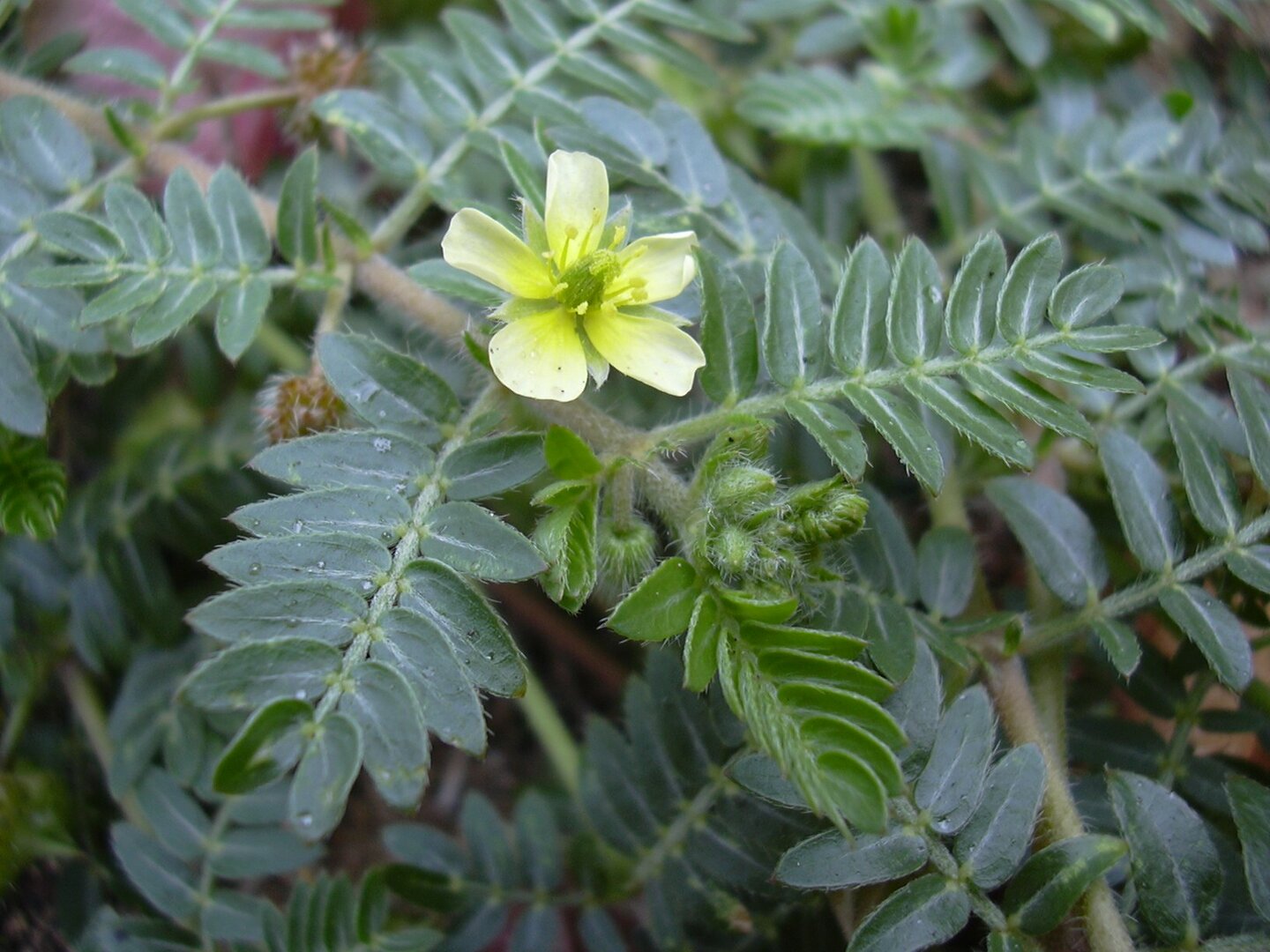
Dose: amount not published. Tribulus is a botanical long used in traditional medicine systems, and like isoleucine it is named on the maker's ingredients page with no amount published. On safety, the NIH LiverTox database records that tribulus extracts have not been convincingly linked to clinically apparent liver injury at typical doses, while isolated case reports describe kidney injury with raised liver enzymes; Memorial Sloan Kettering notes possible added effects with diuretics and with blood-pressure and diabetes medicines. The general medication rule applies with full force here.
The Spray Problem
Before you read a single number from the clinical trial, you need to understand a mismatch between how the maker defines GenF20 Plus in its study materials and what appears on its checkout page. On its informational pages, Leading Edge Health defines the "GenF20 Plus® System" as a two-part product: the enteric-coated tablets taken with an oral spray. In the 2015 clinical trial, every participant in the active group took both parts together—2 tablets twice daily plus a 2 mL sublingual dose of the oral spray twice daily (a trial-specific dosing regimen).
The oral spray's ingredient list is published only inside the clinical trial paper, where it is described as containing alpha GPC, GABA, L-arginine, L-ornithine, L-lysine, L-valine, Mucuna pruriens, and deer antler velvet, with no milligram amounts disclosed for any ingredient. More importantly, when we checked the merchant's official order page in November 2026, every purchase option listed 120-tablet boxes only and stated no spray inclusion. Because the checkout page lists tablet boxes alone without mentioning the spray, the published trial must be read strictly as a test of the combined tablet-plus-spray system, not a test of the tablets by themselves.
The Trial, Read Closely
Unlike most over-the-counter HGH releasers that rely entirely on generic amino-acid citations, GenF20 Plus is backed by a published human trial of its tablet-plus-spray system: Sonawane N, Kale V, Erande S, Chaudhary J, "Effect of GenF20 Plus on serum IGF-1 levels in healthy adults: a randomized controlled study," published in the Open Access Journal of Clinical Trials (2015;7:35–42; DOI: 10.2147/OAJCT.S75969). The study was conducted by Vedic Lifesciences, the contract research organization affiliated with the study authors and hired by the merchant.
The trial used a randomized, double-blind, placebo-controlled design across five clinical sites in India. Researchers enrolled 70 healthy men and women aged 35 to 65 (35 randomized to the active GenF20 Plus system and 35 to a matching placebo), each reporting at least two age-related complaints among decreased memory, reduced libido, low energy, or poor sleep quality. Over the 12-week (84-day) intervention, participants took 2 enteric-coated tablets with water and 2 mL of the liquid oral spray sublingually before morning and evening meals. Nine participants dropped out or were excluded for protocol deviations, leaving 61 completers analysed per protocol: 31 in the active group and 30 in the placebo group.
The primary outcome was the change in serum insulin-like growth factor-1 (IGF-1)—the standard blood marker used to track growth hormone activity—from baseline to week 12. Across the full per-protocol sample of 61 adults, mean serum IGF-1 rose by +13.46 ± 36.12 ng/mL in the GenF20 Plus system group compared with +6.35 ± 36.56 ng/mL in the placebo group. That primary comparison was not statistically significant (P > 0.05).
The researchers then performed a subgroup analysis by splitting the sample at age 40—a post-hoc cut-off chosen because the mean age in both groups was approximately 40 years. Even within the ≥ 40 subgroup, unadjusted comparison by plain analysis of variance (ANOVA) did not reach statistical significance (P > 0.05). Only when the authors applied analysis of covariance (ANCOVA) adjusted for baseline IGF-1 levels did the ≥ 40 subgroup show a statistically significant percentage increase of +28.57% in the active group versus -0.55% in the placebo group (P < 0.05). In the under-40 subgroup, neither group showed a marked change.
The trial also tracked eight secondary outcomes: body mass index (BMI), body fat percentage, lean body mass, waist circumference, memory, libido, energy levels, and sleep quality. None of these secondary outcomes showed a statistically significant difference between the GenF20 Plus system and placebo at 12 weeks. In their conclusion, the authors explicitly wrote that significant changes in those other parameters were not seen, probably due to the short treatment duration.
| Trial Analysis & Endpoint | GenF20 Plus System (Tablets + Spray) | Placebo Group | Statistical Result | Plain-English Meaning |
|---|---|---|---|---|
| Primary Outcome: Full Group Serum IGF-1 Change (n = 61: 31 active / 30 placebo) | +13.46 ± 36.12 ng/mL | +6.35 ± 36.56 ng/mL | Not significant (P > 0.05) | The main study comparison across all completers failed to beat placebo statistically. |
| Subgroup Aged ≥ 40: Unadjusted ANOVA | Post-hoc split at age 40 | Post-hoc split at age 40 | Not significant (P > 0.05) | Without baseline statistical adjustment, the 40-and-older subgroup missed significance. |
| Subgroup Aged ≥ 40: Baseline-Adjusted ANCOVA | +28.57% adjusted change | -0.55% adjusted change | Significant (P < 0.05) | The source of the famous "28%" headline—found only in the ≥ 40 subgroup after ANCOVA adjustment. |
| Subgroup Aged < 40 | No marked change | No marked change | Not significant (P > 0.05) | Participants under age 40 saw no meaningful IGF-1 shift over 12 weeks. |
| Secondary Outcomes (BMI, body fat %, lean mass, waist, memory, libido, energy, sleep) | No significant changes vs placebo | No significant changes vs active | Not significant (P > 0.05) | Twelve weeks produced no statistically significant improvements in body composition or symptom scores. |
The Three Hard Limits
Whenever you see GenF20 Plus advertised across the web, you will almost certainly see the "28% increase in HGH/IGF-1" figure presented as a simple, settled fact. Reading the Vedic Lifesciences paper firsthand reveals why that marketing claim requires three permanent caveats every time it is mentioned.
1. The main full-group comparison was negative. A clinical trial's primary test is whether the entire active group beats the entire placebo group on the pre-specified primary endpoint. In Sonawane et al. (2015), the active group's +13.46 ± 36.12 ng/mL rise in serum IGF-1 did not differ significantly from the placebo group's +6.35 ± 36.56 ng/mL rise (P > 0.05). Notice the huge standard deviations (± 36 ng/mL), which were nearly triple the average change itself, showing wide individual variation in both directions.
2. The "28%" figure is a post-hoc subgroup slice that needed statistical adjustment. The +28.57% versus -0.55% figure applies only to participants aged 40 and older, a subgroup created after the authors noted that the groups' mean ages sat near 40. Even in that older slice, a standard unadjusted ANOVA test was not statistically significant; significance (P < 0.05) appeared only after running an ANCOVA model that adjusted for baseline IGF-1 differences. On its Medical Proof page, the merchant presents "28.57%" as if it were the whole group's average increase. We name that framing plainly for what it is: the single most favourable statistical slice of a study whose primary comparison missed significance.
3. The study tested the two-part system, not the tablets alone. Every participant in the active arm took 4 enteric-coated tablets daily plus 4 mL daily of the sublingual spray containing alpha GPC, Mucuna pruriens, deer antler velvet, and amino acids. Because the merchant's order page (as of November 2026) lists 120-tablet boxes and states no spray inclusion, you cannot assume that taking the tablets alone will reproduce even the over-40 subgroup's adjusted IGF-1 result.
Safety, Exclusions and Ingredient Cautions
On our GenF20 Plus product page, we publish a strict exclusion list for who should skip this product: anyone under 18 · women who are pregnant or nursing · anyone taking prescription medication without first asking a doctor · anyone expecting instant results.
In the 12-week clinical trial of 70 enrolled adults (61 completers), researchers logged 12 adverse events in total: 7 in the active system group and 5 in the placebo group. All 12 events were mild, and the investigators judged all of them unrelated to the study product, with zero serious adverse events reported. While that record is reassuring as far as it goes, a 61-completer trial lasting 84 days is far too small and brief to rule out uncommon side effects or drug interactions.
Despite that small sample, the merchant's own website (read in November 2026) publishes no pregnancy-specific warning and claims "no known side effects" (FAQ 14) and "no known drug interactions" (FAQ 13), right alongside advice to consult a physician if you take medication or have a medical condition. Those two "no known" claims are the maker's marketing assertions, not medical facts; the absence of drug-attributed events in 31 active completers over 12 weeks is not proof of universal safety. We unpack those claims further in Is GenF20 Plus Safe — and Is It a Scam or Legit?.
When you check the individual ingredients against medical and anti-doping authorities, several specific cautions apply:
- Deer Antler Velvet (200 mg/day) and Colostrum (200 mg/day) — Athlete Anti-Doping Risk: The U.S. Anti-Doping Agency (USADA) warns that both deer antler velvet and bovine colostrum can contain detectable quantities of IGF-1, a substance banned on the World Anti-Doping Agency (WADA) Prohibited List. WADA states there is no guarantee that oral IGF-1 products will not cause a positive anti-doping test, making GenF20 Plus risky for any tested athlete.
- Colostrum (200 mg/day) — Milk-Allergy Contraindication: Under Health Canada's natural health product monograph for bovine colostrum, oral colostrum is contraindicated for anyone with an allergy or hypersensitivity to cow's milk or dairy products.
- Pituitary (Anterior) Powder (120 mg/day) — Sourcing Transparency: Each four-tablet daily serving contains 120 mg of animal-derived anterior pituitary glandular powder, yet the maker publishes no details on the animal species, country of origin, or tissue-screening standards on its product pages.
- L-Arginine (520 mg/day) — Cardiovascular, Viral, and Medication Cautions: Mayo Clinic advises against L-arginine for anyone who has had a heart attack, has kidney disease (where it can disrupt electrolytes and cause dangerous heart rhythms), or has had cold sores or genital herpes (as excess L-arginine can reactivate the herpes virus). Mayo Clinic also notes potential interactions with blood thinners, high blood pressure drugs, nitroglycerin, diabetes medicines, erectile dysfunction drugs, and certain diuretics.
- GTF Chromium (0.4 mg/day, or 400 mcg/day) — Blood Sugar and Thyroid Interactions: The NIH Office of Dietary Supplements (ODS) warns that chromium supplements can interact with insulin, metformin, and other antidiabetes medications to cause low blood sugar, can reduce the absorption of levothyroxine (used for hypothyroidism), and require caution in people with kidney or liver disease.
- GABA (200 mg/day) — Blood Pressure and Pregnancy Cautions: A comprehensive safety review by the United States Pharmacopeia (USP) found no serious adverse events in trials using up to 120 mg/day of GABA for 12 weeks or 18 g/day for 4 days, but noted transient, moderate drops in blood pressure—meaning concurrent use with antihypertensive drugs could increase hypotension risk—and advised caution for pregnant and lactating women due to potential neuroendocrine effects.
- Tribulus Terrestris (amount not published) — Pre-Existing Liver Disease Caution: The NIH LiverTox database notes that while the raw Tribulus terrestris plant causes liver injury in grazing sheep, human herbal extracts have not been convincingly linked to clinically apparent liver injury at typical doses (likelihood score E*), though high doses warrant caution in individuals with pre-existing liver disease or cirrhosis.
Price: What a Month Actually Costs
Each box of GenF20 Plus holds 120 enteric-coated tablets, which equals a 30-day supply when taken at the directed 4 tablets per day. On the maker's official order page in November 2026, a single one-month box costs $69.95 (listed down from a $79.95 retail price). That puts the entry-level cost at $2.33 per day.
If you buy multi-box supplies, the per-box and per-day costs step down modestly. As listed on the maker's order page in November 2026, the three-box supply costs $199.95 total, or $66.65 per box ($2.22 per day). The six-box supply costs $349.95 total, which works out to $58.32 per box (per the merchant's checkout figure) and brings the daily cost down to $1.94 per day.
From a fair-trial standpoint, the arithmetic is straightforward. Because the Vedic Lifesciences clinical trial ran for 12 weeks (84 days), testing the product over the same duration requires about three boxes ($199.95 as of November 2026). As we detail below, the 67-day money-back guarantee covers your first two empty boxes plus any unused product from your order.
Purchase Options
When we checked the merchant's official checkout page (genf20.com/cart/) in November 2026, Leading Edge Health offered three straightforward tablet-box options with no subscription or auto-ship enrollment. Every order is a single, one-time payment, and all three tiers include free shipping within the lower 48 United States (the website header notes free shipping on "select USA orders").
| Supply Option | Checkout Price (Nov 2026) | Per-Box Rate | Maker's List Price | Daily Cost | Included Shipping & Stated Bonuses |
|---|---|---|---|---|---|
| 1 Box (1 Month / 120 Tablets) | $69.95 | $69.95 / box | $79.95 | $2.33 / day | Free USA shipping (lower 48) |
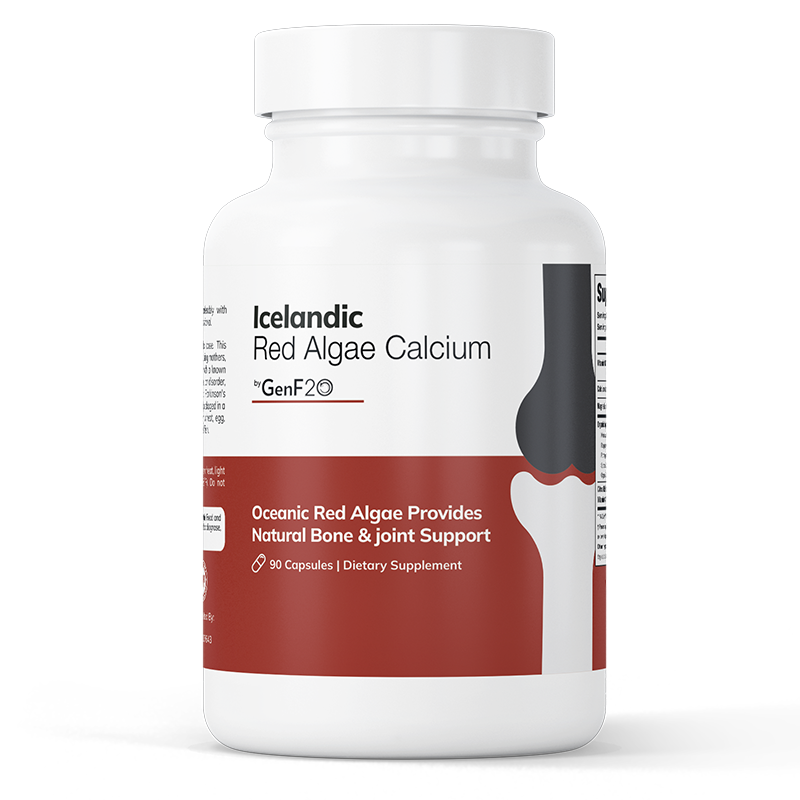
| 3 Boxes (3 Months / 360 Tablets) | $199.95 | $66.65 / box | $239.85 | $2.22 / day | Free USA shipping (lower 48) + HGH Essentials e-book ($19.95 stated value) + GenF20 Icelandic Red Algae Calcium ($59.95 stated value) |
| 6 Boxes (6 Months / 720 Tablets) | $349.95 | $58.32 / box | $479.70 | $1.94 / day | Free USA shipping (lower 48) + HGH Essentials e-book ($19.95 stated value) + GenF20 Icelandic Red Algae Calcium ($59.95 stated value) |
Orders for the 3-month and 6-month supplies include two promotional bonuses listed on the order page: a digital copy of the HGH Essentials e-book (carrying a stated value of $19.95) and a bottle of GenF20 Icelandic Red Algae Calcium (carrying a stated value of $59.95). You may also spot a banner on the order page mentioning a "Buy One Get One Free ... applied at checkout" offer, but the page never explains the mechanics or qualifying terms of that line, so you should rely only on the explicit box prices above. Remember as well that all three checkout tiers list tablet boxes only and state no oral spray inclusion.
The Guarantee, Mechanically
Leading Edge Health backs GenF20 Plus with a 67-day, 100% money-back guarantee, which corresponds to a 60-day trial period plus 7 days for return transit. Unlike restrictive "unopened bottles only" policies that void your refund the moment you open the first box, this guarantee actually lets you use the tablets for two full months.
Per the merchant's FAQ (FAQ 4), the return mechanics are specific: to receive a full refund of your purchase price (less shipping and handling charges), you must return the first two empty boxes along with any unused portion of the remaining product within 67 days of your purchase. Our product page record also notes an important house limit: refunds are restricted to one order per customer.
Here is how that works in practice if you buy the three-box supply ($199.95 as of November 2026) to match the 12-week trial window. You can finish box one (days 1–30) and box two (days 31–60). Before day 67 arrives, you must decide whether to keep going: if you are unsatisfied, you pack up the two empty boxes plus the unopened third box and send them back for a refund less shipping and handling.
GenF20 Plus vs the Alternatives
Because GenF20 Plus earns 8.6/10—the highest score in our HGH releaser category—we do not feature an alternative recommendation card on this page. However, Leading Edge Health sells two other well-known HGH releasers in the same brand family that shoppers frequently compare against GenF20 Plus: GenFX (7.5/10) and HyperGH 14x (6.5/10). Both score lower for clear, verifiable paperwork reasons.
GenF20 Plus (8.6/10) vs GenFX (7.5/10)
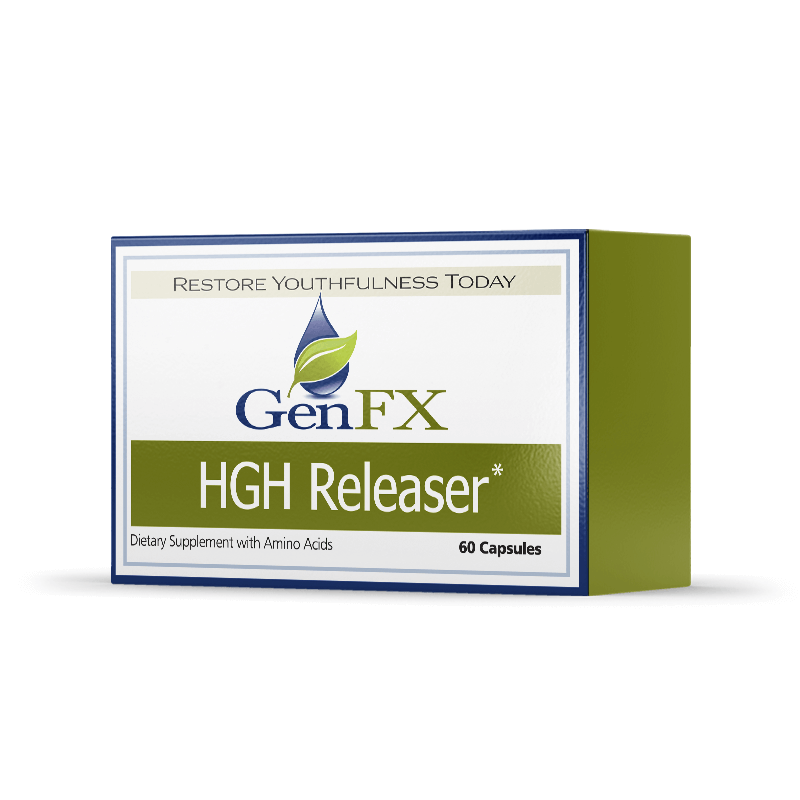
Leading Edge Health positions GenFX as "#2 in its HGH range" directly behind GenF20 Plus (that ranking is the maker's own positioning, not an independent body's rating). On the surface, GenFX looks appealing for budget-conscious buyers: it requires just 2 tablets per day instead of 4, starts at $49.95 for a one-month box (as of November 2026), and carries the same 67-day money-back guarantee (with no best multi-box option published).
Where GenFX loses ground is label transparency. While GenF20 Plus publishes exact per-tablet milligram figures for 14 of its 16 ingredients, GenFX publishes ingredient names only—we could not verify a single milligram amount anywhere on the maker's pages. Nor does GenFX have its own published human trial. If you want to know what doses you are swallowing, GenF20 Plus is worth the extra $20 per month; see our full breakdown in GenF20 Plus vs GenFX: Which HGH Booster Is Better?.
GenF20 Plus (8.6/10) vs HyperGH 14x (6.5/10)
HyperGH 14x is positioned specifically for bodybuilders and gym-goers seeking workout recovery and lean muscle support, whereas GenF20 Plus targets general adult anti-aging. Like the GenF20 Plus System definition, HyperGH 14x is marketed as a two-part system combining capsules with an oral spray, and its order-page pricing matches GenF20 Plus at $69.95 for a one-month supply or $349.95 for a six-month supply (as of November 2026).
Although HyperGH 14x publishes milligram amounts for all 15 of its capsule ingredients, it drops to 6.5/10 because the maker's own pages contradict each other on the total daily milligram dose. Between GenF20 Plus's consistent 14-ingredient dose math and its published 2015 clinical trial (even with its subgroup and spray caveats), GenF20 Plus remains the cleaner, better-documented pick. Read our full comparison in GenF20 Plus vs HyperGH 14x: Two Releaser Systems From the Same Stable, Compared Honestly.
| Feature | GenF20 Plus | GenFX | HyperGH 14x |
|---|---|---|---|
| Our Score | 8.6 / 10 | 7.5 / 10 | 6.5 / 10 |
| Positioning | General adult HGH releaser (ages 21–60+; trial ages 35–65) | Maker's "#2 in its HGH range" budget tablet | Bodybuilding & gym performance two-part system |
| Daily Serving | 4 enteric-coated tablets (2 twice daily) | 2 tablets daily | Capsules + oral spray |
| Dose Disclosure | Per-tablet amounts published for 14 of 16 ingredients | Ingredient names only; no amounts published | All 15 capsule ingredients dosed, but maker's pages contradict on daily total |
| Published Human Trial | Yes — 2015 trial of tablet+spray system (main IGF-1 result not significant; +28.57% in ≥ 40 subgroup by ANCOVA) | None published | None published |
| Starting Price (Nov 2026) | $69.95 (1 box) / $349.95 (6 boxes) | From $49.95 | $69.95 (1 month) / $349.95 (6 months) |
| Money-Back Guarantee | 67 days (covers first two boxes) | 67 days | 67 days |
Who Should Buy It — and Who Should Skip It
Who Should Consider Buying GenF20 Plus:
- Adults aged 40 to 65 who want a transparent secretagogue formula: If you fall into the over-40 age bracket where the 2015 trial's baseline-adjusted subgroup analysis showed a +28.57% IGF-1 rise (P < 0.05)—while understanding the main full-group comparison missed significance—this is the only releaser in our range with both a published trial and verifiable doses for 14 of 16 tablet ingredients.
- Shoppers who value a two-box refund safety net: If you are willing to test the product consistently for 60 days, the 67-day guarantee lets you return two empty boxes (plus any unused third box from a three-box order) if you see no subjective benefit.
Who Should Skip GenF20 Plus:
- Drug-tested athletes: Because deer antler velvet and bovine colostrum can contain WADA-prohibited IGF-1, tested competitors should avoid this formula completely.
- Anyone in the four excluded groups or with a milk allergy: Skip it if you are under 18, pregnant or nursing, have a cow's milk allergy (colostrum is contraindicated), take prescription medications (especially for diabetes, blood pressure, thyroid, or heart conditions) without a doctor's clearance, or expect instant results.
- Buyers expecting the tablets alone to replicate the trial or replace HGH injections: Because the trial tested tablets plus a spray not listed on the order page—and showed no significant changes in body fat, lean mass, sleep, energy, memory, or libido over 12 weeks—anyone expecting guaranteed physical transformation should skip it.
Frequently Asked Questions
1. What are the ingredients in GenF20 Plus?
Each GenF20 Plus tablet lists 16 named ingredients. The maker publishes exact per-tablet amounts for 14 of them (shown here with their 4-tablet daily totals): L-Arginine (130 mg per tablet / 520 mg per day), L-Glutamine (115 mg / 460 mg), L-Glycine (100 mg / 400 mg), L-Lysine (100 mg / 400 mg), L-Tyrosine (100 mg / 400 mg), Astragalus Root Extract (60 mg / 240 mg), Deer Antler Velvet (50 mg / 200 mg), GABA (50 mg / 200 mg), Colostrum (50 mg / 200 mg), L-Valine (40 mg / 160 mg), Pituitary (Anterior) Powder (30 mg / 120 mg), Phosphatidyl Choline (25 mg / 100 mg), L-Ornithine (25 mg / 100 mg), and GTF Chromium (0.1 mg / 0.4 mg). Two additional ingredients—L-Isoleucine and Tribulus Terrestris—are named on the maker's Ingredients page without published milligram amounts.
2. Does GenF20 Plus really increase HGH levels?
The evidence is mixed and carries three hard limits. In the single published 12-week human trial of 70 enrolled adults (61 analysed per protocol; Sonawane et al., 2015), researchers measured serum IGF-1 as a marker of HGH activity. First, the primary comparison across the whole study group was not statistically significant: mean IGF-1 rose by +13.46 ± 36.12 ng/mL in the active group versus +6.35 ± 36.56 ng/mL on placebo (P > 0.05). Second, the widely advertised +28.57% versus -0.55% increase appeared only in a post-hoc subgroup of adults aged 40 and older, and reached statistical significance (P < 0.05) only by ANCOVA after baseline adjustment (by unadjusted ANOVA, the same subgroup was not significant, and under-40 adults saw no marked change). Third, the study tested the tablets plus an oral spray together, whereas the maker's order page lists tablet boxes only. See our full analysis in Does GenF20 Plus Work? What the Evidence Can and Can't Say.
3. Is GenF20 Plus FDA approved?
No. GenF20 Plus is sold as a dietary supplement, not a prescription hormone or over-the-counter drug, and it contains no HGH. Under U.S. law, dietary supplements do not undergo pre-market approval by the Food and Drug Administration (FDA) for efficacy or safety before they are sold to consumers.
4. What are the side effects of GenF20 Plus?
In the 12-week clinical trial (61 completers), researchers recorded 12 adverse events (7 in the active system group and 5 in the placebo group), all mild and judged unrelated to the product, with no serious adverse events. While the maker's FAQ claims "no known side effects" and "no known drug interactions," those are marketing claims based on a small, 12-week study—and the maker simultaneously advises consulting a doctor if you take medication. Ingredient-level risks include dairy-allergy reactions from bovine colostrum, anti-doping positives from IGF-1 in deer antler velvet and colostrum, blood pressure drops from GABA or L-arginine, herpes reactivation or heart/kidney risks from L-arginine, and blood sugar or thyroid-drug interactions from chromium.
5. How many pills of GenF20 Plus do you take a day?
The maker's directions are to take 2 enteric-coated tablets twice daily, for a total of 4 tablets per day. In the 2015 clinical trial, participants took 2 tablets in the morning and 2 tablets in the evening before meals (alongside 2 mL of the oral spray twice daily, which was part of the trial's system protocol). Each box contains 120 tablets, which provides a 30-day supply at 4 tablets per day.
6. Can you buy GenF20 Plus in stores?
GenF20 Plus is sold directly by Leading Edge Health through its official online store and the SellHealth affiliate network rather than standard brick-and-mortar pharmacy chains. Buying through the official checkout page ensures your order is covered by the maker's 67-day money-back guarantee and includes free shipping within the lower 48 United States.
7. Does GenF20 Plus come with the oral spray?
While the maker defines the "GenF20 Plus® System" on its informational pages as enteric-coated tablets plus an oral spray—and the 2015 clinical trial tested the tablets and spray together—the merchant's official order page (read in November 2026) lists 120-tablet boxes only and states no spray inclusion.
8. How long does it take to see results from GenF20 Plus?
According to the maker's promotional guidance, some users may begin noticing effects "within as little as three weeks," and the company advises taking the product for about three months to judge its full benefits. However, keep the clinical trial's limits in view: the Vedic Lifesciences study ran for 12 weeks (84 days, or about three boxes), missed statistical significance on its primary whole-group IGF-1 comparison, found its +28.57% IGF-1 rise only in the over-40 subgroup after baseline adjustment (testing tablets plus a spray), and saw no statistically significant improvements in BMI, body fat, lean mass, waist circumference, sleep, energy, memory, or libido at 12 weeks. For a week-by-week look at what to expect, read How Long Does GenF20 Plus Take to Work?.
9. Is GenF20 Plus a scam or legit?
GenF20 Plus is a legitimate dietary supplement from an established company (Leading Edge Health) rather than a billing scam: there is no hidden auto-ship subscription on the order page, 14 of its 16 tablet ingredients have full per-tablet milligram disclosures, and a real 67-day guarantee covers your first two boxes. Where buyers need caution is the marketing spin: the merchant's Medical Proof page presents the 28.57% IGF-1 increase as the whole group's average, leaving out that the main full-group comparison missed significance (P > 0.05), that the 28.57% figure came only from the over-40 subgroup after statistical adjustment, and that the study dosed tablets plus an oral spray not listed on the order page. Read our full evaluation in Is GenF20 Plus Safe — and Is It a Scam or Legit?.
10. Is there a money-back guarantee for GenF20 Plus?
Yes. The maker offers a 67-day, 100% money-back guarantee (FAQ 4). You can return the first two empty tablet boxes along with any unused portion of the remaining product within 67 days for a full refund of the purchase price, less shipping and handling. Per our product page record, refunds are limited to one order per customer.
11. Can women take GenF20 Plus?
Yes, with important exclusions. Leading Edge Health positions GenF20 Plus for both men and women aged 21 to 60+, and the 12-week clinical trial enrolled both male and female adults aged 35 to 65. However, women who are pregnant or nursing are strictly excluded from taking GenF20 Plus on our product page (even though the merchant's own site omits a pregnancy warning), and anyone taking prescription medication—such as levothyroxine for thyroid support or diabetes drugs—should consult a physician first.
12. Does GenF20 Plus contain actual HGH?
No. GenF20 Plus contains zero human growth hormone (HGH) and is neither a hormone nor a drug. Real HGH is a regulated prescription peptide administered by injection. GenF20 Plus is an over-the-counter dietary supplement ("HGH releaser") containing amino acids, herbs, chromium, and animal-derived peptides designed to support your pituitary gland's natural HGH release.
13. How much does GenF20 Plus cost per month?
As listed on the maker's official order page in November 2026, a single one-month box of 120 tablets costs $69.95 (list price $79.95), or $2.33 per day. Buying a three-month supply (3 boxes for $199.95 in November 2026) lowers the monthly cost to $66.65 per box ($2.22 per day), while a six-month supply (6 boxes for $349.95 in November 2026) reduces the cost to $58.32 per box ($1.94 per day). All three options include free shipping to the lower 48 US states with no recurring subscription.
14. What is the difference between GenF20 Plus and GenFX?
Both supplements are made by Leading Edge Health and carry a 67-day guarantee, with the maker positioning GenFX as "#2 in its HGH range" behind GenF20 Plus. The core differences are dose transparency, price, and clinical documentation: GenF20 Plus (8.6/10) requires 4 tablets daily, starts at $69.95 per box (as of November 2026), discloses exact milligram amounts for 14 of 16 ingredients, and is backed by the 2015 clinical trial of its tablet-plus-spray system (where the main comparison missed significance and the ≥ 40 subgroup saw a +28.57% adjusted IGF-1 rise). GenFX (7.5/10) takes 2 tablets daily and starts at $49.95 (as of November 2026), but publishes ingredient names only with no milligram amounts and has no published trial of its own. See our complete comparison in GenF20 Plus vs GenFX: Which HGH Booster Is Better?.
Our Recommendation — GenF20 Plus
Score: 8.6/10 · Best for: Adults who want to support their own HGH release as they age — the releaser in our range backed by a published 12-week human trial of the full system · Main caution: The trial's headline 28% IGF-1 figure comes only from the over-40 subgroup after statistical adjustment — the study's main comparison was not significant; the trial also tested a tablet-plus-spray system, while the order page lists tablet boxes · Fair trial: The cited trial ran 12 weeks — about three boxes (the 3-box pack costs $199.95); the 67-day guarantee covers your first two boxes, returned with any unused product.
Conclusion
GenF20 Plus earns 8.6/10 and stands as the best-documented HGH releaser in our range—not because of its promotional trial headline, but because its tablet label holds up to scrutiny. Disclosing exact per-tablet milligram amounts for 14 of 16 ingredients separates it from competitors that hide behind proprietary blends or names-only labels, and its one-time box pricing (from $69.95 as of November 2026) and 67-day two-box guarantee are straightforward.
At the same time, smart buyers should go in with realistic expectations about the 2015 clinical study. The trial's main full-group IGF-1 comparison missed statistical significance (P > 0.05), the famous +28.57% figure came only from the over-40 subgroup after baseline adjustment, secondary body and symptom measures did not beat placebo over 12 weeks, and participants took tablets plus a spray that the order page does not list. For healthy adults over 40 who understand those limits and want a clearly dosed secretagogue blend they can test under a two-box refund window, GenF20 Plus is the strongest choice in its class.
Sources & Method
Our review is built firsthand from the published 12-week clinical trial by Sonawane N, Kale V, Erande S, and Chaudhary J, "Effect of GenF20 Plus on serum IGF-1 levels in healthy adults: a randomized controlled study," Open Access Journal of Clinical Trials 2015;7:35–42 (https://doi.org/10.2147/OAJCT.S75969), alongside the maker's official GenF20 Plus order page, Terms, FAQ, Ingredients, and Medical Proof pages (read November 2026) and our verified GenF20 Plus product page correction record. Ingredient-level safety cautions are sourced directly from the U.S. Anti-Doping Agency (USADA) natural products advisory, the NIH Office of Dietary Supplements (ODS) chromium fact sheet, Mayo Clinic's L-arginine safety guidance, the NIH LiverTox monograph on Tribulus, Health Canada's bovine colostrum monograph, and the United States Pharmacopeia (USP) safety review of GABA.
Last reviewed: November 2026. This article is educational and is not medical advice.
